
Nearly 40% of U.S. households grow some of their own produce. Still, many gardeners use synthetic products they could avoid. This guide offers practical, science-based methods for organic vegetable gardening.
It helps readers grow veggies at home without harmful chemicals. It also supports sustainable farming practices. The article serves as a how-to for home gardeners, community plots, and small market growers.
It explains soil care, seed selection, and planting schedules. It covers watering, fertilization, pest control, crop rotation, and seasonal tips. The guide also points to community resources for extra help.
Information comes from USDA organic standards, Oregon State and Cornell Cooperative Extensions, Rodale Institute research, and trusted organic seed suppliers.
The audience will learn tips leading to healthier soil and greater biodiversity. These tips reduce chemical exposure and improve vegetable flavor and nutrition. Calls to action include keeping a garden journal and testing soil yearly.
It suggests starting small with raised beds or containers. Readers are encouraged to contact local extension agents or community garden groups for advice.
Key Takeaways
- Organic vegetable gardening focuses on soil health, natural pest control, and seed choice to avoid synthetic chemicals.
- Readers can expect healthier soil, more biodiversity, and tastier homegrown veggies.
- Helpful resources include USDA organic standards, Cooperative Extension publications, and Rodale Institute studies.
- Start small with raised beds or containers. Test soil yearly and keep a garden journal.
- Connect with local extension agents and community garden groups for region-specific organic gardening tips.
Introduction to Organic Vegetable Gardening
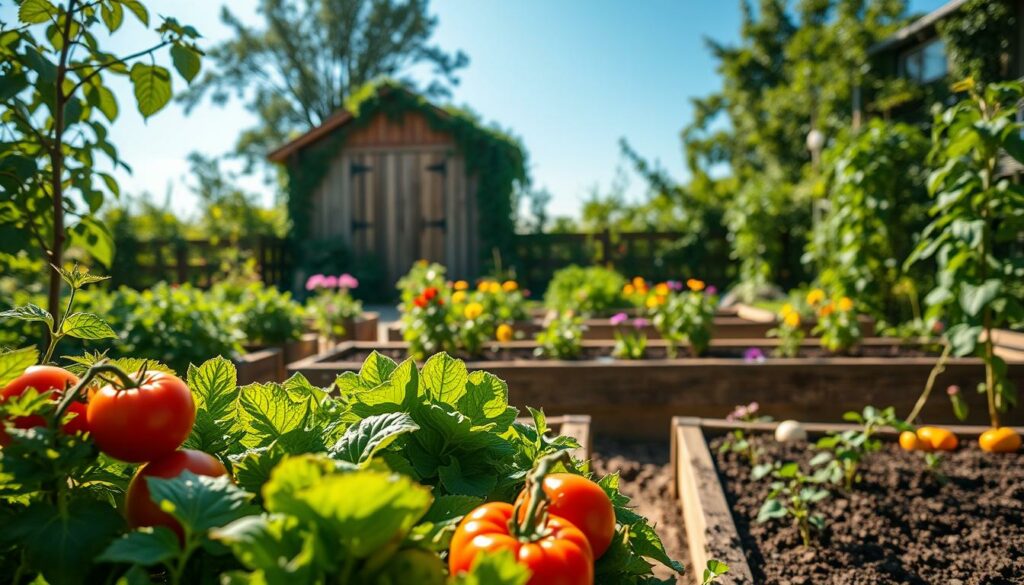
Organic vegetable gardening focuses on growing food while respecting soil life, biodiversity, and ecological balance. It uses natural inputs and favors ecological processes instead of synthetic fertilizers or pesticides. Practices include container gardens, raised beds, and large market gardens following USDA organic rules.
What is Organic Vegetable Gardening?
Organic vegetable gardening means managing soil health and ecosystem function to support plants naturally. Gardeners use compost, cover crops, crop rotation, and beneficial insects to help plants grow. This approach avoids synthetic chemicals and relies on natural methods to keep soil healthy and pests controlled.
Importance of Chemical-Free Foods
Eating chemical-free foods lowers exposure to synthetic pesticide residues. It also supports the health of pollinators. Communities gain cleaner water and richer soils when farms reduce chemical use. Families value produce that supports long-term health and environmental care.
Overview of Benefits
Organic gardening improves soil structure and nutrient cycling, which reduces long-term costs. Many gardeners find homegrown vegetables taste better and have more nutrients. Biodiversity rises as beneficial insects and soil microbes recover from less chemical use.
Gardeners build community by sharing knowledge and increasing local food security. Resources like extension services, Master Gardener programs, and USDA guidance help new growers learn effective methods. These resources teach composting, pest control, and seed choices for strong gardens.
| Aspect | Organic Approach | Practical Benefit |
|---|---|---|
| Soil Management | Compost, cover crops, crop rotation | Improves structure, moisture retention, and fertility |
| Pest Control | Beneficial insects, physical barriers, organic sprays | Reduces pest damage without synthetic toxins |
| Seed and Plant Choices | Heirloom and certified organic seeds | Preserves diversity and adapts to local conditions |
| Water and Runoff | Mulching and efficient irrigation | Limits erosion and protects groundwater |
| Community Impact | Workshops, shared gardens, local markets | Builds food literacy and local resilience |
Soil Preparation for Organic Gardening
Good soil is the first step for a healthy organic garden. Proper soil preparation helps roots grow strong and plants stay healthy. It also reduces pest problems.
This short guide gives practical steps for testing your soil quality and improving soil health. It shows how to pick organic soil amendments that support sustainable farming.
Testing Soil Quality
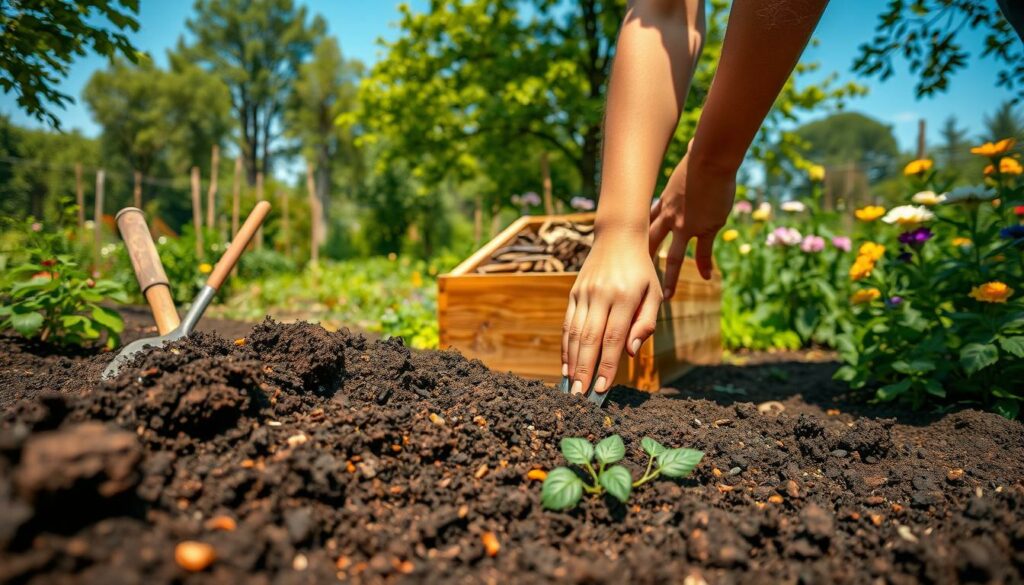
Home gardeners can test soil using DIY kits that check pH and basic nutrients. For more detailed results, mail samples to labs like Cornell Nutrient Analysis Lab or Texas A&M AgriLife. These labs report pH, macronutrients (N, P, K), micronutrients, organic matter, texture, and CEC.
These values help you choose the right amendments and prevent overuse. Always focus on pH first because most vegetables prefer 6.0–7.0.
Use lab advice to create an amendment plan that fits crop needs. Retest your soil every 2–3 years or after big soil changes.
Improving Soil Health
Building good soil structure and biology takes time. Adding compost and well-rotted manure feeds microbes and holds water better.
Plant cover crops such as clover, vetch, or rye to protect and improve soil. These crops also add organic matter and fix nitrogen.
Try to minimize tillage to keep soil aggregates and fungal networks intact. These help recycle nutrients.
Support earthworms and mycorrhizae by keeping soils moist and providing varied organic materials. For damaged soils, expect visible results in one season and big improvements over several years.
These organic gardening tips help build soil for the long term and lower the need for synthetic products.
Types of Organic Soil Amendments
Pick amendments based on soil tests and what your crops need. Compost and worm castings supply nutrients and helpful microbes broadly.
Aged manures like composted chicken or cow manure add nitrogen and organic matter. Make sure they are well processed to kill pathogens.
For certain nutrients, use bone meal or rock phosphate for phosphorus and kelp or seaweed for trace minerals. Greensand and rock dust add potassium and other micronutrients.
Blood meal and feather meal give fast or slow nitrogen release. Get materials locally if possible and choose certified organic when needed.
The table below summarizes common amendments, their benefits, and how to use them based on testing and farming goals.
| Amendment | Main Benefit | When to Use | Application Notes |
|---|---|---|---|
| Compost | Improves structure, adds microbes | Every season | Apply 1–3 inches as topdressing or incorporate into beds |
| Worm castings | Concentrated nutrients, microbial diversity | Seedlings, container mixes | Use 10–20% of potting mix or side-dress |
| Aged manure (composted) | Adds nitrogen and organic matter | Before planting or in fall | Apply 20–40 lbs per 100 sq ft, ensure full composting |
| Bone meal / Rock phosphate | Slow-release phosphorus | Bulbs, root crops, low-P soils | Follow lab rates; incorporate into planting holes |
| Kelp / Seaweed | Trace minerals, growth stimulants | Throughout growing season | Use liquid extracts for foliar feed or soil drench |
| Greensand / Rock dust | Slow-release potassium and micronutrients | Soils low in K or minerals | Apply in fall or before planting; rates per label |
| Blood meal / Feather meal | Fast or slow nitrogen | When soil test shows low nitrogen | Use blood meal sparingly; feather meal for longer release |
Careful soil testing combined with steady use of organic amendments creates sturdy beds. These beds support productive organic gardens.
These practices match organic gardening advice and help achieve sustainable farming goals over time.
Selecting Seeds for Organic Gardening
Choosing the right seeds sets the tone for success in organic vegetable gardening. This brief guide helps you pick seeds suited to your climate, soil, and home goals. It explains trade-offs, points to trusted suppliers, and outlines seed-starting methods for a healthy, chemical-free garden.
Heirloom vs. hybrid seeds
Heirloom varieties are open-pollinated and preserve flavor and genetic diversity. Gardeners who want to save seeds and build local strains favor heirlooms.
Hybrids, marked F1, are bred for uniformity, disease resistance, or higher yields. They perform well under stress but saved seed rarely grows true-to-type. Organic growers may use hybrids for specific problems and heirlooms for heritage taste.
Certified organic seed sources
Buy from reputable suppliers that list certification and seed origin. Well-known companies include Johnny’s Selected Seeds, High Mowing Organic Seeds, Seed Savers Exchange, and Baker Creek Heirloom Seeds.
Verify seed certification, regional adaptability, and germination rates before ordering. Local seed exchanges and community seed banks offer varieties adapted to nearby climates. Supporting these networks builds resilience and expands local organic resources.
Seed starting methods
Choose between direct sowing and starting seeds indoors. Direct sowing avoids transplant shock for root crops and beans.
Starting indoors helps get a jump on short seasons for tomatoes, peppers, and eggplants. Use peat-free seed-starting mixes to follow organic principles.
Bottom heat mats and LED grow lights help improve germination and seedling growth. Sterile mixes reduce risks of damping-off disease.
Hardening off seedlings prepares them for transplant into the garden. DIY options like cold frames, hotbeds, and mini-greenhouses protect starts and boost early yields.
Match seed starting methods to USDA hardiness zones and planting calendars for best results.
Quick comparison
| Choice | Strengths | Limitations |
|---|---|---|
| Heirloom | Flavor, seed saving, genetic diversity | Variable uniformity, sometimes lower disease resistance |
| Hybrid (F1) | Uniform crops, bred resistances, higher yields | Saved seed may not breed true, less genetic diversity |
| Certified organic seeds | No synthetic treatments, clear provenance | Higher cost, need to check regional fit |
| Direct sowing | Simple, less transplant shock | Shorter season crops only, weather dependent |
| Indoor starts | Season extension, better control | Requires equipment and care |
For organic vegetable gardening, balance flavor, resilience, and practicality when selecting seeds. Use certified organic seeds when possible. Consult organic gardening guides for timing and variety advice suited to your area.
Companion Planting in Organic Gardens
Companion planting brings harmony to organic vegetable gardening by working with natural systems. It uses plant diversity to control pests, improve pollination, and boost soil health. Gardeners who use these techniques often enjoy better yields and fewer pest problems.
Benefits of Companion Planting
Companion planting helps suppress pests by confusing or repelling them. It also attracts predators like lady beetles and lacewings. Legumes fix nitrogen, improving nutrient access for nearby vegetables.
Tall plants provide shade and windbreaks, creating better growing conditions for tender crops. Mixed beds increase biodiversity and promote pollination. Intercropping and dense planting make the most of small garden spaces while supporting sustainable practices.
Best Companion Plants
Tomatoes grow well with basil and marigolds. This combo reduces tomato hornworm and improves flavor. The Three Sisters—corn, beans, and squash—demonstrate how plants can share support and nutrients.
Lettuce planted with radishes grows faster. Radishes shade the soil and help keep pests away. Nasturtiums trap aphids, while calendula and alyssum attract beneficial insects that prey on pests.
Choose plants suited to your region from trusted seed companies like Baker Creek or Johnny’s Selected Seeds. This ensures plants thrive in local conditions.
Companion Planting Techniques
Intercropping places complementary plants close together. This uses light and root space efficiently. Trap cropping sets aside border rows to lure pests away from main crops. Push-pull strategies use repellant and attractant plants to move pests out of production areas.
Arrange plants in rows for easy access or blocks to support pollinators. Use guilds where a central crop is surrounded by nitrogen-fixers, herbs, and flowers. Stagger plantings to keep the garden covered year-round.
Monitor pest and beneficial insect activity regularly. Use companion planting as part of an integrated pest management plan. Adjust layouts based on seasonal changes and observations to protect your garden.
Pest Management in Organic Gardening
Keeping an organic garden healthy means smart pest control that favors balance over harsh sprays. Gardeners use hands-on care, habitat design, and targeted treatments. These protect crops while supporting good insects and soil life.
Below are practical tips for everyday organic gardening. Each method reduces pests yet keeps pollinators and beneficial insects safe.
Common Organic Pest Control Methods
Physical barriers like floating row covers and insect netting block many pests without using chemicals. Netting is great for brassicas and cucurbits during key growth stages.
Mechanical removal means hand-picking slugs at dusk and pruning damaged leaves to cut pest numbers fast. Cleaning up diseased leaves and fallen fruit breaks pest lifecycles.
Crop rotation and planting diverse species disrupt pest cycles. Timing planting to avoid peak pest times lowers damage and helps crop health.
Natural Predators and Beneficial Insects
Supporting predators offers long-term pest control. Lady beetles and lacewings feed on aphids. Parasitic wasps target caterpillars. Predatory nematodes attack soil grubs.
Attract native bees and hoverflies with insectary strips of buckwheat, cilantro, and umbellifers. Leaving brush piles and ground cover shelters beneficial insects.
Reduce disturbance by limiting broad-spectrum treatments. Natural gardening maintains these habitats. A strong beneficial insect community lowers the need for other pest controls.
Using Organic Pesticides
Organic pesticides include insecticidal soaps, horticultural oils, Bacillus thuringiensis (Bt) for caterpillars, spinosad for some pests, neem oil, and diatomaceous earth.
Follow label directions carefully. Apply treatments when least harmful to pollinators, such as in the evening. Spot-treat only affected areas and use non-chemical methods first.
Organic certification and regional rules list allowed pesticides. Gardeners should check product approval before using pesticides in organic systems.
| Approach | When to Use | Targets | Impact on Beneficials |
|---|---|---|---|
| Row covers & netting | Seedling to early growth | Beetles, moths, aphids | Low when removed for pollination |
| Hand-picking & pruning | Visible infestations | Slugs, caterpillars, beetles | None |
| Crop rotation & diversity | Season planning | Soil pests, host-specific insects | Supports beneficial insects |
| Insectary plantings | Perennial and annual borders | Attracts predators and pollinators | Highly positive |
| Insecticidal soap & horticultural oil | Spot treatment, soft-bodied pests | Aphids, whiteflies, mites | Moderate if used carefully |
| Bacillus thuringiensis (Bt) | Young caterpillar outbreaks | Caterpillars | Low for non-targets |
| Neem oil & spinosad | Persistent infestations | Leaf-chewers, some borers | Use sparingly to protect beneficials |
| Diatomaceous earth | Dry conditions; soil surface | Slugs, soft-bodied insects | Low with targeted application |
Watering Techniques for Organic Gardens
Water is key to an organic vegetable garden’s success. Good watering cuts plant stress and reduces diseases. It also helps steady growth in beds and containers.
Smart steps help growers match water to plant needs. These keep eco-friendly gardening as the main focus.
Efficient Irrigation Systems
Drip irrigation delivers water right to the roots with little waste. It suits raised beds and long rows well. Soaker hoses work for wide beds and dense plants, releasing water slowly over their length.
Micro-sprinklers cover wider areas, good for lettuces and brassicas. They must be placed carefully to avoid wetting leaves that can cause disease. Gravity-fed rain barrels provide off-grid water, pairing well with drip or soaker systems.
Basic installation uses filters to keep pipes clear and pressure regulators to protect tubes. Drip and soaker systems work well with mulch, which cuts evaporation and saves water.
Understanding Watering Needs
Seedlings need steady, gentle moisture until they grow roots. Transplants require regular water for a few weeks to settle. Mature plants need deep, less frequent watering to grow strong roots.
Root depth changes by crop. Tomatoes and peppers grow deeper roots than lettuces. Adjust watering by crop type and stage to avoid too much water or root rot.
Too much water shows as yellow leaves and soggy soil. Wilting and slow growth show not enough water. Tools like moisture meters or finger tests give quick checks. Watering schedules should change with hot or cool weather.
Water Conservation Strategies
Mulch with straw, wood chips, or compost to keep soil cool and moist. Group plants by water need, called hydrozoning, to reduce water waste.
Rain barrels and cisterns catch water for dry times. Adding organic matter to soil helps it hold more water, so you water less often.
Pick drought-tolerant plants when possible. Water in the early morning or late evening to cut evaporation. Follow local water rules and use reclaimed municipal water only when safe for your crops.
| System | Best Use | Pros | Cons |
|---|---|---|---|
| Drip irrigation | Row crops, raised beds | High efficiency, low evaporation, good for mulched beds | Initial cost, needs filters and maintenance |
| Soaker hoses | Wide beds, perennials | Simple setup, gentle release, affordable | Uneven flow if not installed level, can clog |
| Micro-sprinklers | Seedbeds, wide-cover crops | Even coverage, adjustable patterns | Leaf wetting risk, higher evaporation |
| Gravity-fed rain barrels | Small gardens, drought resilience | Off-grid supply, low operating cost | Limited volume, requires elevation for pressure |
| Mulch & soil improvement | All garden types | Boosts water retention, supports eco-friendly gardening | Requires regular replenishment |
Fertilization Strategies for Organic Vegetables
Good fertilization strategies balance immediate crop needs with long-term soil health. In organic vegetable gardening, choosing between quick-release nutrients and slow-feeding soil builders shapes yields, soil life, and environmental impact.
The following points help gardeners match inputs to goals while supporting sustainable farming practices.
Organic vs. Synthetic Fertilizers
Synthetic fertilizers supply nutrients in plant-ready forms that boost growth fast. They suit short-term corrections and large-scale input systems.
Repeated use can reduce microbial activity and raise the risk of nutrient leaching into water. That affects soil structure and long-term productivity.
Organic fertilizers release nutrients more slowly and feed soil microbes. Compost, aged manure, and other organic amendments improve aggregation, water retention, and nutrient cycling.
Organic approaches require planning and frequent soil testing to avoid short-term nutrient gaps for heavy-feeding crops.
Organic Fertilizer Options
Compost ranks first for building soil biology and providing a balanced nutrient base. Compost teas add soluble microbial life for quick uptake during growth phases.
Manures must be well-composted to reduce pathogens and salt issues. Poultry and cow manures differ in nutrient strength, so gardeners should follow label or extension guidance.
Granular mineral and plant-based products offer targeted nutrients: bone meal and rock phosphate for phosphorus, blood meal and feather meal for nitrogen.
Kelp and seaweed extracts provide trace minerals, and fish emulsion gives a fast organic boost.
Commercial OMRI-listed granular and liquid fertilizers give consistent analysis for those who want predictable rates while staying within organic certification rules.
Timing and Application Methods
Match timing and application to crop stages. Incorporate compost before planting to improve baseline fertility.
For fruiting vegetables, side-dress with compost or a balanced organic fertilizer during bloom and early fruit set.
Foliar feeds work well for micronutrient corrections and quick recoveries from deficiencies. Apply in cooler hours to reduce leaf burn risk.
Use gentle rates and repeat applications as needed rather than a single heavy spray.
Follow soil test recommendations and local extension advice to set rates and avoid over-application. Cautious dosing reduces runoff and protects water quality.
Protecting water quality is a key aspect of sustainable farming in vegetable systems.
- Pre-plant: Incorporate compost and slow-release amendments.
- Growing season: Side-dress during high demand; use foliar feeds for micronutrients.
- Record keeping: Track applications, yields, and soil test results to refine fertilization strategies.
Crop Rotation Practices
Crop rotation is key in organic vegetable gardening. It helps keep soil healthy and controls pests. This method stops nutrient loss and breaks weed cycles.
Gardeners using sustainable methods enjoy more consistent yields. They also use fewer chemicals over time.
Importance of Diverse Planting
Rotating plant families lowers insect and disease pressure on crops. For example, planting tomatoes and peppers in different years stops pests from growing.
Rotations also keep soil fertile by switching heavy feeders with nitrogen-fixing plants.
Practical Rotation Plans
A simple rotation plan groups crops by family. Use families like Solanaceae, Brassicaceae, Fabaceae, and root crops. Aim for a 3 to 4 year cycle without repeating families consecutively.
Gardeners should map beds and record plantings and harvest dates. These notes help manage rotations when space is limited or weather changes happen.
Best Practices for Small and Large Plots
Use cover crops and green manures to restore nitrogen and add organic matter. Deep-rooted plants like daikon radish break soil compaction and improve drainage.
Combine crop rotation with companion planting and sanitation to reduce diseases.
Small plots benefit from flexible methods. Container rotation, vertical trellising, and sequential plantings copy larger rotations. These methods offer many benefits even with limited space.
Using smart crop rotation supports strong, healthy beds. It also helps build long-term sustainable farming.
Seasonal Gardening Tips
Successful organic vegetable gardening relies on timing, routine care, and careful harvesting. This guide offers practical tips.
These tips match regional climates. They keep beds productive and preserve homegrown veggies’ quality.
Planting Seasons in Different Regions
Planting seasons vary across the United States according to USDA hardiness zones and local microclimates.
Cool-season crops like lettuce, kale, and peas grow best when sown in early spring or fall.
Warm-season crops such as tomatoes, peppers, and squash need warmed soil and should be planted after the last frost.
Consult local extension planting calendars and frost date calculators to refine your timing.
These tools match seed-start schedules and transplant dates to regional weather for better success.
Seasonal Maintenance Routines
Spring starts with bed preparation and soil amendments. Add compost and test soil pH for a strong foundation.
Start seeds indoors on a schedule that fits regional planting seasons.
In summer, mulch gardens, scout for pests regularly, and boost fertility with compost tea or manure.
Maintain consistent irrigation to reduce plant stress and prevent blossom drop in tomatoes and peppers.
Fall focuses on cleanup and cover cropping to protect soil health. Remove diseased plants and plant cover crops like winter rye.
Save seeds from healthy heirloom plants when appropriate.
Winter protection includes row covers and cold frames to extend harvest and shelter tender plants.
Using a seasonal checklist helps gardeners maintain steady care year-round.
Harvesting Tips for Organic Vegetables
Pick produce at peak ripeness to maximize flavor and nutrient content.
Frequent harvesting of beans and zucchini encourages continued production.
Use clean, sharp tools and practice sanitary handling to limit the spread of disease.
After harvesting, cool produce promptly. Wash gently, air dry, and store at proper temperatures to extend freshness.
Follow local food safety guidelines for handling homegrown vegetables before eating.
Preserve veggies by freezing, canning, or fermenting to reduce waste and use the abundance through slower months.
Regularly following harvesting tips keeps yields high and quality consistent in organic gardening.
Organic Gardening Challenges
Organic gardening offers both rewards and challenges. Gardeners face slower nutrient release and more hands-on pest control. They also learn to build healthy soil biology.
Practical advice can help turn obstacles into steady progress. This aids gardeners in reaching sustainable farming goals.
Common Challenges Faced by Organic Gardeners
New growers find organic inputs release nutrients slower than synthetic fertilizers. This requires careful planning and patience. Staggered planting helps match crop needs.
Pest outbreaks may feel overwhelming without conventional sprays. Integrated pest management and beneficial insects offer long-term control. Sourcing certified organic seeds can cost more and require effort.
Mitigating Soil Erosion and Degradation
Protecting topsoil is key for yield and resilience. Cover crops like clover and rye shield soil between plantings. Mulching reduces runoff and cools soil during heat waves.
On slopes, contour planting and terraced beds slow water movement. Reduced tillage preserves soil structure and supports mycorrhizal networks. Erosion-control blankets and dense groundcovers help vulnerable spots.
Dealing with Unpredictable Weather
Climate change requires flexible strategies for weather extremes. Choosing heat- and drought-tolerant plants helps keep harvests steady in dry spells.
Season extension tools like hoophouses protect plants from late frosts and storms. Mulch and added organic matter improve moisture retention. This reduces plant stress.
Diversifying crops spreads risk and aids recovery after extreme events. Installing windbreaks and using local forecast services increases readiness for harsh weather.
Patience and steady soil care guide gardeners through setbacks. Over time, these practices build resilient plots that fit sustainable farming principles.
Sustainable Practices in Organic Gardening
Organic vegetable gardening links backyard choices to wider sustainable farming goals. Gardeners who use sustainable practices save resources and protect biodiversity. They also keep soil healthy for the future.
Small changes add up when many people try climate-smart gardening and local stewardship.
Importance of Sustainability
Sustainability seeks to save water and energy while protecting habitats for pollinators and helpful insects. Gardeners who focus on long-term soil health grow stronger crops. This reduces the need for extra chemical inputs.
Connecting organic vegetable gardening to regional sustainable farming programs improves standards and shares best practices.
Eco-Friendly Gardening Practices
Start with composting and saving seeds for eco-friendly gardening. Compost adds nutrients to the soil and lowers landfill waste. Native plants and pollinator-friendly species attract local wildlife and need less care.
Use renewable materials like cedar or reclaimed wood for beds and containers. Choose organic amendments and attract natural predators to reduce synthetic inputs. Programs like USDA Organic and Sustainable Agriculture Research & Education guide and certify committed growers.
Reducing Waste in the Garden
Gardeners can reduce waste by turning kitchen scraps into rich compost or starting worm farms. Collecting rainwater and reusing reclaimed containers lowers resource use. Buying seeds and soil amendments in bulk cuts packaging waste.
Sharing in the community helps reduce surplus food and extra supplies. Neighborhood exchanges and local co-ops keep food local and strengthen community bonds. DIY projects like building compost bins or biodegradable seed pots save money and cut waste.
| Practice | Action | Benefits |
|---|---|---|
| Composting | Collect kitchen scraps and garden clippings; manage aerobic piles or tumblers | Improves soil structure, feeds microbes, reduces landfill waste |
| Rainwater Harvesting | Install barrels or cisterns to capture roof runoff | Reduces municipal water use, lowers irrigation costs |
| Native Planting | Choose pollinator-friendly and region-adapted species | Supports biodiversity, lowers water and fertilizer needs |
| Repurposing Materials | Use reclaimed wood, recycled containers, or biodegradable pots | Reduces waste, extends material life, promotes low-cost builds |
| Seed Saving & Bulk Buying | Collect heirloom seeds; purchase staples in larger quantities | Preserves seed diversity, cuts packaging and long-term costs |
| DIY Gardening Projects | Build worm farms, compost bins, and raised beds from cedar | Empowers gardeners, reduces purchases, supports sustainable practices |
Conclusion: The Future of Organic Vegetable Gardening
The future of organic gardening shows a move toward smarter and more community-focused growing methods. Research from the Rodale Institute and university trials proves soil-building methods increase yields and restore ecosystems. At the same time, demand for chemical-free produce pushes suppliers and gardeners toward new standards.
Trends and Innovations in Organic Gardening
New trends include more access to certified organic seeds from suppliers like Johnny’s and High Mowing. Urban agriculture and vertical gardening allow more growing space in cities. Regenerative small-scale practices, precise irrigation with soil moisture sensors, and low-impact organic tools are improving garden performance.
These trends make organic gardening more productive and easier to access.
The Role of Community in Organic Gardening
Community gardens and local groups are key to sharing skills and seed stock. Seed libraries, Cooperative Extension offices, Master Gardener programs, and farmers’ markets provide knowledge, plant exchanges, and support. Joining a community-supported agriculture group or garden club helps share tools, trade extra produce, and learn practical advice.
Encouraging Organic Gardening Practices
To start organic gardening, begin small: test your soil, set up a raised bed or container, and choose regionally adapted organic or heirloom seeds. Build a compost system to enrich your soil. Use integrated pest management and keep a garden journal to see what works.
Resources from USDA, Cooperative Extension, Rodale Institute, and trusted seed suppliers can guide you. These small actions add up to better health, more biodiversity, and stronger local food security over time.