

Nearly 70% of American homeowners say improving their outdoor space made them use their yard more often.
This shows that thoughtful backyard garden design changes how people live at home.
This short guide shows how to turn a small or moderate yard into a functional, attractive garden.
It covers ornamental beds, backyard vegetable garden layout, integrated hardscape, water features, lighting, furniture, and sustainable practices.
The aim is practical: step-by-step advice homeowners in the United States can use now.
The phrase backyard garden design means arranging plants, paths, and structures so the space looks good and works well.
It includes softscape choices like perennials and native plants, hardscaping such as patios and walkways, and details like lighting and seating.
Readers include homeowners, renters with permission to modify outdoor space, and DIY enthusiasts.
By following the guide, they will plan space, pick plants for local climates, design for flow and accessibility, add practical hardscape elements, and keep the garden thriving through the seasons.
To get the most from this resource, start with the basics and planning sections.
Then use targeted chapters for tasks such as adding a water feature, choosing lighting, or applying sustainable practices.
Those seeking backyard garden inspiration, modern backyard design, landscaping for small spaces, or budget-friendly outdoor landscaping ideas will find focused strategies later in the article.
Key Takeaways
- Backyard garden design improves daily life and home use.
- The guide covers plants, hardscape, lighting, and sustainable choices.
- Design work applies to small yards, moderate yards, and renter-friendly changes.
- Start with planning and move to specific sections for tasks like water features and lighting.
- Find backyard garden inspiration and budget-friendly outdoor landscaping ideas throughout the article.
Understanding the Basics of Backyard Garden Design
Good backyard garden design starts with clear choices. A homeowner should know if the space is for entertaining, growing food, supporting wildlife, or improving curb appeal.
Early decisions shape plant selection, hardscaping, and long-term upkeep.
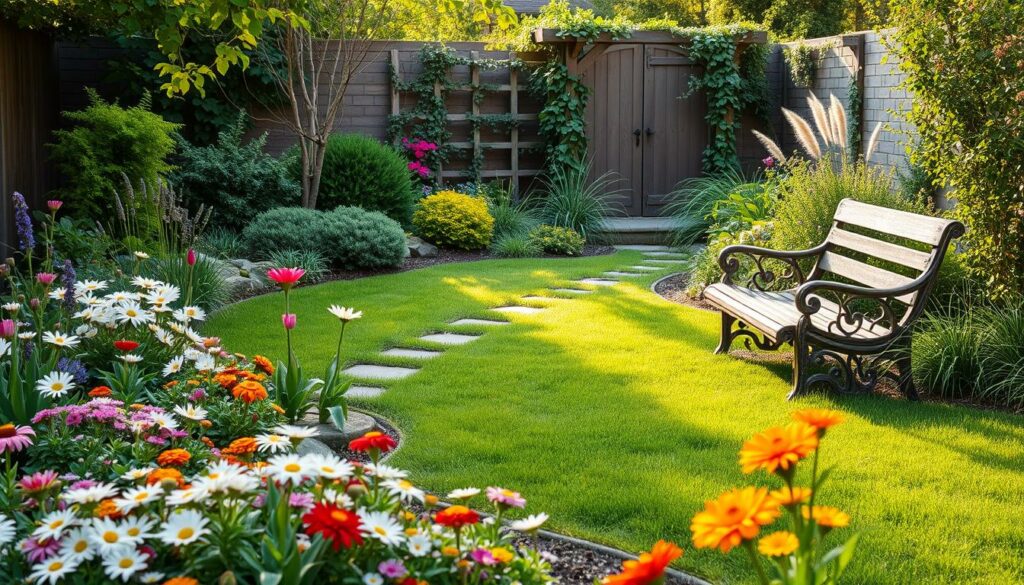
Site analysis is essential. Assess sunlight patterns, soil type, drainage, slope, wind exposure, and existing trees or structures.
Simple tools such as a sun-dip sketch or apps like Sun Seeker help map light and guide plant placement.
Checking local codes and homeowner association rules avoids surprises with fences, structures, or water features.
Budget and timeline affect scope. Breaking the project into phases spreads costs and labor.
Many homeowners begin with core elements, then add plantings and decor over seasons.
Setting a realistic budget prevents rushed choices that raise maintenance demands later.
Importance of Planning
Planning forces clarity about goals and constraints. It helps match design intent to real site conditions and personal needs.
When a plan includes expected maintenance, the result feels cohesive and lasts longer.
Permits and local guidelines matter. Small projects may not need approval, but decks, large sheds, and some water features commonly trigger permits.
Confirming rules early saves time and money.
Key Elements to Consider
Scale and proportion should fit the home and yard size. Oversized trees or wide patios can overwhelm compact yards.
Thoughtful sizing improves balance and comfort.
Color, texture, and form create interest through the year. Combine foliage colors, stagger bloom times, and mix plant shapes to maintain visual flow.
These choices support many outdoor landscaping ideas.
Function and circulation clarify how people move and use the space. Define paths, seating areas, and play or work zones.
This makes movement safe and intuitive. Non-slip surfaces and accessible transitions extend usability for all ages.
Maintenance level influences plant choices and irrigation systems. For low-maintenance yards, prioritize native perennials and drip irrigation.
This suits landscaping for small spaces and larger suburban plots where time or budget for upkeep is limited.
Accessibility and safety complete the basics. Include clear walkways, consider universal design features, and select durable materials that reduce slipping and tripping risks.
Thoughtful design makes the backyard more inviting and practical.
Choosing the Right Plants for Your Garden
Selecting plants shapes the long-term look and care needs of a yard. Thoughtful choices add structure, color, and provide habitat for wildlife. Garden designers should balance permanent plants with seasonal ones to keep interest year-round.
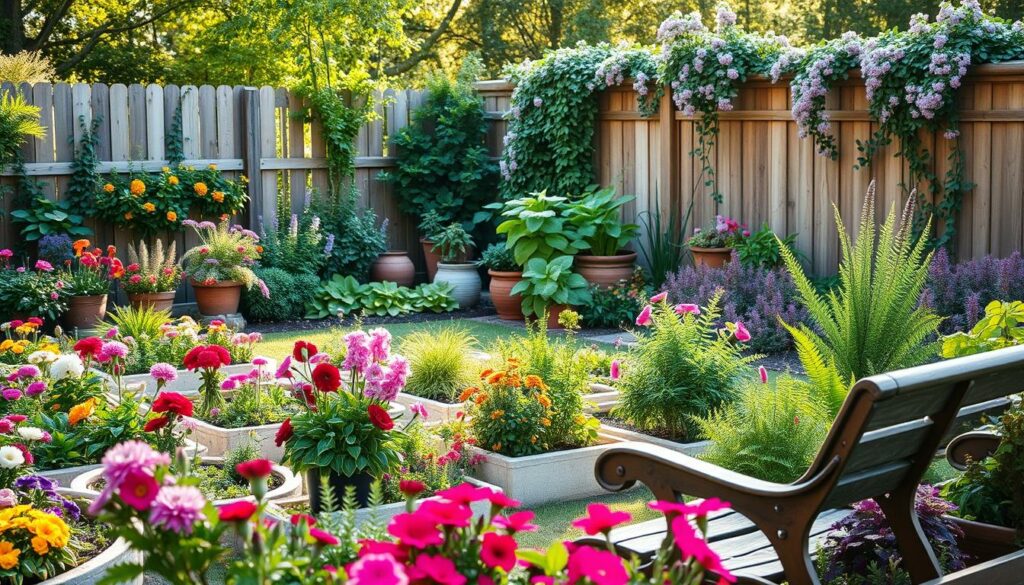
Perennials return each season and form the bones of a garden. Examples include Echinacea, Salvia, and Hostas. They reduce costs over time and build a steady framework for growth.
Perennials require time and care initially while their roots establish. Annuals bloom for a single season and bring instant color. Petunias and marigolds are classic choices for quick impact.
Gardeners who like change use annuals to refresh colors every year. This suits small gardens that need seasonal color without large plantings. Pairing perennials with annuals creates a flexible plan to highlight different seasons.
Use bulbs like tulips and daffodils for early spring interest. Sturdier perennials offer midseason structure. Annuals fill gaps with bright accents and help maintain a steady bloom sequence.
Native plants match the local climate and soil, so they thrive with less water. In the Midwest, Black-eyed Susan and Butterfly Weed perform well. California poppy and manzanita fit Western landscapes, while Eastern redbud and serviceberry thrive in the East.
Local extension services, the USDA Plant Hardiness Zone map, and the Native Plant Trust offer region-specific lists and nursery advice. Choosing natives supports pollinators and cuts maintenance for practical gardeners.
Color planning goes beyond single peak blooms. Start with early bulbs, then late spring shrubs. Follow with summer perennials and finish with asters and sedums in the fall. Evergreens, ornamental grasses, and bark add structure during winter.
Foliage color and texture keep a garden lively when flowers are rare. Variegated leaves, silver Artemisia, and evergreen shrubs supply contrast. Repeat key colors and textures to create rhythm. Use contrasting hues as focal points to draw the eye.
| Plant Type | Benefits | Considerations |
|---|---|---|
| Perennials (Echinacea, Salvia, Hostas) | Long-lived structure, lower long-term cost, reliable return each year | Initial establishment time, slower instant impact |
| Annuals (Petunias, Marigolds) | Immediate color, flexible seasonal change, easy to replace | Requires replanting yearly, higher recurring cost |
| Bulbs (Tulips, Daffodils) | Strong early spring show, low maintenance after planting | Seasonal; limited to spring display |
| Native Plants (Black-eyed Susan, California Poppy, Eastern Redbud) | Drought tolerance, supports pollinators, low maintenance | Region-specific choices; verify hardiness zone |
| Ornamental Grasses & Evergreens | Winter structure, texture, low water needs | Some species spread aggressively; choose carefully for small backyard gardens |
Planning the Layout of Your Garden
Good layout starts with clear measurement and a simple plan. A thoughtful approach helps any backyard garden design feel arranged.
It also makes the garden easy to maintain. Small, separate tasks help manage the process. This improves long-term garden use.
Measuring Your Space
Measure property lines, patios, sheds, trees, and utilities using a tape or laser measure. Use smartphone apps or graph paper for a scaled base map.
Mark sun and shade patterns at different times to place plants where they will do best. Note fixed features like drainage and existing beds.
A clear base map prevents surprises when installing edging, raised beds, or a vegetable garden near the kitchen door.
Designing Garden Zones
Divide the yard into zones: dining, kitchen garden, play area, relaxation nook, and service for compost and tools. Size zones based on use and proximity.
Place the vegetable garden near the house for quick harvests. Use hedges, low walls, or paving changes to define areas while keeping visual links.
Flow and Accessibility
Plan main paths 3–4 feet wide for comfortable two-way movement. Secondary paths can be narrower to save space. Arrange walkways to lead to focal points like trees or water features.
Design for accessibility: use level surfaces, gentle slopes, and wider routes for mobility aids. Good landscaping includes efficient paths, clear sightlines, and easy zone access.
Incorporating Hardscaping Elements
Hardscaping anchors a garden. It defines paths, frames seating, and sets the stage for plants.
Thoughtful hardscape choices turn outdoor landscaping ideas into lasting experiences. These work well for modern backyards and cozy small gardens.
Types of Hardscape Materials
Natural stone like flagstone and bluestone offers durability and a refined look. Pavers and brick provide clean lines for formal layouts.
Gravel and decomposed granite are budget-friendly. They also promote water permeability. Concrete can be smooth or stamped for pattern, while treated timber adds warmth.
Each material has trade-offs. Stone and pavers cost more but last longer. Timber needs maintenance. Loose aggregates require edging.
Permeable pavers and reclaimed materials reduce runoff and environmental impact. These options fit well with water-wise planting and local U.S. codes.
They suit diverse outdoor landscaping ideas without sacrificing style.
Paths and Walkways
Design paths along natural desire lines so people move comfortably. Match material to garden style: linear pavers for a contemporary feel, irregular stone for cottage mood, gravel for informal routes.
Proper drainage and a compacted base prevent settling and puddles. Edge restraints and non-slip finishes increase safety.
For narrow yards, linear pavers or raised boardwalks visually lengthen space and suit small backyard gardens. Stepping stones in lawn create light, informal circulation that preserves green area.
Focal Points in the Garden
Focal points draw the eye and organize a landscape. A specimen tree, sculptural element, pergola, or water feature can anchor views.
Place these features at the end of a path or where sightlines meet. This creates a sense of arrival.
Scale matters; large sculptures can overwhelm compact courtyards. Repetition of materials or consistent colors ties focal elements into the whole plan.
Use lighting to highlight texture and form after dusk. This emphasizes both modern and intimate garden settings.
Creating a Water Feature
Adding water brings motion and calm to backyard garden design. A fountain, pond, or rain garden can lift a small urban yard. The right choice depends on space, budget, and the mood the owner wants.
Types of Water Features
Small-scale options suit compact lots. Birdbaths, bubblers, and container fountains fit patios and raised beds. They use little wiring and provide instant backyard garden inspiration.
Mid-scale features add presence. Pondless waterfalls, koi ponds, and small ponds with bog plants invite wildlife. They complement garden planting and many outdoor landscaping ideas.
Integrated systems create dramatic statements. Reflective ponds, formal pools, and rain gardens manage runoff while giving modern lines. These need pumps, electrical needs, and child safety plans.
Benefits of Water in Garden Design
Water adds sensory appeal. The sound masks street noise and invites birds and pollinators. Reflections make garden beds and paths feel larger.
Microclimate effects help plant health. Water surfaces cool air and raise humidity for shade-loving plants. Designers use this to expand plant choices in backyard gardens.
Water features improve focal points. A reflective pond or bubbling urn anchors seating areas. They guide flow in outdoor landscaping ideas.
Maintenance Tips for Water Features
Routine tasks keep systems reliable. Clean filters, check pumps, and remove debris weekly in warm months. Winterize parts and empty containers in freezing climates.
Water quality matters for longevity. Use beneficial bacteria, add aquatic plants to balance nutrients, and provide shade to limit algae growth.
Safety and durability matter. Install pumps on GFCI outlets, inspect liners for leaks, and secure edges to prevent slips. Proper setup reduces repairs and keeps the feature lasting.
Using Lighting in Garden Design
Thoughtful lighting turns a backyard garden into an inviting place at night. It guides movement, frames focal points, and sets mood. A simple plan balances energy use, safety, and beauty to fit modern or cottage-style gardens.
Types of Outdoor Lighting
Low-voltage LED fixtures last long and use little energy. Solar lights are easy to place and need no wiring. Their brightness depends on the location.
Line-voltage systems offer strong light for large patios or terraces. Common types include path lights, spotlights, wall washers, step lights, string lights, and in-ground uplights. Timers, dusk-to-dawn sensors, and smart home devices like Philips Hue or Lutron provide easy control and save energy.
Highlighting Key Features
Accent lighting adds drama to trees and architectural details. Uplighting creates bold silhouettes. Backlighting makes soft halos behind plants and screens.
Layered lighting uses ambient, task, and accent lights for a balanced night look. Dining areas need task lighting. Pathways require low, even light for safety.
Warm LED colors between 2700K and 3000K create a cozy glow. Cooler tones highlight metal, stone, and modern garden elements.
Safety and Ambiance
Place lights at steps, edges, and slopes to prevent accidents. Use fixtures rated for wet places. Plan for cleaning and bulb changes to keep lights reliable.
Reduce light pollution by pointing lights downward, adding shields, and using timers. Good placement protects neighbor relations and boosts the garden’s ambiance.
Adding Garden Furniture and Accessories
A well-chosen mix of furniture and accessories turns a planted space into a living room outdoors.
This part covers seating options, practical choices for long-lasting pieces, and creative accents to personalize a backyard garden design.
You can do this without overspending.
Choosing Comfortable Seating
Benches, chaise lounges, dining sets, hammocks, and built-in seating give homeowners options for relaxation and entertaining.
Teak and aluminum balance comfort with durability in many climates.
Cushions should use outdoor fabrics like Sunbrella to resist UV and mildew.
Removable cushions make cleaning and storage simple. This helps keep furniture looking fresh year after year.
Practical Considerations for Outdoor Furniture
Scale and arrangement matter.
Place seating to encourage conversation and keep clear sightlines to focal points such as a water feature or specimen plant.
Choose rust-resistant hardware and materials suited for the local climate.
For example, use cedar for humid areas and powder-coated aluminum for coastal yards.
Storage solutions can include covers, deck boxes, or a compact shed.
In small backyard garden design, foldable or stackable pieces free up space during off seasons.
They keep the yard functional for entertaining.
Decorative Accessories and Enhancements
Rugs, planters, throw pillows, and pergolas define zones and introduce texture.
Pick items rated for outdoor use to avoid quick wear.
Functional accessories expand use: umbrellas and shade sails add comfort, fire pits extend evenings outdoors, and compact outdoor kitchens boost entertaining potential.
Always follow local codes for open flames.
Budget-conscious homeowners can use DIY garden projects like painted planters, pallet seating, or repurposed crates.
These ideas add personality while keeping costs low.
This supports a budget-friendly garden design without sacrificing style.
Engaging with Sustainable Practices
Thoughtful choices can turn a backyard into a resilient, low-maintenance space that feels lush. Simple shifts toward sustainable garden practices keep plants healthy and cut resource use.
These changes also inspire neighbors and friends with beautiful backyard garden ideas.
Composting and Organic Gardening
Home composting turns kitchen scraps and yard trimmings into rich soil amendment. Options include bin composting, tumblers, and vermiculture with red worms.
Each method suits different yard sizes and effort levels.
Using compost and organic fertilizers improves soil structure. It also reduces the need for synthetic inputs.
Rotating vegetable crops and encouraging biological controls like ladybugs lower pest problems and support plant health.
Soil testing through local extension services helps guide pH and nutrient adjustments. Building soil with compost and cover crops boosts long-term fertility and supports smart garden design.
Water Conservation Techniques
Efficient irrigation saves water and keeps plants healthier. Drip systems and soaker hoses deliver moisture directly to roots, cutting waste from overhead sprinklers.
Smart controllers from brands like Rachio and RainMachine adjust watering based on weather, reducing overwatering.
Mulching with wood chips or shredded bark lowers evaporation, suppresses weeds, and moderates soil temperature.
Rain barrels and small cisterns capture runoff for later use. Permeable paving and rain gardens help manage stormwater on site, creating attractive solutions for garden inspiration.
Attracting Beneficial Wildlife
Planting native nectar sources such as Monarda, Asclepias (milkweed), and Salvia supports bees, butterflies, and native pollinators.
Seasonal blooms provide continuous food for wildlife through the year.
Adding birdhouses, native shrubs, logs, and a shallow water source creates habitat for insect predators and birds that control pests naturally.
Avoiding broad-spectrum insecticides protects these helpful species.
These steps blend practicality and beauty. They offer gardeners a clear path to sustainable practices that enhance backyard garden design.
Seasonal Maintenance for Your Garden
A steady maintenance routine keeps a backyard garden design healthy and productive all year long. Seasonal tasks protect plants and preserve soil health. They also make spring projects easier.
The following outline offers practical steps for each season. It provides backyard garden inspiration for gardeners at any level.
Spring Preparation
Begin by cleaning beds and removing dead material. Prune broken branches. Divide crowded perennials to renew vigor.
Test soil pH and add compost to improve texture and fertility. Prepare raised beds for early planting. Cool-season crops like lettuce and peas do well early.
Refresh mulch to conserve moisture and suppress weeds. Inspect irrigation systems. Repair leaks before the main growing season.
Watch for pests and diseases as plants emerge. Use row covers for vegetable seedlings when needed to protect tender growth.
Summer Care Tips
Water deeply in the early morning to encourage strong roots. Drip systems reduce evaporation. Mulch helps conserve moisture during heat waves.
Provide shade for vulnerable plants during extreme heat. Check trunks and leaves for sunscald. Move potted plants if needed.
Deadhead spent flowers to promote rebloom and keep borders colorful. Check stakes and supports after storms. Harvest vegetables regularly to prolong production.
Fall and Winter Maintenance
Plant spring-blooming bulbs and collect seeds from reliable plants. Prune select shrubs after blooming. This shapes growth without cutting next year’s flowers.
Add a layer of compost to feed soil over winter. Protect tender plants with burlap wraps or extra mulch before hard freezes.
Drain irrigation lines and winterize systems to prevent freeze damage. Store cushions and gardening tools in a dry place to extend their life.
Use the quieter winter months to evaluate your garden design. Order seeds and plan spring projects that take advantage of early planting.
| Season | Key Tasks | Tools & Supplies |
|---|---|---|
| Spring | Clean beds, prune, divide perennials, test soil, refresh mulch, inspect irrigation | Pruners, soil test kit, compost, mulch, row covers |
| Summer | Deep watering, shade for plants, deadhead, check supports, regular harvest | Drip system, soaker hoses, shade cloth, garden stakes, harvesting tools |
| Fall | Plant bulbs, collect seeds, prune where appropriate, add compost | Bulbs, seed envelopes, compost, pruning shears |
| Winter | Protect tender plants, winterize irrigation, store cushions and tools, plan next year | Burlap, extra mulch, spigot covers, storage bins, seed catalogs |
DIY vs. Hiring a Professional Designer
Choosing between hands-on work and hiring a professional affects the look, cost, and timeline of a backyard project. Homeowners weigh their skills, time, and goals when planning garden designs. Starting with clear priorities helps avoid costly mistakes.
Pros and Cons of Each Approach
DIY garden projects save money and give owners control over every detail. They offer the joy of building by hand and allow phasing the work over months or years. Small mistakes cost little and teach useful skills.
DIY can slow progress when tasks get complex. Poor drainage, heavy grading, and structural work need skills beyond weekend projects. Limited tools and time can stretch a project longer than planned.
Hiring a professional brings design training, plant knowledge, and contractor connections. Landscape designers create plans that avoid common pitfalls. Professionals handle permits and manage trades to speed large installations.
The main drawback is cost. Fees and contractor rates raise the initial budget. But long-term value often offsets expenses by avoiding rework and preserving property value.
When to Seek Professional Help
Call a pro for complex grading, major tree removal, retaining walls, or when permits are required. Electrical or plumbing for lighting and water features needs licensed contractors.
Landscape designers manage layout, plant choices, and aesthetic flow. Landscape architects handle large sites, drainage, and engineered structures. Always check licenses, insurance, and past work before hiring.
Start finding reliable professionals with local referrals and portfolios. The American Society of Landscape Architects lists members and recent projects to match style and scale.
Budget Considerations
Budget breakdowns show where money goes: design fees, hardscape materials and labor, plants and irrigation, lighting, water features, and maintenance. Prioritize funds for soil improvement and irrigation first to ensure long-term health.
Phase the work to keep costs manageable. Focus on essentials first, then add decorative elements later. This approach blends professional help with phased DIY work.
Save money by choosing nursery-grade plants, reusing pavers or timber, and using prefab items like modular planters. Many homeowners buy a master plan, then do DIY projects to stay within budget.
| Item | Typical Cost Range (USD) | DIY vs Professional |
|---|---|---|
| Design & plan | $300–$5,000 | Hire for master plan; DIY for minor sketches |
| Soil improvement & irrigation | $200–$3,000 | DIY possible; pros save time and ensure coverage |
| Hardscaping (patios, walls) | $1,000–$20,000+ | Professional recommended for structural work |
| Planting (trees, shrubs, perennials) | $100–$4,000 | DIY or hire for complex palettes |
| Lighting & water features | $250–$10,000 | Licensed contractors for electrical/plumbing |
| Maintenance (annual) | $200–$2,000 | DIY reduces cost; pros for seasonal care |
Trends in Backyard Garden Design
Designers and homeowners combine style, function, and sustainability to reshape outdoor spaces. Modern backyard design favors clean lines and simple plant palettes.
Cottage and native gardens offer layered plantings and provide habitat for pollinators. Mediterranean and drought-tolerant plans use gravel beds, succulents, and lavender to reduce water use.
Multifunctional spaces blend food production, entertaining, and play to maximize smaller yards.
Popular Styles to Explore
Minimalist layouts use concrete, steel, and restrained greenery for an urban feel perfect for small properties. Cottage and native styles focus on biodiversity with dense planting and informal paths.
Mediterranean-inspired gardens and succulents lower irrigation needs and create a relaxed look. Mixing styles helps the garden support meals, play, and quiet moments.
Incorporating Technology in Gardens
Smart irrigation uses weather-adaptive controllers and soil moisture sensors to save water and time. App-controlled lighting, motion sensors, and timers enhance safety and mood while using less energy.
Garden tech like robotic mowers and plant-care apps automates routine tasks. Online design tools help visualize layouts before starting installation.
These systems blend well into backyard garden designs without overpowering the landscape.
Future-Proofing Your Garden Design
Resilience means choosing drought- and heat-tolerant plants, improving soil to hold water, and planning drainage for heavy storms. Flexible patios and adaptable planting beds let spaces change as needs evolve.
Low-maintenance plans use native plants, efficient irrigation, and durable materials to cut long-term work and costs. Mixing aesthetics, function, sustainability, and budget creates outdoor landscapes that endure and grow with the household.