

Did you know a backyard can produce up to 10 pounds of strawberries per square yard in good seasons? This yield makes growing strawberries at home a smart choice. You get fresh, flavorful fruit without supermarket chemicals.
This strawberry care guide gives practical, evidence-based steps for growing strawberries. It covers variety selection, site choice, soil preparation, planting, and ongoing care. The focus is on producing sweet, disease-free fruit and maximizing yields while keeping work low-maintenance.
Homegrown berries taste better than store-bought ones. You control pesticide use and can grow strawberries in beds or containers. The guide also explains timing, soil pH targets (5.5–6.8), and sunlight and drainage needs.
This primer suits home gardeners, container gardeners, and urban growers. It uses standard horticultural advice and includes common U.S. suppliers and resources. You will find clear steps and practical tips to use right away.
Key Takeaways
- Homegrown strawberries taste better and let gardeners control pesticide use.
- Proper site choice—full sun and well-drained soil—boosts yields.
- Maintain soil pH between 5.5 and 6.8 for best results.
- Strawberries can thrive in beds or containers, making them ideal for urban gardens.
- Following a straightforward strawberry care guide increases chances of a healthy, productive patch.
Understanding Strawberry Varieties
Choosing the right strawberry varieties helps gardeners match plants to climate, harvest goals, and garden space.
This guide outlines the main types and what each offers for readers to decide which strawberries to grow.
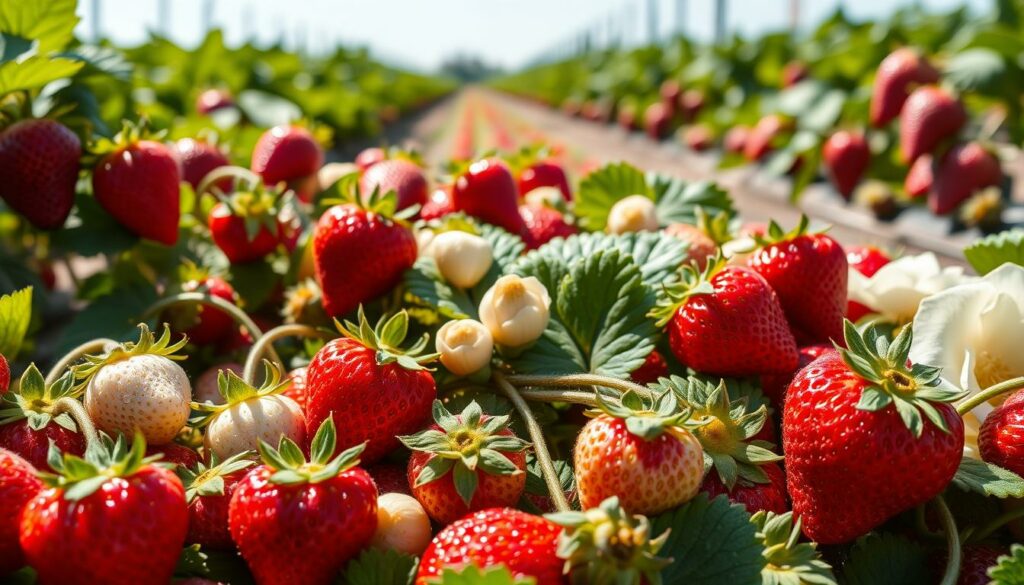
June-bearing types produce one large crop in late spring to early summer. Yields peak in the second year, which makes them ideal for preserves and traditional beds.
Popular choices include ‘Earliglow’, ‘Allstar’, and ‘Honeoye’. Gardeners who want a single abundant harvest and strong flavor often select these plants.
Ever-bearing cultivars yield two to three smaller harvests, commonly in spring and fall. Varieties such as ‘Quinault’ and ‘Ozark Beauty’ provide staggered picking without continuous flowering.
These types suit gardeners who want multiple pickings but prefer lower maintenance than constant harvests.
Day-neutral strawberries fruit throughout the season while temperatures stay moderate, roughly 35–85°F for reliable flower set. ‘Albion’ and ‘Seascape’ represent this group.
Day-neutral plants are good for containers and those wanting to grow strawberries for a longer time.
Matching cultivar to USDA hardiness zones improves success. June-bearing varieties thrive in cooler zones, while ever-bearing and day-neutral types do better in mild climates.
Choose certified disease-free bare-root plants or healthy plugs and consider runners to expand beds.
All types benefit from pollinator activity and proper spacing to boost fruit size and set.
Following best practices for spacing, watering, and soil care will improve yields regardless of variety.
| Type | Harvest Pattern | Ideal Use | Example Varieties | Best Zones |
|---|---|---|---|---|
| June-bearing | Single large crop (late spring–early summer) | High-volume harvests, preserves, traditional beds | Earliglow, Allstar, Honeoye | Cooler climates (northern and temperate zones) |
| Ever-bearing | Two to three smaller crops (spring and fall) | Staggered picking, low continuous bloom | Quinault, Ozark Beauty | Milder regions with moderate seasons |
| Day-neutral | Continuous fruiting while temperatures allow | Extended harvests, containers, maximize yields | Albion, Seascape | Wide range; especially mild climates |
Choosing the Right Location
Picking the right site sets the foundation for healthy berries and easier strawberry plant care. A good spot balances sun, soil, and airflow to boost yield and cut disease risk.
Sunlight Requirements
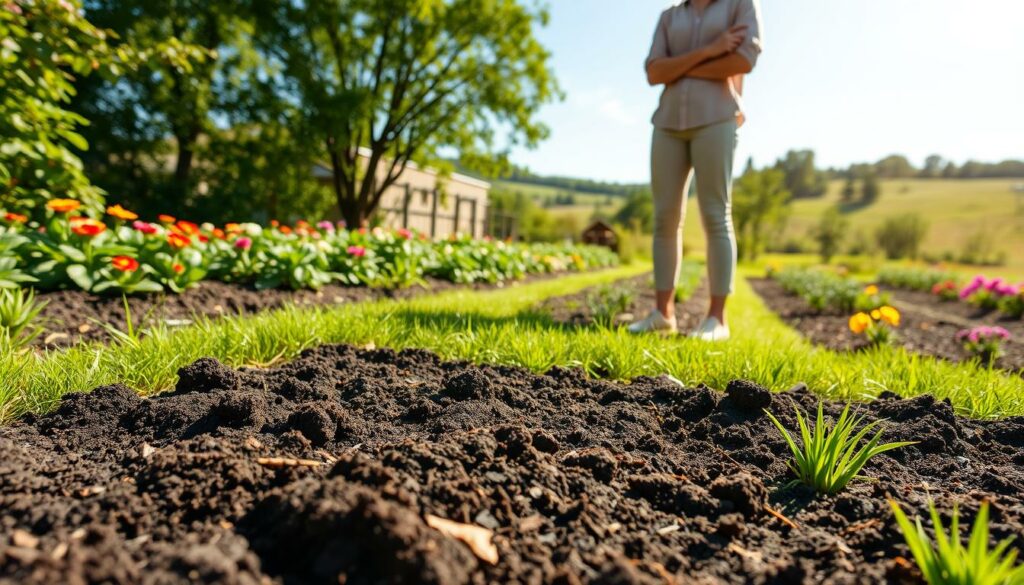
Strawberries need 6–8 hours of direct sun each day to grow well. Full sun increases sugar in the fruit and supports strong growth. Day-neutral types can handle less sun but still grow best with plenty of light.
Soil Quality Considerations
Ideal beds are loamy and rich in organic matter. Aim for 2–4% organic content and a pH near 5.5–6.8.
Poor soil can be fixed with compost, well-rotted manure, or commercial amendments. This improves soil quality for growing strawberries.
Avoid heavy clay or washed-out sand unless you make changes. Raising beds and adding organic matter improves nutrient content and root health for long-term care.
Drainage Needs
Excellent drainage prevents root rot and crown disease. Avoid planting in low spots that collect water. Use raised beds or mounded rows when soil is compacted or clayey to keep roots drier and healthier.
Place beds near a water source and the kitchen for convenience. Avoid recent tomato, pepper, or potato plots to reduce soil-borne disease risks when choosing location to grow strawberries.
Preparing the Soil
Good strawberries start with well-prepared ground. Gardeners should check fertility, structure, and pH before planting. Simple steps now stop problems later and support higher yields.
Testing Soil pH
Gardeners can test soil pH by sending samples to their County Extension lab or using a reliable home kit. Labs provide results for pH and nutrients (N, P, K). They also offer recommendations that fit local soils and climate.
Ideal pH for healthy fruit is between 5.5 and 6.8. Low pH can be raised by lime; high pH can be lowered by sulfur. Make adjustments weeks before planting to let soil stabilize.
Amending Soil Nutrients
After testing soil, amending nutrients is the next step. Add 2–4 inches of compost or aged manure into topsoil to boost organic matter and micronutrients.
A light starter fertilizer like 10-10-10 can help at planting if the test advises. Organic options are poultry manure, blood meal for nitrogen, and bone meal or rock phosphate for phosphorus. Mycorrhizal inoculants improve root health in poor soils.
Avoid heavy feeding that makes leaves grow too much instead of fruit. Follow test rates and space feeding over the season for steady nutrient supply. This is a key strawberry growing tip.
Tilling Techniques
Choose tilling that protects soil structure. Loosen soil to 8–12 inches without over-tilling for established beds. In raised beds, mix amendments into the top 6–12 inches so roots meet loose, fertile soil.
In heavy clay, avoid deep inversion. Use a broadfork to keep soil aggregates and earthworm channels intact. For warm climates with pests, solarize soil for weeks to reduce disease organisms.
Plant after a winter cover crop such as clover or rye to build organic matter and control weeds. These steps complete the guide to preparing soil for strawberries and offer clear home gardening tips.
Planting Strawberries
Planting strawberries starts with careful handling and a clear plan. Choose healthy, disease-free stock. Trim any broken roots before planting.
Water trays before setting plants in place. Mulch right after planting to save moisture and keep weeds down. This method helps beginners grow strawberries with confidence.
Planting depth and spacing
Set crowns at soil level so they sit even with the surface. Do not bury the crown or expose roots.
Space June-bearing rows 12–18 inches between plants. Leave 3–4 feet between rows. For day-neutral and ever-bearing types, space 8–12 inches between plants for higher density.
Follow matted-row guidelines when using runners. This lets plants fill the bed naturally.
Timing for planting
In most U.S. regions, plant bare-root strawberries in early spring after frost risk ends. In USDA zones 8–10, fall planting lets roots establish for spring yields.
Potted plants can be set any time the ground is workable. Avoid planting in hot summer heat to reduce transplant stress.
Knowing the right timing helps strawberries grow well and produce fruit in the first year.
Watering post-planting
Water thoroughly at planting to settle soil around roots. Keep steady moisture of about 1–1.5 inches per week during establishment and fruiting.
Use drip irrigation or soaker hoses to keep foliage dry. This lowers disease risk. Proper watering reduces shock and helps roots grow strong.
Container tips and final handling
For pots, choose 12-inch or larger containers filled with well-draining potting mix. Plant one to three crowns per container depending on size.
Place crowns at the soil surface. Trim damaged roots. Make sure trays are wet before transplanting. These steps help grow strawberries in small spaces.
Caring for Strawberry Plants
Good strawberry plant care starts with a simple routine. Regularly check moisture, pests, and healthy foliage to keep plants productive. Even watering and timely attention improve yield and flavor.
Basic steps include feeding at key times, trimming to focus energy on fruit, and mulching to protect roots. This guide explains fertilization schedules, pruning methods, and mulching benefits for growing strawberries.
Fertilization Schedule
Apply a balanced fertilizer at planting to give new beds a good start. Use 10-10-10 fertilizer, following label rates and soil test advice.
Avoid too much nitrogen, which lowers fruit production. For June-bearing types, side-dress after harvest to help runners and crowns develop.
Day-neutral varieties need light, frequent feedings for steady production throughout the season.
Pruning Techniques
Remove flowers in the first four to six weeks after planting in new beds. This helps roots establish and improves long-term vigor and yield.
Trim dead leaves and thin runners based on your system. In matted-row systems, let runners root to form the bed.
In hill systems, remove runners to focus energy on fruit. Clear old foliage in late fall or early spring to reduce disease carryover.
Mulching Benefits
Mulching helps by stabilizing soil temperature, retaining moisture, suppressing weeds, and keeping fruit clean. Use straw or pine-needle mulch, keeping it 2–3 inches from plant crowns to avoid rot.
Plastic mulch or landscape fabric can warm soil and control weeds in cooler areas. Use netting over ripe fruit to protect against birds and rodents.
Keep berries off soil with mulch. Maintain even moisture to avoid small or misshapen berries. Morning drip irrigation reduces foliar disease and helps pollination by keeping blooms dry.
| Care Task | Timing | Purpose |
|---|---|---|
| Balanced fertilizer at planting | At planting | Establish roots and initial growth |
| Side-dress after harvest | Post-harvest (June-bearing) | Encourage runner and crown development |
| Light feedings | Throughout season (day-neutral) | Maintain continuous fruiting |
| Remove early flowers | First 4–6 weeks after planting | Allow root establishment |
| Trim runners | Seasonal, based on system | Balance vegetative growth and fruiting |
| Apply mulch | After planting and before winter | Temperature moderation, moisture retention, weed control |
Pest Management Strategies
Keeping strawberry beds productive requires steady attention to pests, plant vigor, and timely action.
Practical pest management for strawberries blends observation, cultural care, and targeted controls.
This approach protects fruit without harming beneficial insects or soil life.
Common Insect and Wildlife Threats
Growers face a mix of insects and animals. Common strawberry pests include slugs, snails, aphids, and strawberry root weevils.
Tarnished plant bugs, spider mites, and thrips also cause damage. Birds and small mammals may take ripe fruit.
Crown borers appear in some regions and cause sudden plant decline.
Early season scouting catches problems before they spread.
Look for chewing, skeletonized leaves, sticky honeydew from aphids, wilting crowns, or tunneling near roots.
Organic Control Options
Home gardeners favor organic pest control to keep berries safe for immediate harvest.
Use iron phosphate baits or diatomaceous earth for slugs. Apply insecticidal soap or neem oil to reduce aphid populations.
Apply these in the evening to spare bees.
Introduce beneficial insects like ladybugs and lacewings to eat sap feeders.
Deploy row covers at planting to block early invaders. Protect young fruit from tarnished plant bugs.
Monitoring Plant Health
Routine monitoring of strawberry plants makes IPM work well.
Inspect plants weekly and record findings. Sticky cards catch small flying pests. Beer traps show slug activity.
Note patterns and act on the most damaging threats first.
Keep a log of pest sightings, treatments, and crop response.
Rotate planting areas, remove infested debris, and avoid excess nitrogen to reduce pest pressure over time.
| Threat | Signs | Organic Control | When to Use Chemical Options |
|---|---|---|---|
| Slugs and snails | Holes in fruit, slime trails | Iron phosphate bait, diatomaceous earth, beer traps | If baits fail and damage remains severe late in season |
| Aphids | Clusters on new growth, sticky honeydew | Insecticidal soap, neem oil, release ladybugs | When populations explode and beneficials cannot keep up |
| Strawberry root weevil | Notched leaves, weakened plants | Crop rotation, remove infested plants, beneficial nematodes where suitable | Targeted, labeled insecticides following extension advice |
| Tarnished plant bug | Misshapen fruit, reduced yield | Row covers, hand removal, trap cropping | When cover removal reveals heavy infestations near harvest |
| Birds and small mammals | Pecked or missing fruit | Bird netting, hardware cloth, motion deterrents | Not applicable; physical exclusion preferred |
| Spider mites and thrips | Speckled leaves, webbing, silvering | Regular irrigation, predatory mites, insecticidal soaps | When severe outbreaks threaten fruit set |
Dealing with Diseases
Healthy strawberry beds start with early awareness of common problems. This section helps gardeners spot issues and prevent outbreaks.
It also covers choosing sensible treatments so plants stay productive and resilient. Learn how to cultivate strawberries effectively.
Identifying Common Diseases
Leaf spot caused by Mycosphaerella shows small purple spots that grow and turn tan. Botrytis, or gray mold, looks like fuzzy gray growth on fruit in wet weather.
Powdery mildew coats leaves with a white, powdery film. Verticillium wilt causes sudden wilting and stunted growth. Red stele and root rot from Phytophthora cause reddish crown tissue and weak plants.
Crown rot leads to crown discoloration and collapse in warm, wet soils.
Preventative Measures
Start with certified disease-free plants from trusted nurseries such as Burpee or Johnny’s Selected Seeds. Rotate beds and avoid planting near tomatoes, peppers, or potatoes to lower soil-borne pathogens.
Use raised beds or solarize soil if a site has a history of Phytophthora.
Promote air flow by spacing rows and training runners, and avoid overhead irrigation to keep leaves dry. Sanitize pruning tools with 10% bleach between beds.
Remove and destroy infected plants quickly to limit spread. Mulch with clean straw to reduce fruit contact with soil and lower botrytis risk.
Treatment Options
For leaf diseases, apply fungicides labeled for strawberries at the first signs of trouble. Follow local extension advice from universities like Cornell or California.
Organic options include copper or sulfur products for some leaf issues. Biological products with Bacillus subtilis can also suppress fungal growth.
Severe soil problems may need new planting mix or raised beds with pasteurized compost and loam. Keep fertility balanced so plants resist stress.
Record outbreaks and weather to improve timing for preventing and treating diseases.
| Problem | Key Symptoms | Prevention | Treatment |
|---|---|---|---|
| Leaf Spot (Mycosphaerella) | Purple to tan spots on leaves; defoliation | Certified stock; good spacing; remove debris | Contact fungicides; cultural sanitation |
| Botrytis (Gray Mold) | Fuzzy gray mold on fruit in wet weather | Mulch fruit; avoid overhead irrigation | Timely fungicide sprays; remove infected berries |
| Powdery Mildew | White powder on leaves; distorted growth | Improve air flow; balanced nitrogen | Sulfur or biological fungicides |
| Verticillium Wilt | Wilting, stunting, yellowing foliage | Rotate beds; avoid infected sites | Remove infected plants; use resistant varieties |
| Red Stele / Root Rot (Phytophthora) | Red tinged roots; poor vigor; crown rot | Raised beds; well-drained soil; solarize | Replace soil; use pasteurized planting mix |
| Crown Rot | Crown discoloration; plant collapse | Avoid waterlogged sites; sanitize tools | Remove affected plants; improve drainage |
Harvesting Strawberries
Timing and care at harvest make a big difference in flavor and shelf life. Growers should watch plants daily during warm spells. They should plan harvests around cultivar habits and arrange tools for gentle handling.
Small steps at harvest help maximize strawberry yields. These steps also reduce losses to birds and pests.
When to Harvest
Pick berries only when they are fully red. A fully red berry has the best sugar balance and aroma. Partial ripeness leads to bland fruit and short storage life.
Monitor beds each morning during peak season. Warm days speed ripening, so daily checks catch fruit at peak quality. June-bearing varieties usually peak in late spring.
Day-neutral cultivars produce across the season. This allows for more flexible harvest timing.
How to Pick Strawberries
Handle fruit gently to avoid bruises. Gently grasp the berry and pinch or snip the stem about a quarter inch above the calyx. Leaving a short stem prevents damage to the fruit and plant.
Do not pull berries from the plant. Pulling can tear tissue and invite disease. Harvest in the cool morning when berries are firmer.
Use shallow containers to keep layers from crushing each other.
Post-Harvest Handling
Sort out bruised or damaged berries immediately. Place good fruit in single layers or shallow trays to prevent squashing. Do not wash until ready to eat to preserve shelf life.
Cool fruit quickly to 32–36°F to slow decay. Proper handling extends usable life to three to seven days. Rapid cooling and careful sorting protect quality and reputation for market sales.
Practical Tips to Increase Output
Harvest multiple times per week during peak flows to reduce overripening. Stagger plantings or use day-neutral cultivars to spread workload. This improves maximizing strawberry yields.
Use netting and early morning harvests to cut losses from birds and other animals.
Preserving Strawberry Harvest
Home gardeners can extend their fresh strawberry harvest beyond the picking season with simple methods. Using careful handling and ripe-but-firm berries helps keep flavor and safety. Sanitary tools also protect the fruit during preservation.
The options below work for both small and large strawberry batches. They help maximize yields by reducing waste. These methods ensure more fruit can be enjoyed year-round.
Freezing Techniques
To freeze strawberries, first wash and hull the berries. Then dry them well before spreading in a single layer on a baking sheet. Flash freeze the berries this way to prevent clumping later.
Once frozen, transfer berries to airtight freezer bags to keep them separate. Another way is to macerate berries with sugar and pack them into portioned containers. Store frozen fruit at 0°F for the best quality.
Use the frozen strawberries within 10–12 months. Label containers with the date to track your inventory. This helps gardeners enjoy strawberries all year and reduce waste.
Making Jams and Jellies
When making strawberry jam, always use tested recipes and follow pectin directions carefully. Classic jam needs fresh berries, sugar, lemon juice, and commercial pectin for safety and proper setting. Follow Ball and USDA water-bath canning guidelines for shelf stability.
Clean jars and lids before filling. Label each jar with the date and store them in a cool, dark place. This method preserves flavor and turns extra fruit into handy pantry staples.
Dehydrating Strawberries
Slice strawberries evenly to ensure they dry at the same rate. Use a dehydrator set between 125–135°F or an oven at its lowest setting. Dry the slices until they reach a leathery or brittle texture, depending on how you will use them.
Store dried berries in airtight containers with oxygen absorbers for a longer shelf life. These dried fruits make good snacks and add flavor to cereals or baked goods. Dehydrating helps reduce post-harvest loss and preserves strawberries well.
Other preservation options include making syrups, coulis, or fruit leather. Some gardeners use specialty services for freeze-drying. Safe preserving methods keep food quality high and reduce spoilage while maximizing strawberry yields.
Seasonal Care for Strawberry Plants
Seasonal strawberry care keeps beds productive and healthy from dormant months through peak fruiting. This guide highlights key shifts in attention that growers must make. It helps protect crowns in cold weather and supports fruit set during heat.
Use this strawberry care guide to plan tasks across the year. Record outcomes to get better results next season.
Winter Care Tips
In cold climates, gardeners should apply straw or pine-needle mulch after the first hard freeze. This insulates crowns and limits freeze-thaw heaving. Remove heavy snow if it compresses mulch and risks rot.
For mild-winter areas, reduce mulch in late winter to warm soil and encourage early growth. Move containers to a protected area or wrap pots to prevent root freeze.
Late-season sanitation reduces disease pressure. After harvest, pull diseased or decayed fruit and trim dead foliage in late fall. Apply a light layer of composted material before dormancy to feed roots without starting tender growth.
Summer Maintenance Tasks
Summer care for strawberries focuses on steady water to avoid drought stress and heat-related fruit drop. Use drip irrigation or soaker hoses to provide moisture and reduce overhead watering during high heat.
In very hot regions, provide afternoon shade to sensitive varieties to reduce heat stress and keep berry quality high. Monitor plants closely for pests and diseases to catch problems early.
Remove excess runners to help plants focus energy on fruiting when using hill systems. For June-bearing matted rows, renovate after harvest by thinning plants, narrowing rows, and applying balanced fertilizer to rejuvenate beds.
Keep year-round records of planting dates, fertilization, pest issues, and yields. This helps turn seasonal care into a cycle of improvement and supports successful strawberry growing.
Frequently Asked Questions about Growing Strawberries
These strawberry FAQs cover common concerns for home gardeners. They summarize life span, container growing, and smart plant pairings. Readers will find practical, concise answers to support strawberry plant care and essential tips for successful strawberry cultivation.
How Long Do Strawberry Plants Last?
June-bearing plants are most productive for about three to four years in matted-row systems before yields drop. Day-neutral varieties often produce well for two to three years.
They are sometimes replaced sooner in small garden plots. Proper care—correct pruning, timely fertilization, and renovation—can keep some crowns viable longer. Routine replanting is common to sustain high yields.
Can Strawberries Grow in Pots?
Yes, gardeners can grow strawberries in pots, hanging baskets, or grow bags. Use a well-draining potting mix and containers at least 12 inches wide.
One to three plants fit well in these containers. Maintain consistent watering—about 1 to 1.5 inches per week—and regular feeding. Protect roots from extreme heat.
Day-neutral varieties tend to do best in containers. They provide a steady harvest when grown this way.
What Are the Best Companion Plants?
Good companion plants attract pollinators and beneficial insects to strawberries. Consider borage, alyssum, marigold, lavender, and chives.
Herbs such as thyme and oregano help suppress pests and boost garden biodiversity. Avoid planting strawberries near brassicas and nightshades.
This reduces shared pest and disease pressure. These companions support integrated pest and disease management practices.
Additional common tips: strawberries need full sun, runners can be allowed or removed depending on the system, and extension services like the University of California or Penn State provide region-specific guidance.
Gardeners should experiment with cultivars, keep records, and use these essential tips for successful strawberry cultivation. This will help improve yields and fruit quality steadily.