

Nearly 60% of urban homeowners say they would spend more time outdoors if their yards felt inviting. This shows even the smallest spaces can change daily life.
This guide shows how small garden design can turn a tiny patio, balcony, or compact yard into a stylish, usable retreat.
The article offers practical inspiration and step-by-step tips for a compact garden layout. It explains how smart plant choices and space-saving furniture lift curb appeal and boost mental well-being.
Readers will learn small space gardening techniques that increase usable living area and may add value to their property.
The target audience includes urban homeowners, renters with balconies, and suburban residents with small plots across the United States.
The approach balances aesthetics and function, focusing on maintenance and site-specific planning. Topics range from plant selection and vertical gardening to storage, water features, seasonal care, and lighting.
By the end, readers will have clear, actionable ideas to design a small garden tailored to their climate and lifestyle. They will gain confidence to start DIY projects that make a noticeable difference.
Key Takeaways
- Small garden design can dramatically improve outdoor use and curb appeal.
- Tiny backyard inspiration focuses on space optimization and simple layouts.
- Compact garden layout ideas combine plants, hardscaping, and storage.
- Small space gardening methods include vertical planting and multiuse furniture.
- The guide covers seasonal care, lighting, and DIY projects for lasting results.
Understanding Small Garden Design Concepts
The goal of small garden design is to make limited outdoor space feel useful and inviting. Good plans focus on scale, circulation, and visual openness. This way, each square foot works hard without feeling cluttered.
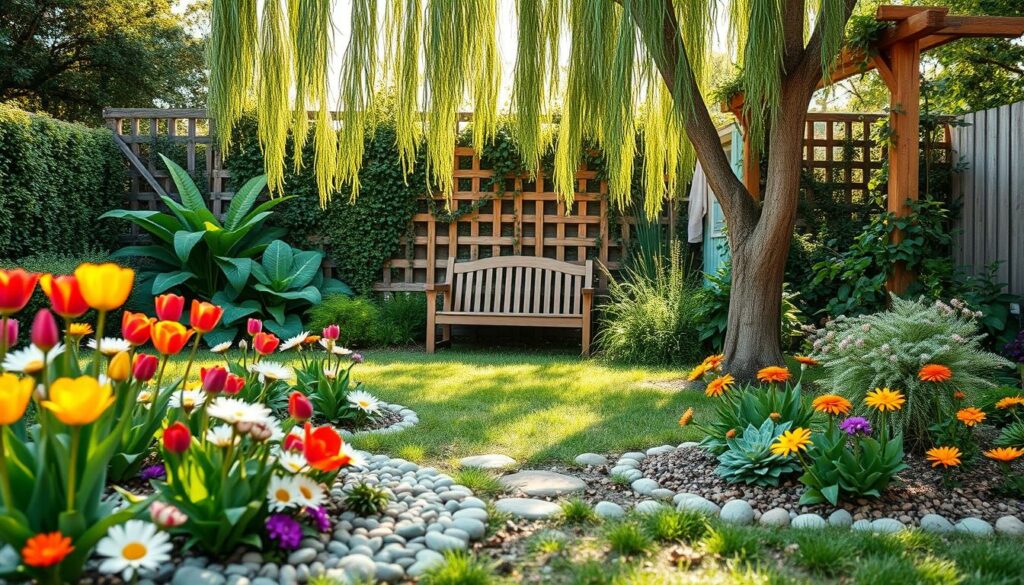
Space optimization means arranging elements to maximize usability and sightlines. Designers use vertical space, layered planting, and multi-functional pieces such as benches with storage. These increase capacity without crowding sightlines.
Practical tactics include selecting compact garden layouts and using diagonal sightlines to create perceived depth. Repeating materials or plant forms sets a steady rhythm. Light colors on fences or walls and reflective surfaces broaden the yard’s feel.
Microclimate matters. Sun and shade, prevailing winds, and privacy influence plant choice and placement. Local rules from town ordinances or homeowner associations affect allowable structures and materials.
The Importance of Space Optimization
Start by measuring and mapping circulation paths. Keep the number of focal points small for smooth eye movement. Choose furniture scaled to the plot; a slim bistro set fits better than a bulky table.
Vertical solutions like trellises, living walls, and stacked planters extend planting area without reducing floor space. Multi-use elements add storage and seating while keeping the design tidy.
Design principles like repetition, contrast, and rhythm create perceived depth. Mirrors or polished metal reflect light and open sightlines. For US climates, pick plants matching sun exposure and hardiness zones.
Choosing the Right Garden Style
Match the garden’s style to the house and neighborhood. This helps the space feel like a natural extension of the property. Contemporary homes suit clean lines and restrained plant palettes.
Cottage or Mediterranean styles favor softer edges and layered plantings. Maintenance expectations should guide style selection. Xeriscape or native-plant gardens suit busy households needing low water and labor.
Ornamental or specialty gardens reward owners who enjoy frequent care and seasonal changes. Materials and palettes tie the scheme together. Limit materials—wood, metal, and one stone type keep the look cohesive.
Choose a small plant palette to avoid visual noise in a compact garden layout.
| Style | Scale & Feel | Typical Materials | Maintenance Level |
|---|---|---|---|
| Contemporary | Clean, open; strong lines to make space feel larger | Concrete pavers, steel, composite decking | Low to medium |
| Cottage | Cozy, layered; lush plantings in compact plots | Wood, brick, mixed stone | Medium to high |
| Mediterranean | Terraced, warm; uses containers and terraces | Terracotta, warm stone, wrought iron | Low to medium |
| Japanese courtyard | Minimal, intimate; strong focus on proportion | Natural stone, bamboo, dark wood | Medium |
| Xeriscape / Native | Open, drought-tolerant; simple plant groups | Gravel, decomposed granite, native stone | Low |
Key Elements of Small Garden Design
A thoughtful small garden design balances plant choice, structure, and season-long interest. This helps a compact yard feel layered and intentional without crowding. The right mix of plants and systems turns limits into creative chances.
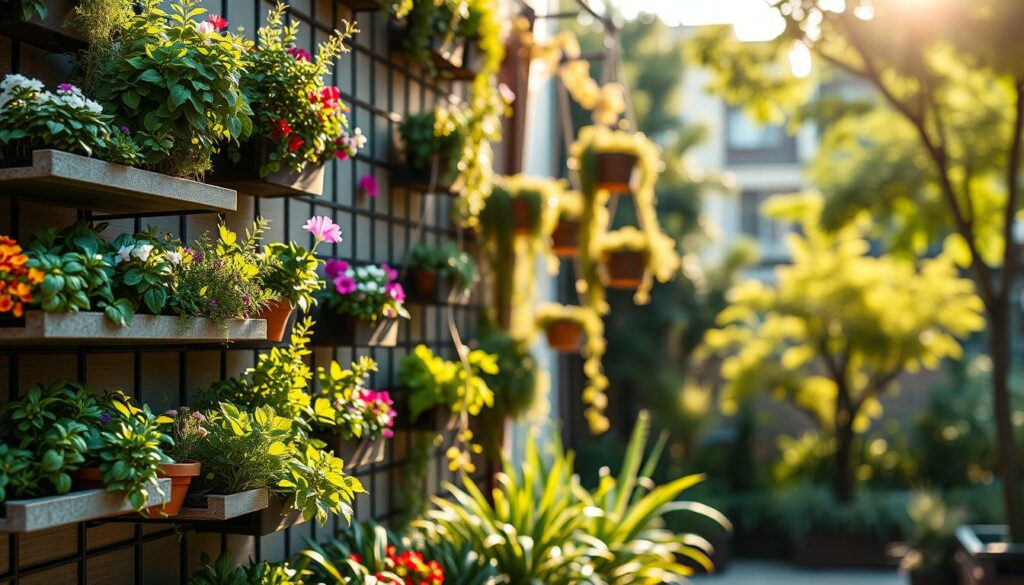
Plants for limited spaces: Choose compact, slow-growing shrubs and dwarf varieties that fit the scale. Boxwood and dwarf hydrangeas give year-round form. Japanese maple cultivars add tree-like structure without overwhelming a small plot.
Heuchera and ornamental grasses provide multi-season color and texture. Native, pollinator-friendly choices support local ecology. Echinacea (purple coneflower), Salvia, bee balm, and serviceberry do well in many U.S. gardens.
These plants attract bees and butterflies while keeping maintenance low.
Container gardening solutions: Small yards benefit from pots and raised planters. Herbs like basil and thyme thrive along with compact tomatoes, peppers, succulents, and patio roses. Match container size to root zones and use high-quality potting mix.
Ensure good drainage and follow a regular fertilization schedule.
Root and care tips: Select plants with compatible root structures to avoid competition. Use lightweight mixes for containers. Choose species suited to your site’s sun and wind exposure.
Regular pruning keeps shapes tidy and preserves sightlines.
Vertical gardening solutions: Vertical systems extend planting area without using ground space. Options include trellises, living walls, pocket planters, stacked containers, espaliered fruit trees, and vertical towers for vegetables.
Build vertical features from durable materials such as cedar, galvanized steel, or rot-resistant composite. Modular living wall panels and vertical hydroponic towers fit balconies and tight patios.
Place these installations where light is available and anchor them securely for safety.
Maintenance and irrigation: Use lightweight soil mixes and add drip or wicking irrigation to ease upkeep. These systems reduce water waste and keep roots evenly moist. Proper irrigation lowers maintenance time and boosts plant health.
Design benefits: Vertical gardening maximizes planting area, boosts privacy, and softens walls. Combined with container gardening, they create focal points and layered interest while saving floor space.
Creative Layout Ideas for Small Gardens
Smart layout choices turn tight plots into inviting places. A clear plan balances seating, planting, storage, and a focal feature.
Thoughtful circulation and material selection make a compact garden feel larger and more usable.
Zoning Your Garden for Functionality
Start by defining zones: seating or dining, planting beds, a storage or workspace, and a focal point like a fountain or sculpture.
Place seating where sun and views are best. Keep compost and tool storage out of sight but easy to reach.
Use transition zones to connect areas. Containers, low hedges, or raised beds separate a dining nook from planting areas.
Built-in benches that double as planters save space and add structure to the plan.
Pick multi-use pieces for tiny backyard inspiration. Foldable tables and chairs store away when needed.
Raised beds can serve as barriers, planter seats, or short retaining walls.
Design circulation to avoid cross-traffic. Single-passage paths should be 30–36 inches wide for comfortable movement.
Clear routes make a small garden feel organized and calm.
Using Pathways and Borders Effectively
Choose materials that suit budget and drainage. Permeable pavers, decomposed granite, stepping stones, and compacted gravel work well.
These options support good drainage while keeping maintenance low.
Use visual tricks to expand perceived space. Narrow, lighter-colored paths make the area seem longer.
Diagonal or gentle curved walks create an impression of depth and invite exploration.
Define beds with low borders made of steel, brick, or wood. Raised edging can double as seating or extra planting space.
Plant low groundcovers and edging perennials along borders to soften edges and add texture.
Group containers and choose small-scale plants to maintain proportion.
These choices create a refined look in a tight footprint.
Incorporating Hardscaping in Small Gardens
Hardscaping can turn a small yard into a useful, inviting space. Thoughtful materials and layout add structure to the garden design. This keeps maintenance low and visual clutter minimal.
The Role of Patios and Decks
Patios and decks create clear social areas in tight yards. A 6×6 to 10×10 foot patio fits a table for two or cozy seating. Floating or cantilevered decks add levels without using the whole space.
Choose composite decking for low upkeep, porcelain pavers for a modern look, or reclaimed wood for rustic charm. Built-in benches with planter boxes save space and frame the seating area. Rail planters and integrated lighting add function while keeping open sightlines.
Creative Use of Stones and Gravel
Stones and gravel offer durable, low-maintenance surfaces that improve drainage. Gravel patios, pebble mosaics, and stepping-stone paths add texture and rhythm to seating zones.
Use a compacted base and weed barrier under gravel and pavers for stability and permeability. Choose stone colors and textures that match the home. Place larger stones sparingly to form focal points without crowding the design.
Simple upkeep keeps the hardscape tidy. Seal pavers for a polished finish if desired. Periodic weed control and topping gravel preserve the look and function.
Maximizing Small Garden Storage Solutions
Smart storage keeps a compact garden tidy and usable. In tight yards, patios, or balconies, the right choices turn clutter into convenient, attractive features.
This short guide covers furniture and storage ideas that fit small space gardening and DIY small garden projects with style and function.
Choosing functional garden furniture
Choose pieces that do double duty. A storage bench hides tools and cushions. Foldable tables and chairs free floor area when not in use.
Stackable stools ease seating for guests without permanent bulk. Pick weather-resistant materials like teak, powder-coated steel, or all-weather wicker for long life in U.S. climates.
Keep proportions small: allow 12–18 inches behind seating and consider 24–30 inch diameter tables for narrow spots. Light-colored, slim-profile items reduce visual weight.
Swap cushions seasonally to refresh color without major changes. These tactics help balcony garden design feel airy while giving practical storage.
Innovative storage ideas for tools and plants
Vertical systems reclaim wall space. Wall-mounted pegboards and slatwall panels hold trowels, hoses, and gloves where they are easy to reach. Hangable tool racks keep floors clear for containers and chairs.
Hidden storage hides clutter in plain sight. Benches with cavities, planter boxes that double as bins, and under-deck compartments secure supplies while preserving aesthetics.
Cedar or resin cabinets resist rot for long-term use. Compact sheds and narrow cabinets suit alleys and small plots. Lean-to designs fit tight borders.
Rolling carts and stackable nursery racks make plant care mobile and simple for DIY small garden projects. For comprehensive outdoor storage solutions, combine vertical racks, hidden compartments, and multi-use furniture.
This layered approach supports ease of access, protects tools, and keeps plantings orderly without crowding the scene.
Selecting the Right Plants for Small Spaces
Choosing plants for a compact area shapes both look and function. A thoughtful mix of long-lived perennials and colorful annuals gives structure and seasonal flair.
Space-saving choices and smart placement keep a garden lively without crowding paths or seating.
Perennials vs. Annuals in Small Gardens
Perennials provide a steady backbone for small garden design. Plants like sedum, hosta, lavender, and daylilies return each season, cutting maintenance over time.
They establish form and rhythm in borders and beds.
Annuals bring instant color and flexible style to small space gardening. Petunias, marigolds, calibrachoa, and snapdragons work well in containers and edging.
Swap annuals each year to refresh palettes and highlight focal points.
Combining perennials for structure with annuals for accents makes a resilient planting strategy. Use dwarf varieties and succession planting to keep steady interest.
This works well in limited beds and pots.
Edible Plants That Enhance Beauty
Edible plants can be both ornamental and productive in a small garden design. Compact herbs such as rosemary, thyme, and chives provide scent and texture near seating areas.
Salad greens like leaf lettuce and arugula add soft color in containers.
Dwarf fruit trees and compact blueberry bushes suit patios and balconies when pruned and trained. Espaliered apple or pear trees create vertical interest without taking much ground space.
Ornamental peppers supply color and heat.
Container gardening helps manage soil fertility and winter protection for tender edibles. Lightweight pots and vertical supports suit rooftop and balcony setups.
Consider pollination needs and prune to control size for an efficient edible garden in small spaces.
Implementing Water Features in Small Gardens
Water adds motion and calm to small outdoor spaces. A well-chosen feature serves as the focal point. It masks tight spaces and adds rich sensory appeal.
Careful planning keeps installation simple and maintenance easy. This plan also boosts curb appeal and overall livability.
Benefits of Small Water Features
The sound of bubbling water creates a peaceful retreat. This sensory touch makes small gardens feel larger. It also adds dynamic energy.
Birdbaths and mini ponds attract songbirds and pollinators. They support local ecology without needing much space.
Small basins or recirculating fountains cool nearby seating areas in hot weather. These features improve comfort during summer afternoons.
Choose low-maintenance features like self-contained container fountains or bubbler basins. Systems with recirculating pumps cut plumbing needs. Often, they avoid permit requirements.
Choosing the Right Location for a Fountain
Place the fountain where it is clearly visible from main spots like a kitchen window or patio. Good visibility helps with upkeep and enjoyment.
Avoid heavy tree cover that drops leaves into the water. Partial shade lowers evaporation in hot climates and eases cleanup in fall.
Consider neighbors when picking pump size. Adjustable-flow pumps let you control sound volume and noise character.
Follow key installation tips: level the base and use a GFCI-protected outlet. Plan to drain or use heaters in winter to protect the fountain. Proper placement extends its life and simplifies maintenance.
Seasonal Considerations for Small Gardens
Small garden design must account for changing seasons to keep a compact space lively and healthy. A clear plan for planting and maintenance helps owners enjoy color and structure all year. The advice below focuses on simple, practical steps for city yards, balconies, and tiny back gardens.
Planting for Year-Round Appeal
Layered planting brings continuous interest in limited areas. Start with spring bulbs like tulips and crocus for early color. Add summer perennials such as echinacea and compact salvias.
Include edible herbs and compact vegetables to blend function with beauty. Autumn asters and maples with bright foliage extend the display into fall. Winter structure comes from evergreen shrubs and ornamental grasses that hold shape under frost.
Select plants with staggered bloom times and varied textures for year-round interest. Containers help rotate seasonal color and protect tender plants. Swap summer bedding for hardy pansies in colder months.
Use winter mulch and sturdy pots to shelter crowns of perennials. Adjust choices for the site’s USDA hardiness zone and microclimate. Consult local extension offices for region-specific picks.
Seasonal Maintenance Tips
Spring tasks set the year up for success. Prepare soil with compost, prune winter damage, divide crowded perennials, and install new annuals. Check irrigation lines and clean small water features to prevent blockages.
In summer, follow a watering routine: deep morning soaks conserve water and promote strong roots. Monitor for pests and disease, deadhead spent flowers, and refresh mulch to reduce evaporation. These actions support seasonal garden care and reduce stress on plants.
Fall work includes cutting back tender perennials, planting bulbs, and winterizing containers. Clear leaves from paths and gutters to lower slip risk. Review next spring’s layout and update hardscape elements during this time.
Winter focuses on protection and planning. Wrap vulnerable shrubs with burlap or frost cloth when severe cold threatens. Maintain the form of evergreen specimens and plan new plantings and repairs. Regular small space gardening maintenance in winter saves time in busier seasons.
| Season | Key Tasks | Planting Focus |
|---|---|---|
| Spring | Soil prep, prune, divide perennials, check irrigation | Tulips, crocus, new annuals, early herbs |
| Summer | Deep morning watering, pest checks, deadheading, mulch refresh | Echinacea, salvias, compact vegetables, basil |
| Fall | Cut back tender perennials, plant bulbs, protect containers | Asters, maples, late-season berries |
| Winter | Protect sensitive plants, maintain evergreens, plan next season | Evergreens, ornamental grasses, potted pansies |
Lighting Solutions for Small Gardens
Good lighting makes small yards and balcony gardens inviting and usable after dusk. Light helps define paths and highlights focal plants. It sets a mood without making the space feel crowded.
The right mix of lights keeps people safe, enhances features, and saves energy.
Types of Outdoor Lighting
Path and step lighting uses low-voltage stake lights or LED fixtures to mark ways and prevent trips. Accent and uplighting bring attention to a plant, wall texture, or sculpture. Warm white (2700K–3000K) lights create a welcoming tone.
String and festoon lights work well for balcony gardens, offering a soft overhead glow that feels festive and cozy. Solar fixtures are easy to install, while wired systems offer steadier brightness. Installers should follow local electrical codes and use GFCI protection as needed.
Creating Ambiance with Garden Lights
Layered lighting combines ambient, task, and accent lights to add depth. This makes a small garden perfect for dining, reading, or relaxing. Hide fixtures to avoid glare and light from many angles to soften shadows.
Warm color temperatures show off foliage and flowers best. LEDs last long and use little energy. Smart controllers, timers, or motion sensors add convenience and security.
Decorative lanterns, hurricane-glass candles, or planter lights create cozy spots. A well-lit water feature shines brightly and becomes a focal point at night. Thoughtful lighting turns small gardens into safe, layered, and enjoyable places after dark.