

Nearly 40% of home gardeners see visible change in their yard within four weeks when choosing the right fast growing plants. This quick growth transforms curb appeal and yields fast results.
Fast growing plants meet clear horticultural benchmarks. For annuals, this means germination-to-flower times measured in weeks.
For perennials and shrubs, it means height gains of several feet each season. Vegetables are judged by time-to-harvest benchmarks from USDA extension services. These metrics help gardeners compare growth speeds across species and set realistic expectations.
This guide helps gardeners in the U.S. choose plants that grow quickly. It considers climate suitability, available space, and the plant’s desired function, such as quick color, edible yields, or privacy screening.
The guide also covers basic care priorities: soil preparation, watering, feeding, and timely pruning to support rapid growth.
The article lets readers jump to sections on flowers, vegetables, foliage, trees, houseplants, climate considerations, and care tips. Practical advice highlights selection criteria, seasonal timing, and companion planting to boost success with fast growing plants.
Benefits include rapid curb appeal, faster edible harvests, instant privacy screens, and eco-benefits like pollinator support and erosion control.
Whether you want dramatic summer blooms or speedy plant growth for a balcony, this guide provides actionable choices and clear steps.
Key Takeaways
- Fast growing plants deliver visible results in weeks to a season when matched to climate and site.
- Define fast growth by flower timing, seasonal height gain, or time-to-harvest using extension benchmarks.
- Selection should consider USDA hardiness, space, and the plant’s intended function.
- Basic care—good soil, consistent water, and timely pruning—supports speedy plant development.
- The guide covers flowers, vegetables, foliage, trees, and houseplants for quick visual and functional impact.
Benefits of Fast Growing Plants
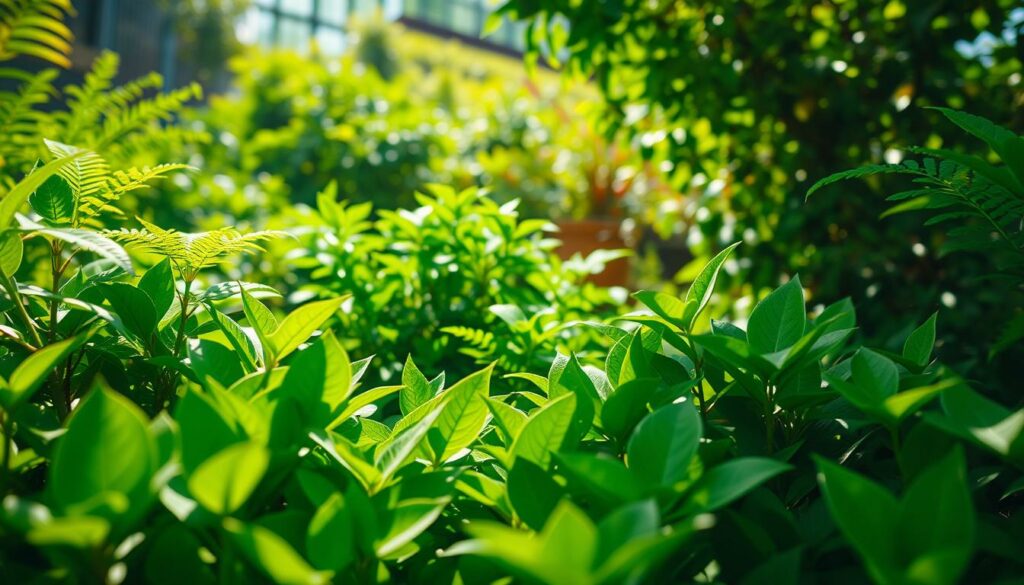
Fast growers give gardeners quick rewards. They fill bare soil, add color and shape, and help new designs look finished within weeks.
Choosing rapid growth plant species can speed up a landscape plan. It also keeps enthusiasm high while slower specimens mature.
Quick Visual Impact in Gardens
Annuals like zinnias and sunflowers offer bold colors fast. Fast-climbing vines create vertical interest and privacy within one season.
Designers use these plants as seasonal beds, temporary fillers, or instant hedges to mask bare spots.
Swift garden growth helps stage a yard for curb appeal. It also supports sustained gardening effort.
Environmental Benefits
Many rapid growth plants support pollinators. Nectar-rich blooms like cosmos and zinnias attract bees and butterflies soon after planting.
Fast-growing foliage sequesters carbon quickly during early growth. It also helps lower local temperatures by creating shade.
In urban areas, this cooling effect improves microclimates and enhances biodiversity.
Indoor fast-growing houseplants such as pothos and spider plants improve air quality. They add greenery to living spaces too.
Erosion Control and Soil Stabilization
Fibrous-rooted grasses, cover crops, and some shrubs bind soil quickly after disturbance. Cover crops like buckwheat and rye protect topsoil on bare patches or construction sites.
Bamboo and willow work well in riparian zones. Their roots stabilize banks and reduce runoff.
Using these species is a practical step to prevent erosion and keep soil healthy.
| Benefit | Fast Example Plants | Practical Use |
|---|---|---|
| Quick color | Zinnias, Sunflowers, Cosmos | Seasonal beds, instant display, pollinator attraction |
| Soil protection | Buckwheat, Rye, Native grasses | Cover crops for disturbed sites, erosion control |
| Bank stabilization | Bamboo, Willow | Riparian planting, slope reinforcement |
| Urban ecology | Cosmos, Zinnias, Fast shrubs | Increase biodiversity, shade creation, carbon uptake |
| Indoor air quality | Pothos, Spider Plant | Rapid greenery, improved indoor microclimate |
Popular Fast Growing Flowering Plants
The following selections deliver quick color and seasonal interest for home gardens. These fast growing plants suit borders, containers, and pollinator plots. Each choice offers a clear timeline, basic cultural needs, and recommended varieties to help gardeners plan for fast rewards.
Zinnias
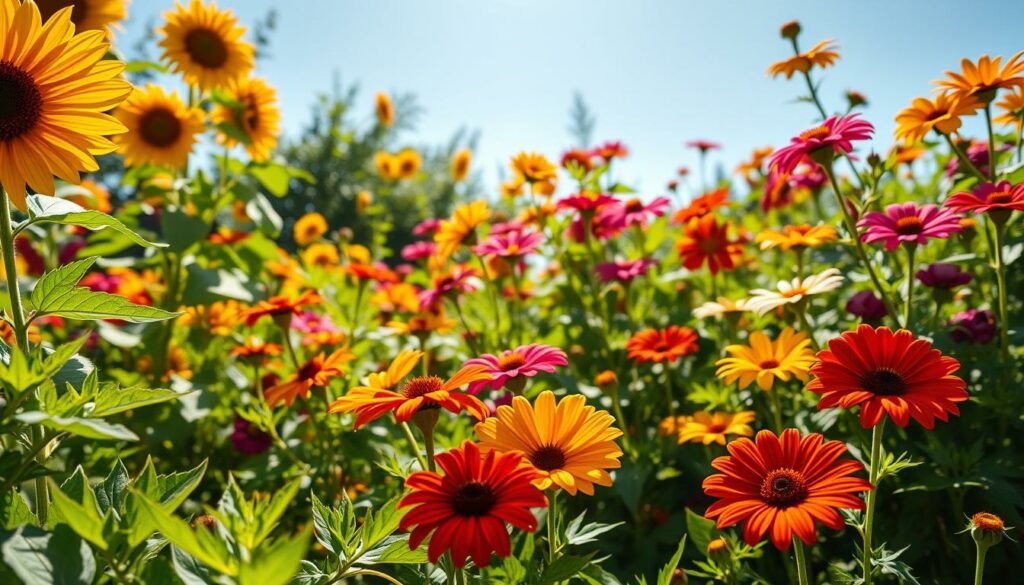
Zinnias often germinate in 5–7 days and start flowering within 4–6 weeks in warm conditions. They thrive in full sun and well-drained soil. Regular deadheading helps extend bloom time.
Once established, zinnias tolerate heat and short dry periods well. Recommended cultivars include State Fair for showy bowls and Benary’s Giant for large single blooms. Compact dwarf varieties suit containers and borders. Gardeners wanting quick growing plants for bold summer color will find zinnias reliable.
Sunflowers
Many sunflowers bloom in 60–90 days, with dwarf types flowering sooner. They need full sun and deep, loose soil to support root growth. Tall cultivars benefit from staking to avoid wind damage.
Sunflowers produce seeds that attract birds and wildlife. Varieties like Helianthus annuus ‘Mammoth’ and the plush ‘Teddy Bear’ dwarf extend the display. Multi-branching types add variety. For gardeners seeking fast growing plants with vertical drama, sunflowers are a great choice.
Cosmos
Cosmos germinate quickly and bloom within 6–10 weeks. They often flower until frost in many U.S. zones. They grow well in full sun to partial shade and prefer poor to average soil.
Low fertility soil helps produce more blooms. Deadheading keeps cosmos flowering longer. Common types include Cosmos bipinnatus with airy, daisy-like petals and Cosmos sulphureus with bright orange and yellow tones. These fast growers attract bees and butterflies while needing little care.
Each species offers unique benefits: rapid color, low maintenance, and strong pollinator appeal. Gardeners seeking quick results can mix zinnias, sunflowers, and cosmos. This mix creates layered height, continuous bloom, and steady visits from bees and butterflies.
Fast Growing Vegetables for Home Gardens
Home gardeners who want quick harvests like vegetables that grow fast and produce reliable yields. Fast growing plants give early rewards and fit well into tight schedules. They also help fill gaps between slower crops.
Radishes: Ready to Harvest in 30 Days
Radishes are one of the fastest vegetables. Many varieties mature in about 20–30 days from sowing. They grow best in loose, well-drained soil.
Thin seedlings early so roots can expand without crowding. Use radishes for succession planting to keep steady harvests. They pair well with slower crops and add a spicy crunch to salads.
Radishes prefer cool weather and will bolt in heat. Plan to sow them in spring and fall for best results.
Lettuce: A Leafy Green in No Time
Lettuce grows quickly. Baby leaves are ready in 3–4 weeks, and many full heads form in 6–8 weeks. Looseleaf types give the fastest harvests.
Grow lettuce in partial shade during hot months to reduce bolting. Keep soil moist and fertile to support quick growth. Lettuce grows well in containers and raised beds, perfect for small spaces.
Succession sowing ensures continuous salads throughout the season.
Spinach: Nutritious and Quick to Grow
Spinach grows baby greens in 3–4 weeks and full leaves in 6–8 weeks under cool conditions. It prefers fertile, well-drained soil and regular watering to prevent stress and bitterness.
Plant spinach in early spring or fall to avoid heat-driven bolting. Succession planting keeps a steady supply. Interplanting with marigolds helps deter pests.
Stagger sowings every two weeks, use compost-rich soil, and rotate planting spots. These steps maximize fast growing plants and keep growth steady all season.
Top Fast Growing Foliage Plants
Fast-growing foliage offers quick structure, green texture, and privacy for busy gardeners. These plants suit varied light and soil conditions. The list below helps match growth speed with your needs and care style.
Bamboo as a privacy screen
Bamboo adds height and motion within a single season. Many running and clumping types grow several feet each season. They work well for tall screens or fast structural features.
Clumping Bambusa grows more slowly than running Phyllostachys. So, plant choice matters for your garden goals. Running bamboo needs containment to prevent spreading.
Install root barriers or prune rhizomes regularly. Alternatively, pick clumping bamboo for easier care. Both types perform well as tall screens in warm USDA zones and add instant green impact.
Sweet potato vines for lush edges and containers
Ipomoea batatas grows vigorous foliage within weeks. It offers striking color and coverage. These vines trail or mound, making them great for containers, baskets, or groundcover in warm months.
They like full sun to part shade and warm soil. Varieties like ‘Blackie’ and ‘Margarita’ give diverse leaf colors for contrast. Gardeners like them for fast color and soft texture.
Ferns that establish quickly
Boston fern and Ostrich fern grow quickly in shaded, moist beds and containers. Many ferns spread by rhizomes, covering ground fast and filling shade with layered green.
They need moist, humus-rich soil and thrive in shade or part-shade. Use ferns for understory planting, indoor accents, or softening hard edges where moisture is steady.
Trade-offs and placement tips
Faster growth often means more maintenance and risk of invasiveness. Fast foliage needs pruning, root control, or thinning. Match plant habits to garden needs to avoid surprises.
Place running bamboo where you can contain it. Use sweet potato vines for warm-season displays and movable containers. Choose ferns for shady spots with moisture and gentle growth.
Quick comparison
| Plant | Growth habit | Best uses | Care notes |
|---|---|---|---|
| Bamboo (Phyllostachys, Bambusa) | Tall, clumping or running; several feet/season | Privacy screens, structural elements | Root barriers for runners; choose clumpers for low maintenance |
| Sweet potato vine (Ipomoea batatas) | Trailing or mounding; fills in within weeks | Containers, hanging baskets, groundcover | Full sun to part shade; warm soil; seasonal annual in cool climates |
| Ferns (Boston, Ostrich) | Clumping or rhizomatous; quick area coverage in shade | Shady borders, understory planting, indoor greenery | Moist, humus-rich soil; consistent shade or dappled light |
Fast Growing Trees for Shade
Choosing trees that grow quickly helps create shade and privacy in just a few seasons. Fast growing plants like hybrid poplar, Leyland cypress, and red maple fit many landscapes. These species offer quick canopy cover while planning for long-term needs.
Hybrid poplar can grow 5–8 feet per year in full sun with moist, deep soil. It is great for immediate shade and windbreaks. Space trees well to allow roots to spread and avoid planting near foundations.
Hybrid poplars live for a short time and can get diseases. Plan to replace them and watch their health carefully.
Leyland cypress grows 3–4 feet each year and makes dense evergreen screens. It suits tall hedges or privacy barriers along property lines. Prune regularly to keep its shape and lower canker risk.
Avoid planting Leyland cypress in poorly drained areas. Soggy soils can cause root and crown problems for this tree.
Red maple grows 3–5 feet per year when young, especially in moist, slightly acidic soils. It offers fast shade plus bright fall colors and supports wildlife. Choose urban-tolerant kinds for streets and small yards.
Red maple adapts to many soil types if given steady moisture when first planted.
Good planting strategies are key for these fast-growing trees. Prepare the root zone and stake young trees if needed. Water deeply during the first few seasons for best growth.
Keep in mind the gap between early fast growth and the tree’s mature size. Planning ahead prevents problems with buildings and utilities while enjoying quick shade.
Climate Considerations for Fast Growth
Choosing the right climate helps gardeners get the best results from fast growing plants. Understanding local patterns of cold, heat, and moisture guides species selection that will thrive. Small site details often change outcomes more than broad regional labels.
Understanding USDA Hardiness Zones
The USDA hardiness zone map predicts winter survival for perennials and woody plants. Gardeners use zone maps to choose species rated for their minimum temperatures. This ensures plants have the best chance to establish and grow quickly.
Local extension services and state university resources, like the University of California or Cornell Cooperative Extension, offer zone-specific lists and planting calendars. These resources help match fast growing plants to sites where they will bloom on schedule.
Seasonal Growth Patterns
Growth rates change with the seasons. Many species show a spring flush of leaves and flowers, then slow in heat or drought during midsummer. Cool-season crops and ornamentals often pick up growth again in early fall when temperatures moderate.
Gardeners should note whether a plant is a cool-season or warm-season performer. Season length affects time-to-flower and harvest for vegetables. Perennials may pause growth in extreme heat. Planning planting dates helps fast growers hit their peak.
Microclimates and Plant Selection
Microclimates are small areas that differ from surrounding conditions, like sunny south-facing walls or frost pockets. These pockets change temperature, wind, and moisture. They shape which fast growing plants will succeed.
For hot, exposed sites choose heat-tolerant fast growers such as sun-loving vines or droughtwise shrubs. For cool, shaded spots select shade-tolerant swift growers like hostas and ferns. Adjust soil, mulch, and watering to support rapid establishment.
Care Requirements for Fast Growing Plants
Fast growing plants reward gardeners with quick results. They need targeted care to keep growth healthy and steady. Proper guidance on soil, water, and pruning helps seedlings, containers, and mature plants.
Soil Types and Nutrient Needs
Soil quality controls the pace of plant development. Well-draining loam with organic matter works best for many species. Sandy soils benefit from compost and aged manure to hold moisture and nutrients.
Clay soils need gypsum and coarse organic amendments to improve root growth. Checking pH and nutrient levels is essential. Simple soil tests show acidity and nutrient imbalances.
Amend soil with slow-release fertilizer when tests show deficits. For plants liking rapid feeding, use measured amounts to avoid weak growth.
Watering Guidelines for Optimal Growth
Deep, infrequent watering helps roots grow strong in garden beds. Use drip irrigation or soaker hoses for steady moisture without wet foliage. Seedlings and containers need more frequent, lighter watering to prevent drying out.
Overwatering causes root rot and slows growth. Check soil moisture an inch or two below surface. Adjust watering for heat waves. Containers warm faster and may need daily checks in summer.
Pruning and Maintenance Tips
Regular pruning shapes shrubs and controls their growth vigor. Deadheading annuals promotes more blossoms. Cut back perennials after flowering to stimulate fresh shoots.
Formative pruning of young shrubs prevents weak, messy structure later. Time heavy pruning outside peak stress periods. Avoid high-nitrogen feeds before extreme heat to stop tender growth vulnerable to damage.
| Care Area | Action | Benefit |
|---|---|---|
| Soil Testing | Check pH and N-P-K; amend with compost and slow-release fertilizer | Balanced nutrients support steady, accelerated plant growth |
| Soil Type | Add organic matter to sand; add gypsum and compost to clay | Improved drainage and root penetration for speedy plant development |
| Watering | Deep, infrequent watering; use drip or soaker hoses; monitor containers | Encourages deep roots and reduces risk of root rot |
| Seedling Care | Gentle, frequent moisture; avoid waterlogged media | Healthy establishment for later fast growth |
| Pruning | Deadhead annuals, cut back perennials, formative pruning for shrubs | Maintains shape and promotes continued vigor in fast growing plants |
| Pest & Disease | Use IPM: monitor, use cultural controls, apply targeted treatments | Early detection prevents stress that can mask or slow speedy plant development |
| Fertilization Timing | Feed after establishment and avoid high-nitrogen boosts before heat | Supports growth without creating vulnerable, rapid shoots |
Fast Growing Houseplants to Consider
Indoor gardeners who want quick results can pick from several reliable plants. These fast growers create new green space fast and improve air quality. Light, soil, and placement affect their growth speed.
Spider Plant: Easy Care and Fast Growth
Chlorophytum comosum sends out long leaves and baby plantlets that root quickly. It thrives in bright, indirect light and can handle lower light well. Water when the top inch of soil is dry, and feed occasionally for steady growth.
Hang spider plants in baskets to display trailing shoots. They clean indoor air and need only simple care. Note that they are mildly toxic to cats and dogs.
Pothos: Hardy and Trailing Appeal
Epipremnum aureum grows well in low or bright indirect light and recovers from neglect. Cuttings root fast in water, making propagation easy and quick. Varieties like Golden Pothos and Marble Queen offer many leaf patterns.
Use well-draining soil and water moderately for steady growth. Pothos quickly fills space with cascading stems and vines.
Peace Lily: Beautiful Blooms and Air Quality Benefits
Spathiphyllum grows leaves quickly and produces white flowers that brighten rooms. It prefers low to medium light and needs regular moisture. Remove wilted blooms and fertilize lightly for new flowers and fast leaf growth.
Place peace lilies near east- or north-facing windows and boost humidity for best growth. They fit well in offices and living rooms needing quick beauty.
| Plant | Light | Water | Growth Strength | Notes |
|---|---|---|---|---|
| Spider Plant (Chlorophytum comosum) | Bright, indirect to moderate | Moderate; allow top inch to dry | High | Great for hanging baskets; air-purifying; mild pet toxicity |
| Pothos (Epipremnum aureum) | Low to bright indirect | Moderate; tolerates brief drought | Very High | Easy propagation; trails or climbs; many cultivars |
| Peace Lily (Spathiphyllum) | Low to medium | Consistent moisture; avoid drought | High | Produces white blooms; improves air quality |
Common Misconceptions About Fast Growing Plants
Gardeners often think fast growth means extra work, invasiveness, or a short life span. These ideas hide key differences between species, climates, and care. This guide clears up myths about fast growing plants. It helps readers pick plants that fit their goals.
They require more maintenance
Some shrubs, like Leyland cypress, need pruning to hold shape. This has caused a belief that fast growth means constant work. But the truth varies by plant type.
Many annuals and vegetables grow fast but need little care. They finish their life cycles in weeks, not years.
Look at examples to see the difference. Zinnias bloom quickly and only need deadheading. Radishes mature in 30 days and require little care.
Choosing the right mix lets gardeners enjoy quick color or harvests without much work.
They are always invasive
Invasiveness depends on species and local ecology, not speed. Some bamboos spread through runners and cause problems. Other clumping bamboos stay contained and work well in planned gardens.
Gardeners should check USDA or state invasive plant lists before planting. Practical methods to control spread include root barriers, raised beds, and regular checks.
Choosing non-invasive types avoids problems and still offers the benefits of fast growth.
Fast growth equals short lifespan
Fast early growth does not always mean a short life. Some trees and shrubs grow quickly at first, then live for decades. Many fast-growing plants are annuals by design and live only one season.
Good planning pairs fast growers with long-lived plants. This keeps gardens interesting year after year. Quick growers give immediate impact; slower plants offer lasting structure.
| Misconception | Reality | Practical Tip |
|---|---|---|
| Speed means more maintenance | Some fast growers need more pruning; many annuals need minimal care | Match plant choice to time available; use low-care quick growing plants like zinnias and radishes |
| Fast = invasive | Invasiveness is species- and site-specific | Check USDA and state lists; choose clumping varieties or install root barriers |
| Fast growth = short life | Some trees grow fast early and live long; many annuals are short-lived by design | Combine speedily growing botanicals with slower perennials for lasting structure |
Fastest Growing Plants for Small Spaces
Small yards and narrow balconies can still deliver big growth. Choosing fast growing plants that suit containers, walls, and compact beds boosts visual impact in tight spots.
Thoughtful selection encourages speedy plant development while keeping maintenance manageable.
Container Gardening with Fast Growers
Containers let you enjoy quick growing plants like zinnias, dwarf sunflowers, and lettuce easily. Sweet potato vines add lush trailing foliage and fill space fast.
Use pots with good drainage and quality potting mix. Match pot size to root space; shallow pots suit lettuce, deeper ones suit sunflowers.
Water more often than in-ground beds and increase fertilizer frequency to support rapid growth.
Vertical Gardening Techniques
Vertical systems expand planting area without using floor space. Trellises, obelisks, and living walls help morning glory and climbing nasturtium grow up fast.
Pothos works well indoors on hanging shelves or living walls for quick coverage. Vertical gardening increases yield or visual impact per square foot by encouraging height.
This height growth makes plants appear to grow faster.
Succulents: Quick Growth in Unique Designs
Not all succulents grow fast, but species like Sedum and Echeveria offsets spread rapidly in sunny, well-drained micro-containers.
Mixed succulent bowls brighten small patios with low fuss care. Use trailing sedums on sunny balconies and root cuttings for quick coverage.
Combine fast-rooting groundcovers in window boxes with seasonal quick growing plants for year-round interest.
| Use | Suggested Plants | Container Tip | Growth Benefit |
|---|---|---|---|
| Small pots, salads | Lettuce, radishes | Choose 6–8″ deep pots, frequent watering | Fast harvest cycle for rapid returns |
| Bright balcony displays | Zinnias, dwarf sunflowers | Use 10–12″ pots, rich potting mix, stake sunflowers | Vibrant color with quick growing plants |
| Screening and trailing | Sweet potato vine, morning glory | Wide containers, trellis or drip irrigation | Rapid coverage and vertical impact |
| Low-water designs | Sedum, Echeveria offsets | Shallow pots, gritty mix, full sun | Speedy plant development with low maintenance |
| Indoor greenery | Pothos, fast-growing groundcovers | Hanging pots or living wall modules, moderate light | Quick visual growth and air-cleansing benefits |
Creating a Fast Growing Garden Plan
Designing a garden with fast growing plants starts by setting clear goals. Decide if you want color, privacy, or food. Choose plants that fit your climate, sun, and soil. This encourages fast growth and avoids wasted work.
Choosing Plants for Your Space
Start by checking the USDA hardiness zone of your property. Pick plant varieties that grow well in that zone. This reduces transplant shock and helps plants grow faster.
Test your soil for texture and pH. Sandy soils drain fast and suit drought-tolerant plants. Clay holds moisture and improves with added organic matter.
Select plants based on sun exposure. Full sun suits vegetables and many perennials. Part shade works for ferns and some shrubs.
Mix plant types to balance quick impact and long-term shape. Use annuals like zinnias and marigolds for instant color. Add perennials such as coneflowers for continuity.
Include trees or shrubs to provide shape and shade. Consult sources like state extension guides, Burpee, and Johnny’s Selected Seeds catalogs. Local nurseries also list fast growing plants suited for your region.
Timing Planting for Success
Follow a seasonal timeline to get steady yields and blooms. Sow many annuals and vegetables in spring after frost danger. Use succession sowing to ensure harvest continues through summer.
Start heat-loving crops like tomatoes indoors to shorten harvest time. Transplant when soil is warm and plants look strong. Fall plantings suits cool-season crops like spinach and lettuce.
This helps plants get established before winter arrives. Plan to stagger plantings by two to three weeks. This keeps color and food production steady.
Staggering reduces competition and gives young plants space to grow well.
Companion Planting for Optimal Growth
Use plant pairings that boost growth and keep pests away. Marigolds and nasturtiums repel many vegetable pests. Plant legumes like peas and beans near heavy feeders to add nitrogen to soil.
Plan space to use light and root room well. Taller fast growing plants shade heat-sensitive crops. Arrange garden beds so one crop follows another without leaving soil bare.
Include cover crops like clover between main plants. They restore soil and speed recovery for the next season. These steps support fast plant growth across your garden.
Below is a seasonal checklist and planting calendar for broad U.S. regions. It shows timing, plant types, and companion tips for fast growing plants in home gardens.
| Region | Spring Actions | Summer Actions | Fall Actions |
|---|---|---|---|
| Northern (Zones 3–5) | Start peas, spinach; sow cool-season annuals; transplant seedlings after last frost. | Succession-sow lettuce and radishes; stake tomatoes; monitor water. | Plant cover crops; transplant garlic; sow fall greens for late harvest. |
| Mid-Atlantic (Zones 6–7) | Direct-sow beans and carrots; start tomatoes indoors; mix annuals and perennials. | Succession-sow beans; add mulch to conserve moisture; use marigolds for pest control. | Plant cool-season crops; overseed lawn; set up winter protection for shrubs. |
| Southern (Zones 8–10) | Plant heat-tolerant vegetables early; use shade cloth for tender starts; sow summer annuals. | Succession-sow for fall harvest; use legumes to restore soil; irrigate during heat waves. | Sow cool-season vegetables; mulch beds; plant fast growing trees in early fall for root establishment. |
Conclusion: Embrace Fast Growing Plants
Fast growing plants offer quick visual rewards and practical help for many landscape needs. They brighten seasonal color beds and fill edible container gardens. They also form privacy screens and serve as quick fixes while longer-lived trees take root.
To get reliable results, match fast plants to the site and prepare soil well. Water properly and plan basic care like pruning and feeding. These steps help plants thrive and grow quickly.
Incorporating Fast Growers in Landscaping
Landscape designers and home gardeners mix fast plants with slower ones to build depth and continuity. Use fast growers as temporary fillers around slow trees or as a fast front layer. Containers with lettuce or radishes give quick harvests, while bamboo or Leyland cypress create fast privacy screens.
Future Trends in Fast Growing Plant Choices
Breeding programs create climate-adapted plants that grow quickly and resist disease. Urban greening projects choose fast plants to cool streets and hold soil. Native fast growers are popular because they support pollinators and limit invasive risks. These plants combine speed with ecological benefits.
The Joy of Rapid Results in Gardening
Seeing plants grow fast motivates ongoing care and new experiments. Quick results build confidence and push gardeners to try more projects. Pairing fast growing plants with long-term choices gives a garden both instant impact and lasting value.
Readers should consult local extension services and trusted nursery suppliers. Planning by USDA zone and microclimate helps success. Start with a small project to enjoy fast plant growth and real garden rewards.