

America wastes about 30 to 40 percent of its food supply. Choosing the right seasonal vegetables can reduce waste. It also boosts flavor greatly.
This guide helps home cooks, gardeners, and shoppers who care about health. They will learn how to pick the best vegetables each season. It shows how to enjoy fresh farm vegetables all year long.
The guide explains why cooking with seasonal vegetables matters. It highlights organic and locally grown produce. You will find tips for buying, storing, and preparing vegetables through spring, summer, autumn, and winter.
Readers will see sections on spring vegetables like peas and asparagus. Summer favorites include tomatoes and zucchini. Autumn picks cover pumpkins and kale.
Winter staples such as root vegetables and cabbage are detailed. The guide also talks about health benefits of these veggies. It offers storage and freezing advice to keep vegetables fresh.
Simple cooking methods and meal planning ideas help make meals more enjoyable. The guide suggests visiting farmers’ markets for the freshest produce. It ends with growing tips for backyard and small container gardens.
Meta title: Best Vegetables for Each Season. Meta description: Discover the best seasonal vegetables to enjoy year-round. Find fresh produce, organic options, and boost your meals with farm-fresh flavors and healthy eating.
Use this article as a seasonal reference for planning meals, shopping, and growing your own veggies. Enjoy better taste, nutrition, and smart seasonal cooking all year.
Key Takeaways
- Seasonal vegetables deliver better flavor, higher nutrition, and less waste.
- This guide lists the best vegetables for each season and how to use them.
- Farm-fresh veggies from farmers’ markets often offer peak ripeness and value.
- Simple storage and cooking tips help preserve taste and nutrients.
- Growing even a few seasonal plants can cut costs and improve freshness.
Understanding Seasonal Vegetables
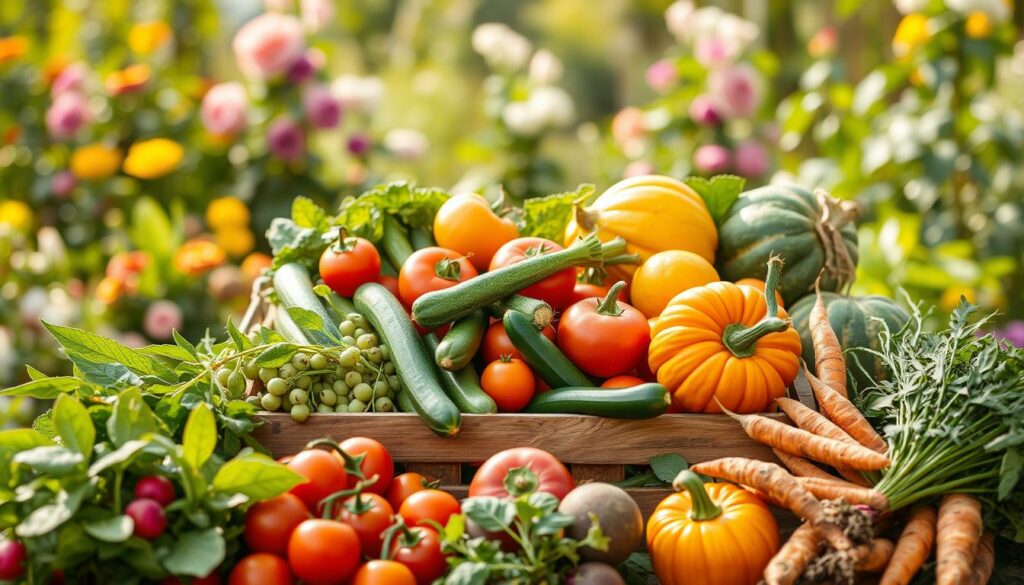
Seasonal vegetables are crops harvested at peak maturity in a given climate. They have better flavor, firmer texture, and more nutrients than out-of-season items.
Examples include spring peas, summer tomatoes, autumn pumpkins, and winter root vegetables. These show what peak-season produce provides.
Definition of Seasonal Vegetables
Seasonal vegetables are harvested in a specific time based on local climate and daylight. Plants taste best when temperature, soil moisture, and sunlight suit their needs.
Harvesting at peak keeps taste and vitamins for cooks and families who want fresh produce.
Importance of Eating Seasonally
Eating in-season produce improves taste and often costs less. Seasonal vegetables reach markets quickly, which lowers spoilage and cuts long storage or transport needs.
Families who cook seasonally often eat healthier because meals use the freshest, most nutrient-rich foods available.
How Seasons Affect Vegetable Growth
Temperature and daylight shape how plants grow. Cool-season crops like spinach, radishes, peas, and kale prefer cooler temperatures and may bolt in heat.
Warm-season crops such as tomatoes, peppers, cucumbers, and zucchini need warm soil and air to grow well and produce fruit.
Soil moisture and frost timing affect root and leaf growth. Gardeners in California, New England, or the Midwest follow different calendars based on USDA zones and local climates.
Organic growers focus on soil health, crop rotation, and pest management. They aim to work with nature instead of using synthetic chemicals.
| Factor | Effect on Growth | Practical Tip |
|---|---|---|
| Temperature | Determines whether a crop flowers, sets fruit, or bolts | Plant cool-season crops early; delay warm-season crops until soil warms |
| Daylight Hours | Triggers flowering and maturity timing | Use season calendars for planting and harvesting |
| Soil Moisture | Affects root development and nutrient uptake | Mulch and water consistently to stabilize yield |
| Frost Timing | Limits length of growing season for tender crops | Protect young plants with covers or choose frost-tolerant varieties |
| Regional Climate | Shifts what is in season across different zones | Check local extension services for region-specific advice |
| Organic Practices | Follow natural cycles using soil health and rotations | Prioritize compost and integrated pest management for resilience |
Choosing seasonal vegetables links sustainable farming with daily meals. Home cooks and gardeners who follow seasonal cooking and planting usually get better flavor and nutrition.
This practice supports local food systems and encourages healthy eating habits.
Spring Vegetables to Embrace
As temperatures rise after the last frost, spring vegetables become available. These vegetables are tender and quick to harvest. They bring bright flavors to salads and simple dishes.
Home growers and market shoppers find strong garden harvests deliver peak taste in early spring.
Peas
Peas mature fast and reward gardeners with sweet pods. Varieties like snap peas, snow peas, and shelling peas suit different dishes. They provide vitamin C, fiber, and plant protein.
For best flavor, pick peas when pods feel plump. Sugar content falls quickly after harvest. Use locally grown peas or refrigerate soon for top quality.
Radishes
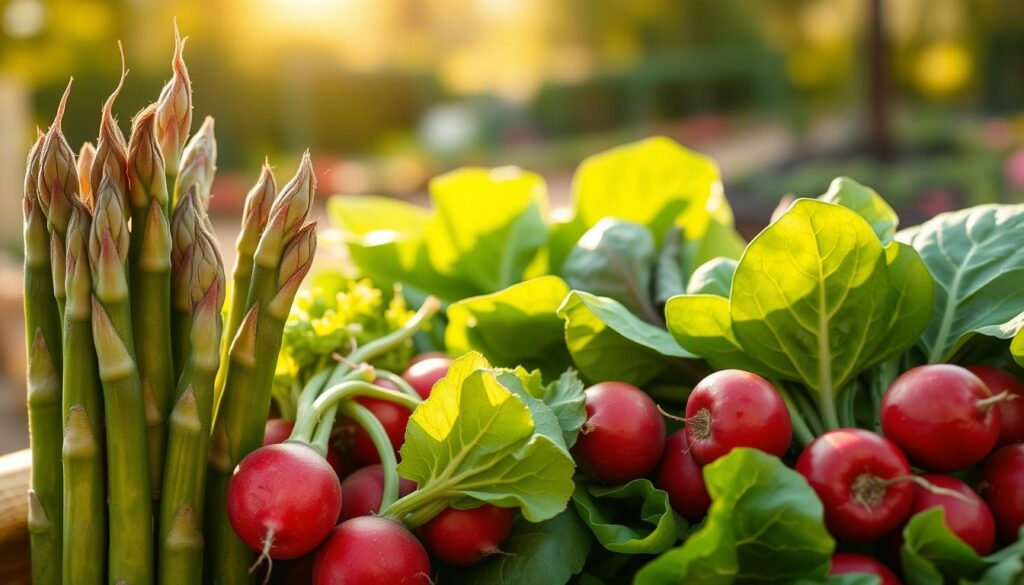
Radishes offer a quick return in spring gardens. Popular types are Cherry Belle, French Breakfast, and watermelon radish. They have a peppery bite that brightens salads.
Store radishes in a plastic bag in the fridge to keep crispness. They work raw, as pickles, or roasted to tame heat.
Spinach
Spinach grows well in cool weather and offers iron, vitamin K, and folate. Use baby leaves for fresh salads. Mature leaves are best cooked.
Watch for bolting when temperatures climb. Keep leaves dry in a perforated bag to preserve nutrients and extend freshness.
Asparagus
Asparagus spears mark the true start of spring. Gardeners harvest green, purple, or forced white varieties during a short season. Asparagus provides folate, vitamin K, and antioxidants.
If not cooking right away, store spears upright in a little water briefly. Grill, roast, or steam to enjoy its delicate flavor from a fresh garden harvest.
Choosing organic or locally grown vegetables reduces storage time and highlights true farm-fresh flavor. Seasonal vegetables from farmers’ stands add bright, lively colors that make meals sing with the season.
Summer Harvest: Abundant Choices
Summer offers the richest selection of seasonal vegetables. Long days and warm soil help warm-season crops grow well. Home cooks enjoy fresh veggies that brighten plates and make cooking simpler.
The following mini-guides give tips for choosing, storing, and cooking the best fresh produce this season.
Tomatoes are best when vine-ripened. Varieties like slicers, cherry, grape, and paste reach peak flavor in summer. They provide lycopene, vitamin C, and potassium.
Store tomatoes at room temperature away from direct sun. Refrigerate only after fully ripe. Bring them back to room temperature before serving for the best flavor.
Cucumbers come in slicing and pickling types. They have high water content and few calories. Cucumbers are good sources of vitamins K and C.
Harvest cucumbers when they are firm and uniform. Overripe ones can turn bitter. Use fresh cucumbers in salads, tzatziki, or quick pickles for crisp, cool bites.
Bell Peppers come in green, red, yellow, and orange. They have a sweet, crisp taste. Peppers are rich in vitamin C and beta-carotene.
Keep peppers in the refrigerator crisper to keep them firm. Roast, stuff, or dice them into salsas. They add bright colors and texture to summer dishes.
Zucchini is a summer squash with mild flavor and low calories. It contains vitamins A and C.
Pick zucchini young for a tender texture. Store in a paper bag in the crisper to keep moisture in. Zucchini works well in sautés, breads, grilled dishes, or spiralized as zoodles.
Shoppers wanting the best flavors should visit farmers’ markets or join a CSA. Buying local, organic, seasonal vegetables ensures peak ripeness. It also supports growers who provide fresh produce perfect for summer cooking.
| Vegetable | Best Time to Harvest | Top Nutrients | Storage Tip | Popular Uses |
|---|---|---|---|---|
| Tomatoes | When vine-ripened | Lycopene, Vitamin C, Potassium | Room temp until ripe; cool after ripening | Sauces, salads, grilling |
| Cucumbers | Firm and uniform, not oversized | Vitamin K, Vitamin C, Hydration | Refrigerate; use quickly to avoid bitterness | Salads, tzatziki, quick pickles |
| Bell Peppers | When skin is firm and glossy | Vitamin C, Beta-carotene | Refrigerator crisper to stay firm | Roasting, stuffing, fresh salsas |
| Zucchini | Young and tender | Vitamin A, Vitamin C, Low calories | Paper bag in crisper to limit moisture loss | Sauté, bake, grill, spiralize |
Autumn’s Bounty: Cooler Weather Vegetables
Autumn changes flavor and texture as cool nights and frosts bring out sweetness in many garden staples. This season focuses on autumn vegetables that store well and taste richer after being chilled. They pair well in warm, comforting dishes.
Both home cooks and chefs seek seasonal vegetables for flavor and pantry life.
Pumpkins
Pumpkins belong to the winter squash family and range from carving types to dense sugar pie varieties for baking. They are rich in beta-carotene and fiber. After harvest, cure them in a warm, dry spot. Then store in a cool, dry place to last for months.
Use pumpkin in soups, purees, or roasting to highlight its natural sweetness.
Brussels Sprouts
Brussels sprouts become sweeter and milder after cold snaps. They provide vitamin C, vitamin K, fiber, and antioxidants. Harvest them from the bottom of the stalk upward, removing wilted outer leaves before cooking.
Roast, steam, or sauté Brussels sprouts to reduce bitterness and bring out a nutty taste.
Sweet Potatoes
Sweet potatoes are often confused with yams but are different. They grow best in warm soils and are harvested in autumn when their sugars concentrate. Rich in vitamin A, fiber, and potassium, sweet potatoes need curing after harvest to improve texture and sweetness.
Bake, mash, or cut them into fries for filling seasonal meals.
Kale
Kale is a tough leafy green that lasts into late autumn and beyond. Frosts mellow its flavor and sweeten the leaves. Varieties like curly and lacinato (Tuscan) have unique textures.
Kale provides vitamins A, C, K, and calcium. Massage it for salads, sauté with garlic for a side dish, add it to soups, or bake it into crisp chips.
For rich autumn meals, combine roasted root vegetables, leafy greens, and winter squash. Choose locally grown and organic vegetables when you can to support farmers and enjoy peak flavor.
Farmers’ stands and community markets are great places to find fresh veggies that show true seasonal quality.
Winter Vegetables to Keep You Nourished
Cold months offer seasonal vegetables that store well and support healthy eating when fresh produce is scarce. Home cooks and chefs use hardy roots, brassicas, mild alliums, and dense squash. These build soups, braises, and roasts that sustain body and morale.
Local markets and winter farmers’ stalls often provide farm-fresh veggies cured for long storage or kept in root-cellar conditions.
Root Vegetables
Carrots, beets, parsnips, rutabagas, and turnips are staples for cold-season cooking. They deliver fiber, vitamins, minerals, and antioxidants that support digestion and immunity. Store roots in cool, humid drawers or root cellars to extend shelf life.
Roast, mash, braise, or add them to stews to enjoy these versatile winter vegetables.
Cabbage
Cabbage comes in green, red, and Savoy varieties and stores well in cool conditions. It is rich in vitamin C, fiber, and glucosinolates supporting metabolic health. Keep heads in a crisp, cool spot for several weeks.
Shred cabbage for slaws, braise with apples and cider, ferment into kimchi, or add wedges to soups for texture and flavor.
Leeks
Leeks bring a mild, sweet onion flavor that brightens broths and winter soups. Wrap them in paper for best storage in the refrigerator. Trim roots and dark green parts before cooking.
Leeks supply vitamin K, folate, and fiber. They pair well with potatoes, cream, or winter squash for comforting dishes that promote healthy eating.
Winter Squash
Butternut, acorn, and kabocha squash keep well through the season when stored in a cool, dry place. These squash are rich in vitamin A, vitamin C, fiber, and complex carbohydrates.
Roast or puree them for soups, stuff them, or blend into sauces to add body and sweetness to meals using seasonal vegetables.
Choosing organic or locally grown winter vegetables supports resilient food systems and brings fresh produce to the table. Farmers’ winter markets and preserved stock help you enjoy farm-fresh veggies during cold months while keeping variety and nutrition.
Health Benefits of Seasonal Eating
Eating with the seasons offers clear benefits for health, the environment, and local economies.
Choosing fresh, locally grown vegetables and organic options helps maintain healthy eating habits year-round.
Nutritional Advantages
Seasonal vegetables are often picked at their peak ripeness, preserving vitamins, minerals, and phytochemicals.
For example, fully mature carrots have more beta-carotene than imports picked off-season.
Less transport and storage time means less nutrient loss in produce.
Eating a variety of seasonal crops throughout the year helps meet micronutrient needs naturally.
Environmental Impact
Choosing locally grown vegetables cuts food miles and lowers greenhouse gas emissions from freight and storage.
Shorter distribution chains also reduce energy use and food waste.
Sustainable farming suits seasonal production well, using crop rotation and biodiversity.
This encourages soil health and cuts reliance on synthetic fertilizers and pesticides.
Community farms using regenerative methods often supply seasonal, organic vegetables nearby.
Economic Considerations
Plentiful seasonal supplies usually mean lower prices for consumers.
Farmers’ markets and community-supported agriculture programs keep money flowing in local communities and stabilize farm income.
Households save on groceries by buying in season and storing surplus.
Better planning reduces spoilage, lowers food waste, and boosts local food security.
| Benefit Area | What Seasonal Choices Offer | Practical Tip |
|---|---|---|
| Nutritional | Higher nutrient density when harvested ripe; wider variety over the year | Buy a mix of spring greens, summer tomatoes, and winter roots each season |
| Environmental | Lower emissions from reduced transport; supports crop diversity and soil health | Prioritize locally grown vegetables and farms practicing sustainable agriculture |
| Economic | Lower consumer cost and stronger local economies; stable farm revenues | Join a CSA or shop farmers’ markets to support producers and save money |
| Community Health | Greater access to fresh produce improves diet quality and resilience | Volunteer at a community garden or buy organic vegetables when available |
How to Store Seasonal Vegetables
Proper handling keeps farm-fresh veggies flavorful and safe. This guide covers steps for fresh produce storage, quick freezing, and simple dehydration. Each method preserves taste and nutrients so you can enjoy seasonal harvests year-round.
Fresh Storage Tips
Inspect and remove damaged parts before storing. Bruised or soft areas speed decay. Do not wash most produce before refrigeration unless drying thoroughly first.
Use perforated bags or breathable containers in the crisper. Wrap leafy greens in paper towels to absorb excess moisture. Store root vegetables in cool, humid drawers.
Keep tomatoes at room temperature until ripe. Place peppers and zucchini in the crisper unwashed to extend crispness.
Freezing Techniques
Blanch vegetables like green beans, broccoli, spinach, and zucchini. Boil briefly, then plunge into an ice bath to stop enzyme action and lock in color.
Drain and pat dry before packing. Use airtight freezer bags or rigid containers. Remove excess air and label with the date.
Lettuce and cucumbers do not freeze well if fresh texture is desired. Use frozen items within recommended windows to maintain quality.
Dehydration Options
Slice zucchini, tomatoes, bell peppers, and mushrooms evenly for drying. Use a food dehydrator or a low oven set around 135–145°F. Dry until leathery or brittle, depending on the vegetable.
Store dried vegetables in airtight containers in a cool, dark place. Rehydrate by soaking in hot water, add directly to soups, or use as flavor boosters.
Quick pickles and fermented options like sauerkraut or kimchi extend shelf life and add probiotics. Follow storage times, label packages, and discard moldy or off-smelling items.
These steps help preserve fresh produce value. They make freezing and dehydrating effective for enjoying fresh veggies later.
Creative Ways to Cook Seasonal Vegetables
Seasonal cooking brings out the best flavor and texture in fresh farm produce. It helps cooks turn simple ingredients into vibrant meals that honor local harvests. The methods below focus on preserving nutrients and boosting taste for everyday use.
Grilling
Grilling works well for summer picks like zucchini, bell peppers, asparagus, eggplant, and corn. Cut pieces evenly, brush with a little oil, and season lightly.
Use direct heat to get a charred edge while keeping the center tender-crisp. Grill until vegetables show marks and yield to a fork. This process sweetens vegetables and adds smoky depth for salads, sandwiches, and farm-fresh recipes.
Roasting
Roasting suits root vegetables, winter squash, beets, and sweet potatoes. Heat the oven between 375°F and 425°F to caramelize surfaces. Toss vegetables with modest oil and seasonings for even browning.
This method brings out natural sugars and creates satisfying textures. Roasted vegetables pair well with grains, legumes, and herbs. They also make sturdy bases for bowls and hearty side dishes.
Steaming
Steaming preserves color and water-soluble vitamins. It is ideal for broccoli, green beans, spinach, and peas. Steam just long enough to reach bright color and a tender-crisp bite.
Careful timing prevents overcooking and nutrient loss. Steamed vegetables fit soups, light salads, and dishes that highlight simple cooking techniques.
Stir-frying
Stir-frying uses high heat and short cooking time. It is perfect for thinly sliced summer vegetables, bok choy, peppers, and snap peas. Keep pieces uniform and use a small amount of oil.
Add aromatics like garlic and ginger, then finish with a light sauce. Stir-fried vegetables retain snap and flavor. They make quick weeknight meals and flexible farm-fresh recipes.
Pair seasonal vegetables with whole grains, beans, nuts, citrus, and healthy fats to create balanced plates. Use these techniques for soups, salads, bowls, and simple sides to expand your menus with seasonal vegetables.
Incorporating Seasonal Vegetables into Meals
Working seasonal vegetables into weekly menus makes healthy eating simple and satisfying. Diets gain variety when meals follow what’s fresh, affordable, and flavorful.
The following practical tips help families plan, cook, and enjoy vegetables throughout the year.
Meal Planning
Build a weekly plan that highlights two to three meals featuring seasonal vegetables. Pick one roast night, one soup or stew night, and one fresh-salad night to keep routines manageable.
Batch-cook roasted vegetables for bowls, salads, and sandwiches. Preserve surplus by freezing blanched greens or use jarred pickles when fresh supplies dip.
Pair vegetables with whole grains and lean proteins for balanced plates. This approach supports healthy eating while saving time and money.
Simple Recipes
Choose quick, adaptable dishes that showcase seasonal vegetables without long prep. Spring risottos with peas and asparagus cook in one pot.
Summer tomato-cucumber salads with basil need no heat and come together in minutes. In autumn, make roasted sweet potato and kale bowls with quinoa and lemon-tahini dressing.
For winter, simmer root vegetable stew with leeks and cabbage. Add beans or shredded chicken for protein.
These simple recipes let cooks swap ingredients based on local availability.
Kids’ Favorite Dishes
Make vegetables appealing by involving children in shopping and prep. Let them pick a veggie at the farmers’ market or stir batter for zucchini fritters.
Serve vegetables in friendly formats like baked sweet potato fries, vegetable skewers, or dips such as hummus and yogurt-herb blends.
Sneak extra greens into pasta sauces, tacos, and soups to broaden tastes. Focus on texture and presentation to win over picky eaters.
Keep nutrition and balance in family meals centered on seasonal vegetables.
Farmers’ Markets: A Resource for Seasonal Vegetables
Farmers’ markets attract neighbors, chefs, and families seeking fresh taste and open talks about food. Shoppers find veggies picked near harvest. They meet growers and learn how crops change yearly.
Local Benefits
Markets offer locally grown vegetables arriving at peak ripeness. Short supply chains keep produce fresher and full of nutrients.
Farmers share their methods, such as organic practices and pest management. Buyers can pick produce that fits their personal values.
Finding a Market Near You
Many counties list market schedules and winter markets via state cooperative extension offices. Community bulletin boards and local papers report seasonal hours and events.
Arrive early for the best selection of veggies and bring reusable bags. Check peak seasons to plan visits for tomatoes, squash, greens, or root crops.
Supporting Local Farmers
Begin relationships by asking about varieties and harvest times. Join Community Supported Agriculture shares to get regular boxes of fresh veggies.
Choose vendors who use sustainable farming to support soil health and lasting food production. Buying at markets boosts rural economies and funds educational programs for future growers.
Growing Your Own Seasonal Vegetables
Home gardeners who focus on growing seasonal vegetables get fresher produce. They also gain more control over methods that support sustainable agriculture.
Both small spaces and larger plots benefit from intentional planning. A thoughtful approach improves yield, reduces pests, and stretches the harvest across spring, summer, and fall.
Container Gardening
Container gardening works well for balconies, patios, and tight yards. It lets gardeners try tomatoes, peppers, lettuce, radishes, herbs, and dwarf squash without a full plot.
Use a high-quality potting mix and containers with good drainage to avoid root rot. Match container size to root systems for best growth.
Fertilize regularly and water more often than in ground beds. These steps make growing seasonal vegetables reliable for beginners.
Raised Bed Gardening
Raised bed gardening gives better soil structure and warms faster in spring. It helps with drainage and makes succession planting easier.
Build beds from untreated cedar or composite boards for durability and food safety. Fill beds with a mix of topsoil and compost for steady fertility.
Plan planting sequences so one crop follows another to maximize the harvest. Raised beds support diverse varieties and longer production windows for seasonal vegetables.
Crop Rotation
Crop rotation protects soil and reduces pests. Rotate plant families like nightshades, brassicas, legumes, and roots to keep pathogens and nutrient loss in check.
Rotate each family on a three-year cycle when possible. Include cover crops such as clover or rye to rebuild organic matter between seasons.
Add finished compost to replenish nutrients. These practices form the backbone of sustainable agriculture at home.
Season-extension tools like row covers, cold frames, and hoop houses let gardeners shift planting dates and protect seedlings.
Organic pest control, companion planting, drip irrigation, and mulching conserve water and safeguard crops.
For local planting dates and best varieties, gardeners should consult Cooperative Extension offices in their USDA hardiness zone.
Future Trends in Seasonal Eating
The future of seasonal vegetables depends on how farming, markets, and consumers adapt to new challenges and trends. Rising interest in sustainable agriculture and organic vegetables is changing supply chains. Shoppers want clear sourcing and shorter food miles.
Chefs and grocers plan menus based on evolving harvest windows to match these changes.
Sustainable Practices
Regenerative agriculture, agroforestry, and soil-health methods help farms increase biodiversity and store carbon. These practices boost resilience and often improve flavor and nutrition. Local programs like community-supported agriculture and farmers markets connect consumers with low-impact growers.
Climate Change Impact on Crops
Climate change shifts planting dates and pest patterns. Warmer winters and changed rainfall move growing zones. Farmers must change varieties or adjust schedules.
Consumers should expect more regional variation in seasonal produce and a changing produce calendar.
Innovations Farming
Innovations like precision agriculture, greenhouses, vertical farms, and better storage extend availability and cut waste. Breeders create climate-resilient seeds with improved nutrients. These tools ensure a steady supply of seasonal vegetables and ease pressure on land and water.
The practical takeaway is simple: learn local seasonality, support resilient farmers, and try flexible meal planning apps or CSA subscriptions. These steps help families enjoy healthier food and support a sustainable food system in America.