

Did you know nearly 30% of U.S. households added a new houseplant in the last two years? This shows beginner plants have become an easy way to greener living. They suit busy adults and apartment dwellers.
This guide highlights the best plants for beginners. It focuses on plants with the highest chance of success. Both indoor and outdoor options are covered.
We recommend easy-care plants and explain simple routines for watering, light, and soil.
Advice here matches trusted sources like the Royal Horticultural Society and university extension services. This ensures the steps rely on strong horticultural research.
Readers get a curated shortlist they can trust. Clear how-to tips for potting and seasonal care are included. This helps build confidence without overwhelming effort.
Key Takeaways
- Begin with low-risk, resilient beginner plants to build confidence.
- Choose beginner-friendly plants based on light and space available.
- Easy care plants require simple watering, basic soil, and good drainage.
- The guide covers both indoor and outdoor starter options for varied lifestyles.
- Recommendations draw on horticultural expertise from reputable institutions.
Why Choose Beginner Plants?
Starting with beginner plants makes the first gardening steps less stressful and more rewarding. These plants fit busy lives and small apartments. They also do well in variable light conditions.
New gardeners learn routines without high risk of failure. This helps build confidence and lasting interest.
Benefits of Low-Maintenance Plants
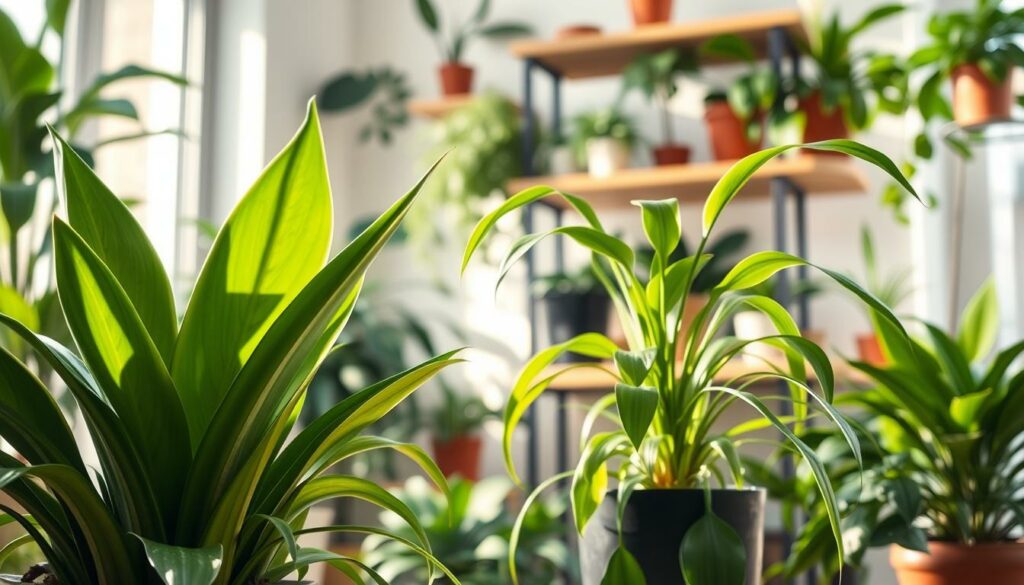
Low-maintenance plants need modest care. They tolerate irregular watering and prefer moderate light. This suits people who travel or work long hours.
Many species, like snake plant and ZZ plant, forgive common errors. This higher success rate cuts frustration for novice growers. It also reduces frequent replacements.
Houseplants like peace lily and spider plant improve indoor air quality. This benefit is backed by NASA research and follow-up studies.
Choosing these beginner plants boosts both health and home aesthetics. Cost also matters for new gardeners. Beginner-friendly plants need less gear and fewer replacements.
This makes them budget-friendly over time.
How Beginner Plants Foster a Love for Gardening
Early wins with resilient plants create a positive feedback loop. When a starter plant thrives, novices feel encouraged to try new species and techniques.
Working with easy-care plants teaches core skills: when to water, how to judge light, basic pruning, and spotting pests. These lessons help with more demanding plants later.
Gardening has emotional upsides. Time with plants can lower stress, increase mindfulness, and improve living spaces. These benefits motivate continued care and exploration.
A practical approach is best. Start with two to four low-maintenance plants that fit the home’s light and climate. Watch their needs for several weeks, adjust care habits, then expand the collection.
Top 10 Best Beginner Plants
For readers seeking reliable picks, this list highlights three top beginner plants that thrive with minimal care. Each choice suits different rooms and routines. These plants are ideal for new plant parents.
Details cover origin, ideal conditions, watering frequency, light tolerance, toxicity notes, and common problems.
Snake Plant
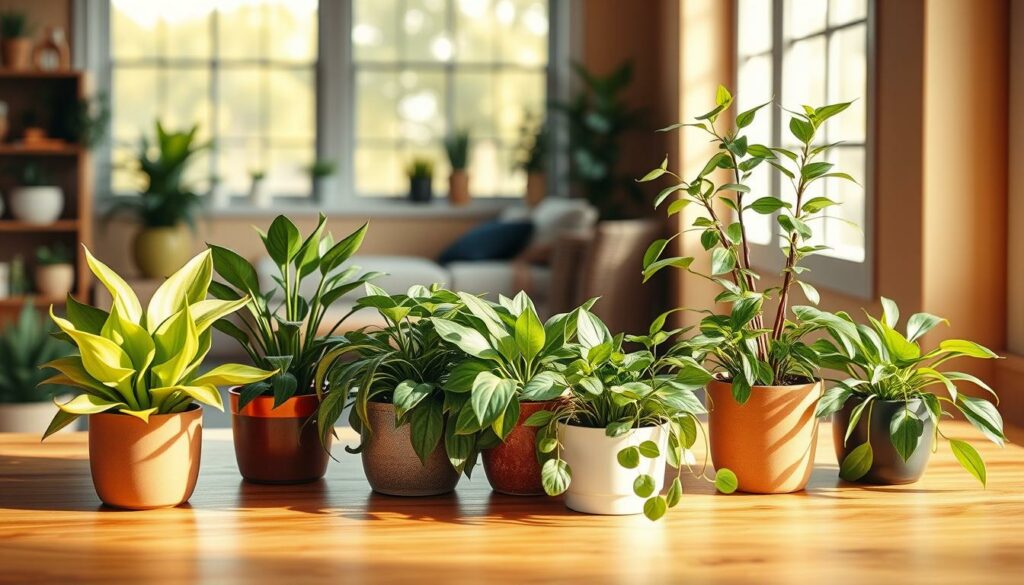
The snake plant (Sansevieria, now classified as Dracaena) comes from West Africa. It has upright, sword-like leaves. This plant is very beginner-friendly because it tolerates neglect and low light.
Care: Water sparingly. Usually, water every 2 to 6 weeks depending on season and potting mix. Use well-draining soil to avoid root rot.
Light: Indirect to low light works well. Benefits: It helps clean indoor air and resists many problems when drainage is good.
Warnings: Leaves are mildly toxic to dogs and cats. Common problems include overwatering and leaf softening.
Pothos
Pothos (Epipremnum aureum) is a trailing vine with heart-shaped leaves. Many variegated cultivars exist. It is one of the best plants for hanging baskets and high shelves.
Care: Water when the top 1–2 inches of soil dry out. It tolerates low to medium indirect light but grows fastest in bright, indirect light.
Propagation is easy from stem cuttings in water or soil. Benefits: Fast growth and a forgiving nature make it popular among easy care plants.
Warnings: All parts are toxic to pets. Common problems include yellowing from overwatering and leggy growth from too little light.
ZZ Plant
The ZZ plant (Zamioculcas zamiifolia) comes from East Africa. It has glossy, thick leaves. Rhizomes store water, making it very drought-tolerant.
Care: Water every 2 to 8 weeks depending on the environment. It tolerates low light and does well in offices or rooms with little natural sun.
Benefits: Resistant to pests and common care mistakes. Warnings: All parts are toxic if ingested; wearing gloves when pruning is smart.
Common problems include root rot from poor drainage and pale leaves from insufficient light.
Indoor Plants for Beginners
Indoor greenery brightens living spaces and improves air quality. This brief guide shares easy options for new plant owners. Each plant has simple care tips, benefits, and warnings to help you choose well for your home or office.
Spider Plant
The spider plant has arching, variegated leaves and small “pups” that are easy to grow. It does best in bright, indirect light. Water it when the top inch of soil feels dry, about once a week indoors.
Spider plants are tough and handle changes in humidity and light well. They also help remove formaldehyde and other indoor pollutants. They produce pups you can share with friends.
Though safe for cats and dogs, pets might chew the leaves. Keep the plant where curious pets cannot reach it to avoid leaf damage.
Peace Lily
Peace lilies have shiny green leaves and white blooms that brighten dim rooms. They grow well in medium to low indirect light. Their drooping leaves clearly show when they need water, making them very easy for beginners.
Water only after the top soil inch is dry. Occasional misting and moderate humidity keep leaves healthy. Peace lilies also clean the air and fit well in most homes.
Peace lilies contain calcium oxalate crystals and are poisonous if eaten. Keep them away from children and pets to avoid accidental poisoning.
Dracaena
Dracaena, like Dracaena marginata, adds a sculptural, palm-like look inside. Their long, slender leaves and patterns fit nicely in corners or entryways. They create a strong focal point.
They prefer bright, indirect light but can handle lower light levels. Water when the top inch of soil is dry to prevent root rot. Use low-fluoride water to avoid browning leaf tips.
Dracaena are classic beginner plants for those wanting stylish plants with little work. Keep them away from pets and avoid overwatering.
| Plant | Light | Watering | Benefits | Warnings |
|---|---|---|---|---|
| Spider Plant (Chlorophytum comosum) | Bright, indirect | When top inch is dry; about weekly | Air purification; easy propagation via pups | Non-toxic but attractive to pets |
| Peace Lily (Spathiphyllum) | Medium to low indirect | Allow top inch to dry between waterings | Air purifier; visible thirst signals | Toxic if ingested; keep away from children and pets |
| Dracaena (e.g., D. marginata) | Bright, indirect; tolerates lower light | When top inch of soil dries; avoid overwatering | Architectural form; low maintenance | Toxic to pets; sensitive to fluoride |
Outdoor Plants for Beginners
For gardeners new to beds, containers, or pollinator patches, selecting hardy, low-stress species makes success likely.
This short guide highlights outdoor plants for beginners that thrive in many U.S. climates and do well in pots or borders.
These plants reward minimal effort with long bloom seasons and attract wildlife visits.
Beginner gardening plants suit varied light and soil conditions and fit busy schedules.
They resist common pests, tolerate short dry spells, and teach basic tasks like deadheading and light pruning.
Marigold
Marigolds offer bright yellow, orange, and red blooms that show fast from seed.
They prefer full sun and well-draining soil. Once roots set, marigolds become drought tolerant and need only occasional watering.
Gardeners plant marigolds near vegetables because they help deter some pests and nematodes.
To extend flowering, deadhead spent blossoms. Some people may develop skin sensitivity when handling blooms or foliage.
Lavender
Lavender displays fragrant gray-green foliage and purple spikes that attract pollinators.
It thrives in full sun with excellent drainage and favors alkaline to neutral soils.
Lavender is low maintenance and needs minimal watering after establishment.
It yields usable dried flowers for sachets and limited culinary use when you choose the right variety.
Root rot will occur in poorly drained ground, so use raised beds or gritty mixes in containers.
Coneflower
Coneflower produces long-lasting daisy-like blooms with prominent cones in purple, pink, or white.
It adapts to full sun or part shade and tolerates many soil types.
As easy care plants, coneflowers attract bees and butterflies while resisting deer.
They are generally drought tolerant once established. Deadheading encourages more blooms, though cold-hardiness varies by cultivar.
| Plant | Sun | Soil | Water Needs | Best Uses |
|---|---|---|---|---|
| Marigold (Tagetes spp.) | Full sun | Well-draining, average | Low after established | Edges, containers, vegetable beds |
| Lavender (Lavandula spp.) | Full sun | Excellent drainage, neutral to alkaline | Minimal after established | Pollinator gardens, dried bouquets, pots |
| Coneflower (Echinacea spp.) | Full sun to part shade | Average to well-draining | Low to moderate | Perennial borders, meadows, wildlife gardens |
Choosing the Right Potting Soil
Good potting soil helps beginner plants grow well. It feeds roots, holds moisture, and lets air reach roots.
Choosing the right mix helps plants like snake plant, pothos, and spider plant thrive from day one.
Soil Types for Different Plants
All-purpose potting mix works for many houseplants. It balances moisture and aeration, so plants get steady water without sogginess.
Cactus and succulent mix drains fast. It has extra sand or perlite. Use it for plants that dislike sitting in water.
Peat-based mixes hold water well but may harm the environment. Coir, from coconut fiber, keeps water but is more eco-friendly.
Outdoor garden soil is often too dense for pots. For containers, use potting mix or mix garden soil with compost and drainage materials.
Importance of Drainage
Pots must have drainage holes so extra water can escape. Without holes, roots stay wet and may rot.
Place a saucer under pots to catch water and protect surfaces.
Add materials like perlite, pumice, coarse sand, or bark chips to improve aeration and stop soil compaction.
Adding 10–30% perlite or pumice helps heavy soils drain better quickly.
Look for signs of poor drainage: yellow leaves, mushy stems, bad smell, and root decay.
If these signs appear, repot with lighter mix and trim damaged roots.
Choose terracotta pots if overwatering is a problem. They dry faster than plastic and keep roots from staying wet.
Good brands to check are Espoma, Miracle-Gro (use with caution due to fertilizer levels), and FoxFarm.
Read labels to check fertilizer and salt content so the potting soil fits each plant’s needs.
Basic Care Tips for Beginner Plants
New plant owners get the best start with a few clear, practical rules. These tips cover watering, light, feeding, pruning, and pest checks.
Short steps build your confidence and help plants grow healthy and strong.
Watering Guidelines
Most easy care plants like to dry a bit between waterings. Check the top 1–2 inches of soil before adding water.
This simple check helps prevent many problems. Water about once a week during the growing season and less in winter.
Bottom watering avoids overwatering. Water until it drains from the pot’s hole and let the extra water escape.
Watch for signs of wrong watering. Yellow leaves and soft stems show overwatering and possible root rot.
Wilting and brown leaf edges mean underwatering. Change your watering schedule if you see these signs.
Light Requirements
Plants fit into four light groups: direct sun, bright indirect, medium, and low light. Match your plant to the room’s light.
Use a light meter app or watch shadows to check light level. Sharp shadows mean bright light; faint shadows mean low light.
East- or north-facing windows suit low to medium light plants. South- or west-facing windows work well for sun plants.
Rotate pots every few weeks to keep growth even. Use curtains if direct sun causes leaf burn.
Move plants if growth slows or leaves turn pale.
Common Pests and Solutions
Houseplants may face spider mites, aphids, mealybugs, scale, and fungus gnats. Regular checks find problems early.
Quarantine new plants for one to two weeks to stop pest spread. Clean pots and tools often to prevent infestations.
Avoid overwatering and check under leaves regularly. Good hygiene cuts the chance of pests.
Treat small pest problems by wiping leaves with soapy water. Use insecticidal soap or neem oil for tougher infestations.
Sticky traps help control fungus gnats. For big or persistent pest issues, ask your local extension service or nursery for help.
| Care Area | Action | Signs to Watch For |
|---|---|---|
| Watering | Check top 1–2 inches of soil; bottom water until drainage | Yellow leaves, wilting, brown edges |
| Light | Match plant to window orientation; use meter or shadow test | Leggy growth, pale leaves, scorched spots |
| Feeding | Fertilize lightly during growing season with balanced feed | Slow growth, pale new leaves |
| Pruning | Trim dead growth and shape plants for air flow | Dense foliage with poor air circulation |
| Pest Management | Inspect, quarantine new plants, use soapy water or neem oil | Sticky residue, webbing, visible insects |
Seasonal Considerations for Plants
Seasonal changes affect how plants grow, drink water, and use light.
Gardeners who match tasks to a plant’s life cycle get better results.
Small changes in watering, feeding, and placement help beginner gardeners’ plants thrive year-round.
Spring Planting Tips
Spring signals a restart for most plants. Use spring tips to time repotting, transplanting, and sowing seeds after the last frost.
Start seeds indoors and harden seedlings gradually before moving them outside.
Prep soil by mixing in compost to add nutrients and improve drainage.
Choose a balanced, slow-release fertilizer or diluted liquid feed every 4–6 weeks during growth.
Watch for early pests as temperatures rise and treat infestations quickly.
Winter Care for Indoor Plants
Metabolism slows down in cool months, so reduce watering and cut back on fertilizer.
This winter care helps prevent root rot and keeps leaves healthy.
Rotate pots to spread light evenly and think about using grow lights when days are short.
Indoor heating dries the air. Raise humidity with pebble trays, humidifiers, or by grouping plants like peace lilies together.
Keep temperatures steady between 60–75°F (15–24°C) and avoid drafts from windows or vents.
Check plants often for pests that thrive in dry winter air.
Early inspection lets gardeners treat problems quickly and keep plants healthy during cold months.
How to Propagate Beginner Plants
Expanding a plant collection does not have to be expensive. This guide shows simple and reliable ways to propagate beginner plants. It avoids complex setups and focuses on proven methods for common houseplants and garden starters.
Techniques for Common Species
Stem cuttings in water work well for pothos, philodendron, and coleus. Cut just below a node, place the stem in clean water, and wait for roots to appear. This method lets you watch roots grow, making it great for beginners.
Stem cuttings in soil are better for plants that dislike sitting in water. Use sterile potting mix with perlite and keep it lightly moist. Avoid direct sun until roots form to reduce rot risk in delicate plants.
Division works fast for spider plants and many perennials. Gently separate root clusters when repotting and replant each section. It is simple and perfect for those learning propagation.
Leaf cuttings suit many succulents and snake plant pups. Let leaf ends callus for a day or two before planting. This step helps prevent rot and improves success for beginners.
Rhizome or sucker separation applies to ZZ plants and some dracaenas. While repotting, split rhizomes or remove offsets and plant them in fresh mix. This low-stress method fits well into usual care routines.
Signs of Successful Propagation
Root growth is the clearest sign of success. White, healthy roots in water or a firm tug in soil show progress. Watching roots early confirms the propagation method works.
New leaf or shoot growth also confirms establishment. Green growth means the cutting can sustain itself. This gives a big confidence boost to beginners.
Most houseplant cuttings root in two to eight weeks. Fast growers like pothos root near two weeks. Woody or perennial plants take longer, so be patient.
Troubleshooting is easy. Mold or slimy stems mean too much moisture. Improve air flow, cut off rotten parts with a clean tool, and let cuttings dry before returning them to their soil. These steps improve success for beginner propagators.
Understanding Plant Growth Cycles
Understanding basic plant growth cycles helps beginner gardening plants thrive. Knowing when a seed needs warmth or when a mature plant requires rest allows gardeners to match care to each phase.
This short guide covers the key points to watch for from seed to flowering.
Germination stage
The germination stage begins when a seed absorbs water and the radicle appears. Temperature, moisture, and light can change how fast a seed sprouts.
Use a sterile seed-starting mix, keep humidity steady with a dome or plastic, and provide gentle bottom heat if seeds are slow to emerge.
Timelines vary widely. Lettuce may sprout in days while some perennials take weeks.
Check the seed packet and keep notes to learn what each species prefers.
Growth stage
During the growth stage, plants build leaves and stems first. Then, they move toward flowering and seed set.
Vegetative growth needs steady water, good light, and nitrogen-rich fertilizer to make strong foliage. When a plant shifts to reproductive growth, it redirects energy to blooms and seeds.
Pruning and pinching can promote bushier plants. Repot when roots crowd the pot.
Adjust fertilizer ratios to favor nitrogen for leaf growth or phosphorus and potassium for buds and blooms.
Many plants enter dormancy and need less water and no fertilizer while resting.
Following these steps makes it easier for those tending beginner gardening plants to respond to each phase.
Clear care at the germination stage and during the growth stage builds healthier plants and faster learning for new gardeners.
Avoiding Common Mistakes
Many new gardeners face a few common problems that harm plant health and morale. This guide highlights practical fixes to avoid these mistakes. Small changes in care and location lead to steady improvements and fewer surprises.
Overwatering Issues
Overwatering often starts with good intentions. People water on a strict schedule, use pots without drainage, or keep heavy, compacted soil that traps moisture.
Symptoms include yellow leaves, wilting despite wet soil, and a sour smell. These signs point to root rot or fungal infections.
To prevent this, choose well-draining soil and pots with drainage holes. Check soil moisture with a finger or moisture meter before watering. Water deeply and let the top inch or two dry out between sessions.
If root rot occurs, remove the plant from its pot and trim black, mushy roots to healthy tissue. Repot in fresh, airy mix and reduce watering until the plant recovers.
Poor Lighting Conditions
Poor lighting causes slow growth, leggy stems, and pale leaves when light is too weak. Placing sun-loving plants in north-facing rooms creates a chronic light deficit.
Too much direct sun can scorch sensitive foliage. Bleached or brown, crispy patches usually mean intense afternoon sun without protection.
Diagnose light problems by observing growth: long gaps between leaves show too little light; bleached leaves show too much. Match each species to available windows and note obstructions like trees or buildings.
Move plants to brighter spots if needed. Use sheer curtains to soften harsh rays. Add an LED grow light with a balanced spectrum and set it on a timer to mimic natural day length.
Resources for Beginner Plant Enthusiasts
New gardeners benefit from a compact list of trusted learning aids and vibrant communities. This short guide points readers to practical books, research-backed extension publications, and active online plant communities. These help diagnose problems, learn propagation, and grow confident beginner plants.
Books and Guides
Reliable titles offer step-by-step care and troubleshooting. Recommended books include The Houseplant Handbook by David Squire for everyday care. Plant Parenting by Leslie Halleck covers propagation. Teaming with Microbes by Jeff Lowenfels and Wayne Lewis explains soil life basics.
University extension publications give regional advice based on research. Penn State Extension and University of California Agriculture & Natural Resources publish fact sheets on pests, soil tests, and plant selection. These pair well with how-to articles from Better Homes & Gardens and Fine Gardening.
Online Communities
Social platforms keep learning social and immediate. Reddit communities like r/houseplants and r/gardening, Facebook plant groups, and Instagram plant influencers offer quick ID and inspiration for beginners.
Apps and tools speed diagnosis and care planning. PictureThis and PlantSnap identify species. GrowIt! and Planta offer reminders and allow neighbors to share photos and tips.
Local resources complement digital help. Cooperative Extension offices, local nurseries, garden clubs, and botanical gardens provide workshops and plant clinics. These focus on your climate and soil conditions.
When using crowd-sourced advice, cross-check recommendations with extension materials or trusted books before applying chemical treatments. Combining multiple resources creates a balanced approach to learning and troubleshooting.
Encouraging Sustainable Gardening Practices
Beginner gardeners benefit by adopting sustainable gardening habits early. These practices make gardens more resilient and cut long-term costs. They also improve local habitats.
By focusing on strategies that fit low maintenance plants, new gardeners can build a healthy and productive space with less effort.
Benefits of Native Plants
Native species offer clear ecological advantages. They support pollinators, birds, and beneficial insects since they evolved with local conditions. This reduces the need for constant intervention.
Native plants save water and nutrients. Once established, they need less irrigation and fertilization. Gardeners can consult groups like the California Native Plant Society or Native Plant Trust for plant lists tailored to USDA hardiness zones.
Organic Gardening Techniques
Healthy soil is the backbone of organic gardening. Building soil with compost, mulch, and cover crops improves its structure and fertility.
This supports beginner plants by creating a stable growing environment. Pest management should prioritize preventive measures and integrated pest management. Cultural controls, physical removal, beneficial insects, and organic options like neem oil keep problems in check.
Water conservation methods—drip irrigation and mulching—along with peat-free mixes such as coconut coir reduce environmental impact. Adopting native plants and organic gardening helps beginners succeed while enhancing biodiversity.
These approaches reduce chemical use and conserve resources. They pair well with popular beginner plants, making sustainable gardening practical and rewarding from the first season onward.