

Nearly 60% of houseplant buyers under 35 say they seek out uncommon species. This shift has turned obscure flora into treasures across the United States and beyond.
Rare plants mean species or cultivars hard to find. They have limited native ranges, grow slowly, or are legally protected.
This also includes scarce breeds and collections that appear only at nurseries, auctions, or plant shows.
Market interest in rare plants has grown with Instagram and TikTok. Striking leaves and unusual blooms attract attention.
Millennials and Gen Z collectors shape demand. Specialized growers and small sellers supply limited edition species and rare specimens.
This guide is for hobbyists, collectors, and small-scale growers who want clear, practical advice.
It covers why rare plants appeal to people and profiles notable species. It also shares care, propagation, sourcing, cost, and legal insights.
Key Takeaways
- Rare plants include species limited by range, growth, propagation, or legal status.
- Social media and younger buyers are driving interest in trending rare plants.
- Limited edition plant species often appear at niche shops, auctions, and expos.
- This guide helps collectors identify, source, care for, and trade rare botanical specimens responsibly.
- Conservation and ethical sourcing are central when dealing with uncommon plant varieties.
The Allure of Rare Plants
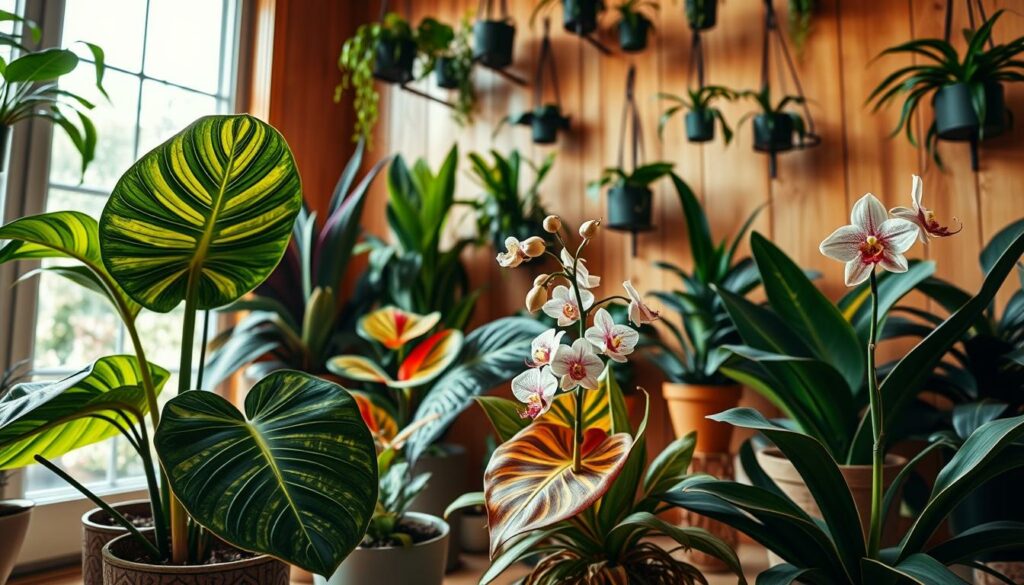
Rare plants catch attention for many reasons. Their shapes, colors, and scarcity create strong interest. Collectors and gardeners find unique species very appealing when variegation or vibrant blooms stand out at home or on an urban balcony.
Understanding Their Appeal
Variegated Philodendron and Monstera show how pattern and rarity spark desire. A single mottled leaf can inspire a whole collection. The novelty of new blooms offers quick aesthetic reward.
Emotions play a big role. Discovery brings joy. Social recognition comes when a rare plant appears in Instagram posts or newsletters. These acts raise the owner’s status and boost rare plants’ appeal among hobbyists.
Scientific interest also drives buyers. Botanists and hobbyists buy plants for their botanical value. Preserving rare lineages or propagating threatened varieties adds a goal beyond decoration.
Popularity Among Collectors
Collectors vary widely. Some are weekend gardeners with small spaces. Others are horticulturists or investors who track plant trends carefully. Urban dwellers prefer compact rarities that thrive in apartments.
Community shapes tastes. Plant swaps, specialty nurseries, and popular collectors on social media push new favorites forward. Nurseries like Logee’s, Monrovia, and botanical societies help start these trends.
Commitment differs between casual buyers and devoted collectors. Serious collectors accept extra care and higher costs for sensitive plants. They spend time, money, and space to care for uncommon species needing specific humidity, light, or soil.
| Collector Type | Typical Focus | Example Species |
|---|---|---|
| Casual Home Gardener | Compact, low-maintenance aesthetic plants | Variegated pothos, small Monstera forms |
| Serious Enthusiast | Rare cultivars, propagation, community recognition | Variegated Philodendron, Monstera obliqua |
| Professional Horticulturist | Conservation, research, high-value specimens | Rare orchids, endemic tropical species |
| Investor/Trader | Market trends, resale potential | Limited-run variegations, unique plant species |
Unique Rare Plants to Discover
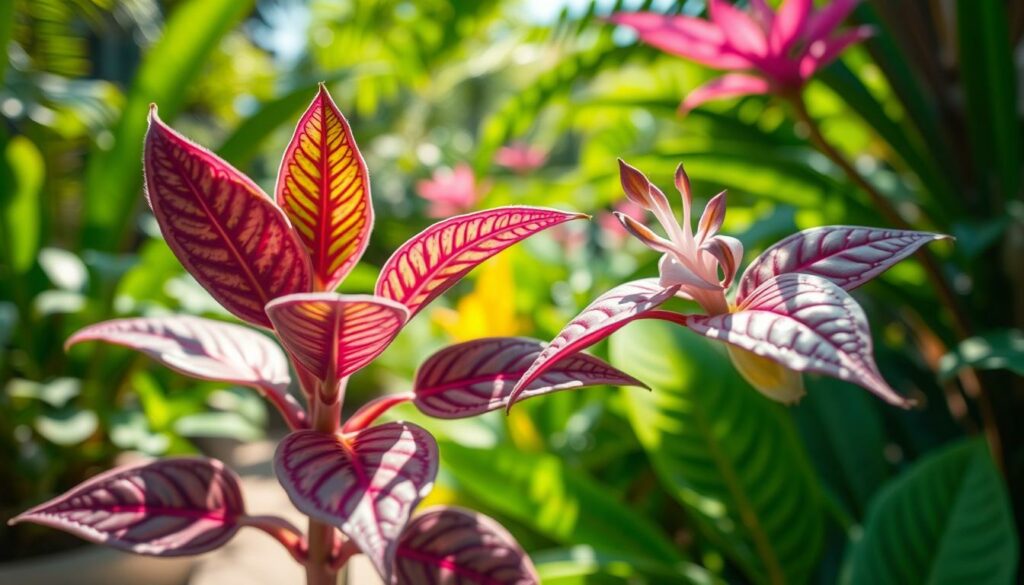
Collectors and curious gardeners often seek exotic plant varieties that stand out for form, color, or rarity.
This short guide highlights three rare plants. It explains why they attract attention from enthusiasts and researchers.
Monstera Obliqua
Monstera obliqua is prized for its extreme fenestrations and paper-thin leaves. It differs from Monstera adansonii, which many buyers mistake it for.
Low availability and frequent mislabeling make it hard to find. It resists easy propagation, raising prices in specialty markets.
It prefers high humidity, bright indirect light, and steady warmth. Overwatering and dry air cause decline. Growers use humidity trays or terrariums to keep it healthy.
Rafflesia Arnoldii
Rafflesia arnoldii produces one of the world’s largest single flowers. It relies on a parasitic relationship with Tetrastigma vines.
The bloom emits a strong odor to attract pollinators. This makes field sightings unforgettable.
Its specialized habitat and parasitic life cycle make it nearly impossible to cultivate outside Southeast Asian rainforests. Habitat loss further reduces its encounters.
Conservationists study Rafflesia to protect fragile ecosystems. It should not be collected or removed from the wild to support long-term survival.
Blue Vanda Orchid
Blue Vanda orchids include Vanda coerulea cultivars and hybrids that display striking blue-violet blooms. Many hobbyists highly prize them.
True naturally blue orchids are scarce, which increases interest in verified cultivars. Some market specimens are dyed or bred to mimic blue hues.
These orchids need bright, filtered light, high humidity, strong air movement, and regular fertilization. Growers mount them or use well-draining baskets to replicate natural airflow.
How to Care for Rare Plants
Proper care begins with observation and a clear plan. Many collectors find that tailored routines keep specimens healthy.
They also reduce stress on uncommon plants. This section covers light, soil and watering, and pest steps readers can follow.
It focuses on rare plants care and exotic plant varieties.
Light Requirements
Match light to a plant’s native habitat. Tropical rarities often prefer bright, indirect light.
Succulents and alpine species need direct sun. Use east- or north-facing windows for low-light tropicals.
South-facing exposure works well for sun-loving plants.
Measure light with a meter or smartphone app to track foot-candles or lux. Watch for leaf burn or pale leaves.
Stretching also shows a need to adjust light intensity or duration. When natural light is short, LED full-spectrum grow lights offer good results.
Soil and Watering Needs
Choose a soil medium that fits the species. Epiphytes do best in chunky orchid mixes.
Many tropical rare species thrive in airy peat-perlite blends. Succulents prefer gritty, mineral-rich mixes that drain quickly.
Water with care. Use soak-and-dry cycles for succulents and bottom-watering for sensitive specimens.
Use distilled or rainwater for plants sensitive to salts in tap water. Terracotta pots help soil dry faster.
Plastic pots keep moisture longer when needed.
Keep humidity in mind. Humidity trays, room humidifiers, and greenhouse domes help species needing steady moisture.
Pest Management Techniques
Inspect plants weekly. Common pests on rare collections include mealybugs, spider mites, scale, thrips, and fungus gnats.
Quarantine new acquisitions to stop infestations from spreading.
Start with mechanical and botanical controls. Remove pests using alcohol swabs, soft brushes, or water sprays.
Use horticultural soaps and neem oil for low-toxicity treatment.
Introduce beneficial predators, like predatory mites, when appropriate. Reserve systemic insecticides only for severe outbreaks.
Check product labels to ensure compatibility with delicate specimens. These steps help maintain rare plants without undue risk.
| Care Area | Quick Guideline | Recommended Tools |
|---|---|---|
| Light | Match intensity to native habitat; use grow lights if needed | Light meter, LED full-spectrum, east/north windows |
| Soil | Select mixes by growth habit: orchid mix for epiphytes, gritty for succulents | Orchid bark, peat-perlite, pumice, terracotta pots |
| Watering | Use soak-and-dry or bottom-watering; prefer distilled or rainwater | Watering tray, moisture meter, filtered water |
| Humidity | Maintain with trays, humidifiers, or propagation domes for sensitive species | Humidifier, humidity tray, clear propagation dome |
| Pest Control | Inspect, quarantine, use mechanical and biological controls first | Alcohol swabs, insecticidal soap, neem oil, predatory mites |
| Record Keeping | Track light, water, and treatments to refine care over time | Notebook, plant app, labels |
Sourcing Rare Plants
Collectors who want elusive plant collections need clear paths to trusted sellers. They also need responsible practices. This section guides readers through reputable outlets, online marketplaces, auction nuances, and ethical checks.
It helps buyers find rare botanical specimens for sale without fueling harmful trade.
Where to Buy Rare Plants
Specialty nurseries offer reliable stock and propagation records. Examples include Mountain Crest Gardens for succulents and Logee’s for exotic houseplants.
Botanical gardens often host sales and plant exchanges. Local growers and verified plant boutiques let buyers inspect health before purchase.
Visiting in person helps assess vigor and avoid surprises.
Online Marketplaces and Auctions
Rare plants appear on Etsy, eBay, Facebook Marketplace groups, and dedicated plant retailers’ e-commerce stores.
Buyers should check seller reviews, clear photos, provenance, and shipping policies. Also, look for any plant health guarantees.
Asking for propagation history limits the risk of mislabeling.
Auctions offer chances to find hard-to-get plants. Live bidding may raise prices.
Bidders must watch descriptions carefully and consider shipping stress. Setting a firm limit helps avoid overpaying.
Ethical Considerations
Legal and conservation issues matter when buying rare botanical specimens. Some orchids and other plants are protected under CITES rules.
Buyers should avoid wild-collected, protected plants. Confirming CITES status prevents illegal purchases.
Responsible sourcing favors propagated stock, tissue culture, and reputable nurseries that disclose methods.
Demand accurate labels and provenance to reduce trade in poached material. Supporting ethical vendors helps sustain rare plant markets for future collectors seeking where to buy rare plants without harm.
| Source Type | Pros | Cons | Best Use |
|---|---|---|---|
| Specialty Nurseries (e.g., Logee’s) | Clear provenance, healthy stock, expertise | Limited species range, higher retail prices | Reliable purchases of propagated specimens |
| Botanical Garden Sales | Curated plants, conservation-minded | Occasional events only | Rare cultivars and educational buys |
| Local Growers & Plant Shows | Inspect plants in person, support local traders | Variable labeling standards | Healthy specimens and community networking |
| E-commerce & Marketplaces (Etsy, eBay) | Wide selection, access to hard-to-find plants sourcing | Risk of misidentification and shipping damage | Comparing sellers and reviews for rare finds |
| Auctions & Specialty Bidders | Unique or high-end rare botanical specimens for sale | Price volatility, bidding pressure | Acquiring highly sought or historic specimens |
| Social Media Groups | Community trades, swaps, early access | Trust and verification challenges | Networking and swaps for elusive plant collections |
The Cost of Rare Plants
Rare plants carry price tags that show more than just botanical beauty. Collectors and growers look at scarcity, lineage, and market interest to judge cost. This section explains what affects pricing, risks and rewards, and how trends change prices over time.
Factors Influencing Price
Rarity and limited supply are key to pricing scarce plant breeds. Species from small areas or slow growth get higher bids at auctions.
Visual traits like variegation, unique leaves, and bold blooms add value to rare plants. A variegated Monstera or a special Hoya can bring premium prices.
Provenance and plant health also affect price. Plants from known growers like Steve’s Leaves or award winners with clear lineage fetch more. Buyers want proof of history and good condition.
Market hype causes short-term price spikes for limited edition plants. Viral Instagram posts and influencer features can quickly boost demand. Prices rise until supply meets demand.
Investment Potential
Some collectors track rare plant values over years, viewing them as assets. A few plants have increased in value, but the market is risky. Gains are not certain.
Risks include disease, wrong ID, laws, and too many plants in the market. Pests or new rules can cut value fast. Investors should expect ups and downs.
Advice is to focus on passion first. Treat plants as living hobbies, not sure profits. For investment, document provenance, keep health records, and use trusted growers or auction houses.
Peaking Trends in Collectibility
Trend cycles move fast. Species become popular after nursery releases or viral hits, then cool when supply grows. Knowing cycles helps avoid peak prices.
Past examples show this pattern. Variegated Monstera and variegated Hoya saw sharp price jumps, then prices settled as more plants appeared. This shows limited edition plant costs can balance out.
Timing helps reduce risk. Study demand cycles, avoid impulse buys during peaks, and think about propagation to lower costs. Careful buying manages emotions and money in rare plant collecting.
Propagating Rare Plants
Propagation of rare botanical specimens begins with choosing the right technique for each species. Many collectors propagate rare plants to reduce pressure on wild populations. Success depends on matching the plant type, timing, and sterile practices.
Methods of Propagation
Vegetative methods suit many aroids, begonias, and some orchids. Stem cuttings root well for philodendrons and many tropical vines. Division works for clumping species such as Alocasia and some ferns.
Air layering produces larger, ready-to-pot pieces from woody rarities like certain Eucalyptus relatives. Root cuttings help plants with fleshy crowns, like some temperate salvias.
Seed propagation fits species with viable seed sets, including flasked orchids and rare vines. Seed work requires patience because germination can be slow. It may also need mycorrhizal partners or sterile flasking.
Tissue culture, or micropropagation, is a lab method used by botanical gardens to multiply rare plants quickly. It also limits wild collection.
Common Mistakes to Avoid
Overwatering cuttings leads to rot and causes failure. Cuttings need moist, not soggy, media and good airflow. Poor sanitation spreads pathogens; sterile tools and clean media cut losses.
Using contaminated potting mix kills seedlings fast. Wrong light or temperature blocks root growth. Tropical cuttings need warm, humid conditions with bright, indirect light.
Temperate species root better when cooler and less humid. Taking cuttings during dormancy dooms many attempts. Avoid harvesting when the parent plant is inactive.
Timing and Conditions
Seasonal timing matters. Spring and early summer suit many tropical growers because plants produce new tissue. Late winter works for temperate plants starting spring growth.
Matching the plant’s growth cycle yields higher success rates. Controlled environments boost outcomes. Humidity domes, heat mats, and LED grow lights keep stable conditions that speed rooting.
Keep records of parent plant, date, method, and media to refine technique. Notes help reproduce wins and avoid errors when propagating rare plants.
Below is a quick reference to compare common propagation approaches and their best uses.
| Method | Best For | Key Needs | Success Tip |
|---|---|---|---|
| Stem Cuttings | Philodendrons, Begonias, Vines | Well-draining mix, humidity, bottom heat | Use hormone rooting powder and bright, indirect light |
| Division | Clumping Alocasia, Ferns, Some Orchids | Clean tools, firm root ball, immediate potting | Divide during active growth to reduce shock |
| Air Layering | Woody or large-stem plants | Moist sphagnum, wrap, secure ties | Check roots before severing to ensure success |
| Root Cuttings | Herbaceous perennials, some salvias | Cool timing, sandy mix, shallow placement | Label depth and orientation for reproducibility |
| Seed Propagation | Flasked orchids, certain vines | Sterile media, patience, possible fungal partners | Use flasking or sterile substrates for sensitive species |
| Tissue Culture | Endangered or high-value specimens | Laboratory conditions, sterile technique, trained staff | Partner with botanical institutions for best outcomes |
Readers seeking rare plant propagation how-to should start small, follow sterile practices, and keep careful records. These steps help propagate rare plants successfully and aid conservation while growing prized collections.
The Environmental Impact of Rare Plant Trade
Trade in rare plants carries complex risks and responsibilities. Collectors, nurseries, and conservation groups must consider the effects on wild populations and habitats. Careful sourcing and following laws help reduce harm and support survival.
Conservation Issues
Deforestation and land conversion threaten wild species like Rafflesia and native orchids. Habitat loss reduces territory and breaks up groups. This raises the risk of extinction.
Illegal collecting for private collections or black-market sales makes declines worse. Overharvesting disrupts ecosystems by removing pollinator food and changing nutrient cycles.
Collectors who prefer a few prized clones cause genetic erosion. Limited gene pools make plants less able to fight pests, disease, and climate stress.
Legal Regulations
International rules like CITES control trade in protected plants across borders. Permits are needed to export and import many orchids and other vulnerable species.
In the U.S., the Endangered Species Act and state laws protect certain native plants. Some states have stricter limits on taking plants from public lands.
Buyers should check permits and ask for documentation from sellers. Verifying origin and legal status helps avoid illegal markets and ensures compliance with rules.
Sustainable Practices
Ethical sourcing starts with nurseries using tissue culture, responsible propagation, and seed banking. These methods avoid pressure on wild plants and support sustainability.
Partnerships between growers and botanical gardens, like the New York Botanical Garden, fund reintroduction and habitat protection projects. Supporting these helps conserve rare plants.
Consumers influence markets through their choices. Choosing propagated plants, asking about origin, and favoring transparent sellers promote sustainable trade and plant variety survival.
Notable Rare Plant Species
The world of rare plants shows striking forms and surprising stories. This profile highlights notable rare plant species seen in botanical gardens and conservation circles. Readers will learn key traits, care tips, and why these rare plants matter for conservation.
Corpse Flower
The titan arum, Amorphophallus titanum, produces one of the largest flower clusters on Earth. It smells like rotting flesh during bloom. These rare blooms attract many visitors to places like Chicago Botanic Garden and Royal Botanic Gardens, Kew.
Growing a corpse flower requires large tubers, warm temperatures, and high humidity. It also needs long dormancy cycles. Skilled horticulturists usually manage its cultivation.
This plant is famous for its size and spectacle.
Ghost Orchid
Dendrophylax lindenii, the ghost orchid, is a leafless epiphyte native to Florida and Cuba. Its white, floating flowers look otherworldly. Habitat loss and illegal collecting make it rare in the wild.
Growing ghost orchids needs precise humidity, strong air flow, and mounting techniques. Experts suggest seeing them in protected preserves rather than collecting wild plants. This species is important due to its fragility and beauty.
Jade Vine
Strongylodon macrobotrys, or jade vine, is a tropical legume from the Philippines. It has turquoise, hanging flowers that stand out in any rare plant collection.
Jade vine needs warm, humid greenhouse conditions and strong support for its heavy flowers. It blooms rarely in cultivation, making its flowers special events. Botanical gardens run programs to protect wild populations harmed by habitat loss.
These rare plants show diverse challenges in growing and conservating. Each teaches collectors, gardeners, and conservationists about saving uncommon species worldwide.
Upcoming Rare Plant Events
Plant enthusiasts can find many places to see and learn about rare botanical specimens. Major plant shows like the Chelsea Flower Show often showcase corpse flowers, rare orchids, and exotic plant varieties. Attendees should check exhibitor lists and pre-register for ticketed displays to connect with reputable growers and avoid impulse purchases.
Online rare plant forums and virtual workshops expand access for collectors nationwide. Communities on Reddit such as r/rareplants, Facebook trade groups, and specialty Discord servers host exchanges, identification help, and seller reviews. Botanical gardens and nurseries also offer webinars teaching propagation, care, and ethical sourcing.
Users are advised to verify seller credibility and request clear photos before trading plants. Local collectors’ meetups offer hands-on value for anyone building a rare plant collection. Meetups and plant swaps listed on Meetup.com, university extensions, and botanical garden bulletins help members see plants in person and share advice.
These gatherings also help find species suited to regional climates. Best practices include bringing well-documented, healthy plants, following quarantine protocols, and respecting regulations for protected natives. This keeps communities and collections safe and vibrant.