
Nearly 60% of home gardeners report better yields when they use a season-by-season plan.
They say this method works better than planting randomly at any time.
This guide offers practical, calendar-style advice for gardeners across the United States.
It helps beginner to intermediate gardeners, community gardeners, and small veggie and flower growers.
The guide gives easy steps to keep plants healthy throughout the year.
Readers will learn about soil prep, watering, pest control, and fertilization.
It also shows how to pick the right tools, use organic ways, and fix common problems.
The article shares info on technology and community help for year-round garden care.
Following these practices cuts plant loss, boosts yields, and creates a thriving garden with less guessing.
The layout is simple: learning seasons, a season-by-season plan, tool ideas, organic methods, community perks, and problem-solving tips.
For timing and details, it points to USDA climate zones, University Extension advice, and resources from Missouri Botanical Garden and Penn State Extension.
Key Takeaways
- Use a seasonal calendar to plan tasks and maximize results.
- Focus on soil health first—it’s the foundation of year round garden care.
- Adapt watering and pest strategies to each season for better yields.
- Choose tools and organic methods that support long-term garden health.
- Consult USDA zones and Cooperative Extension resources for regional timing.
Understanding the Seasons of Gardening
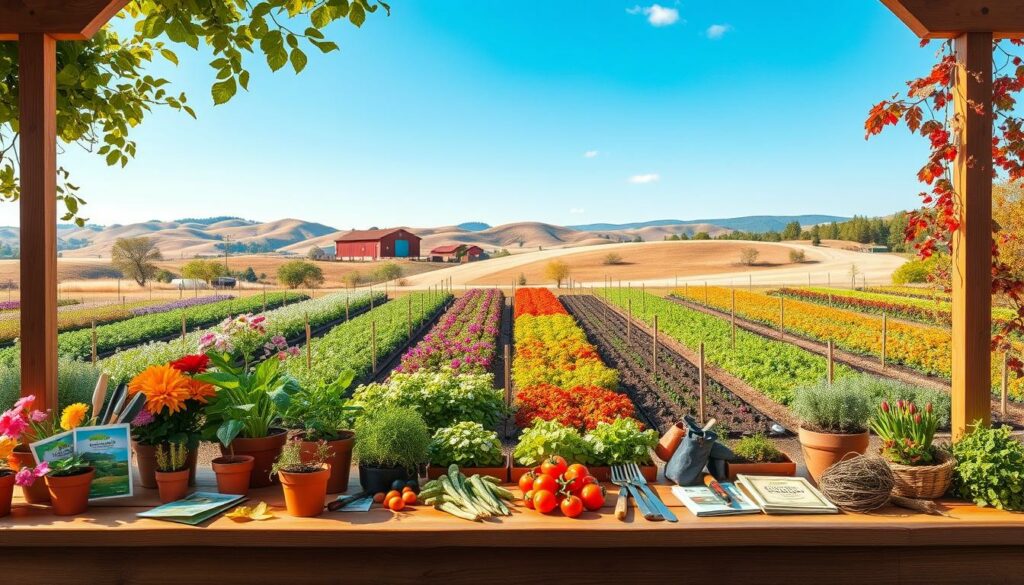
Garden success depends on reading the seasons. Plants react to temperature, daylight, and soil moisture. Knowing these signals helps with timing and reduces stress on trees, shrubs, and vegetables.
Use a gardening tips calendar to plan tasks that match the life cycles of your plants.
The Importance of Seasonality
Plants go through dormancy, growth spurts, flowering, and fruiting windows. Short days slow growth in many perennials. Warm nights speed flowering in annuals.
Pruning, fertilizing, and planting at the wrong time can stunt growth or invite pests. Growers should time sowing and harvest by natural cues. A reliable gardening tips calendar and extension service guidance help align tasks with plant physiology.
This approach leads to stronger root systems and higher yields.
Climate Zones in the U.S.
The USDA Hardiness Zones range from 1 to 13. They show average minimum winter temperatures. These zone numbers guide which species survive winter and when to set out tender plants.
Köppen climate types add context for heat, humidity, and seasonal rainfall patterns. California’s Mediterranean climate favors winter rains and dry summers. The Southeast has humid subtropical conditions.
The Northeast and Midwest experience more continental swings. Local resources like the University of California Master Gardener Program and Cornell Cooperative Extension explain microclimate differences.
Key Plants for Each Season
Spring suits cool-season crops like lettuce, peas, and pansies. Summer favors tomatoes, peppers, and basil. Fall returns to cool crops such as kale, broccoli, and chrysanthemums.
Winter supports cover crops, cold-hardy greens, and indoor herbs under grow lights. Staggered planting and succession sowing extend harvests across months. Select cultivars rated for your USDA zone and resistant to regional diseases.
Year-round gardening advice keeps beds productive and resilient.
Spring Gardening Essentials
Spring marks a fresh start for beds and containers. Gardeners should focus on soil health, smart plant choices, and early pest checks. These essentials build a strong foundation for success. They also support gardening tips year round.
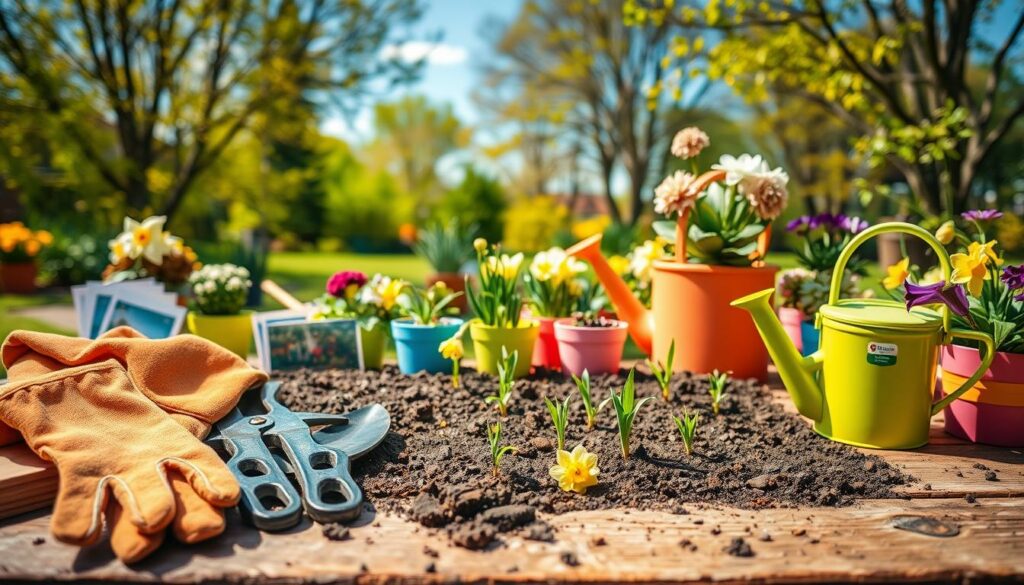
Soil testing gives clear direction before amendments. County extension offices and private labs offer pH and nutrient analysis.
Read the report to learn levels of nitrogen, phosphorus, potassium, and pH balance. Match amendments to results: compost and well-rotted manure add organic matter. Lime raises pH, and sulfur lowers it.
Good soil structure improves drainage and moisture retention. Add organic matter to heavy clay to break up compaction.
For sandy soils, compost increases water-holding capacity. Choose a method that fits the site. Double digging loosens deep layers, while no-dig beds preserve structure and reduce disturbance. Avoid working wet soil to prevent compaction.
Timing matters for sowing and transplanting. Check soil temperature with a probe before direct sowing.
Many cool-season seeds germinate at 45–60°F. Warm-season crops need 60–75°F. Transplants do best when soil is warm enough to promote root growth.
These steps reduce stress and improve germination rates.
Preparing the Soil for Planting
Start with a clear plan based on test results. Mix compost into the top 6–8 inches for most beds.
Apply amendments in fall or early spring. Then let moisture and microbes begin the integration. Use a garden fork or broadfork for aeration when the soil is workable.
For gardeners seeking low-labor options, raised beds and no-dig systems speed planting and improve yields. Mulch after planting to maintain soil moisture and suppress weeds. Keep notes on amendments and outcomes for future seasons to refine practices.
Choosing the Right Seeds and Plants
Select varieties suited to USDA zone and local microclimate. Read seed packet labels for days-to-maturity, disease resistance, and temperature tolerances. Trusted suppliers such as Burpee, Johnny’s Selected Seeds, and Baker Creek offer region-tested cultivars with reliable descriptions.
Decide whether to start seeds indoors or buy transplants. Starting indoors gives a head start on the season for tomatoes and peppers.
Harden off young plants by gradually increasing outdoor exposure over 7–10 days. Companion planting helps reduce pest pressure and improve pollination.
Common Spring Pests to Watch Out For
Early-season pests include aphids, flea beetles, cutworms, and slugs. Look for chewed leaves, slimy trails, wilting seedlings, and clusters of small insects on new growth. Regular scouting helps spot problems before they spread.
Use integrated pest management to limit chemical inputs. Handpick and destroy larger pests. Apply floating row covers to protect seedlings from flea beetles and cutworms. Set sticky traps for monitoring aphid flights. Use Bacillus thuringiensis for caterpillars and diatomaceous earth around vulnerable seedlings to deter slugs.
Encourage beneficial insects such as ladybugs and lacewings by planting early-blooming flowers and avoiding broad-spectrum insecticides.
Monitor pest levels and act only when thresholds are reached. This preserves useful predators and keeps the garden resilient while following gardening tips year round.
| Task | When to Do It | Quick Action |
|---|---|---|
| Soil testing | Late winter or early spring | Send a sample to county extension or private lab |
| Amend with compost | Early spring or fall | Mix into top 6–8 inches or use no-dig mulch layer |
| Start seeds indoors | 6–8 weeks before last frost (varies by crop) | Use grow lights and harden off before transplanting |
| Direct sowing | When soil temps reach seed-specific range | Check probe thermometer and follow packet timing |
| Pest scouting | Weekly from first green-up | Inspect new growth, use row covers or traps as needed |
Summer Gardening Strategies
The long days of summer demand focused care to keep beds productive and healthy. These strategies blend efficient watering, heat management, and timely feeding. They help gardeners maintain vigor through peak heat and support year-round care by preventing losses.
Effective Watering Techniques
Deep, infrequent watering encourages roots to grow downward. Water at the base of plants for 30 to 60 minutes using a soaker hose or drip line. This method fosters drought resilience and reduces surface evaporation.
Mulch with organic materials like wood chips or straw to keep soil moist and cool. Drip irrigation systems paired with timers from Rain Bird or Calsense help keep precise watering schedules. Water early in the morning to limit disease and avoid waste.
Use rough volumes as guides: leafy greens need about 1 inch per week. Tomatoes and squash often require 1.5 inches weekly in hot weather. Signs of under-watering include wilting and leaf curl; over-watering causes yellow leaves and soft stems.
Managing Heat Stress on Plants
Heat stress shows as wilting, leaf scorch, and blossom drop. Add temporary shade with shade cloth during heatwaves. Raise mulch depth to conserve soil moisture and choose heat-tolerant varieties like heat-set tomato cultivars.
Transplant outside cooler hours or earlier in the season to avoid peak heat. Move container plants to shady spots when temperatures spike. Adjust watering when daytime highs persist, as root hydration prevents fruit set drop.
Fertilization Tips for Optimal Growth
Follow a balanced fertilization schedule using slow-release formulas and organic side-dresses. Compost tea, fish emulsion, or blood meal supply nutrients for heavy feeders like tomatoes and squash. Test soil periodically and adjust feeding accordingly.
Avoid over-fertilizing to prevent root burn and disease. Apply foliar feeds sparingly during stress periods for a quick nutrient boost. These steps keep productivity steady from spring through fall.
| Focus Area | Recommended Action | When to Apply |
|---|---|---|
| Watering | Deep soak with drip/soaker; use Rain Bird or Calsense timers; mulch with wood chips or straw | Early morning, 1–3× weekly depending on soil and crop |
| Heat Management | Install shade cloth; increase mulch; select heat-tolerant varieties | When daytime temps exceed plant thresholds or during heatwaves |
| Fertilization | Balanced slow-release + organic side-dress (compost tea, fish emulsion) | Monthly for heavy feeders; follow soil test guidance |
| Signs to Watch | Wilting, leaf scorch, blossom drop, yellowing from overwater | Inspect plants weekly and after heat events |
Fall Gardening Preparations
Autumn is a busy time for gardeners wanting strong beds next spring. It combines harvest work with smart upkeep. A short plan helps prioritize tasks in a gardening tips calendar.
This plan keeps efforts focused on maintaining your garden year round.
Time to Harvest: What to Gather
Late-season crops reach peak flavor in fall. Look for firm carrots, beets with deep color, and solid heads on brassicas like cabbage. Apples should separate easily from branches and show full color.
Winter squash needs hard skin and a dry stem before curing. Store root vegetables in cool, dark places. Keep apples in perforated bins for cold storage.
Cure squash in a warm, dry spot for two weeks before moving it to long-term storage. Use succession harvesting to stretch yields and reduce waste through October and November.
Preparing Your Garden for Winter
End-of-season chores cut disease pressure and protect soil. Pull diseased plant material and discard it away from compost piles. Compost healthy crop residues or add them to green-waste programs.
Spread a final layer of compost or mulch to buffer soil temperatures and slow erosion. Test the irrigation system, repair leaks, and winterize exposed hoses and timers. Plant cover crops like rye, clover, or vetch to hold soil, suppress weeds, and add nitrogen.
Planting Perennials for Next Year
Fall is an ideal time to plant perennials and shrubs. Roots grow while tops go dormant, helping plants establish faster than in spring. Choose native varieties like Echinacea, Rudbeckia, and Salvia to support pollinators and increase resilience.
Dig holes twice the root-ball width and mix compost into the backfill for nutrients. Water new plants deeply at planting. Maintain moisture until the ground freezes.
Apply a light mulch layer after the first hard freeze to moderate soil temperature and prevent heaving. Use the gardening tips calendar to schedule harvest, cleanup, and new plantings.
Consistent fall gardening preparations keep soil healthy and support maintaining your garden year round.
Winter Gardening Practices
Cold months invite careful planning and creative growing. Winter gardening can keep fresh greens on the table and prep for a robust spring. The right indoor systems and outdoor protection extend productivity and reduce spring catch-up work.
Indoor options for home growers
Indoor gardening lets you harvest herbs and salad greens despite cold outdoor temperatures. Compact systems like AeroGarden and hydroponic kits give steady results without needing a full greenhouse. Microgreens and winter lettuce grow well under LED full-spectrum lights with 2,000–4,000 lumens per square foot and 12–16 hours of light daily.
Container herb gardens hold basil, parsley, and chives through winter near south-facing windows or supplemental lighting. Choose containers with good drainage and a light potting mix of peat or coconut coir plus perlite. Keep room temperatures near 65–70°F and moderate humidity; mist or use a small humidifier to help tender herbs.
Protecting outdoor plants from freezing cold
Protect outdoor plants with coverings and mulch. Frost cloth and row covers trap warm air near plants and reduce wind chill. Mulch with straw or shredded leaves to insulate roots in perennials and vegetable beds.
Cloches and burlap-wrapped frames protect small patches and shrubs. Water soil a few hours before a freeze to raise thermal mass and protect roots. Move potted plants indoors when possible. If pots stay outside, wrap them in bubble wrap or use insulating sleeves to slow heat loss.
Timing is key when using covers. Remove covers on sunny days to avoid overheating. Restoring airflow prevents mold and mildew. Always check overnight lows and daytime highs before uncovering plants.
Using downtime to plan spring success
Winter is ideal for planning. Review last year’s notes to refine crop choices and bed layout. Use a calendar based on USDA zone and local last frost dates to schedule sowing and transplanting precisely.
Order seeds early from trusted suppliers like Johnny’s Selected Seeds or High Mowing Organic Seeds to get preferred varieties. Maintain tools by sharpening pruners, oiling blades, and cleaning shovels to be ready when soil thaws.
These winter gardening tips and indoor options fit into practical year-round gardening advice. They keep plants productive and ease spring transitions for any gardener.
Best Tools for Year-Round Gardening
Choosing the right gear makes gardening easier in every season. This guide highlights practical picks and smart gadgets. It focuses on durability, comfort, and real-world performance so readers can build a reliable toolkit.
Must-Have Tools for Every Gardener
A core set of hand tools covers most tasks. A sturdy trowel and hand fork speed planting and weeding. Bypass pruning shears like Felco give clean cuts for roses and shrubs.
Loppers handle thicker branches. A spade and garden fork make soil work easier. A full-length rake and quality wheelbarrow move leaves and mulch with less effort.
Ergonomic designs reduce wrist and back strain. Fiskars, Corona, and Felco are known for durable, well-balanced tools. Personal protective equipment matters too, including thick gloves and knee pads.
A wide-brim sunhat shields skin during long gardening sessions.
Eco-Friendly Gardening Tools
Battery-electric tools cut emissions compared to gas models. Cordless trimmers and blowers from EGO and Ryobi deliver power without fumes. Using reusable or sustainably produced items lowers the garden’s footprint.
Rain barrels from Good Ideas and RTS capture water for dry stretches. Compost bins like Earth Machine turn kitchen and yard waste into rich soil. Hemp or cotton biodegradable twine replaces plastic ties.
Organic mulches slow evaporation and feed soil without synthetic inputs. These choices support healthier beds and reduce long-term maintenance.
Technology in Gardening
Smart devices take guesswork out of care. Soil moisture sensors from Ecowitt or Vegetronix report real-time conditions. Smart irrigation controllers like Rachio and RainMachine schedule watering to match weather and plant needs.
These systems conserve water while keeping plants consistent across seasons. Plant identification apps such as PlantSnap and iNaturalist speed diagnosis and care decisions. Garden planning apps track planting dates and harvests.
They help gardeners plan rotations and succession crops. Combined sensors and timers enable data-driven routines and smoother maintenance year-round.
| Category | Recommended Brands | Why It Helps |
|---|---|---|
| Hand Tools | Fiskars, Felco, Corona | Durable, ergonomic, precise cuts and soil work |
| Battery Tools | EGO, Ryobi | Lower emissions, quiet operation, cordless convenience |
| Water Capture & Compost | Good Ideas, RTS, Earth Machine | Reduce water bills, create soil amendments, close resource loops |
| Sensors & Controllers | Ecowitt, Vegetronix, Rachio, RainMachine | Automated watering, moisture monitoring, data for decisions |
| Apps | PlantSnap, iNaturalist | Quick ID, pest detection, planting schedules |
Integrating these tools gives gardeners a balanced and effective toolkit. Combining essential tools, eco-friendly picks, and technology supports reliable care all year.
Organic Gardening Tips
Organic gardening uses practical choices that protect people and wildlife. It also builds productive beds. Small shifts in timing, inputs, and care create big gains for flavor, biodiversity, and soil fertility.
The following guidance explains rewards, pest strategies, and how to strengthen soil with organic gardening tips at the center.
Benefits of Organic Growing
Choosing organic methods lowers exposure to synthetic pesticides and fertilizers. The USDA National Organic Program sets standards that increase consumer trust. These standards guide gardeners practicing at home.
Organic plots support pollinators and beneficial insects. This support improves yields and often enhances fruit and vegetable flavor. Extension services from universities like Iowa State and Cornell report stronger soil food webs and less runoff with organic practices.
Natural Pest Control Methods
Integrated pest management limits damage while protecting helpful species. Start with cultural controls like crop rotation, timely sanitation, and proper spacing. These steps reduce pest habitat.
Mechanical controls suit small gardens. Hand-picking, sticky traps, and floating row covers block pests without chemicals. Use these early to stop pest populations from growing.
Biological options include releasing predatory insects such as lady beetles or using nematodes against soil pests. Organic-approved products like neem oil, insecticidal soaps, and Bacillus thuringiensis work well if used as directed. Time applications to pest life stages and apply them only when needed to protect beneficial insects.
Soil Health and Organic Practices
Soil is the base of organic gardening success. Build fertility with hot composting to kill weed seeds and pathogens. Add compost regularly to keep organic matter and water-holding ability up.
Use green manures and cover crops like clover or rye to add nitrogen, reduce erosion, and feed microbes. Organic amendments such as bone meal, rock phosphate, and kelp provide slow-release nutrients and trace minerals.
Encourage mycorrhizae and diverse microbes by limiting tillage. Avoid harsh solarization that can harm beneficial fungi. Use microbial inoculants if soils are poor. Test soil yearly to guide amendments and adjust pH.
| Focus | Action | Timing |
|---|---|---|
| Reduce chemicals | Follow USDA organic standards; choose organic-certified inputs | Year-round |
| Pest prevention | Rotate crops, remove debris, use row covers and traps | Planting and early growth |
| Biological control | Introduce predators; use Bt, neem, insecticidal soap as needed | At pest threshold; target larvae and nymph stages |
| Soil building | Hot compost, cover crops, organic amendments | Fall and spring |
| Soil preservation | Adopt no-till or low-till practices; add mycorrhizal inoculants | During bed preparation |
Community Gardening Benefits
Community gardens bring neighbors together around shared plots and common goals. They boost local access to fresh produce and create new green space. These gardens offer hands-on learning for people of all ages.
They often become hubs for community gardening benefits that spread through neighborhoods.
Joining Local Gardening Clubs
Master Gardener programs and cooperative extension groups give gardeners access to workshops and expert talks. Local garden clubs host seed swaps and volunteer-led plot management. They also offer practical gardening classes.
The American Community Gardening Association and university extension programs run chapters. These help new members find plots and get seasonal guidance.
Sharing Resources and Knowledge
Garden communities lower costs by sharing tools, compost systems, and labor. Seed libraries and tool-lending programs provide equipment to those who can’t buy them. Groups also share rainwater capture systems and buy soil amendments in bulk.
Informal exchanges cover disease identification, cultivar trials, and local best practices. This sharing speeds learning and builds strength against pests or bad weather.
Impact on Community and Environment
Community gardens increase food security and serve as outdoor classrooms for youth. They improve biodiversity, manage stormwater, and reduce urban heat effects. Studies link these gardens to healthier diets and stronger social ties.
Working with municipalities and nonprofits can expand year-round growing. Volunteer training helps maintain gardens through better planning, cold frames, and crop rotations.
Troubleshooting Common Gardening Problems
When gardeners see stressed plants, stay calm and methodical. This section gives clear, year-round advice for diagnosing problems. Start by watching symptoms closely and reviewing recent care before acting.
Identifying Plant Diseases
Look for leaf spots, wilting, yellowing, or unusual growths. Note where symptoms appear on the plant. Think about stresses like overwatering, compacted soil, or nutrient shortages.
Common diseases include powdery mildew, blight, and root rot. Use resources such as local labs and apps like PlantVillage to confirm diagnosis. Cultural controls—crop rotation, sanitation, and resistant varieties—help prevent disease return.
Dealing with Pests Effectively
Follow an integrated pest management (IPM) approach: monitor pests, identify them, and set action limits. Use targeted controls like biological agents, pheromone traps, and botanical insecticides before broad pesticides.
Quick fixes include insecticidal soap for aphids, beer traps or copper barriers for slugs, and Bacillus thuringiensis (Bt) for caterpillars. Protect beneficial insects like lady beetles and lacewings to keep balance.
Steps to Revive Dying Plants
Isolate sick plants to prevent spread. Find the cause: pests, disease, water stress, or nutrient lack. Prune damaged parts with sterilized tools. Adjust watering and light to suit the plant’s needs.
Test the soil and add compost or nutrients as needed. For potted plants, repot if roots are cramped or rotting. Compost dead material and seek help from extension services or landscapers for big problems.