

Nearly 70% of American yards get at least six hours of direct sunlight each day. Many gardeners still struggle to pick the right plants for those hot, bright spots.
This guide explains what “sunny areas” and “full sun” mean: places getting six to eight hours of direct sunlight daily. Examples include south- or west-facing yards, rooftop planters, and exposed borders.
It focuses on practical choices for sun loving plants that perform well across U.S. climates.
Choosing the best sun loving plants depends on some key factors: USDA hardiness zones, soil type, and drainage. Also important are local water availability, expected maintenance time, and landscape function. That function might be ornamental display, edible yield, pollinator habitat, or durable ground cover.
Readers will find a clear roadmap ahead. The article covers perennials, annuals, shrubs, trees, vegetables, herbs, succulents, cacti, and ground covers.
It also shows how to build pollinator-friendly sunny gardens. Plus, it offers landscape design ideas tailored to full sun plants.
The focus is on actionable tips for low-maintenance, drought-tolerant sun tolerant plants. The guide also highlights high-impact full sun plants good for American gardens.
Expect practical care advice and plant selections that help gardeners find the best sun loving plants for their site and goals.
Key Takeaways
- “Full sun” means six to eight hours of direct sunlight per day—common in south- and west-facing areas.
- Select sun tolerant plants based on USDA zone, soil drainage, and water availability.
- Decide whether the area is for ornamentals, edibles, pollinators, or ground cover before planting.
- The article includes perennials, annuals, shrubs, trees, vegetables, herbs, succulents, and ground covers suited to full sun.
- Look for low-maintenance, drought-tolerant options when water is limited; choose high-impact plants for visual impact.
Introduction to Sun Loving Plants
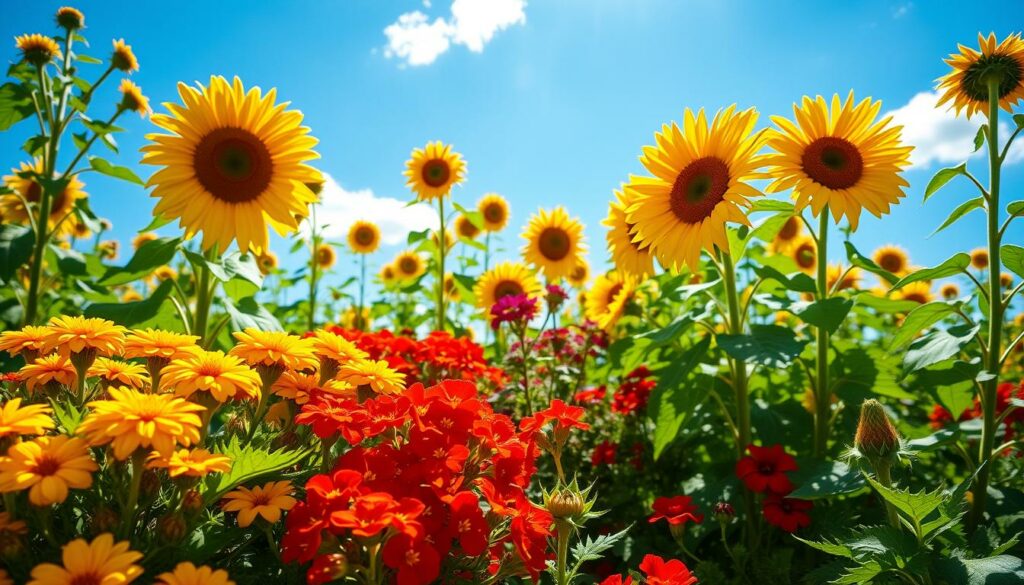
Sunny yards offer chances to grow showy blooms, productive vegetables, and low-care landscapes. Choosing the right species for bright spots makes gardens stronger and easier to maintain.
This introduction explains why plant selection matters and how to judge sun exposure.
Importance of Choosing the Right Plants
Selecting sun tolerant plants prevents stress, cuts disease and pest pressure, and saves time on routine care. Planting species suited to a site lowers irrigation and fertilizer needs.
Sites that match plant needs stay resilient during heat waves and droughts. Homeowners see fewer failures when they pick full sun plants that fit soil texture, microclimate, and wind exposure.
Matching species to conditions also helps the environment. Reduced water use protects local supplies. Less fertilizer lowers nutrient runoff. Healthier plants support birds and pollinators better than weak specimens.
Overview of Sunlight Requirements
Horticulturists sort light into clear categories. Full sun means six or more hours of direct light. Partial sun or partial shade spans three to six hours.
Shade offers less than three hours of sun daily. Direct midday sun differs from filtered morning light. Intense midday rays can scorch some perennials.
Succulents and many full sun plants thrive under intense light. Understanding direct versus filtered sunlight helps pick the best spots.
Testing a site is simple. Observe sun patterns across seasons, try a smartphone light meter, or use a sunlight tracker. Note how the sun angle changes through the year.
Nearby trees can cast shade. Some plants labeled sun loving adapt to occasional shade or hotter zones if given better soil and extra water.
Gardeners can expand options by improving drainage, adding compost, or using mulch to keep roots cool.
Perennials for Sunny Gardens
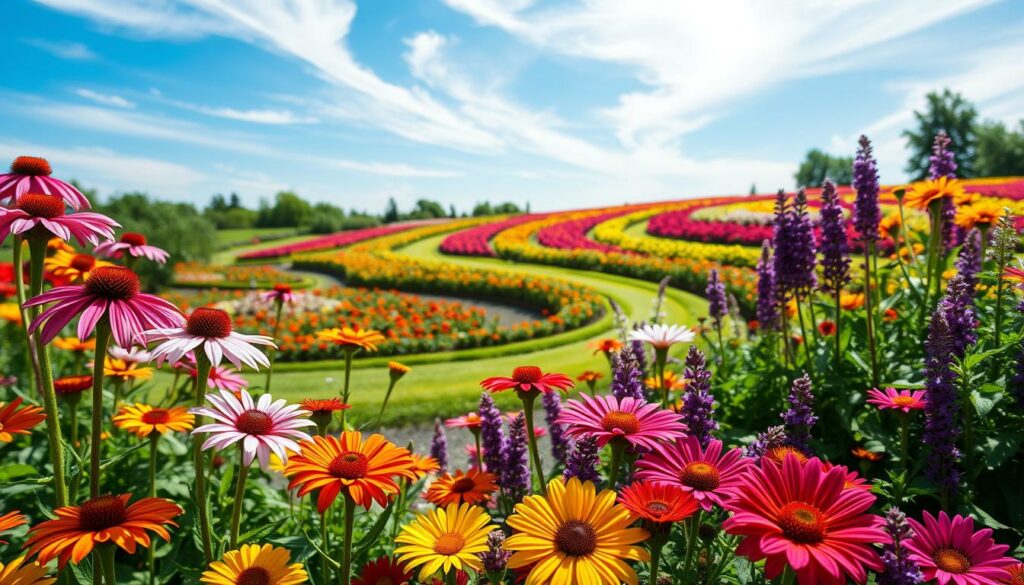
Perennials that grow well in full sun bring color and structure to sunny garden borders. Gardeners across the United States often pick varieties for long blooming periods and drought tolerance. They also value plants that attract pollinators.
Here is a simple guide to popular perennial choices and easy care tips for success in planting them.
Popular Sun Loving Perennials
Reliable and common sun-loving perennials include lavender (Lavandula spp.), coneflower (Echinacea purpurea), black-eyed Susan (Rudbeckia hirta), and Russian sage (Perovskia atriplicifolia). Other favorites are daylilies (Hemerocallis spp.), salvia (Salvia spp.), yarrow (Achillea millefolium), gaura (Oenothera lindheimeri), gaillardia (blanket flower), and tall stonecrop sedum (Sedum spectabile).
Lavender usually grows well in USDA zones 5–9. It features fragrant leaves and purple flower spikes. Coneflower thrives in zones 3–9 and attracts bees and butterflies. Black-eyed Susan and gaillardia provide bright summer colors with little effort.
Russian sage and salvia offer vertical shape and flowers that last a long time. Daylilies and sedum are easy-care plants that fill beds with steady growth. They are favorites for low-maintenance, sun-loving gardens.
Care and Maintenance Tips
Start soil preparation by mixing compost to improve soil fertility and texture. Many sun-loving plants prefer well-drained soil. If your soil is heavy clay, add grit or organic matter to prevent root rot. Test soil pH and adjust it if your plants need it.
Water new sun-loving perennials regularly during the first growing season to help roots develop. After that, give water less often, especially to drought-tolerant species. Use drip irrigation or soaker hoses to reduce water loss and target the roots.
Remove spent blooms to keep many sun-loving flowers blooming longer. Prune woody-stemmed perennials in late winter or early spring. Divide clumping plants like daylilies and sedum every three to five years to refresh growth and control size.
Watch for common problems like leaf spot, powdery mildew, and issues caused by poor drainage. Most sun-loving plants resist pests and diseases when grown in sunny, well-drained areas. Choosing plants suited to your local USDA zone lowers care needs and boosts long-term health.
Annuals that Thrive in Full Sun
Bright annuals add instant color to sunny beds and containers. Gardeners use sun-loving annuals to fill gaps and add seasonal drama. These plants also support pollinators.
The following recommendations highlight reliable performers for heat and strong light.
Vibrant annuals to consider
Marigolds (Tagetes spp.) show warm golds and oranges. They grow 6–24 inches tall and suit USDA zones 2–11. They repel some pests and help near tomatoes and peppers.
Zinnias (Zinnia elegans) offer bold reds and pinks. They grow 6–36 inches and tolerate hot summers. They are among the best sun-loving plants for cut flowers.
Petunias (Petunia × atkinsiana) fill hanging baskets with many blooms. They prefer full sun with at least six hours of light. Cosmos (Cosmos bipinnatus) produce airy flowers on tall stems and attract bees.
Cosmos thrive in poor soil. Portulaca, or moss rose, has succulent leaves and bright, low-growing flowers. It grows well in hot, dry areas.
Vinca (Catharanthus roseus) is heat-tolerant. It stays glossy and full of blooms in summer heat. Nasturtiums (Tropaeolum majus) have edible flowers and trail nicely in containers.
Celosia has bright, sculptural plumes. It does well in warm, sunny summers.
Seasonal planting strategies
Start petunia and zinnia seeds indoors for earlier blooms. Sow heat-loving annuals outdoors after the last frost when soil warms. Direct sow cosmos, nasturtiums, and zinnias for fast growth.
Water containers more during hot spells. Use mulch in beds to keep soil moist. Pinch young stems to encourage bushier plants and more flowers.
Succession planting by sowing or setting new flats every 3–6 weeks keeps color all season. In mild climates, some annuals last into fall, extending the display.
In colder zones, remove old plants and add compost to prepare beds for winter. This helps spring planting of sun-loving flowers start strong.
Shrubs for Sunny Spots
Sunny borders and hot slopes need shrubs that can handle heat and require little care. Choose varieties that fit soil type and climate. Make sure to plan for good drainage.
Planting tough shrubs cuts watering and keeps beds tidy all summer.
Drought-Tolerant Shrubs
For dry summer conditions, pick drought-tolerant sun-loving plants. Butterfly bush (Buddleja davidii) attracts pollinators and blooms all season.
Sterile cultivars are best where self-seeding might cause problems. Rockrose (Cistus spp.) handles poor soils and blooms in late spring.
California lilac (Ceanothus spp.) has shiny leaves and blue blooms with little water once settled. Potentilla (Potentilla fruticosa) and lavender do well on slopes and gravel. Oleander (Nerium oleander) suits warm coastal zones with care.
Most sun-loving shrubs need regular watering only during their first year. After rooting, they live on occasional deep watering. Use well-draining soil and avoid heavy clay.
Easy-Care Shrubs for Beginners
Low maintenance sun-loving shrubs suit gardeners who want simple care. Boxwood (Buxus spp.) adds structure to sunny borders but needs wind protection in cold, windy spots.
Spirea (Spiraea spp.) blooms freely and needs little attention. Dwarf Japanese barberry (Berberis thunbergii) can be tough in sun. Check local invasive species lists and consider native options like Ilex verticillata.
Mock orange (Philadelphus spp.) rewards light pruning with fragrant spring flowers. Trim plants lightly each spring to shape and remove dead wood.
Avoid heavy cutting late in the season. Add a 2–3 inch layer of organic mulch to save moisture and block weeds. Feed once each spring with slow-release fertilizer to support steady growth.
| Shrub | Sun Preference | Water Needs after Establishment | Notes |
|---|---|---|---|
| Butterfly bush (Buddleja davidii) | Full sun | Low | Attracts pollinators; prefer sterile cultivars in sensitive regions |
| Rockrose (Cistus spp.) | Full sun | Very low | Tolerates poor, dry soils; Mediterranean look |
| California lilac (Ceanothus spp.) | Full sun | Low | Early-season bloom; evergreen varieties available |
| Potentilla (Potentilla fruticosa) | Full sun | Low | Long bloom period; great for slopes |
| Lavender (Lavandula spp.) | Full sun | Low | Fragrant foliage; excellent for dry, rocky sites |
| Oleander (Nerium oleander) | Full sun | Low to moderate | Heat-tolerant; suitable for warm climates only |
| Boxwood (Buxus spp.) | Full sun to part sun | Moderate | Structured hedging; protect from harsh winter winds |
| Spirea (Spiraea spp.) | Full sun | Low to moderate | Reliable color and easy care for beginners |
| Mock orange (Philadelphus spp.) | Full sun to part sun | Moderate | Fragrant spring blooms; light pruning after flowering |
Trees that Love Sunlight
Sunny yards need trees that thrive in bright, open sites. Choosing the right trees helps create shade and supports wildlife.
It also helps frame outdoor living areas. This section shows reliable options and practical planting tips for full sun gardens.
Ideal choices include species that grow well in many U.S. climates. Red maple (Acer rubrum) suits moist, sunlit spots and adds fall color.
Crape myrtle (Lagerstroemia indica) shows long summer blooms in warm zones. Honey locust (Gleditsia triacanthos) offers dappled shade and lets grass grow beneath.
Eastern redbud (Cercis canadensis) thrives in bright spots and adds spring flowers. Ornamental pear (Pyrus calleryana) has white spring blooms but needs careful cultivar choice.
Ginkgo (Ginkgo biloba) handles urban stress and grows well on sunny city streets.
For evergreen screening or windbreaks, try southern magnolia (Magnolia grandiflora) in the Southeast for year-round leaves and fragrance.
Colorado blue spruce (Picea pungens) fits cooler, sunny sites. Choosing native trees supports wildlife and lowers long-term care needs.
Ideal Trees for Full Sun Exposure
Match a tree’s shape to your site. Tall, narrow trees fit small lots, while wide-canopy trees suit open lawns.
Consider seasonal beauty, wildlife benefits, and upkeep when choosing among these top sun-loving trees.
- Red maple — fall color, tolerates sun in moist soils.
- Crape myrtle — summer blooms, heat tolerant.
- Honey locust — light canopy, lawn-friendly.
- Eastern redbud — early spring flowers, adaptable.
- Ornamental pear — showy spring display, choose resistant cultivars.
- Ginkgo — urban-tolerant, distinctive form.
- Southern magnolia — evergreen screening in warm regions.
- Colorado blue spruce — cold-hardy evergreen for sunny sites.
Growth Considerations and Spacing
Plan for a tree’s mature size before planting. Canopy spread and roots decide how close you can plant near buildings and sidewalks.
As a guideline, place trees at least half their mature canopy width away from buildings and each other. This allows air and root growth.
Young trees need proper care. Stake them only if needed and remove ties within a year. Water deeply and less often to grow strong roots.
Mulch the root zone to keep moisture and stop weeds. Avoid heavy fertilizers that cause weak, fast growth.
Prune young trees early to build strong trunks and branches. Use root barriers near sidewalks for trees with aggressive roots.
In cities, pick sun-tolerant trees that withstand compacted soils, heat, and pollution.
| Tree | Best Sites | Mature Width | Notes |
|---|---|---|---|
| Red maple (Acer rubrum) | Moist full sun | 30–60 ft | Strong fall color; tolerates varied soils |
| Crape myrtle (Lagerstroemia indica) | Hot, sunny locations | 15–25 ft | Long bloom season; prune for shape |
| Honey locust (Gleditsia triacanthos) | Open sunny yards | 30–70 ft | Light canopy; good for lawn beneath |
| Eastern redbud (Cercis canadensis) | Sunny to part sun | 20–35 ft | Early spring flowers; compact forms available |
| Ornamental pear (Pyrus calleryana) | Sunny urban sites | 20–40 ft | Showy blooms; choose disease-resistant cultivars |
| Ginkgo (Ginkgo biloba) | Urban streets and full sun | 30–50 ft | Highly tolerant of pollution and compacted soils |
| Southern magnolia (Magnolia grandiflora) | Sunny warm climates | 40–60 ft | Evergreen screening and fragrant blooms |
| Colorado blue spruce (Picea pungens) | Cool, sunny sites | 30–60 ft | Cold-hardy evergreen for privacy |
Vegetables that Flourish in Sunlight
Sunny vegetable beds reward gardeners with high yields when plants get the right heat, soil, and care.
This section outlines warm-season favorites and smart planting tips for those growing vegetables in full sun.
It also covers companion planting and steps to keep soil fertile and crops productive.
Top Vegetables for Sunny Gardens
Tomatoes (Solanum lycopersicum), peppers (Capsicum spp.), and eggplant (Solanum melongena) are among the best sun-loving plants for heat and fruit set.
Cucumbers (Cucumis sativus), squash and zucchini (Cucurbita spp.), beans (Phaseolus spp.), corn (Zea mays), and melons thrive with steady sunlight and warm soil.
Warm-season crops need planting after the last frost when soil temperatures rise.
Cool-season greens, like lettuce, do better with partial shade or morning sun in hot climates to avoid bolting.
Gardeners should space plants to allow airflow and use trellises for vining crops to boost light and reduce disease.
Most vegetables prefer rich, well-draining soil with steady fertility.
Regular compost and balanced fertilizer support heavy feeders.
Rotate crops yearly to keep soil healthy and reduce pests and soil-borne diseases.
Companion Planting in Full Sun
Smart pairings increase yield and reduce pest problems in sunny beds.
Basil planted near tomatoes can improve flavor and may keep tomato hornworms away.
Marigolds planted around vegetable rows repel nematodes and attract helpful insects.
Beans fix nitrogen and make good companions for corn and other heavy feeders when rotated.
Gardeners should avoid planting the same sun-loving plants in the same spot each year.
This helps prevent nutrient loss and disease build-up.
| Vegetable | Sun Needs | Spacing | Support / Note |
|---|---|---|---|
| Tomato (Solanum lycopersicum) | Full sun | 24–36 inches | Stakes or cages; pairs well with basil |
| Pepper (Capsicum spp.) | Full sun | 18–24 inches | Fence for wind; consistent moisture |
| Eggplant (Solanum melongena) | Full sun | 24–30 inches | Mulch to retain heat; nutrient rich soil |
| Cucumber (Cucumis sativus) | Full sun | 12–18 inches (vined) | Trellis to save space and improve airflow |
| Squash & Zucchini (Cucurbita spp.) | Full sun | 36–48 inches | Needs pollinators; roomy beds |
| Beans (Phaseolus spp.) | Full sun | 2–6 inches (bush) 4–8 inches (pole) | Pole beans use supports; fix nitrogen |
| Corn (Zea mays) | Full sun | 8–12 inches (short varieties) | Plant in blocks for pollination |
| Melons | Full sun | 36–60 inches | Warm soil; ample water during fruit set |
Choosing sun-tolerant plants and rotating heavy feeders keeps beds productive.
Using vertical supports, mulch, and steady fertilization helps gardeners get the most from sun-loving plants in sunny vegetable patches.
Herbs That Prefer Bright Conditions
Bright, sunny spots suit many aromatic herbs. Mediterranean favorites grow well in full sun with well-draining soil.
These sun-tolerant plants reward gardeners with strong flavors and long seasons of use.
Best choices for sunny herb beds include rosemary (Rosmarinus officinalis), thyme (Thymus vulgaris), oregano (Origanum vulgare), sage (Salvia officinalis), basil (Ocimum basilicum), lavender, and chives.
Many of these herbs are drought tolerant once established. Gardeners in USDA zones 4–6 should use containers for rosemary and lavender.
Move these plants indoors during winter to protect them from cold.
Best Sun Loving Herbs
Rosemary and thyme are low-maintenance, sun-loving plants that handle heat and poor soil well.
Oregano and sage add bold flavors for cooking, and they resist pests effectively.
Basil prefers regular watering but thrives in bright conditions. Lavender acts as a fragrant shrub and attracts pollinators.
Harvesting and Culinary Uses
Harvest herbs in the morning after the dew has dried for the best flavor.
Pinch back tips to promote bushier growth. Avoid picking more than one-third of the foliage at one time.
To preserve herbs, dry thyme and oregano, freeze basil as pesto, and make rosemary oil infusions for longer storage.
In the kitchen, rosemary and sage pair well with roasted meats. Thyme and oregano are key in Mediterranean dishes.
Basil brightens salads and sauces. Chives add a fresh garnish to eggs and baked potatoes.
Organic care helps keep herbs healthy. Use companion planting to deter pests and ensure good airflow to prevent fungal problems.
These sun-loving plants need little effort but offer big rewards, perfect for busy gardeners seeking low-maintenance options.
Succulents and Cacti for Sunny Areas
Sun-loving succulents and hardy cacti are great for hot, dry areas in your garden. They need little water and are easy to care for. Use them in rock gardens, xeriscaping beds, or mixed containers for a strong look.
Popular succulent varieties
- Sedum (Stonecrop): hardy and versatile, perfect for bright, sunny borders.
- Sempervivum (hens and chicks): cold-hardy rosettes that form dense mats for rock gardens.
- Agave (Agave spp.): bold, architectural plants that withstand extreme heat and glare.
- Aeonium (Aeonium spp.): dramatic rosettes that grow well in drier, milder climates.
- Echeveria (Echeveria spp.): colorful rosettes best placed where afternoon sun is softer.
- Kalanchoe: heat-loving plants thriving in warm regions and containers.
These sun-tolerant plants pair well with drought-resistant grasses and lavender. They fit mixed borders and create striking contrasts near dark foliage or coarse textures.
Care guidelines for cacti
- Soil: use a very well-draining mix made for cacti and succulents to avoid root rot.
- Water: let soil dry between deep waterings; don’t water lightly too often.
- Light: most cacti need full sun but should adjust gradually to prevent sunburn.
- Airflow: keep good ventilation and avoid long wet or cold periods to stop disease.
- Fertilize lightly in spring and early summer with a low-nitrogen cactus fertilizer.
- Winter: bring containers indoors or protect from frost; use cold-hardy Opuntia outdoors.
Gardeners wanting low-maintenance, drought-tolerant sun-loving plants will find succulents and cacti reliable. With proper soil, light, and watering, these plants give lasting color and shape with little effort.
Ground Covers for Sunshine
Sun-filled beds benefit from low-growing plants that spread fast, hold soil, and add color without heavy upkeep.
The right choices change slopes, paths, and bare banks into attractive areas needing less mowing and water.
Low-Maintenance Ground Covers
Creeping thyme (Thymus serpyllum) thrives in hot, dry sites and fills gaps with fragrant blooms.
Sedum groundcovers, like Sedum acre, suit rock gardens and poor soils. Creeping phlox (Phlox subulata) brings spring color on slopes.
Delosperma ice plant offers bright summer flowers and excellent drought tolerance.
Ajuga can work in sunnier spots if soil stays moist.
Vinca minor fits shaded edges but tolerates some sun where needed.
For quick coverage, plant in staggered spacing and mulch until roots settle to limit weeds.
Advantages of Ground Cover Plants
Ground covers reduce lawn area and cut regular maintenance needs.
Many top sun-loving plants lower irrigation demands and protect soil from erosion.
Flowering varieties improve habitat for bees and butterflies, boosting garden biodiversity.
Choosing native or regionally suited species prevents invasive spread in natural areas.
Trim mats periodically to keep them tidy. Replace thin patches promptly and watch for pests or diseases.
Use-cases
- Slope stabilization and erosion control on sunny banks
- Weed suppression in large, exposed beds
- Low-growing color between stepping stones and along walkways
Planting and care tips
- Install plugs or small plants in a staggered pattern for faster cover
- Apply mulch until establishment to suppress weeds
- Trim edges and thin crowded areas once per year
The mix of sun-tolerant and low-maintenance plants makes landscape design easier and more resilient.
Choose varieties proven best for local climate and soil conditions.
Creating a Pollinator-Friendly Sunny Garden
A pollinator garden in full sun thrives with a mix of plants that bloom from spring through fall.
Choosing the right plants gives bees, butterflies, and hummingbirds steady nectar and pollen.
Gardeners enjoy healthier crops nearby and better biodiversity across the yard.
Plants That Attract Bees and Butterflies
Coneflowers (Echinacea) attract many native bees and butterflies. Milkweed (Asclepias spp.) is key for monarch caterpillars and butterflies. Bee balm (Monarda), lavender, and salvia have fragrant, tubular blooms for long-tongued pollinators.
Goldenrod (Solidago spp.) and asters bloom late, giving pollinators energy for migration or winter prep.
Sundrops (Oenothera) attract daytime and nocturnal visitors with bright, open flowers.
Butterfly bush (Buddleja) produces lots of nectar but should be planted carefully. Choose sterile or low-seeding types if invasive risk is a concern.
Pick flowers with different shapes and bloom times. Composite heads, tubular blossoms, and open flat flowers serve different species.
Native wildflowers suited to local conditions offer high ecological value and usually need less water or soil work.
Benefits of a Pollinator Garden
Supporting pollinators improves local ecosystems. Bees and butterflies increase fruit set for nearby tomatoes, berries, and fruit trees.
A pollinator garden in full sun adds visual interest with blooms that follow each other through the seasons.
Gardens that support pollinators need fewer chemical controls. Leaving some stems and seed heads over winter offers shelter and food.
Adding shallow water dishes with stones helps pollinators find safe drinking spots.
Simple steps protect pollinators: avoid broad insecticides, stagger plantings to extend bloom times, and favor native, sun-loving plants.
These actions build strong, attractive gardens supporting both wildlife and human enjoyment.
Landscape Design Ideas for Sunny Areas
Sunny yards offer a chance to create bold, low-maintenance gardens that perform all season.
Thoughtful layout and plant selection turn harsh light into an asset.
This short guide covers practical layout tips, plant groupings, and color strategies for sun-loving plants.
Grouping Sun Loving Plants
Group plants by water needs, soil preference, and mature size to simplify care and increase visual impact.
This method keeps irrigation efficient and reduces competition between species.
Use a structural backbone of shrubs or small trees with mid-layer perennials for texture.
Add low groundcovers or compact annuals as an understory to create depth and frame paths or seating.
Plant in drifts of odd-numbered masses—3, 5, or 7—to mimic natural stands and create harmony.
Repeat key species to link beds across the yard.
Place specimen plants like ornamental grasses or flowering shrubs at focal points to draw the eye.
Integrate paths, seating, and containers to break large sunny expanses into usable rooms.
Containers create microclimates for sun-loving plants that need more control over soil or moisture.
Color Schemes and Themes
Choose color strategies that match the site and mood.
Warm palettes—reds, oranges, and yellows—amplify heat and energy.
Cool palettes—blues, purples, and whites—give a sense of coolness on hot days.
Consider themed compositions: a Mediterranean xeriscape with lavender and rosemary offers drought resilience.
A cottage mix with coneflowers, rudbeckia, and salvias adds charm.
A pollinator meadow of native wildflowers and grasses supports biodiversity.
Plan for continuous interest with spring bulbs, early perennials, summer bloomers, and late-season asters and goldenrods.
Thoughtful staging keeps color rolling through the year in full sun sites.
Light-colored gravels or decomposed granite reflect heat and brighten beds.
Select mulches that balance moisture conservation and the desired look.
These hardscape choices support color schemes for full sun plants and protect roots from strong sun.
Use the best sun-loving plants as anchors, then add supporting species around them.
This makes maintenance easier and creates cohesive landscapes that thrive in long sunlight.
Conclusion: Choosing the Right Sun Loving Plants
Choosing the best sun loving plants starts with matching species to your site. Identify daily sun hours, soil type, and USDA hardiness zone before buying. Prioritize low maintenance and drought tolerant plants in hot, dry spots to save water and reduce upkeep.
Prepare soil and mulch to hold moisture. Set a simple watering plan for the first season. Consider mature size and spacing to avoid overcrowding.
Rotate vegetables yearly and plan succession planting. This helps keep blooms and harvests steady. Watch plant performance each season and adjust placement or irrigation as needed.
For more help, check the USDA Plant Hardiness Zone Map and local Cooperative Extension services. Use resources like the Lady Bird Johnson Wildflower Center, Native Plant Trust, Cornell, UC ANR, and the Missouri Botanical Garden Plant Finder when choosing cultivars.
Practical tools include smartphone apps like iNaturalist for identification. Visit local native plant nurseries, and join community gardening groups for hands-on tips. Careful planning with these resources builds resilient, sunny landscapes that need less work. These landscapes reward gardeners with lasting color and good harvests.