

Nearly 40% of U.S. vegetable yield gains come from planting the right crops at the right time. This shows that seasonality matters as much as seed variety.
This seasonal planting guide helps gardeners and small farmers across the United States choose the best crops for each season: spring, summer, fall, and winter.
It explains how photoperiod, temperature limits, and chilling needs affect plant growth. Matching crops to seasons also cuts fertilizer, pesticide, and water needs.
Readers will find a seasonal crop calendar and practical planting windows. It also offers crop-specific tips to boost yield and flavor.
The guide covers rotation, companion planting, pest control, and preservation. These methods help readers build resilient, resource-efficient gardens or farms.
This article is for home gardeners, community gardeners, market gardeners, and new farmers in various U.S. regions.
It previews topics like understanding seasonal crops, season-by-season crop lists, regional impacts, crop rotation, companion planting, sustainable methods, harvesting, pest and disease management, plus helpful resources and apps.
Key Takeaways
- Seasonal crops grow best when matched to local photoperiod and temperature windows.
- Using a seasonal crop calendar reduces inputs and helps improve flavor and yield.
- The best crops differ by region and by spring, summer, fall, or winter.
- Crop rotation and companion planting boost resilience and improve soil health.
- Choosing the right planting times and simple pest controls saves time and money.
Understanding Seasonal Crops
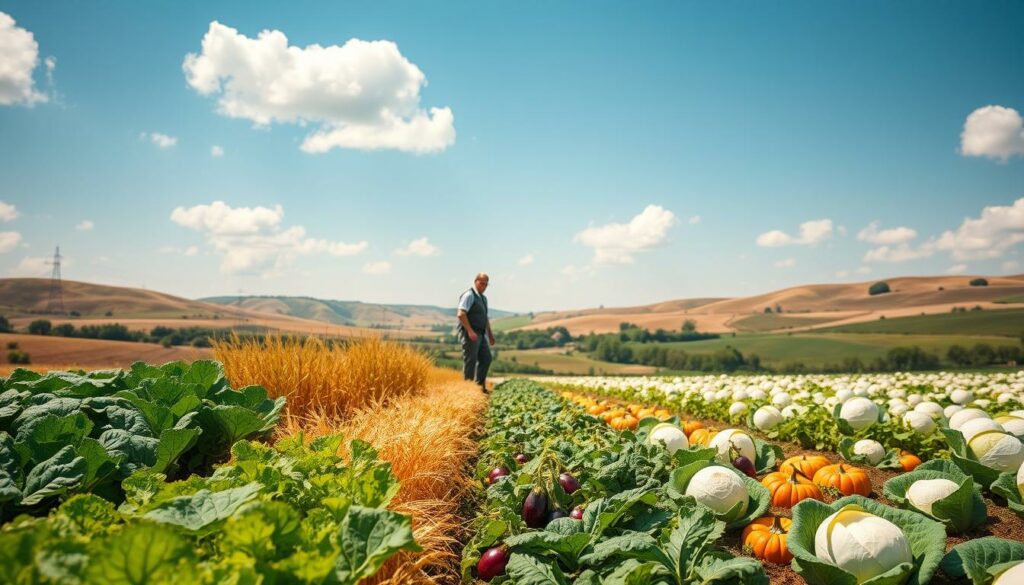
Seasonal crops follow cycles of temperature, daylight, frost, and rainfall. Gardeners and farmers who understand these cycles make better planting choices. This leads to healthier plants, higher yields, and less water and fertilizer use.
Definition of Seasonal Crops
Seasonal crops grow, flower, or rest based on predictable climate patterns. These include annual vegetables like tomatoes, biennials such as carrots, and perennials like apple trees. Biological drivers include photoperiodism and vernalization, plus temperature-based germination and Growing Degree Days.
Importance of Seasonality in Agriculture
Planting crops by seasonal cues improves germination and speeds growth. This also increases quality and pest resistance. U.S. farmers use USDA Plant Hardiness Zones and frost dates to plan better.
Seasonal planting saves water and lowers fertilizer runoff. Fresh, in-season produce sells for more at farmers’ markets and CSA programs. Rotating seasonal crops supports soil health and controls disease while helping pollinators.
Good planning means understanding microclimates like south slopes or urban heat islands. Farmers use season-extension tools such as row covers and high tunnels. Knowing the seasonal crops definition helps growers pick varieties suited to their region and harvest timing.
| Driver | Effect on Crops | Practical Tip |
|---|---|---|
| Photoperiodism | Triggers flowering in long-day or short-day crops | Pick varieties labeled for your day-length or adjust planting dates |
| Vernalization | Cold exposure required for some plants to bloom | Sow biennials and certain brassicas in fall where winters provide chill |
| Growing Degree Days | Predicts maturity and harvest dates | Track GDD to plan staggered plantings and market timing |
| Frost Dates | Define safe planting and transplant windows | Consult local last/first frost and protect seedlings with covers |
| Microclimates | Create pockets that extend or shorten growing seasons | Map your site and place tender crops where warmth is greatest |
Spring Crops to Plant
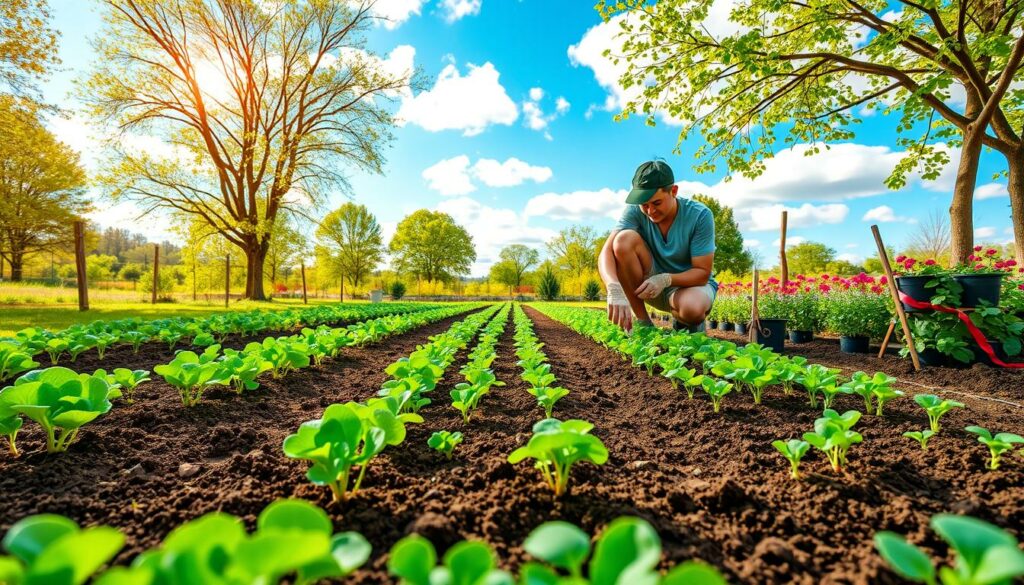
Spring invites gardeners to refresh beds and plan a vegetable garden that yields early flavor and steady returns.
Cooler soils and longer days favor certain crops.
Matching varieties to conditions makes the difference between a slow start and a productive spring.
Ideal Conditions for Early Planting
Soil temperature and moisture matter.
Many cool-season seeds germinate at 40–60°F, and beds should be workable without standing water.
Frost tolerance helps with early sowings.
Choose hardy types such as peas and spinach.
Protect tender transplants with cloches or row covers when nights dip below freezing.
Light levels shape growth.
Most vegetables need 6–8 hours of direct sun as day length increases.
Good light reduces bolting in greens and speeds maturity in root crops.
Popular Spring Crops
Leafy greens perform well in cool weather.
Spinach, lettuce, arugula, and Swiss chard prefer lower temperatures and bolt-resistant cultivars for extended harvests.
Brassicas provide high value when started early.
Broccoli, cabbage, kale, and cauliflower can begin indoors or be sown directly for a spring harvest.
Root crops thrive when sown shallow in loose soil.
Carrots, radishes, and beets do best in well-prepared beds and benefit from successive sowings.
Legumes and early peas improve soil nitrogen.
Snow peas and shelling peas are reliable first crops and support the next rotation.
Alliums and early onions are steady producers.
Sets and transplants for onions, scallions, and leeks give quick returns.
Early-season strawberries reward careful selection.
Day-neutral and June-bearing varieties with proper chill needs offer fresh fruit in late spring.
Harvesting Tips
Timing affects flavor and texture.
Harvest leafy greens while leaves are young for the best taste.
Pull root crops at recommended sizes to avoid woody texture.
Successive sowing extends yields.
Stagger plantings every 1–3 weeks to keep the harvest steady rather than concentrated in a short window.
Handle produce gently after cutting.
Cool harvested vegetables quickly to preserve taste and shelf life, then clean and dry before storage.
Watch for bolting as temperatures rise.
Harvest early-maturing cultivars first and remove bolting plants to make room for summer transplants.
Summer Crops for Optimal Yield
Summer has long days and high heat. This season offers a chance to boost yields with the right timing and care.
Farmers can use a seasonal crop calendar to plan when to transplant and direct-seed. This helps avoid heat stress and keeps harvests steady.
Good soil fertility, enough sun, and proper irrigation are key for growing the best summer crops.
Key Factors for Summer Planting
Choose plant varieties that handle heat well. Pick cultivars bred to thrive in high temperatures when possible.
Water needs rise in summer. Irrigate based on peak evapotranspiration to reduce water loss around midday.
Soil fertility is important, especially for heavy feeders like tomatoes and corn. Add compost and balanced N-P-K before planting.
Full sun for six to ten hours helps plants set fruit and grow fast.
Use seasonal crop calendars to choose planting times. Transplant seedlings after soil warms and direct-seed quick crops early to beat extreme heat.
Best Summer Crops
Nightshades like tomatoes, peppers, and eggplants do well in warm soil with regular watering.
Growers may pick determinate tomatoes for small spaces and indeterminate ones for ongoing harvests.
Cucurbits such as cucumbers, summer squash, and zucchini grow quickly. Trellising saves space and adds airflow, lowering disease risk.
Sweet corn and bush or pole beans make good pairs for succession planting.
Melons and pumpkins need long warm periods and plenty of room. Choose varieties that suit your region’s crop calendar.
Heat-tolerant greens like Malabar spinach, New Zealand spinach, and Swiss chard stay fresh when lettuces bolt in heat. These expand summer harvests.
Pest Management Strategies
Integrated Pest Management targets treatments smartly. Watch beds, identify pests, and treat only when needed.
Cultural controls come first. Use proper spacing, keep crops clean, and irrigate well to avoid drought stress that invites pests.
Biological controls help balance pests. Encourage ladybugs and lacewings to fight aphids, and use Bacillus thuringiensis for caterpillars.
Organic tools include neem oil, insecticidal soaps, and row covers for young plants. Crop rotation cuts pest build-up yearly.
Mulch and drip irrigation keep leaves dry to prevent disease. Pick blight-resistant tomatoes to improve yields and lower risk during the growing season.
Fall Harvest: What to Sow
As temperatures cool, gardeners should focus on crops that thrive in shorter days and mild frost. The fall window rewards careful planning on a seasonal crop calendar. Plantings should mature before hard freezes.
Characteristics of Cool-Season Varieties
Fall crops often improve in flavor after light frosts. Brassicas and root vegetables get sweeter when nights turn cool. Many plants are day-length sensitive, so variety choice matters.
Growth slows in autumn. Gardeners must allow extra time for crops to reach size. A seasonal crop calendar helps time seedings and transplants to avoid winter losses.
Top Picks for Autumn Planting
Brassicas such as kale, Brussels sprouts, and cabbage are great for fall yields. They tolerate chill and get sweeter after cold nights.
Root crops like beets, turnips, carrots, and parsnips store well and become tastier after frost. Alliums such as garlic and overwintering onions are planted in fall for next year’s harvest.
Leafy greens including collards, mustard greens, and bok choy do well in cold frames. They can extend harvests. Winter squash and storage pumpkins must be harvested before hard freezes and cured for storage.
Storage and Preservation Tips
Cure winter squash and pumpkins in warm, dry conditions, about 80–85°F for seven to 10 days. Proper curing hardens skins and boosts storage life.
Root cellaring works for carrots and beets. Store them at 32–40°F with high humidity, layered in sand or perforated plastic. Garlic and onions need cool, dry, ventilated spaces to avoid sprouting and rot.
Blanching before freezing preserves color and nutrients in greens and beans. Follow USDA guidelines for canning low-acid vegetables to ensure safety. Cold frames, row covers, or low tunnels extend harvest windows and protect delicate fall crops.
Plan plantings with crop rotation in mind to reduce pests and maintain soil health. Staggered sowings based on a seasonal crop calendar offer continuous yields and maximize the fall growing season.
Winter Crops: Planning Ahead
Planning a productive winter plot starts with realistic expectations about cold, light, and soil. Careful planning helps gardeners extend harvests. It also protects yields in a seasonal vegetable garden.
The guidance covers site adjustments, crop choices, and routine care. These tips keep plants healthy during cooler months.
Growing Conditions for Winter Crops
Cold hardiness matters most. Gardeners should check USDA zones and choose varieties rated for local minimum temperatures.
Many leafy greens tolerate light frosts but need protection from long, deep freezes.
Season-extension tools make a big difference. Cold frames, high tunnels, hoop houses, row covers, and mulch moderate soil and air temperatures.
These tools also lengthen the harvest window.
Light and soil also shape success. Lower winter light slows growth, so select crops with low light demand.
Keep soil fertile and well drained to avoid root stress.
Viable Winter Crops
Cold-hardy greens perform reliably. Kale, collards, mustard greens, winter lettuces like Lollo Rossa, mâche, and winter spinach deliver steady yields.
Root crops offer winter value. Parsnips often sweeten after frost.
Salsify and protected carrots store well when planted with winter protection.
Overwintering alliums and perennials can save labor. Certain onion and garlic types overwinter in milder climates.
Perennial herbs like thyme and rosemary survive in protected microclimates. Perennial kale provides year-round structure.
Maintenance and Care During Winter
Watering needs change. Reduce frequency but keep soil moisture consistent.
Heaters inside tunnels may dry the air, so watch soil moisture rather than rely on a calendar.
Ventilation prevents disease. Open tunnels or vent cold frames on warm winter days.
This lowers humidity and cuts fungal risks.
Pest monitoring remains important. Rodents and overwintering insects can damage roots and crowns.
Use trapping, habitat modification, and barriers to protect crops.
Succession planning keeps spring on track. Start seeds indoors in late winter for early transplants.
Schedule soil amendments while beds are dormant.
| Category | Examples | Key Care Notes |
|---|---|---|
| Cold-hardy greens | Kale, collards, mustard, Lollo Rossa, mâche, winter spinach | Plant in fertile, well-drained soil; use row covers for light freezes |
| Root crops | Parsnips, salsify, carrots (protected) | Deep, loose soil; mulch for temperature moderation and harvest ease |
| Overwintering alliums | Garlic, select onion varieties | Plant in fall in mild zones; protect with mulch in colder areas |
| Perennials | Thyme, rosemary, perennial kale | Plant in sheltered microclimates; prune minimally in winter |
| Season-extension tools | Cold frames, high tunnels, row covers, mulch | Use to raise soil and air temps; ventilate on warm days to reduce humidity |
| Winter tasks | Water monitoring, pest control, seed starting | Reduce watering frequency; trap rodents; start spring seedlings indoors |
Regional Differences in Seasonal Crops
Climate shapes what crops grow well in each area. Gardeners and farmers use seasonal crop calendars. These match planting dates with frost, heat, and rainfall patterns.
Understanding regional crop seasons helps plan crop rotations and protect yields. It also guides selecting varieties bred for local conditions.
USDA hardiness zones and microclimates set first and last frost dates. Coastal areas have milder winters and less temperature change than inland valleys.
Day length at different latitudes affects flowering in plants sensitive to light.
The Pacific Northwest has cool, wet springs and mild summers. Growers favor brassicas, root crops, and fall greens to resist fungal diseases.
Seed companies like Johnny’s Selected Seeds offer cultivars suited to this cool, wet climate.
The Southwest sees hot, dry summers with little rainfall. Many growers plant vegetables in spring and fall to avoid heat stress.
Drip irrigation, shade cloth, and drought-tolerant varieties from suppliers like High Mowing Seeds help ensure success in this region.
The Midwest has wide temperature swings and late frost risks. Farmers stagger plantings and use cold-hardy spring varieties.
Large-scale corn and soybean fields are common. Diversified growers use row covers and tunnels to extend the growing season.
The Northeast has a shorter growing season. Quick-maturing cultivars and season-extension methods help farmers maximize spring and fall harvests.
Community-supported agriculture and local extension services often provide region-specific seasonal crop calendars.
The Southeast enjoys long, warm seasons with multiple planting cycles yearly. Heat-tolerant tomatoes and peppers do well in summer heat.
Mild winters allow growers to plant overwintered greens and early spring crops. This supports continuous harvests through the year.
California’s Central Valley has a long season allowing many production cycles. Managing water and salinity is key to good yields.
Growers rely on extension advice and seed lines bred to meet local challenges.
Regional adaptations are important. Gardeners should use extension services and select seed varieties for local conditions.
Mapping microclimates and keeping an accurate seasonal crop calendar help optimize success with regional crops.
Crop Rotation and Seasonal Planning
Good seasonal planning pairs crop choice with timing to protect soil and raise yields. A clear crop rotation plan cuts pests, balances nutrients, and improves soil.
Gardeners and farmers use a seasonal planting guide to set blocks, timing, and cover crop windows that fit local climates.
Benefits of Crop Rotation
Rotating plant families breaks pest and disease cycles by removing host plants for soil pathogens. This lowers the need for chemicals. It helps manage common problems in tomatoes, peppers, and brassicas.
Alternating heavy feeders with legumes improves nutrient balance. Corn and tomatoes withdraw nitrogen; clover and vetch add it back. This supports steady fertility without excess fertilizer.
Diverse root systems and cover crops build organic matter and improve soil texture. Deeper roots loosen compacted layers while surface roots feed microbes. These changes boost yield stability across seasons.
Implementing a Crop Rotation Schedule
A basic plan divides beds into three to four blocks and moves plant families each year. For example: Solanaceae one year, Brassicas next, legumes or roots the third, then cucurbits or greens.
Small plots can use interplanting and container shifts to mimic larger rotations. Include cover crops like winter rye, clover, or vetch during fallow times to rebuild organic matter and fix nitrogen.
Timing cover crop termination to match planting windows is key for smooth seasonal transitions. Keep records in a garden journal or spreadsheet with planting dates, varieties, pest notes, and amendments.
These notes help refine planting guides and reveal patterns in yield and disease pressure. Scale and seasonality matter. Market farms use rotations and green manures aligned with cropping windows.
In cooler regions, longer rotations may be needed because some crops stay in beds into fall and winter.
- Tip: Start with a three-year rotation if new to the method.
- Tip: Use legumes near heavy-feeding beds to top up nitrogen before the next cycle.
- Tip: Review the seasonal planting guide annually to adjust for weather shifts and pest trends.
Companion Planting and Seasonal Crops
Companion planting pairs plants to boost yield, repel pests, and attract pollinators. It helps make the most of a seasonal vegetable garden. This method uses plant chemistry, physical support, and habitat provision to help crops grow well through spring, summer, fall, and winter.
Understanding companion planting
Companion planting puts compatible species close to each other for mutual benefit. Basil near tomatoes can keep pests away and improve flavor.
Corn acts as a living trellis for climbing beans. Flowers like calendula and alyssum attract pollinators to early spring sowings.
Practical mechanisms
Chemical signals help some plants repel insects. Physical protection offers shade or structure to delicate seedlings. Pollinator attraction boosts fruit set for crops needing bees and insects.
These mechanisms mean companion planting works best in certain seasons, not all year round.
Benefits of companion planting in each season
Spring plantings benefit from fast bloomers that draw pollinators and helpful predators.
Peas next to lettuce provide light shade and help reduce bolting. Early flowers improve pollination for many top seasonal crops.
Summer pairings focus on pest control and saving space. Basil near tomatoes lowers insect pressure. Marigolds and nasturtiums deter nematodes and aphids.
Trellising cucumbers near sunflowers or corn uses vertical space in a seasonal vegetable garden.
Fall companions help suppress weeds and protect late brassicas. Cover crops like clover or rye keep soil active and support predators of cabbage pests.
Garlic planted near late greens may reduce fungal disease risks.
Winter strategies favor perennial herbs and native shrubs hosting overwintering beneficial insects. Planting native perennials near winter tunnels provides early nectar for pollinators when first blooms appear.
Practical tips and cautions
Avoid incompatible mixes, such as onions and beans, which can stunt growth. Test new pairings on a small bed before expanding.
Combine companion planting with crop rotation and integrated pest management to protect harvests of the best seasonal crops.
| Season | Useful Companions | Primary Benefit | Examples of Best Seasonal Crops |
|---|---|---|---|
| Spring | Calendula, Alyssum, Peas | Attract pollinators, light shade | Lettuce, spinach, radish |
| Summer | Basil, Marigold, Nasturtium | Pest deterrence, aroma enhancement | Tomato, cucumber, pepper |
| Fall | Clover, Rye, Garlic | Weed suppression, disease reduction | Broccoli, kale, Brussels sprouts |
| Winter | Native perennials, Rosemary, Thyme | Habitat for overwintering beneficials | Winter greens, perennial herbs |
Sustainable Practices for Seasonal Agriculture
Adopting sustainable seasonal agriculture helps farms stay productive while protecting soil, water, and biodiversity. Practical steps focus on building healthy soil and cutting inputs. Matching crop choices to local climate and market needs supports resilient yields across all seasons.
Organic Farming Methods
Soil-building is key in organic farming. Farmers add compost, well-managed manure, and cover crops to increase organic matter. These improve nutrient cycling and soil health.
Fertility management uses targeted amendments. Compost tea, rock minerals, and approved organic fertilizers supply needed nutrients. Many growers test soil before applying inputs.
Pest and disease control uses cultural practices and biological tools. Crop rotation, beneficial insects, and resistant varieties reduce pressure. Approved organic products are last-resort treatments under National Organic Program rules.
Growers seeking organic certification must follow USDA standards on allowed inputs, buffer periods, and record-keeping. Clear records and audits help market access and build trust.
Water Management Techniques
Efficient irrigation is essential in sustainable seasonal agriculture. Drip irrigation and soaker hoses reduce evaporation and lower foliar disease risks compared to overhead sprinklers.
Mulching with straw or wood chips retains moisture, moderates soil temperature, and suppresses weeds. This step reduces irrigation frequency and improves plant health.
Rainwater harvesting provides a drought buffer. Cisterns and barrels capture runoff for irrigation during dry spells. This cuts reliance on municipal or well water.
Soil moisture monitoring helps precise watering. Tensiometers and probes, with evapotranspiration data, let growers schedule irrigation by need rather than habit.
Drought-resilient practices include choosing drought-tolerant cultivars and grouping crops by water needs. Reducing tillage conserves soil moisture and improves farm resilience long-term.
Harvesting Techniques by Season
Harvesting seasonal crops demands clear planning and quick action. Growers who follow a seasonal crop calendar increase flavor. They also reduce waste and protect shelf life.
A short guide helps field teams and home gardeners pick the right moment. It also shows how to use proper tools.
Timing the Harvest for Maximum Flavor
Flavor peaks vary by crop. Tomatoes taste best at full color on warm days. Leafy greens are sweetest before they bolt.
Root crops reach ideal sugar levels when they hit recommended sizes. Time of day also matters. Pick after morning dew dries but before midday heat for crispness.
Some crops, like melons, keep sugar if harvested during warmer hours. Use clear maturity indicators. Check firmness for squash, seed heads for peas, and color and texture for berries.
Simple sugar tests or refractometers help with melons and grapes. Rapid post-harvest cooling preserves taste and firmness. Hydrocooling or shaded forced-air systems slow respiration and extend shelf life.
Tools and Equipment for Harvesting
Hand tools remain essential. Sharp knives, Felco or Corona pruning shears, hori-hori knives, and hand trowels let pickers work cleanly and fast.
Proper containers reduce damage. Shallow harvest bins prevent crushing. Ventilated crates fit crops with high respiration rates, like leafy greens and berries.
Mechanical aids speed larger operations. Small-scale harvesters, bed lifters for carrots and beets, and conveyor belts boost throughput. They also cut labor strain.
Sanitation protects quality. Clean and sanitize knives, bins, and packing surfaces to limit cross-contamination. Follow Good Agricultural Practices and wash tools between shifts when selling produce.
Common Pests and Diseases by Season
Gardeners growing seasonal crops face changing threats throughout the year. This section covers typical pests and diseases by season. It offers practical prevention and treatment tips to keep beds healthy.
Identifying Seasonal Pests
Spring often brings aphids, flea beetles, cutworms, slugs, and snails. These pests attack young seedlings and transplants. Early scouting helps catch infestations while populations remain small.
Summer favors tomato hornworms, squash vine borers, armyworms, whiteflies, and spider mites. Warm weather speeds pest reproduction. Visual checks and sticky traps detect problems fast.
In fall, cabbage loopers, root maggots, and late-season slugs appear. Cool nights and high humidity increase fungal diseases. Sticky traps and soil checks spot pests before harvest.
Winter risks include rodents chewing roots and crowns. Insect eggs or fungal inoculum also overwinter in residue. Inspect tunnels, storage areas, and debris to find hiding pests and disease sources.
Prevention and Treatment Methods
Cultural controls are the first defense. Clean beds, remove residues, rotate plant families, and time plantings to avoid peak pest times. Proper spacing and pruning improve airflow to reduce disease.
Mechanical methods work well on small farms. Row covers keep insects out. Hand-picking larger pests like hornworms cuts damage quickly. Traps reduce slug and rodent numbers without chemicals.
Biological controls support long-term balance. Attract lady beetles and lacewings to control aphids. Use parasitic wasps or nematodes against soil pests for targeted suppression.
Chemical options should be selective and low in toxicity. Horticultural oils, insecticidal soaps, and Bacillus thuringiensis work against many pests. Follow label directions and observe pre-harvest intervals to protect consumers.
Disease management depends on resistant varieties and good hygiene. Choose cultivars with known resistance. Improve spacing and avoid overhead irrigation to reduce leaf wetness. Organic growers can use copper or sulfur where allowed.
Monitoring ensures decisions rely on data. Regular scouting, pheromone traps for borers, and record keeping reveal trends. Use thresholds to decide when to apply treatments and plan next season.
- Tip: Rotate crops and keep notes to reduce repeat outbreaks.
- Tip: Combine cultural, mechanical, and biological controls first. Use selective chemicals only if needed.
Resources for Seasonal Crop Management
Seasonal crop management resources help growers plan planting and monitor important conditions. They combine technology and proven guidance so gardeners or farmers can match crops to frost dates, soil moisture, and pest risks.
Below are practical tools and learning options to help put seasonal plans into action.
Useful Tools and Apps
Garden planner and crop calendar apps like Tending, GrowIt!, Vegetable Garden Planner, and GrowVeg make scheduling easy.
Weather and frost tools like NOAA/NWS forecasts, Weather Underground, and AgWeatherNet give timely microclimate alerts.
For soil and irrigation, devices from Vegetronix and AcuRite, tensiometers, and drip irrigation controllers with timers keep moisture steady.
For pests and disease, Seek by iNaturalist, university IPM apps, and CropHealth help with quick identification and response.
Educational Resources and Extension Services
Cooperative Extension offices at land-grant universities offer region-specific planting guides, soil testing, and pest diagnostics.
National publications like USDA guides, ATTRA, and eOrganic offer fact sheets on rotation, crop selection, and organic methods.
Local master gardener programs and county workshops give hands-on training.
Books like Rodale’s Ultimate Encyclopedia of Organic Gardening and The Vegetable Gardener’s Bible by Edward C. Smith offer reliable references.
Practical next steps include contacting a local extension for frost dates and testing soil before major amendments.
Downloading a crop calendar app and starting a simple three-plot rotation helps as well.
Using these resources, tools, apps, and extension services helps growers reduce risks and improve yields.