
Nearly 60% of Americans live in homes with limited outdoor space. A balcony or windowsill can host many thriving plants when done right.
Container gardening means growing plants in pots instead of the ground. This method suits apartment dwellers, suburban homeowners, and anyone wanting flexible green space.
Potted plants can turn small patios, porches, and indoor corners into lively, productive spots.
This guide covers how to choose the best plants for pots. It includes flowering annuals, edible vegetables, and hardy shrubs. You will also learn about potting mix, watering, fertilizing, and seasonal care.
Creative container ideas will help boost curb appeal and improve indoor air quality.
When picking plants for pots, consider the mature plant size and root habits, such as shallow or deep roots. Light needs and water requirements are also important.
Many common houseplants and outdoor ornamentals do well in containers if their root space and drainage needs fit the planter.
Key Takeaways
- Container gardening lets people grow plants in small or movable spaces.
- Choose plant containers sized to match mature plant height and root depth.
- Potted plants need good potting mix and proper drainage for success.
- Light and water requirements determine whether a species suits indoor or outdoor pots.
- The guide that follows covers specific flowers, vegetables, herbs, shrubs, and care tips.
Benefits of Growing Plants in Pots
Growing plants in pots offers clear advantages for gardeners of all skill levels. Container gardening allows better control over soil, light, and water. Potted plants make it simple to tailor conditions for each species.
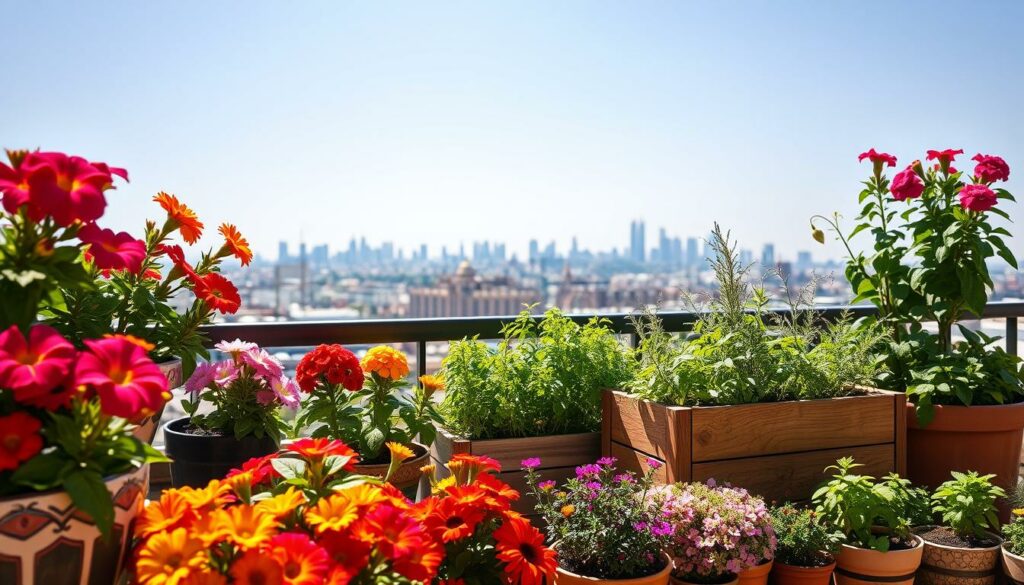
This method is great for patios, balconies, and indoor spaces.
Improved Drainage
Good drainage stops roots from staying too wet and prevents root rot. Plant containers with drainage holes let extra water drain away. This keeps roots from sitting in too much water.
Modern potting mixes balance air flow and moisture well. In the past, gardeners added pot shards or gravel for drainage. Now, quality potting mixes hold moisture but let air reach roots.
Flexibility in Placement
Containers let you move plants to the best light or shelter easily. You can bring plants indoors during frost or put them in shade during heat. This flexibility suits people with small yards or rental homes well.
It also lets you create seasonal displays or rearrange plants for events.
Aesthetic Appeal
Pots and containers act as focal points that match architecture and decor. Choosing the right colors, textures, and sizes helps blend outdoor and indoor designs. Popular planter materials include terracotta, glazed ceramic, fiberglass, and wood.
Each material affects soil temperature and moisture, which guides plant choice and placement.
| Benefit | How it Helps | Practical Tip |
|---|---|---|
| Drainage Control | Prevents root rot and fungal issues by letting excess water escape | Use containers with drainage holes and a well-formulated potting mix |
| Mobility | Allows moving plants for light, temperature, and display changes | Choose lightweight planters for pots when frequent relocation is needed |
| Design Impact | Enhances curb appeal and interior aesthetics through color and form | Mix terracotta and glazed ceramic plant containers for contrast |
| Space Efficiency | Enables gardening in small areas like balconies and patios | Stack or group potted plants to maximize visual impact |
| Microclimate Management | Helps protect sensitive species by relocating them as conditions change | Keep frost-tender plants near entryways for quick indoor transfer |
Types of Plants Suitable for Pots
Choosing the right potted plants starts with matching plant habits to container size and site conditions. Containers give gardeners control over soil and drainage. This control makes small spaces productive and visually rich.
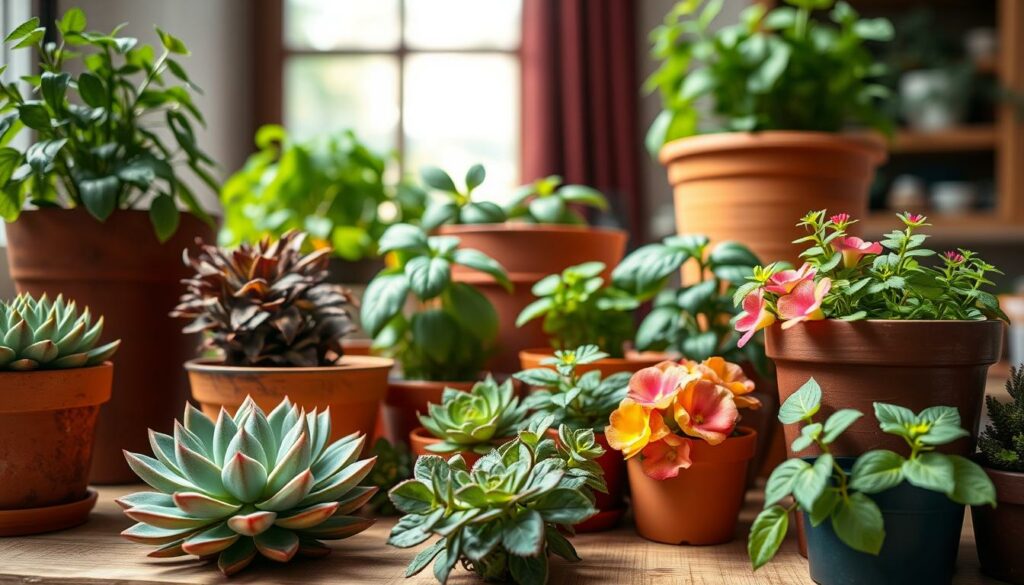
The next sections break options into clear groups. This helps readers plan displays that fit light, time, and maintenance needs.
Annuals vs. Perennials
Annuals complete their life cycle in one growing season. They bring fast color and seasonal change. Annuals in pots let gardeners switch themes yearly.
Perennials return year after year when cared for properly. They need larger pots, root pruning, or re-potting to avoid becoming root bound. Compact varieties help long-term health.
Container care differs by type. Annuals require more frequent feeding and watering. Perennials need winter protection and occasional division for vigor.
Edible Plants
Edible plants for pots offer fresh herbs and small crops for patios and balconies. Popular choices include patio tomatoes, compact peppers, herbs, strawberries, and dwarf citrus or fig trees.
Growing edible plants in pots makes pest control simpler. Harvests are easier to reach. Mobility lets you move containers for sun or shelter.
Pollination and sunlight are key for fruit set. Placing containers in full sun and encouraging pollinators improves yields for tomatoes and berries.
Ornamental Plants
Ornamental container plants range from flowering annuals to small shrubs, foliage plants, succulents, and ornamental grasses. Each adds texture and seasonal interest to arrangements.
Use foliage contrast and staggered blooms to keep displays attractive across seasons. Consider mature size and root limits for long-term containers.
Combining ornamental plants with a focal perennial or showy annual creates depth. Choose varieties labeled for containers for less maintenance and better fit.
| Plant Category | Good Container Choices | Care Notes |
|---|---|---|
| Annuals in pots | Petunias, begonias, calibrachoa | Frequent watering, regular feeding, easy seasonal swaps |
| Perennials in containers | Heuchera, dwarf lavender, sedum | Larger pots, occasional division, winter protection |
| Edible plants for pots | Patio tomatoes, basil, strawberries, dwarf citrus | Full sun, good drainage, pollinator access for better yields |
| Ornamental plants | Ornamental grasses, small boxwood, coleus, succulents | Match water needs, mind mature size, mix textures for year-round interest |
Top Flowering Plants for Pots
Containers can turn small spaces into vibrant displays. Choosing the right flowering plants for pots makes care simple. These options work well on balconies, patios, and window boxes. They offer strong color and are easy to care for.
Petunias
Petunias remain popular for gardeners wanting lots of color. Trailing and mounding types fill hanging baskets and large planters beautifully.
Use a potting mix that drains well. Place containers where they get full sun. Deadhead old flowers to keep blooms coming.
Feed petunias with a balanced fertilizer every one to two weeks during peak growing season.
Petunias may struggle in heavy rain if drainage is poor. Watch for fungal issues in soggy soil. Move pots to a sheltered spot when storms approach.
Marigolds
Marigolds bring long-lasting color to container gardens with little fuss. Compact French marigolds fit small pots well. African marigolds suit larger planters.
They tolerate heat and prefer full sun. Water when the top inch of soil is dry. Avoid overwatering. Deadhead to keep blooms coming and plants neat.
Marigolds help repel pests. They reduce nematodes and deter some insects. This makes them useful near vegetables or mixed plant displays.
Geraniums
Geraniums offer showy blooms and perform well on sunny windowsills and balconies. Pelargoniums are drought tolerant and bloom reliably.
Give them bright light and let the topsoil dry slightly between watering. Feed every four to six weeks with balanced fertilizer to keep flowers strong.
In cold climates, bring containers indoors before frost. Proper winter care keeps geraniums healthy for spring planting again.
Best Vegetables to Grow in Containers
Container gardening brings fresh produce to small patios and apartment balconies. Growing edible plants for pots saves space and cuts grocery trips. It also lets gardeners control soil and pests.
The right vegetable choices make harvests steady and satisfying.
Tomatoes reward container growers with high yields when matched to pot size and variety. Determinate patio tomato varieties suit smaller tubs and stop growing after a set size. Indeterminate vines need larger homes and pruning.
For determinate types, a minimum 5-gallon container works well. For indeterminate plants, choose 10+ gallon containers with sturdy stakes or tomato cages. Use potassium- and phosphorus-rich fertilizer to encourage fruit set.
Container-grown tomatoes demand consistent moisture to prevent blossom end rot. Water deeply and evenly, mulch the surface, and feed every two to three weeks during peak fruiting. Using a well-draining potting mix keeps roots healthy and reduces disease risk.
Peppers thrive in pots because many varieties have compact root systems and tolerate warmer soil temperatures. Bell peppers, jalapeño, and smaller chili varieties perform reliably in 3–5 gallon containers. Place plants in full sun and use a loose, well-draining potting mix.
Steady moisture supports flowering and fruiting for peppers in pots. Apply a balanced fertilizer through the season and remove crowded leaves to improve airflow. Most pepper plants hold fruit without heavy support, so caging is optional.
Leafy greens fit tight spaces and harvest quickly, making them ideal for container gardening. Lettuce, spinach, arugula, and loose-leaf kale need shallow containers or window boxes due to their modest root depth.
Succession planting keeps greens producing across weeks. Protect younger plants from heat to prevent bolting. Check soil often to maintain light, even moisture. Microgreens offer another container-friendly option for indoor growers seeking rapid, nutrient-dense greens.
| Vegetable | Recommended Container Size | Sun Needs | Key Tips |
|---|---|---|---|
| Determinate Tomatoes | 5 gallons | 6–8 hours | Use patio varieties, regular feeding, consistent water |
| Indeterminate Tomatoes | 10+ gallons | 6–8 hours | Support with cages, prune suckers, feed potassium-rich fertilizer |
| Bell, Jalapeño, Chili Peppers | 3–5 gallons | 6–8 hours | Warm soil, well-draining mix, balanced fertilizer |
| Lettuce & Spinach | Shallow pots or window boxes (4–6 inches deep) | 4–6 hours (some shade in heat) | Succession sowing, cool temps to avoid bolting, even moisture |
| Arugula & Kale | 6–8 inches depth | 4–6 hours | Harvest outer leaves, partial shade in hot climates, good drainage |
| Microgreens | Shallow trays | Bright indirect light | Fast harvest, ideal for indoor leafy greens container gardening |
Herbs That Thrive in Pots
Growing herbs in containers brings fresh flavor close to the kitchen. It fits patios, balconies, and windowsills well. Choosing the right herb and pot keeps plants healthy and makes care easy.
Below are care notes for three herbs that do well in small spaces.
Basil
Basil in pots is popular for cooks and new gardeners. It likes warm temperatures and full sun. Place the pot where it gets six or more hours of light daily.
Use a well-draining potting mix to avoid soggy roots. Pinch the top leaves often; this encourages bushy growth. Basil is sensitive to cold and should be brought indoors early in frost.
Keeping a pot near the kitchen makes snipping leaves for sauces easy.
Rosemary
Rosemary adapts well to container gardening with bright light and good drainage. It is woody and drought-tolerant. Choose a lean potting mix to lower root rot risk.
Using a clay or terracotta pot helps excess moisture escape. Prune rosemary to keep its shape and promote airflow through the leaves. In cold USDA zones, bring rosemary indoors to protect it from freezing.
Mint
Mint spreads aggressively in the ground, but planting in pots controls its runners. This protects other plants from invasion. Mint can grow in partial shade or full sun, depending on the variety.
It prefers moist, well-drained soil. Harvest often to keep it healthy and prevent legginess. Check drainage holes because roots can escape from pots set on bare soil.
- Soil tip: Use light potting mix for rosemary, richer mix for basil, and moisture-retentive mix for mint.
- Placement: Keep basil in sun, rosemary in bright light, and mint where it gets afternoon shade in hot areas.
- Indoor use: Many gardeners bring these herbs indoors during cold months to keep harvesting.
Shrubs and Small Trees for Pots
Choosing the right shrubs and small trees for pots lets gardeners add year-round structure. They also add seasonal interest to patios, balconies, and entryways. Container plants need special care for roots, water, and winter protection.
The right planter, soil, and pruning schedule keep plants healthy and compact.
Dwarf Alberta Spruce
The Dwarf Alberta Spruce adapts well to patio life with its compact, pyramidal growth. Large, deep containers give roots room and reduce rapid drying. Check moisture regularly to avoid stress from drying out.
Winter protection is important. Move pots to a sheltered spot in extreme cold. Or wrap root zones with insulating material to limit freeze-thaw damage.
Repot every few years using fresh potting mix. This replenishes nutrients and prevents root binding.
Japanese Maple
Dwarf and compact Japanese maple cultivars fit well in small containers. They show striking fall color and have refined branching. These qualities suit terraces or courtyards.
Place Japanese maple where it gets morning sun but afternoon shade in hot climates. This helps prevent leaf scorch. Use deep, roomy planters for stable root growth. Water carefully to avoid sudden drying that causes stress.
Boxwood
Boxwood is a top choice for structured container plantings and topiary work. For pots, select compact cultivars like ‘Nana’ or ‘Green Velvet’ that handle confined root space well.
Prune regularly to maintain form. Use a well-draining, slightly acidic-to-neutral potting mix. In cold regions, add mulch and place planters in sheltered spots. Protect roots from harsh weather.
Watch for boxwood blight and common pests. Treat problems early to keep your container specimens healthy.
| Plant | Best Pot Type | Sunlight | Watering Notes | Winter Care |
|---|---|---|---|---|
| Dwarf Alberta Spruce | Large, deep planters for pots | Full sun to part shade | Keep evenly moist; avoid drying out | Move to shelter or insulate roots |
| Japanese Maple (dwarf) | Deep, stable containers | Morning sun, afternoon shade | Regular, careful watering to prevent stress | Protect from harsh sun and extreme freezes |
| Boxwood (compact cultivars) | Medium to large planters for pots | Part sun to shade | Well-draining mix; moderate watering | Mulch root zone; shelter from wind |
Tips for Potting Mix and Soil
Choosing the right medium can make or break your success with potted plants. Container roots need air, moisture, and balanced nutrients. Garden soil often compacts and limits oxygen. So, a purpose-made mix helps roots grow strong.
Importance of Quality Potting Mix
Commercial potting mixes are lighter and sterile compared to garden soil. They mix peat moss or coconut coir with perlite or vermiculite. This holds moisture while allowing air.
Composted bark adds structure for bigger pots and long-lasting containers. The best potting mix lowers disease risk and supports steady root growth. Improved aeration and drainage lead to healthier foliage and better edible yields.
Recommended Soil Amendments
For succulents and cacti, add perlite or coarse sand to the potting mix. This speeds drainage and prevents root rot. Vegetables and heavy feeders do well with added compost or well-rotted manure.
Slow-release organic fertilizer keeps long-season containers fed. Check pH for acid-loving plants like azaleas and blueberries. Adjust with sulfur or acidic mixes if needed.
Avoid straight garden soil since it compacts and reduces aeration, stressing roots. Top-dress containers yearly with compost to refresh nutrients. Repot small herbs and annuals every year.
Larger shrubs usually need repotting every two to four years. To refresh tired container soil without full repotting, remove the top 2–3 inches. Replace it with fresh potting mix and compost.
| Need | Recommended Amendment | Why It Helps |
|---|---|---|
| Better drainage for succulents | Perlite or coarse sand (1:1 with mix) | Speeds drainage and prevents root rot |
| Lightweight, moisture retention | Peat moss or coconut coir | Holds moisture without compaction |
| Long-season feeding | Slow-release organic fertilizer | Steady nutrient release for sustained growth |
| Nutrient-hungry edibles | Compost or well-rotted manure | Provides organic matter and micronutrients |
| Acid-preferring plants | Acidic potting mix or sulfur adjustment | Maintains proper pH for uptake of nutrients |
Watering Techniques for Potted Plants
Proper watering helps container plants grow strong roots and stay healthy. It stops stress from too little or too much water.
Frequency of Watering
How often you water pots depends on size, material, plant type, temperature, and sun. Small terracotta pots dry out fast.
Large plastic or glazed pots keep moisture longer. In hot weather, small pots may need water every day. Bigger pots last several days.
Check soil moisture by feeling the top 1–2 inches. A moisture meter like Milwaukee or Dr. Meter helps when unsure.
Water pots deeply until water drains out bottom holes. Deep watering makes roots grow throughout the pot.
Shallow, frequent water makes roots stay near the surface.
Signs of Overwatering vs. Underwatering
Overwatering causes yellow leaves, soft stems, sour smells, mold on soil, and limp growth from root rot. If you see these, stop watering.
Lift the pot to check drainage. Underwatering shows as wilting, dry soil pulling from edges, crispy leaf edges, and slow growth.
Dry pots can recover by soaking in water until bubbles stop. To fix overwatering, improve drainage and use fresh soil if roots rot.
For underwatering, water deeply and adjust watering to weather and plant needs.
- Mulch large pots to slow moisture loss.
- Use self-watering planters or drip emitters during busy times.
- Watch new soil closely after repotting because it drains differently.
Water more in summer and less in cool months. Check regularly to prevent too much or too little water and keep plants healthy.
Fertilizing Potted Plants
Fertilizing potted plants helps container gardens stay healthy and productive. Potting mixes lack some key nutrients and micronutrients. Regular feeding adds what soil cannot hold and supports blooms, foliage, and fruit on the best plants for pots.
Types of fertilizers
Gardeners can choose balanced water-soluble fertilizers, slow-release granules, or organic options like compost tea, fish emulsion, or seaweed extract. Water-soluble feeds provide quick correction and fast growth. Slow-release granules supply steady nutrition for weeks at a time. Organic plant food feeds plants and improves soil biology.
Flowering plants benefit from higher-phosphorus mixes for stronger blooms. Leafy greens need higher nitrogen to grow lush foliage. Micronutrients like iron, manganese, and zinc are often missing in potting mixes. Adding these nutrients prevents yellowing veins and stunted growth.
Timing and application
Begin feeding in spring once new growth appears. Continue through the active season, following product directions for intervals. Reduce or stop feeding in winter when indoor plants rest. Set a feeding schedule and mark it on a gardening calendar.
Dilute water-soluble fertilizer to half strength for sensitive plants and seedlings. Use slow-release granules at label rates when planting or topping established pots. Flush containers with water every few months to remove salt buildup and avoid root burn.
Practical guidance
Combine fertilizing with regular watering. Wet soil absorbs nutrients better than dry soil. Watch for signs of nutrient deficiencies like chlorosis, thin growth, purple leaves, or poor flowering. Use corrective feeds matched to symptoms, like iron chelate for iron deficiency or a bloom booster for weak flowers.
For long-term health, rotate organic plant food with synthetic fertilizers when needed. Many plants thrive with regular feeding and good fertilizer timing. These simple steps keep potted plants vigorous and productive all season long.
Seasonal Considerations for Pot Plants
Container gardening requires small changes each season to keep potted plants healthy all year long. Watch light levels, temperature, and watering during these shifts. These adjustments protect roots, reduce stress, and help plants live longer.
Winter care tips
In cold U.S. areas, start winter care before the first hard frost. Move tender plants indoors near bright windows or under grow lights. Cut back watering and stop fertilizing while plants rest.
Keep outdoor containers warm by wrapping pots with bubble wrap or burlap. Place pots close to foundation walls or in an unheated garage. Lift small pots off icy ground using pot feet to protect roots from freezing.
Summer heat management
During summer, focus on cooling and keeping moisture in pots. Move containers into part-shade during midday sun. Use bigger pots to reduce temperature swings. Mulch topsoil to keep moisture and lower evaporation.
Water more during hot spells and watch for wilting or heat-damaged pests. Use light-colored or insulated pots to reflect warmth. Set up shade cloth or move pots during heat waves.
Transitional tips
When moving plants outdoors, harden them off over seven days. Start with a few morning hours of sun, adding more daily. This step prevents shock and sunburn.
For fall, trim old growth and refresh pot topsoil. Check drainage and group pots together to shelter each other as nights get cooler.
Creative Container Ideas for Plants
Plants in containers can change a porch, balcony, or kitchen counter. Practical plant pot ideas mix form and function so plants thrive while the space looks intentional.
This section covers inventive upcycled containers for plants and simple color and texture planters that elevate potted plants decor.
Upcycled containers for plants can be both sustainable and stylish. Vintage tins, wooden crates, old watering cans, cast-off ceramicware, and wine barrels make great homes for herbs, annuals, and small shrubs.
Drill drainage holes or add a plastic liner to protect wood and metal. Match container size to soil weight so the base stays stable.
Using these repurposed items saves money and reduces waste while creating a unique focal point.
Color and texture planters shape the mood of a display. Monochromatic schemes with white ceramic pots give a modern, calm look. Bold contrasting colors draw the eye to a focal plant.
Combine glossy glazed pots with soft foliage or rough terracotta with spiky succulents to play with tactile contrast. Consider material effects—terracotta breathes and dries faster; plastic retains moisture; metal heats up in sun.
Group odd numbers and varied heights to create balanced depth.
Practical styling keeps displays fresh through the seasons. Rotate annuals and swap seasonal blooms.
Mix edible herbs in decorative containers for a functional touch. Anchor arrangements with evergreen structure plants for winter interest.
Thoughtful choices of planters and creative plant containers help gardeners achieve lasting, attractive potted plants decor.