
Nearly 70% of U.S. home gardeners say their best harvests start with spring planting. This shows spring gardening is key to a good season.
This beginner guide offers a clear, practical look at what to plant in spring and why timing is important.
It also covers which essentials make a small garden productive. It is written for new gardeners across the United States.
The guide helps with simple spring garden ideas to grow vegetables, flowers, and herbs suited for cool-to-warm spring days.
Readers will learn how to pick reliable vegetables like peas and spinach. They will also discover which flowers bloom early and how to grow kitchen herbs after the last frost.
The guide previews soil preparation, basic tools, and watering routines that help young plants grow strong roots and steady growth.
Key Takeaways
- Spring gardening sets the tone for the growing season; early choices influence crop success.
- Start with cool-season vegetables and hardy herbs for reliable early yields.
- Prepare soil and have a few spring gardening essentials on hand before planting.
- Use simple spring garden ideas—like raised beds or containers—to control soil and timing.
- Plan planting around local frost dates to protect seedlings and maximize growth.
Understanding the Spring Gardening Season
Spring brings a clear shift in light, temperature, and soil activity that gardeners rely on. This window sets the stage for success with vegetables, annuals, and herbs.
A few smart seasonal gardening tips help gardeners take full advantage of the warming days and longer growing season.
Importance of Planting in Spring
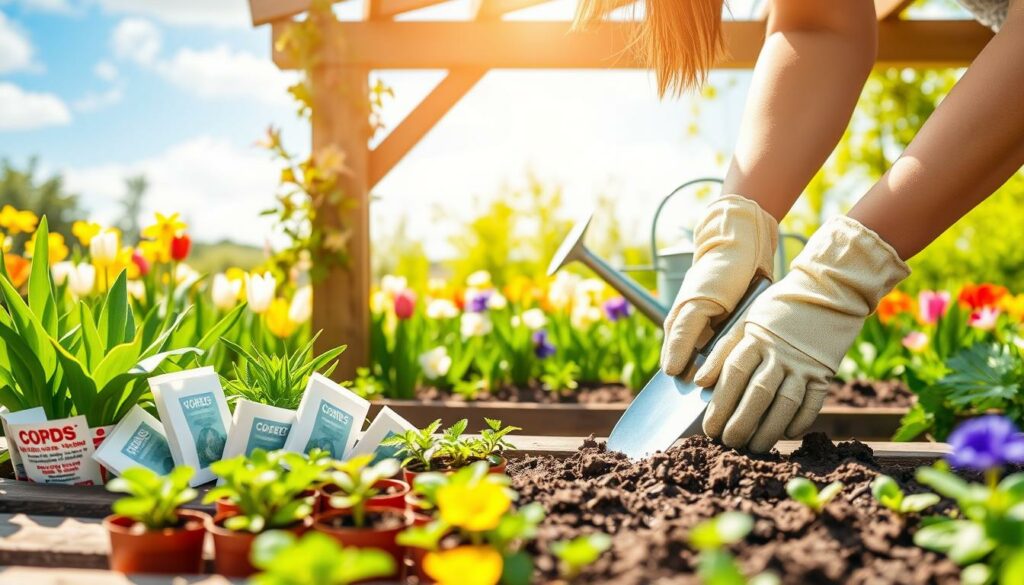
Plants respond to rising daylight and warming soil by growing quickly. Planting in spring lets roots establish before summer stress appears.
Early planting can deliver earlier harvests and a longer productive season for many crops.
Ideal Climate Conditions
Ideal conditions depend on USDA hardiness zones and local microclimates. Cool-season crops tolerate soil temperatures around 40–60°F.
Warm-season crops prefer 55–70°F or higher. Gardeners should check soil warmth, drainage, sun exposure, and the chance of late frosts when choosing what to plant.
Timing for Planting
Use last-frost dates, seed packet guidance, and soil thermometers to plan spring planting timing. Cool-season vegetables such as lettuce, peas, spinach, and radishes can be sown outdoors several weeks before the final frost.
Start tomatoes, peppers, and cucumbers indoors about six to eight weeks before transplanting outdoors once nights stay frost-free.
Staggered sowing stretches harvests and reduces risk from unexpected weather swings. Gardeners in northern states benefit from earlier indoor starts and quick-maturing varieties.
Those in southern states may plant earlier outdoors, watching for late cold snaps and early heat that can stress cool-season crops.
Essential Tools for Spring Gardening
Spring brings a rush of tasks that need the right gear. Preparing a spring garden checklist helps gardeners gather supplies, save time, and avoid mid-season runs to the store.
The focus here is on spring gardening essentials that suit beginners and serious hobbyists alike.
Basic Gardening Tools
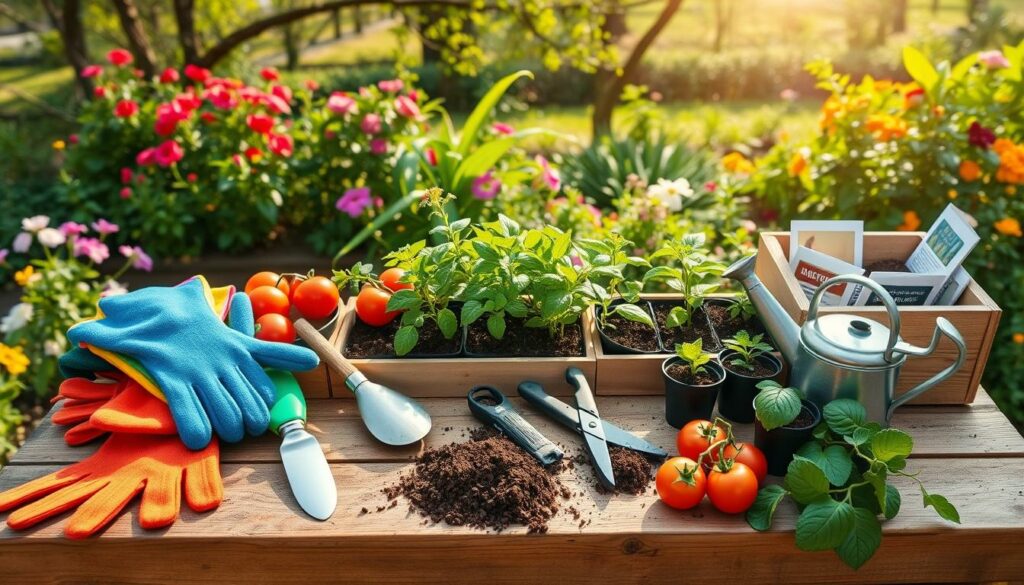
A few reliable hand tools form the backbone of any plot. A durable hand trowel and hand fork speed planting and weeding.
Pruning shears from Fiskars and a sturdy spade from Corona make tough jobs easier. Garden gloves protect hands while a watering can or hose handles hydration needs.
These items answer most small tasks: planting seedlings, removing weeds, and light soil work. They belong on every spring garden checklist to ensure planting goes smoothly.
Advanced Gardening Tools
For larger beds, a wheelbarrow or garden cart reduces trips and strain. A garden fork or broadfork loosens compacted soil without harming structure.
A soil thermometer helps time planting by measuring ground warmth precisely. Seedling heat mats speed indoor starts, and a transplanter makes placing young plants neat.
A lightweight tiller or cultivator can cut prep time for big areas. Gardeners should weigh the time saved against potential soil-structure impact when choosing powered tools.
Maintenance Equipment
Routine upkeep depends on a few key items. A rake levels beds and clears debris. A long-handled hoe tackles persistent weeds.
Drip irrigation tubing or soaker hoses deliver steady moisture with less waste. Mulch conserves water and suppresses weeds. A compost bin or tumbler recycles kitchen scraps into rich soil.
Tool care extends the life of every purchase. Clean and sharpen pruners, oil metal parts, and store tools dry to avoid rust.
Including these garden maintenance tips on a spring garden checklist helps preserve investments over seasons.
| Tool Category | Essential Items | Recommended Brand or Note |
|---|---|---|
| Basic Tools | Hand trowel, hand fork, pruning shears, garden gloves, watering can/hose, spade | Fiskars pruning shears, Corona spade for reliability |
| Advanced Tools | Wheelbarrow/garden cart, garden fork, broadfork, soil thermometer, seedling heat mat, transplanter | Choose powered tiller only for large beds; monitor soil structure |
| Maintenance Equipment | Rake, long-handled hoe, drip tubing/soaker hoses, mulch, compost bin/tumbler | Regular cleaning, sharpening, and dry storage prolong tool life |
| Safety & Budget | Knee pads, garden kneeler, invest in one or two quality tools | Better to own a few durable tools than many cheap replacements |
Soil Preparation for Spring Planting
Good soil is the foundation of successful spring gardening. Before planting, take steps to learn what the ground needs.
A short check now saves time and improves yields later.
Begin with a soil test. Home kits give quick results, but county extensions offer detailed reports.
Tests show pH and levels of nitrogen, phosphorus, and potassium. Most vegetables prefer a pH between 6.0 and 7.0.
Test results guide choices on amendments and fertilizers. These tests should be part of every spring garden checklist.
After testing, amend soil based on the report. Organic matter like compost or well-rotted manure improves texture and fertility.
Work 2–4 inches of compost into topsoil before planting. Choose balanced slow-release or organic fertilizers for specific nutrient needs.
Options include blood meal, bone meal, fish emulsion, or kelp. Use starter fertilizers for transplants when needed.
For small beds, shallow digging or double-digging loosens soil without overworking it. Avoid excess tillage that harms soil structure.
In compacted areas, use a broadfork or core aerator. These tools open the soil and improve root growth and drainage.
Heavy clay benefits from raised beds with added coarse sand and organic matter. This improves drainage and soil texture.
Mix amendments and fertilizers into raised beds. This warms and dries the soil faster in spring.
Black plastic or row covers can warm soil further for early warm-season crops in cooler climates.
Finish soil prep with mulch after planting. Organic mulches conserve moisture, moderate temperature, and reduce weeds.
Include soil preparation on the spring garden checklist to ensure a productive season.
Choosing the Right Plants for Your Garden
Picking the right mix of edibles and ornamentals sets a garden up for success. Gardeners should weigh space, sun, and local frost dates when planning.
Seed packets and nursery tags offer clear guidance on days-to-maturity, spacing, and light needs.
Vegetables to consider
Cool-season crops establish quickly and tolerate light frosts. Top choices include lettuce, spinach, kale, Swiss chard, peas, radishes, carrots, broccoli, cauliflower, beets, and onions.
These vegetables are among the best to grow in spring for an early harvest.
Warm-season crops like tomatoes, peppers, eggplant, cucumbers, squash, and beans do well when started indoors or transplanted after frost.
Select disease-resistant varieties and check days-to-maturity to match the local growing season.
Flowers to brighten your space
For instant color, plant pansies, violas, snapdragons, calendula, tulips, daffodils, hyacinths, and primroses.
These flowers work well when planting in spring to lift beds and containers.
When frost risk has passed, add marigolds, zinnias, and cosmos for longer bloom.
Native wildflowers like bee balm (Monarda), coneflower (Echinacea), and black-eyed Susan (Rudbeckia) support pollinators and add resilience.
Herbs for culinary use
Herbs offer quick rewards and flavor. Parsley, cilantro, chives, thyme, oregano, and mint are reliable choices for spring garden planting.
Basil prefers steady warm temperatures and is best started indoors or after the last frost.
Cilantro likes cool weather and can bolt in heat, so sow in succession. Plant invasive herbs like mint in containers to prevent spread.
For small spaces, choose compact or bush varieties and edible flowers such as nasturtiums to combine beauty with flavor.
Integrating these spring gardening ideas helps create a productive and attractive plot that fits any yard or patio.
Creating a Garden Plan
A clear plan saves time and boosts success when spring gardening begins. Start by mapping sun exposure, water access, soil type, and winds. Mark areas that get full sun, which means 6+ hours, and those in shade.
Decide if raised beds, rows, or containers fit your garden site best.
Designing Your Layout
Place paths to avoid compacting soil. Group plants by water needs to practice hydrozoning. Put thirsty crops near hoses or drip lines.
Add vertical supports for vining crops like cucumbers and peas. This saves ground space and helps plant growth.
Plan bed shapes that simplify watering and harvesting. Wide beds let gardeners reach the center without stepping on soil. Containers suit patios and small yards.
Sketch the layout before planting. This helps refine spacing and improves light access for your plants.
Companion Planting Strategies
Pairings can reduce pests and improve flavor. Plant basil near tomatoes to enhance taste and deter some insects. Use marigolds around beds to discourage nematodes.
Place beans near corn to share nitrogen benefits. Evidence for companion planting varies, so use it as one tool among many.
Rotate crops yearly to lower disease risk. Avoid planting closely related species in the same bed. Combine companion planting with a spring garden checklist for tracking.
Seasonal Planting Calendar
Stagger sowings to maintain harvests throughout the season. Early spring crops include peas, broccoli, and lettuce. Mid-spring is best for carrots, beets, and onions.
Plant tomatoes, peppers, and cucumbers after your last frost date. Use succession planting every 2–3 weeks and intercropping to fill gaps between slow growers.
Employ season-extenders like row covers or cold frames. These start crops earlier or extend harvests later. Refer to USDA hardiness zone maps and extension guides for local frost dates.
| Timing | Examples | Planning Tip |
|---|---|---|
| Early spring | Peas, broccoli, lettuce | Sow as soon as soil is workable; use cold-tolerant varieties |
| Mid spring | Carrots, beets, onions | Thin seedlings to proper spacing; succession sow every 2–3 weeks |
| Late spring / after frost | Tomatoes, peppers, cucumbers | Harden off transplants; stake or trellis vining crops |
| Extended season | Spinach, radishes, salad greens | Use row covers, cold frames or succession sowing for continuous harvest |
| Planning tools | USDA zones, extension guides, apps | Create a spring garden checklist tied to local frost dates |
Starting Plants Indoors
Starting seeds indoors gives gardeners a strong edge in the spring. It lengthens the season and protects young plants from late frosts. It also lets people choose prized varieties not sold as transplants.
This practice belongs on every spring garden checklist. It helps plan timing, space, and supplies.
Benefits of Indoor Starting
Indoor starts produce sturdier roots and earlier harvests for warm-season crops. They reduce losses from early pests and cold snaps. Gardeners who start indoors can schedule successive sowings for a steady supply.
Recommended Plants for Indoors
Tomatoes, peppers, and eggplants are top picks among the best vegetables to grow when started indoors. Basil and sage also respond well to indoor conditions. Petunias and zinnias flower sooner when given a head start.
Cool-season vegetables may be direct-sown. But starting them indoors allows earlier transplanting once soil can be worked.
Care Tips for Seedlings
Use a sterile seed-starting mix and plant seeds at depths listed on the packet. Keep soil evenly moist but not waterlogged. Provide bright light by grow lights for 12–16 hours or place trays in a sunny south-facing window.
Maintain temperatures suited to each crop; warm-season seedlings prefer 70–75°F. Thin crowded seedlings and fertilize lightly with half-strength balanced fertilizer after true leaves appear. Move plants into larger pots if they become pot-bound.
Label trays with variety and start date. Note progress in the spring garden checklist. Start seeds 4–8 weeks before the expected transplant date to match indoor growth with outdoor conditions.
Quick Indoor Start Checklist
- Sterile seed-starting mix
- Clean trays and pots
- Grow lights or sunny window
- Thermometer to monitor warmth
- Labels and notebook for dates
Adding indoor starts to spring gardening essentials helps gardeners extend the season and grow a wider selection. Tracking varieties, dates, and results improves success with each planting.
Transplanting Outdoor Plants
Transplanting outdoor plants is important in spring gardening. Gardeners should plan timing, site preparation, and aftercare before moving seedlings or nursery-grown plants. A clear spring garden checklist helps avoid mistakes and improves transplant success.
Best Practices for Transplanting
Choose cloudy days or late afternoons to reduce transplant shock. Dig holes larger than root balls and gently loosen circling roots. Set plants at the same soil level they had in containers. Backfill with amended soil.
Press soil lightly to remove air pockets. Add mulch around transplants to conserve moisture. For tender crops, wait until frost risk passes or use cloches and row covers.
Significance of Hardening Off
Hardening off helps indoor-grown seedlings adjust to sun, wind, and cooler nights. Start with a few hours in sheltered shade. Increase exposure over 7–10 days.
This process strengthens stems and lowers shock when seedlings join the garden. Proper hardening off boosts survival and helps plants root faster in soil.
Watering After Transplanting
Water plants fully right after planting to settle soil around roots. Keep moisture steady for one to two weeks while roots set. Use a finger test or moisture meter to prevent overwatering.
Ensure good drainage to avoid root rot. For larger plants, diluted seaweed or kelp solution can reduce stress and aid root growth. Include watering in the spring checklist to keep young plants healthy.
Pest Management for Spring Gardens
Spring gardening brings new growth and early problems. As temperatures rise, pests and fungi appear.
Using calm, practical steps helps protect plants without harsh chemicals.
Identify common threats early. Look for aphids on new shoots, slugs and snails feeding at night, and cutworms cutting stems at soil level.
Check for flea beetles making holes in seedlings and cabbage worms on brassicas. Watch seed trays for damping-off and leaves for powdery mildew. Rabbits and deer may nibble shoots in some areas.
Common Spring Pests
Inspect plants often, especially leaf undersides and seedling bases. Note insect activity and signs of fungal diseases.
Record pest types and where they appear to guide your control efforts better.
Organic Pest Control Methods
Use manual removal when possible. Hand-pick slugs and caterpillars at dawn or dusk.
Place collars around seedlings to stop cutworm damage. Use copper tape to keep slugs away from pots and raised beds.
Introduce biological controls like Bacillus thuringiensis for caterpillars. Release beneficial insects such as ladybugs and lacewings to fight aphids. Apply insecticidal soap and neem oil for soft insects, following label instructions carefully.
Use diatomaceous earth sparingly and only in dry areas where it works well.
Preventative Measures
Boost plant resilience through healthy soil and good garden planning. Rotate crops to break pest cycles.
Choose disease-resistant varieties and space plants to allow air flow. Remove debris and old plants to reduce places pests hide.
Use row covers early to block insects. Plant flowering species to attract helpful pollinators and predators.
Scout your garden weekly. Act if pests pass safe levels. For local advice, check with cooperative extension offices.
Watering Techniques for Spring Growth
Spring brings rapid growth and thirsty plants. Gardeners should use practical watering techniques that fit plant needs, soil type, and weather. A clear plan helps healthy roots and prevents mistakes.
Establishing a watering schedule
Water deeply but less often to encourage roots to grow down. Most vegetable beds need 1–1.5 inches of water weekly. Sandy soils or heat waves require more water.
Water early in the morning to cut evaporation and lower disease risk. Mulch reduces evaporation by retaining moisture. Two to three inches of organic mulch evens soil temperature and lessens watering frequency.
After heavy rain or temperature changes, reassess your watering schedule.
Irrigation systems vs. hand watering
Gardeners choose irrigation or hand watering based on their plot size. Drip irrigation and soaker hoses water roots directly. This method reduces leaf wetness and saves water, ideal for beds and many containers.
Hand watering works well for small patches and new seedlings. Using a watering wand offers gentle flow that protects fragile plants. Automatic timers fit well with drip systems for consistent timing.
Signs of under or over-watering
Watch plant cues to adjust watering frequency. Under-watering shows as wilting, dry, brittle leaves, slow growth, and leaf drop. Over-watering causes yellow leaves, soft stems, mold, and root rot due to poor oxygen.
Check soil moisture by probing 1–2 inches below the surface before watering. Adjust watering based on seasons and weather. These tips keep water use efficient and plants strong.
| Situation | Recommended Action | Why it matters |
|---|---|---|
| Established vegetable bed | Drip irrigation or deep hand watering, 1–1.5″ per week | Promotes deep roots and steady growth |
| Sandy soil | Increase frequency, shorter sessions, mulch 2–3″ | Sandy soil drains fast and needs more frequent moisture |
| New transplants and seedlings | Gentle hand watering with a wand, keep soil consistently moist | Prevents transplant shock and supports root establishment |
| Rainy periods | Skip scheduled watering, check soil 1–2″ down | Prevents waterlogging and root oxygen loss |
| Small container gardens | Drip lines or daily hand checks; use moisture meters if needed | Containers dry faster and need closer monitoring |
Maintaining Your Spring Garden
Spring garden maintenance needs steady care to keep plants healthy and productive. Use a short checklist for help: inspect beds weekly, add mulch, and note planting dates. These steps prevent small problems from becoming big ones.
Weeding Strategies
Take out weeds while they are small to stop seed growth and root competition. Pull weeds by hand after rain for easy removal. Shallow cultivation removes young weeds without harming crop roots.
Apply a 2–3 inch layer of organic mulch to stop future weed growth. Include weeding in your spring garden checklist to stay ahead.
Pruning and Trimming
Timing is key for pruning in spring. Cut spring-flowering shrubs right after they bloom to protect next year’s flowers. Prune summer-flowering shrubs and most fruit trees in late winter or early spring when dormant.
Deadhead spent annuals to encourage more blooms. Remove diseased leaves from vegetables. Pinch back herbs like basil and mint to grow bushier plants.
Fertilization Schedule
Start with a soil test and follow recommended guidelines. Use a starter fertilizer when planting for heavy feeders. Side-dress with nitrogen-rich amendments like composted manure during key growth phases, such as when tomatoes set fruit.
For containers, apply water-soluble fertilizer every 2–4 weeks as directed. Avoid over-fertilizing, which can reduce fruiting and cause weak foliage.
Ongoing care links all spring garden tips together. Rotate crops yearly and check often for pests and disease. Keep a simple spring garden checklist to track pruning, fertilization, watering, and tool care. This will keep your garden productive and easier to manage.