

Seventy-five percent of backyard gardeners see higher yields when they shift sowing dates by one or two weeks. Small timing changes can reshape the entire growing season.
This planting calendar introduction explains how a reliable schedule changes guesses into steady harvests.
This guide defines a planting calendar as a useful schedule. It maps the best sowing, transplanting, and harvesting times for vegetables, flowers, and herbs.
These times depend on local climate and plant growth cycles. The guide offers a seasonal planting chart for gardeners and small farmers across U.S. planting zones.
The calendar works nationwide by using the USDA Plant Hardiness Zone Map and NOAA climate data.
It also includes advice from county extension services like Cornell Cooperative Extension and University of California Cooperative Extension.
Readers get monthly breakdowns for spring, summer, fall, and winter seasons.
Year-round tips, common mistakes, and curated resources help deepen learning.
Following a garden planting calendar boosts yields and cuts disease and pest problems.
It helps use space wisely and extends harvest times.
To use this calendar, find your local frost dates and planting zone first.
Then consult the monthly sections for crop recommendations and techniques.
Adjust timing to fit your local microclimate and garden site.
Meta title: Seasonal Planting Calendar (Full Guide). Meta description: Create a thriving garden with a planting calendar by zone and vegetable/flower timing to plan sowing, transplanting, and harvesting for every season.
Key Takeaways
- A planting calendar turns seasonal patterns into clear steps for sowing, transplanting, and harvesting.
- Use USDA zones, NOAA climate data, and local extension advice to match the planting chart to your area.
- Small changes in planting dates can boost yields and lower pest and disease issues.
- The garden planting calendar offers monthly plans for spring through winter and helpful year-round tips.
- First, learn your frost dates and planting zone. Then apply the monthly guide, noting microclimate differences.
Understanding the Importance of a Planting Calendar
Using a planting calendar turns seasonal guesses into confident decisions. Gardeners who follow a clear schedule see higher germination rates. They also have steadier harvests and fewer lost seedlings.
A practical timetable links seed dates to last and first frost figures from local extension services. This helps avoid costly errors.
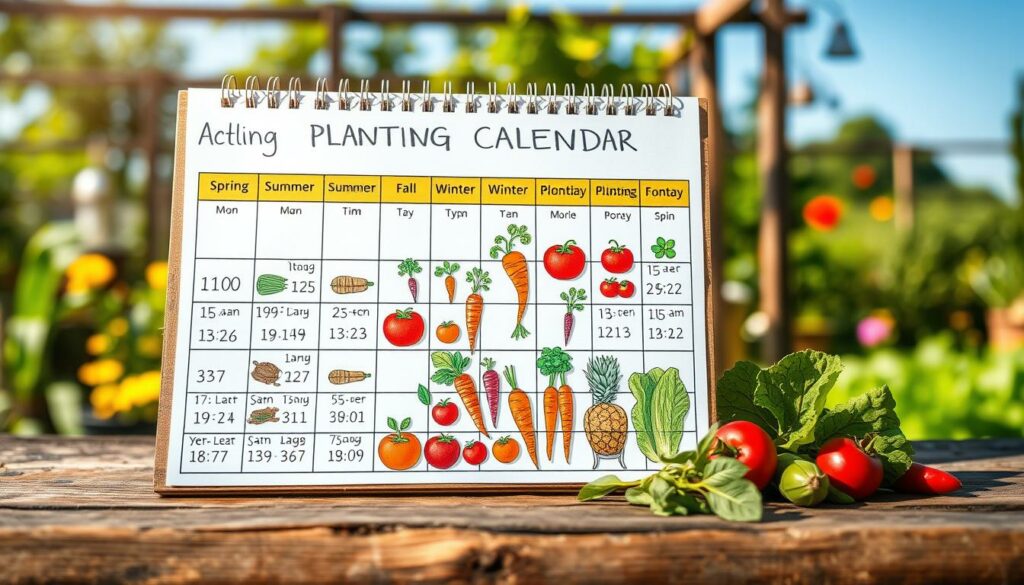
Benefits of Following a Planning Routine
A reliable gardening schedule increases germination success by matching sowing times to real conditions. It also optimizes harvest timing so crops ripen as expected. Using a vegetable planting calendar reduces frost damage and wasted seeds through better timing.
Succession planting becomes efficient with a planting calendar. Staggered sowings lengthen harvest windows and improve yield. The calendar also supports companion planting and crop rotation plans.
These practices maintain soil fertility and reduce pest pressure over seasons.
How Seasonal Drivers Shape Planting Choices
Temperature averages, day length, soil warmth, and rainfall patterns guide planting decisions. Cool-season crops, like lettuce, peas, and spinach, tolerate lower temperatures and can survive light frost. Warm-season crops, such as tomatoes, peppers, and squash, need higher warmth and are frost-sensitive.
Climate change adds variability to planting schedules. Shifts in last frost dates and extreme weather events make it important to check historical averages and current forecasts. Gardeners should do this before transplanting or sowing directly.
Aligning Planting Times with Crop Growth Cycles
Match planting dates to crop-specific development. Decide between direct sow and transplant windows. Consider days to maturity and time to first harvest.
For succession planting, calculate backward from the desired harvest date. Sow at regular intervals to keep produce coming.
Practical steps include reading seed packet days-to-maturity. Add time for indoor seedling growth when transplanting. Confirm soil temperature thresholds.
For example, corn often needs soil at 50–60°F before sowing. This is important on any planting calendar.
| Planning Task | How It Helps | Recommended Action |
|---|---|---|
| Check last/first frost dates | Prevents transplant loss and frost damage | Use local extension data to set planting season timetable |
| Verify soil temperature | Improves germination and root establishment | Measure with a soil thermometer before sowing |
| Calculate days to maturity | Aligns sowing with desired harvest | Work backward from harvest date for succession planting |
| Plan companion planting | Boosts yields and cuts pest problems | Group compatible crops and stagger sowings on the gardening schedule |
| Record seasonal observations | Refines future planting calendars | Keep a garden journal tied to the vegetable planting calendar |
Regional Variations in Planting Times
The United States covers many climates. A useful planting calendar by zone starts with local weather. Gardeners should plan perennial spots and annual sowing times using zone data.
A regional planting guide matches crops to frost dates, heat spells, and humidity risks.
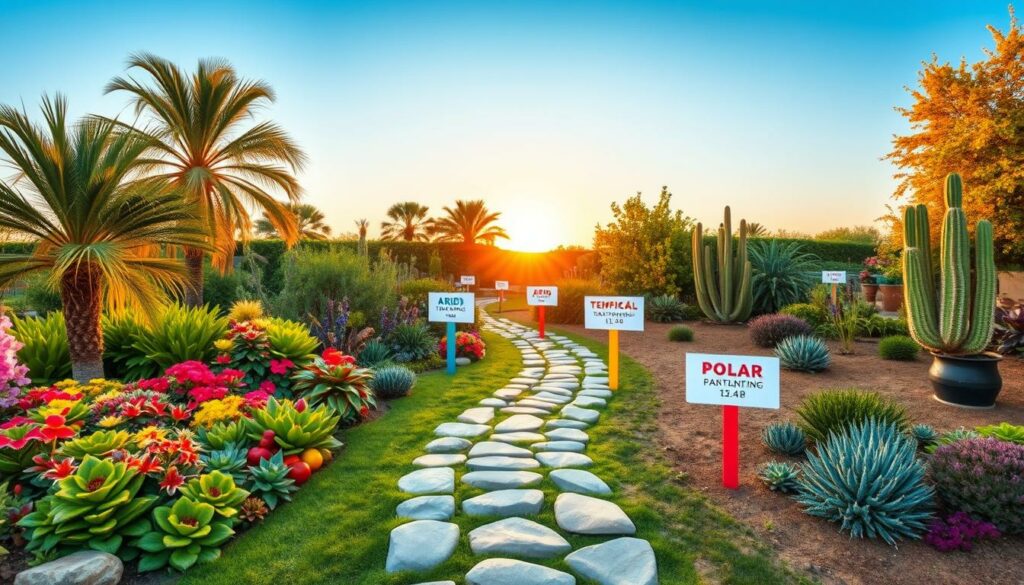
Planting Zones in the United States
The USDA Plant Hardiness Zone Map groups areas by average annual lowest winter temperature. This differs from the Köppen climate classification, which sorts climates by temperature and rain patterns.
Growing-season length is another factor to consider. Use the USDA interactive map or National Gardening Association tools. Confirm your local zone before updating a garden planting calendar.
Climate Considerations by Region
The Northeast and Upper Midwest have short growing seasons. Cool-season crops start early. Succession planting extends harvests.
Season extenders like row covers and cold frames lower frost risk.
The Mid-Atlantic and central Midwest have moderate seasons with clear spring and fall windows. These support both cool- and warm-season vegetables when timed well.
A garden calendar that marks last and first frost dates makes timing easier.
The Southeast and Gulf Coast enjoy long growing seasons allowing multiple plantings per year. Watch for summer heat stress, high humidity diseases, and hurricanes.
Select disease-resistant varieties and schedule crops to avoid peak storm months.
The Pacific Northwest has mild, wet winters and cool summers. Cool-season crops and many perennials grow well there.
Late-spring rains can make transplanting hard, so plan for drainage and timing in the planting guide.
The Southwest and Desert Southwest have mild winters but very hot, dry summers. Focus on winter and early-spring crops.
Use shade structures, mulches, and efficient irrigation for summer plantings. Choose heat-tolerant cultivars to maintain yields.
California’s Mediterranean zones have wet winters and dry summers. Winter crops and early spring plantings fit well with careful irrigation.
Drought-tolerant varieties and water-saving methods matter for long-term success.
Microclimates can change planting windows. Urban heat islands, south-facing slopes, sheltered beds, and cold pockets shift frost dates.
Include microclimate notes in your garden planting calendar for accurate timing.
Specific Plants for Different Regions
Northeast gardeners succeed with peas, spinach, and potatoes early. Tomato and pepper transplants go in after the last frost.
In the Southeast, collards, sweet potatoes, okra, and winter brassicas thrive during cool and warm seasons.
Pacific Northwest gardens favor kale, broccoli, carrots, beets, and berries that handle cool, damp weather.
Southwest growers plant leafy greens in fall and winter. They rely on melons and heat-loving chilies for summer with irrigation.
Check local extension fact sheets for cultivar choices suited to pests, diseases, and day-length sensitivity. This helps refine a planting calendar by zone.
A regional planting guide becomes practical for home gardens when tuned to local details.
| Region | Climate Notes | Best Crop Examples | Key Planting Tip |
|---|---|---|---|
| Northeast / Upper Midwest | Short seasons, cold winters | Peas, spinach, potatoes; tomatoes after frost | Use row covers; succession plant |
| Mid-Atlantic / Midwest | Moderate seasons, spring/fall windows | Beans, corn, lettuce, beets | Time cool and warm crops around frost dates |
| Southeast / Gulf Coast | Long seasons, hot humid summers | Collards, sweet potatoes, okra, winter brassicas | Manage heat stress; choose disease-resistant varieties |
| Pacific Northwest | Mild winters, cool wet summers | Kale, broccoli, carrots, beets, berries | Watch late rains; ensure good drainage |
| Southwest / Desert | Mild winters, hot dry summers | Leafy greens in winter; melons and chilies in summer | Use shade, mulch, and efficient irrigation |
| California Mediterranean | Wet winters, dry summers | Winter greens, early spring vegetables | Focus on irrigation management and drought-tolerant types |
Monthly Planting Guide: Spring
Spring needs a clear plan for planting. This guide helps gardeners map seed starts, transplants, and direct-sows. It covers March, April, and May.
Use the planting calendar and season timetable below. Match actions to last frost dates and soil warmth for best results.
Ideal Seeds for March Planting
As soil becomes workable, direct-sow cool-season crops like peas, spinach, radishes, carrots, and beets.
Hardy lettuces and early potatoes may also be planted where ground drains well. Check soil pH and add compost before planting.
Avoid working soil when it is too wet to prevent compaction and damage to soil structure.
Start warm-season seeds indoors six to eight weeks before transplanting. Tomatoes, peppers, and eggplants need bright light and warm conditions.
This helps them develop strong stems and roots before they are moved outdoors and hardened off.
April Planting Tips and Techniques
April is time to transplant hardened-off brassicas and onions outdoors. Also, direct-sow beets, carrots, and lettuce in rounds every two to three weeks.
Staggering sowings helps sustain regular harvests. This method supports a reliable planting calendar for vegetables.
Hardening off takes seven to ten days. Gradually expose seedlings to outdoor sun, wind, and cooler nights during this period.
Start with short outdoor periods and increase the time until plants tolerate full outdoor conditions. Protect tender plants from late frosts.
Use row covers, cold frames, or cloches as frost protection. After frost danger passes, mulch to keep moisture and reduce weeds in new beds.
May Planting Recommendations
By May, most regions can set out warm-season transplants like tomatoes, peppers, and basil outdoors after the last frost.
Direct-sow corn, beans, squash, cucumbers, and melons as soil warms. Use a thermometer to check soil temperature.
Corn prefers soil at least 50°F, while cucurbit seeds germinate best above 60°F for strong growth.
Follow spacing and depth guidelines: plant corn 1 to 2 inches deep, seeds 8 to 12 inches apart in rows.
Sow beans 1 to 1.5 inches deep, spaced 2 to 4 inches apart. Thin plants later for better yields.
Use succession sowing and interplant fast-maturing crops with slower ones. This boosts yield and extends harvest times.
| Month | Primary Actions | Key Crops | Soil/Temp Notes |
|---|---|---|---|
| March | Direct-sow cool-season; start warm-season indoors; soil prep | Peas, spinach, radish, carrots, beets, early potatoes, lettuce | Soil workable; avoid compaction; pH test and compost |
| April | Transplant hardened seedlings; succession sowing; frost protection | Broccoli, cauliflower, onions, beets, lettuce, carrots | Harden off 7–10 days; use row covers for late frosts |
| May | Set out warm-season transplants; direct-sow warm crops; space properly | Tomato, pepper, basil, corn, beans, squash, cucumbers, melons | Soil warm; corn ≥50°F, cucurbits >60°F; succession sowing advised |
Monthly Planting Guide: Summer
This summer planting guide helps gardeners follow a clear garden planting calendar through hotter months. It shows what to sow and when to protect crops from heat.
It also explains how to plan sowings using a practical planting calendar and planting season timetable.
Best Crops to Plant in June
June is ideal for direct-sowing beans, late-season corn, cucumbers, and summer squash. Transplant heat-loving annuals and set out tomato and pepper transplants in cooler zones.
The garden planting calendar lists these as primary summer entries.
Irrigation is a priority. Set up drip irrigation or soaker hoses and apply a 2–4 inch layer of mulch to conserve moisture. This also helps cut weed pressure.
Scout for aphids, squash vine borer, and tomato hornworms weekly. Use integrated pest management: handpick pests, deploy row covers early, and encourage beneficial insects like lady beetles.
Mid-Summer Planting Tips for July
July demands heat management. Offer afternoon shade to tender crops and increase watering for shallow-rooted plants. Choose heat-tolerant varieties during the hottest weeks.
Successive sowings keep beds productive. In warm climates, start fall brassicas, cilantro, and beets for autumn harvests. In cooler areas, sow a second round of beans and squash.
Side-dress heavy feeders such as corn and tomatoes with compost or a balanced fertilizer. Replenish organic mulch to retain soil moisture.
August Planting Opportunities
August opens late sowing windows for kale, collards, spinach, radishes, turnips, and quick-maturing lettuces. Start broccoli and cauliflower transplants for fall in many regions.
Check the garden planting calendar to match crop days-to-maturity with the first expected frost.
Use season extension tools to stretch harvests: row covers, low tunnels, and cold frames give extra weeks. In southern climates, August can support a full round of warm-season crops if irrigation is reliable and heat-tolerant cultivars are chosen.
Keep the planting calendar and planting season timetable in hand. Avoid planting crops that won’t mature before frost.
Monthly Planting Guide: Fall
The fall planting guide helps gardeners shift from summer chores to cool-season work. Use a planting calendar to time soil amendments and sowings. This keeps tasks manageable and improves yields next spring.
September offers a window to rebuild soil and set up winter protection. Clearing spent summer crops reduces disease pressure. Adding finished compost restores nutrients.
Planting cover crops such as clover or winter rye protects soil from erosion. These crops also boost organic matter during cold months.
September is a prime time for fall-sown vegetables. Late lettuces, spinach, radishes, beets, kale, and garlic grow well when planted early.
Garlic planted in autumn produces larger bulbs by next summer. A soil test in early fall guides lime and nutrient applications before frost.
October focuses on bulbs and root establishment for perennials and shrubs. Plant bulbs like tulips and daffodils to meet chill requirements.
Set shrubs and herbaceous perennials now so roots can grow before dormancy. Apply mulch around new plants to insulate roots and conserve moisture.
October is also good for cool-season sowings in mild climates. Use row covers or cold frames to protect young plants.
Gardeners should clean and store summer tools. Drain irrigation lines and shut off outdoor water to avoid freeze damage.
November narrows activities based on climate. Mild regions allow final sowing of hardy greens and late cover crops.
Colder zones should shift to winterizing beds. Protect stored root crops with heavy mulch in the ground.
In November, harvest remaining warm-season crops before hard frosts. Store tools in a dry, sheltered spot for winter.
Use the slower pace to plan crop rotations. Finalize seed orders using the planting calendar to map next year’s schedule.
Monthly Planting Guide: Winter
The winter months demand careful planning in any planting calendar. Gardeners should use this time to set a clear planting season timetable. They should also check last frost dates for their planting zone and prepare indoor and outdoor systems for a smooth spring transition.
Preparing for December tasks
Review zone-specific frost dates and order seeds while inventories remain complete. Repair and organize tools, sharpen pruners, and prepare cold frames or hoop houses for use.
In mild regions, sow cold-hardy lettuces and kale in cold frames during winter to extend harvests. In colder zones, preserve soil health using cover crops like winter rye or hairy vetch. These crops reduce erosion and add organic matter.
Plan crop rotation maps and update garden layouts using notes from last year. This helps reduce pest and disease issues, improving yields in the coming planting season.
January: indoor seed starting techniques
Select a high-quality seed-starting mix that drains well and is sterile. Use fluorescent or LED grow lights set 2–4 inches above seedlings. Adjust their height as plants grow.
For heat-loving seeds, provide consistent bottom heat with a heat mat at the recommended temperature. Time seed starts based on days-to-transplant and the local last frost date.
Tomatoes and peppers are started 6–8 weeks before transplanting. Brassicas like broccoli and cabbage begin 4–6 weeks ahead. Tender annuals follow packet guidelines.
Start hardening off seedlings in late winter. Move plants outdoors for a few hours daily, increasing exposure gradually over 7–10 days.
Use humidity domes, seed trays, and heat mats during early growth to steady conditions. This reduces shock during transplanting.
February: strategies for early crops
Direct-sow hardy crops such as peas, spinach, and radishes where winters are mild. If the ground is frozen or wet, start trays indoors for early transplanting.
Monitor soil temperatures before sowing; many crops prefer soil above 40–45°F for reliable germination. Protect seedlings from late freezes with row covers or cloches.
Test irrigation systems and prune fruit trees while dormant. Use soil test results to plan fertilizer for the season. These tasks ease work and fit into the planting timetable.
| Month | Primary Focus | Key Actions | Typical Seeds/Tasks |
|---|---|---|---|
| December | Preparation & protection | Check frost dates, order seeds, repair tools, set up cold frames | Winter sowing (lettuce, kale), cover crops, crop rotation planning |
| January | Indoor seed starting | Choose seed mix, use grow lights, apply bottom heat, schedule starts | Tomatoes (6–8 wks), peppers (6–8 wks), brassicas (4–6 wks), hardening-off prep |
| February | Early field work & sowing | Direct-sow hardy crops, monitor soil temps, protect seedlings | Peas, spinach, radishes, prune fruit trees, test irrigation, fertilizer plan |
Tips for Successful Planting Throughout the Year
A steady plan makes gardening easier. This short guide helps gardeners create a practical schedule. Use a planting calendar and season timetable to time tasks and reduce stress. Small, seasonal steps protect soil and improve yields.
Soil Preparation Techniques for Each Season
Spring starts with a soil test. Add compost and correct pH if needed. Build raised beds for good drainage and avoid working wet soil to prevent compaction.
Summer benefits from thick organic mulch to keep moisture. Top-dress beds with compost for steady fertility. Adjust irrigation as heat grows stronger.
Fall is time to add crop residues and plant cover crops. Retest soil and add lime or sulfur based on results. This buffers pH before winter.
Winter care uses cover crops to stop erosion and fix nitrogen with legumes. Protect soil with mulches and green manures. Plan the next planting season timetable.
When to Rotate Crops and Why
Crop rotation reduces disease and pest carryover by not planting related families in the same bed repeatedly. Families to separate include Solanaceae, Brassicaceae, and Cucurbitaceae.
A 3–4 year rotation suits most small gardens. A simple scheme moves leafy crops → legumes → fruiting crops → root crops. This balances nutrient use and improves soil structure.
Rotation also breaks pest life cycles and lowers chemical use. Gardeners should mark beds on their calendar to track past crops and plan rotations.
Companion Planting for Better Yields
Companion planting supports pollination, pest control, and uses space well. Good pairs include basil with tomatoes to reduce pests and improve flavor.
Marigolds deter some nematodes and pests. Plant pollinator-friendly flowers near crops to increase fruit set. Intercrop quick-maturing plants among slower ones to save space.
Not all claims are true. Rely on university extension publications for proven advice. Test combinations on a small scale before wide use. Add companion planting notes to your schedule for follow-up.
Common Mistakes to Avoid in Planting
Gardening success relies on avoiding common planting calendar mistakes. A clear planting guide helps reduce risks and protect yields. The notes below highlight frequent errors and ways to fix them.
Ignoring local climate and soil conditions
Using generic dates without checking local frost dates or soil type can ruin a season. Cold snaps can kill seedlings started too early.
Poor drainage invites root rot in heavy soils. Compacted ground stunts root growth and reduces harvests.
Gardeners should consult county extension services like the University of California Cooperative Extension or Texas A&M AgriLife. A basic soil test and local climate data help gardeners adapt the vegetable planting calendar. Small changes to the guide make a big difference.
Misjudging planting dates
Planting warm-season crops before the last frost puts them at risk for freeze damage. Waiting too long to sow cool-season crops can cause bolting when heat arrives.
Seed packet terms often confuse gardeners; days to maturity is not the same as days to first harvest.
Work backwards from the desired harvest date and add nursery growth time for transplants. Use frost date ranges and measure soil temperature with a probe. This method tightens the gardening schedule and avoids errors.
Neglecting care after planting
Seedlings need consistent moisture while roots form. Mulch keeps soil moist and reduces weeds. Regular scouting helps catch pests and disease early.
Side-dressing and timely feeding support steady growth. Common mistakes are overwatering seedlings, causing damping-off, and failing to thin crowded starts, which lowers yields.
Neglecting supports for vining crops harms fruit set. A simple maintenance checklist linked to the planting calendar ensures follow-through.
To reduce planting calendar mistakes, use a reliable guide with local data and a repeatable gardening schedule. This keeps plantings aligned with real conditions. It improves success across the vegetable planting calendar.
Resources for Further Learning on Planting
Gardeners who want to improve timing and technique will find books, digital tools, and local experts helpful. A small set of resources builds a reliable planting calendar. This makes a garden planting calendar by zone practical for use.
Recommended Books on Gardening
Authoritative, hands-on books remain key planting calendar resources. Edward C. Smith’s The Vegetable Gardener’s Bible offers clear guidance on planning, soil building, and crop timing.
Mel Bartholomew’s All New Square Foot Gardening teaches efficient layout and succession planting. Rodale’s Ultimate Encyclopedia of Organic Gardening is a broad reference for seasonal care and organic methods.
Gardeners should also seek state-specific guides from land-grant universities to complement these national titles.
Online Tools and Apps for Garden Planning
Several online tools generate personalized schedules and track frost dates. The USDA Plant Hardiness Zone Map helps set baseline dates.
Planting calculators from the National Gardening Association and Farmer’s Almanac also help. Apps like GrowVeg and Garden Planner by Miracle-Gro assist with bed layout and succession plans.
Users should check app suggestions with local extension data to ensure accurate planting guidance.
Local Gardening Clubs and Extension Services
County extension offices and university programs provide region-specific advice, soil testing, and diagnostic help. Examples include Cornell Cooperative Extension, University of California Cooperative Extension, and Texas A&M AgriLife Extension.
Master Gardener programs, botanical gardens, and community gardens offer hands-on workshops, seed swaps, and cultivar recommendations. These help refine a planting calendar by zone for local conditions.