
Surprisingly, over 70% of urban apartment dwellers say they would grow fresh herbs if space and know-how were not barriers. This guide offers practical, space-friendly herbs that suit kitchens, windowsills, and small living areas.
An indoor herb garden means growing herbs in containers or hydroponic systems inside homes, apartments, or offices. These often sit on sunny windowsills, under grow lights, or in compact indoor garden units.
Such setups let cooks and beginners enjoy fresh flavors all year. They also help cut grocery costs and reduce food waste.
The benefits are clear: fresh herbs for meals anytime and lower costs compared to store-bought herbs. Indoor herbs may also improve air quality and offer satisfaction in nurturing plants in small spaces.
This article covers site selection, the best herbs to grow inside, and growing conditions like soil, water, light, temperature, and humidity. It also explains container options, hydroponics basics, fertilizing, pruning, pest control, harvesting, storage, and troubleshooting.
The guide targets readers in the United States—beginners, apartment residents, kitchen gardeners, and anyone wanting easy indoor herb growing tips. It naturally includes key phrases like herbs to grow indoors and best herbs to grow inside.
Key Takeaways
- Indoor herb gardening provides fresh flavors year-round with minimal space.
- Growing herbs in containers or hydroponic units works well for apartments.
- Choosing the right location and light is the first key to success.
- Expect cost savings and reduced food waste versus store-bought herbs.
- The guide focuses on easy, low-maintenance herbs for beginners.
Introduction to Indoor Herbs
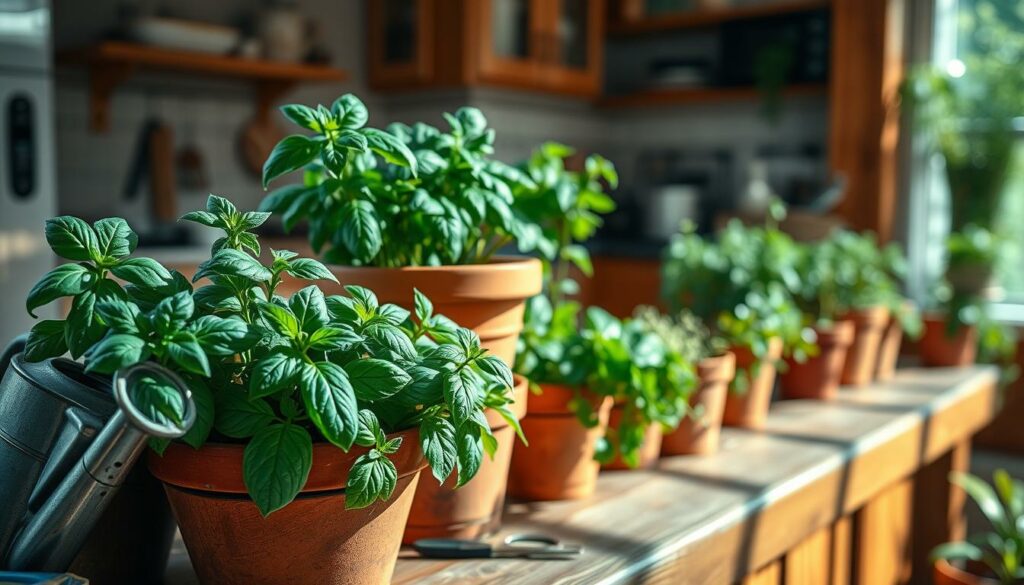
Growing herbs at home brings fresh flavor to the kitchen and makes cooking easier. Indoor herb gardening fits tight spaces, so renters and apartment dwellers can harvest basil, mint, parsley, or chives within arm’s reach.
Benefits of Growing Herbs Indoors
Freshness and flavor improve when herbs are cut moments before use. That short time between harvest and plate preserves aroma and nutrients better than store-bought bunches.
Convenience cuts grocery trips and lowers costs over time. Many easy indoor herbs regrow after trimming, so a single plant can supply weeks of leaves.
Plants indoors can boost mood and air quality. Small herb pots fit on countertops, shelves, or a sunny spot near the sink.
Growing inside gives more control over pests and seasons. A windowsill or controlled light setup extends the growing season and keeps plants safer than outdoor beds.
Popularity of Indoor Gardening
Interest in indoor herb gardening rose in the 2010s and grew faster during the COVID-19 pandemic. Urban residents, millennial cooks, and home chefs flocked to herbs for windowsill setups and compact hydroponic systems like AeroGarden.
Market choices make starting simple. Grow lights, self-watering pots, and seed kits help people find easy indoor herbs they can grow all year.
Cultural shifts toward sustainability, home cooking, and DIY food production keep indoor herbs popular. The trend blends practicality with a desire for fresher ingredients and greener living.
Choosing the Right Location for Indoor Herbs
Picking the right spot helps an indoor herb garden grow well. Light, temperature, and small home climates affect growth and flavor.
Importance of Sunlight
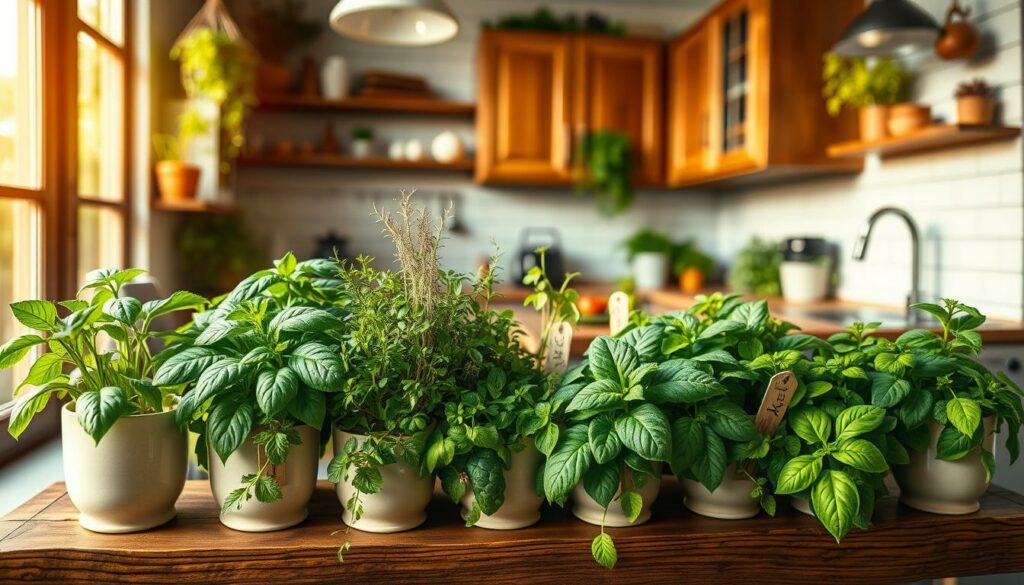
Most culinary herbs need six to eight hours of bright light daily. Basil, parsley, and chives prefer very bright light or full sun.
Mint tolerates lower light. It grows well with other herbs in low light indoors.
South-facing windows give the most consistent light across the United States. East- and west-facing windows work well for many varieties.
North-facing windows usually need extra full-spectrum LED grow lights. This prevents leggy, pale growth.
Signs of low light include stretched stems, pale leaves, slow growth, and weaker flavor. Rotate pots weekly so all sides get light.
Use light-colored walls or reflective surfaces to boost available light without extra tools.
If natural light is low, place full-spectrum LED grow lights 6–12 inches above plants. Run lights 12–16 hours daily, depending on the plant.
Grouping plants with similar needs makes light schedules easier. This helps all plants grow well.
Potential for Temperature Control
Most indoor herbs grow best at 65–75°F (18–24°C) by day. Night temperatures should be cooler, about 55–65°F (13–18°C).
Stable temperatures boost steady growth and improve essential oils, which increase aroma and taste.
Avoid placing pots near drafts, heating vents, or cold windows. Rapid temperature changes cause stress and leaf drop.
Kitchens often offer warmth and humidity that many plants like. Herbs for kitchen windowsills are great for cooks.
Bathrooms with good light suit humidity-loving herbs like mint. In winter, increase light and reduce watering as growth slows.
Move plants from cold spots in winter or add insulating film to windows. Avoid keeping plants on chilly sills.
Top Herbs for Indoor Growth
Growing herbs indoors adds fresh flavors and green plants to your kitchen all year. This guide shows the best herbs that fit small spaces. It focuses on taste, nutrition, and easy care.
Readers find choices that work on windowsills, under grow lights, or in mixed containers.
Basil, mint, parsley, and chives are easy herbs for beginners and experts. Each has simple needs and clear benefits. The short profiles below help you pick which herbs to grow and how to handle problems.
Basil varieties and care
Genovese, sweet basil, and Thai basil have unique flavors. Genovese works great for pesto and many dishes.
Basil needs 6–8 hours of bright light and warm temperatures between 70–75°F. Use well-draining soil and harvest often to keep the plant bushy.
It is sensitive to cold and too much water. Pinch flower buds to get more leaves and longer harvests.
Mint varieties and container advice
Spearmint, peppermint, and lemon mint offer flavors for drinks and desserts. Mint grows well in lower light than basil and likes moist soil.
Trim mint often to control its size and encourage fresh growth. Plant mint in its own pot to avoid spreading if moved outside later.
Parsley varieties and uses
Curly parsley and flat-leaf parsley are popular. Flat-leaf parsley is easier to harvest and better for cooking.
Parsley needs at least 6 hours of bright light and moist, rich soil. Seeds take 2–3 weeks to sprout, so be patient.
It provides vitamins A, C, and K and works well as a garnish or in sauces.
Chives: maintenance and tips
Common and garlic chives have mild onion flavors that are good in salads, eggs, and soups. Chives grow well in bright light and well-draining soil but tolerate varied light.
Cut chives regularly to encourage new growth. They resist many pests. Divide clumps every 1–2 years to keep them healthy and strong.
| Herb | Best Uses | Light | Water | Notes |
|---|---|---|---|---|
| Basil (Genovese, Thai) | Pesto, sauces, salads | 6–8 hours bright light | Moderate, avoid waterlogging | Warm-loving; pinch flowers for leaf growth |
| Mint (Spearmint, Peppermint) | Teas, cocktails, desserts | Lower to bright light | Consistently moist | Invasive outdoors; pot separately |
| Parsley (Curly, Flat-leaf) | Garnish, sauces, nutrition boost | At least 6 hours bright light | Steady moisture | Slow to germinate; rich soil preferred |
| Chives (Common, Garlic) | Salads, eggs, soups | Bright light preferred | Moderate, well-draining | Divide every 1–2 years; pest-resistant |
Essential Growing Conditions for Herbs
Healthy herbs need a few key things. Good soil, proper watering, and steady temperature improve indoor herb care. This guide helps beginners create a good routine for small space herb growing.
Soil Requirements
Use high-quality, well-draining potting mix made for containers. Avoid garden soil that compacts and holds water. Sterile seed-starting mix works well for young plants.
Add perlite or coarse sand to mixes to improve drainage. Add compost or slow-release organic fertilizer to provide nutrients. Most culinary herbs like slightly acidic to neutral soil with a pH near 6.0–7.0.
Watering Needs
Watering depends on the plant. Mediterranean herbs like basil, rosemary, and thyme like the top inch of soil dry between waterings. Mint and parsley like soil that stays moist.
Use pots with drainage holes. Water thoroughly until excess drains out. Let the container fully empty to prevent root rot. Self-watering containers help keep moisture steady but still need checking.
Check leaves for stress signs. Yellow or limp leaves can mean too much or too little water. Check soil before changing watering habits.
Ideal Temperature and Humidity Levels
Most herbs grow best in daytime temperatures of 65–75°F (18–24°C) and night lows of 55–65°F (13–18°C). These suit many indoor culinary plants.
Humidity between 40–60% fits many herbs. Parsley and mint like more humidity. Rosemary and thyme prefer drier air. Use a pebble tray or humidifier in dry homes to raise humidity. Increase ventilation when humidity is high to avoid fungus.
Change care with seasons. Water and feed less in winter when growth slows. Watch for mold in stale air.
| Factor | Recommended Range | Best for |
|---|---|---|
| Soil type | Well-draining potting mix; pH 6.0–7.0 | Basil, parsley, chives |
| Drainage | Pots with holes; add perlite or coarse sand | Herbs for small spaces in containers |
| Watering frequency | Top inch dry for Mediterranean herbs; keep moist for mint/parsley | Growing herbs indoors beginners |
| Temperature | Day 65–75°F; Night 55–65°F | Most culinary herbs |
| Humidity | 40–60% (higher for mint, lower for rosemary) | Indoor herb care balance |
Tips for Indoor Herb Care
Keeping herbs healthy indoors requires simple habits and timely actions. This short guide explains pruning basics and pest control steps. Growing herbs indoors is easy with these practical tips for beginners.
Pruning Techniques
Pruning helps herbs grow bushier and prevents legginess. It also increases leaf production. Pinch or snip stems just above a pair of leaves to encourage new branches.
Basil grows well when cut above a leaf node. Remove small flower buds on basil and parsley. This keeps plants producing tender leaves. Harvest lightly and often, not in large chunks.
Use sharp, clean scissors or pruning shears. Sanitize tools with rubbing alcohol between plants to reduce disease. For overgrown herbs like mint or chives, cut back by one-third to refresh growth. Repot or divide perennials every one to two years to renew roots.
Pest Management Strategies
Indoor herbs can get pests like aphids, spider mites, whiteflies, and fungus gnats. Finding pests early stops infestations from spreading. Always check new plants before bringing them indoors. Keep foliage as dry as possible.
Good air circulation and less watering reduce pests. Isolate infested plants. Prune leaves that have heavy pest damage to slow buildup.
Sticky traps catch flying pests. A strong spray of water can knock off small insects. Insecticidal soap and neem oil are safe organic treatments when used as the label says. Avoid harsh pesticides on edible herbs. Always read product labels if using chemical options.
| Issue | Quick Action | Best Practice |
|---|---|---|
| Leggy growth | Pinch stems above leaf pairs | Frequent light harvesting to promote bushiness |
| Flowering too soon (basil, parsley) | Remove flower buds promptly | Prune to encourage continued leaf production |
| Mint or chives overgrown | Cut back up to one-third | Repot or divide every 1–2 years |
| Aphids or spider mites | Spray with water; isolate plant | Use insecticidal soap or neem oil safely |
| Fungus gnats | Let soil dry slightly; use sticky traps | Avoid overwatering and improve drainage |
Hydroponics vs. Traditional Soil
Choosing between water-based systems and potting mix shapes an indoor herb garden setup. Each option fits different gardeners and space limits.
Budgets and goals also affect the choice. The notes below help weigh a high-tech system against a classic soil approach.
Overview of Hydroponics
Hydroponics means growing plants in nutrient-rich water without soil. Systems vary from simple wick setups to aeroponics and nutrient film technique (NFT).
Brands like AeroGarden and Click & Grow offer countertop units with automated lights and nutrient dosing for beginners. These systems deliver faster growth in small spaces.
They reduce soil-borne pests and allow precise nutrient control. However, equipment costs, pH and EC monitoring, and pump maintenance are needed.
Pros and Cons of Soil Gardening
Soil gardening keeps costs low at the start. Potting mix buffers nutrient swings and feels familiar to hands-on gardeners.
Soil also makes propagation from cuttings or seeds easier for many casual growers. But soil can carry pests and pathogens, and containers feel heavy.
Overwatering risks root rot, so careful watering is key. Many find soil more forgiving than technical hydroponic systems, fitting beginners better.
| Factor | Hydroponics | Soil Gardening |
|---|---|---|
| Upfront Cost | Higher for pumps and systems | Lower; pots and mix are inexpensive |
| Space Efficiency | Excellent; ideal for compact setups | Moderate; requires more volume |
| Maintenance | Needs regular monitoring of nutrients, pH, pumps | Simpler routine watering and feeding |
| Growth Rate | Faster growth and often higher yields | Steady growth; more variable by soil quality |
| Pest Risk | Lower for soil-borne pests | Higher risk of soil-borne diseases and insects |
| Best Use Case | Tech-focused growers, tight spaces, those wanting rapid results | Beginners, budget-conscious gardeners, tactile gardeners |
Deciding between these methods depends on your goals and which herbs you want to grow indoors.
People seeking compact, high-yield systems often prefer hydroponic indoor herb setups. Others choose traditional soil for its low-tech feel.
Beginners may start with soil and switch to hydroponics after gaining experience.
Experienced growers sometimes use both methods to suit their plants, space, and schedules.
Using Containers for Indoor Herbs
Choosing the right containers makes indoor herb gardening easier to manage. Pots impact root health and moisture levels. A good choice helps herbs grow well on kitchen shelves or windowsills.
Choosing the Right Pot
Size matters. Most herbs grow well in pots 4–8 inches wide. Basil, parsley, and chives prefer that size range. Mint needs larger containers to keep roots contained.
Material affects moisture. Terra cotta breathes and lowers overwatering risks but dries quickly. Plastic holds moisture and is light. Glazed ceramic is attractive and may keep water longer.
For small spaces, vertical planters and windowsill racks save room and display herbs efficiently. Fabric grow bags are lightweight and breathable options for flexible placement.
Drainage Considerations
Drainage holes stop waterlogging and root rot. If using a decorative cachepot, place an inner pot with holes inside. A saucer catches runoff but must be emptied often to avoid standing water and fungus gnats.
Avoid placing rocks at the bottom to improve drainage. Rocks can cause a perched water table. Use a well-draining potting mix for success instead.
Self-watering containers keep moisture steady, which helps busy cooks growing herbs on windowsills. Check reservoirs often to prevent overflow and root disease. Wicking systems maintain moisture without daily watering.
Fertilizing Indoor Herbs
Proper feeding keeps potted herbs healthy and flavorful. This guide explains what to use and when to feed. It helps support indoor herb care without overwhelming plants.
Recommended fertilizers
Use a balanced, water-soluble fertilizer like 10-10-10 or 20-20-20 at half strength for most herbs. This helps avoid salt buildup. Organic options like fish emulsion, liquid seaweed, and diluted compost tea provide nutrients gently and are safe for edible crops.
Slow-release granules mixed into potting mix offer steady nutrition for several months. Check labels to ensure micronutrients like iron and magnesium are included. Yellow leaves and stunted growth often signal trace element deficiencies.
Timing and frequency of feeding
Feed actively growing herbs every 2–4 weeks in spring through early fall with diluted liquid fertilizer. Reduce feeding in winter as growth slows. Once every 6–8 weeks usually suffices, or pause until new growth appears.
Avoid over-fertilizing to keep flavors strong and prevent salt buildup in pots. Flush containers with fresh water sometimes to clear excess salts.
Special cases
Seedlings and recent transplants need gentler care. Wait until seedlings get their second set of true leaves before using fertilizer. Apply a quarter-strength solution to prevent root burn and keep young plants strong.
For herbs grown indoors in rich compost mixes, reduce fertilizer to avoid lush foliage with weak flavor.
- Balanced water-soluble at half strength for routine use.
- Fish emulsion or seaweed for an organic, food-safe choice.
- Slow-release granules for low-maintenance setups.
- Flush pots occasionally to prevent salt buildup.
Harvesting and Storing Indoor Herbs
Harvest herbs at the right time and store them properly to keep flavor bright. This guide covers simple methods for kitchen windowsill gardens and larger indoor setups. These steps help gardeners get the most from the best herbs to grow inside while supporting healthy regrowth for year-round growth.
Best practices for harvesting
Use clean scissors or pruning shears to cut stems just above a leaf node. Cutting here encourages branching and faster regrowth. For basil and chives, harvest often but do not remove more than one-third of the plant.
Harvest in the morning after any dew dries. During this time, oils and flavors concentrate, making herbs taste better. Pinch or cut off flowers as they appear to keep the plant focused on leaf growth.
For short-term storage, place freshly cut herbs in a glass of water in the refrigerator. Basil prefers room temperature and can blacken if chilled. Wrapping stems in a damp paper towel and sealing them in a plastic bag works well for parsley and cilantro.
Light, frequent harvesting encourages denser growth. Successive trims prolong the plant’s life and make growing herbs indoors more rewarding over time.
Methods for drying and preserving
Air-drying works well for woody, low-moisture herbs like rosemary, thyme, and oregano. Tie small bundles and hang in a warm, dark, well-ventilated area until leaves are brittle.
When speed is needed, use a food dehydrator on the low setting or the oven at its lowest temperature with the door slightly open. Check often to avoid over-drying or burning.
Freezing preserves fresh flavor. Chop herbs and freeze in ice cube trays with water or olive oil. Basil may darken but keeps aromatic oils when frozen with oil. Herb butters, pestos, and pastes freeze well for later use.
Store dried herbs in airtight containers away from light and heat. Label jars with the harvest date and aim to use them within 6–12 months for peak flavor. Vacuum sealing extends shelf life for dried and frozen herbs.
- Harvest technique: snip above a leaf node; avoid removing more than one-third at once.
- Timing: pick in the morning after dew dries; remove flowers to favor leaves.
- Short-term: glass of water or damp towel for fridge; room temp for basil.
- Drying: air-dry for rosemary/thyme; dehydrator or low oven for speed.
- Preserving: freeze in oil, make pesto or herb butter, and vacuum seal when possible.
Common Challenges in Indoor Herb Gardening
Indoor herb gardening can be both rewarding and frustrating. Small problems often appear early. They usually respond well to simple fixes.
The two most frequent issues are low light and excess moisture.
Dealing with Low Light Conditions
Leggy stems, pale leaves, slow growth, and weaker flavor mean the plant lacks light. Plants may stretch toward windows and produce fewer leaves. These signs tell growers to act fast to protect yield and taste.
Move pots to south or west-facing windows when possible. If natural light is limited, use full-spectrum LED grow lights. Set lights on timers for consistent periods, usually 12–16 hours daily for most herbs.
Rotate plants weekly so all sides get even light. In dim spots, pick tolerant varieties like mint, parsley, and chives. Avoid putting light-sensitive herbs such as basil and rosemary in very low-light areas to ensure strong growth.
Managing Excess Moisture
Yellow leaves, moldy soil surfaces, bad odors, and root rot show overwatering. These problems appear quickly in small pots or heavy mixes. Acting fast can stop damage.
Use potting mix that drains well and containers with drainage holes. Water only after the top inch of soil feels dry. Adjust watering for each plant’s needs.
If root rot happens, gently remove the plant, cut off diseased roots, and repot in fresh, dry mix inside a clean container.
Fungus gnats live in wet soil. Cut back watering and let soil dry a bit between times. Use sticky traps to catch them.
If infestation is bad, apply Bacillus thuringiensis israelensis products like Mosquito Bits to water or soil. Follow label instructions carefully.
High humidity raises the risk of fungal diseases. Improve airflow with a small fan and avoid crowding pots. Good spacing reduces leaf contact and helps prevent disease.
| Problem | Symptoms | Quick Fix | Preventive Measure |
|---|---|---|---|
| Low light | Leggy stems, pale leaves, slow growth | Move to south/west window or add LED grow light | Choose herbs for low light indoors like mint, parsley, chives |
| Uneven light | One-sided growth, leaning | Rotate plants weekly | Use timers and rotate positions regularly |
| Overwatering | Yellow leaves, moldy soil, foul smell | Let soil dry, repot if root rot present | Use well-draining soil and pots with holes |
| Fungus gnats | Small flies, larvae in soil | Sticky traps, reduce watering | Apply BTI products and avoid excess moisture |
| High humidity | Fungal spots, slow drying | Increase airflow with fan | Avoid overcrowding pots and improve ventilation |
Conclusion: Enjoying Your Indoor Herb Garden
An indoor herb garden brings fresh flavor and daily convenience to your kitchen. It keeps basil, mint, parsley, and chives close. This way, meals taste brighter throughout the year.
Tending herbs in small spaces offers a hands-on connection to food. It also creates a calm ritual that fits busy lives.
Place pots on a sunny windowsill or near the stove for easy snipping during cooking. Simple uses—pesto with basil, mint tea, parsley garnish, or a chive omelet—turn small harvests into tasty dishes.
Observe your plants well. Watch their light, water needs, and growth to improve care. This helps you choose the best herbs to grow indoors.
Sustainable habits make indoor gardening more rewarding. Start seeds to reduce packaging waste and reuse containers.
Compost clippings to feed future plants. Preserve extra herbs by drying or freezing them instead of throwing them away. Use LED grow lights, small fans, and organic fertilizers to save energy and reduce chemical runoff.
For ongoing guidance, consult local Cooperative Extension resources and university fact sheets. Reputable seed and tool suppliers can also help. Community gardening groups share tips and swaps that support growing your indoor herb garden into a lasting, eco-friendly practice.
With modest care, herbs for small spaces can reward home cooks all year long.