

Nearly 70% of home gardeners save money and eat healthier by growing their own greens. This small effort can turn a few pots into a steady supply of crisp salads. It is simple to grow lettuce at home, whether you have a sunny windowsill, balcony, or backyard.
This guide shows how to plant lettuce at home with easy, practical steps. It covers indoor and outdoor methods, including container gardening, raised beds, and basic hydroponics. It also explains organic options using OMRI-listed soil amendments and trusted seed suppliers like Burpee, Johnny’s Selected Seeds, and Baker Creek.
Most lettuce varieties mature in 30–70 days. With succession planting, you can harvest continuously without large time commitments. Supplies are easy to find at local garden centers or big-box stores like Home Depot and Lowe’s, making starting a DIY lettuce garden affordable.
Key Takeaways
- Growing lettuce at home gives fresher flavor and better nutrition than store-bought greens.
- You can grow lettuce indoors or outdoors using containers, raised beds, or simple hydroponics.
- Most varieties mature in 30–70 days; succession planting ensures a steady harvest.
- Seeds and supplies from Burpee, Johnny’s Selected Seeds, Baker Creek, Home Depot, and Lowe’s make starting easy.
- Organic-growing options are possible with OMRI-listed amendments and organic seed choices.
1. Why Grow Lettuce at Home?
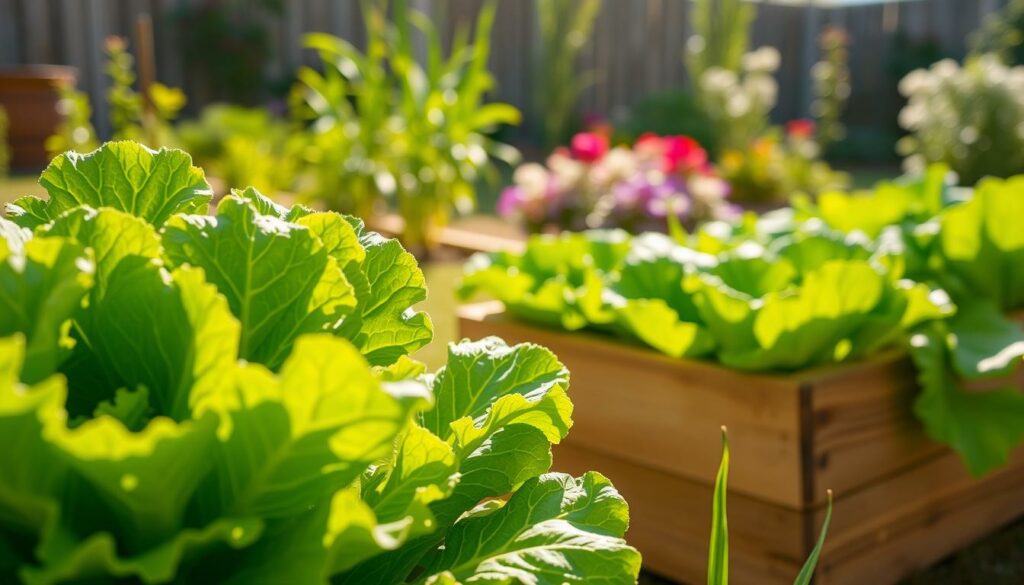
Growing lettuce at home gives gardeners fresh and crisp leaves whenever they want. Homegrown lettuce has more vitamins and better flavor than store-bought heads that spend days in transit. Simple gardening hacks like cut-and-come-again harvesting and staggered sowing bring great rewards with little effort.
Benefits of Home Gardening
Gardeners decide what goes into the soil and onto the plants. This control helps support organic lettuce farming by avoiding synthetic pesticides. They can also choose compost, worm castings, or organic fertilizers.
Growing lettuce at home reduces packaging waste and food miles. Gardeners can reuse rainwater or greywater for watering their plants.
Spending time on a small garden bed or containers offers mild exercise and a mental break. Watering, thinning, and harvesting reduces stress. It also helps build a steady supply of fresh salad greens.
Nutritional Value of Lettuce
Lettuce is mostly water and very low in calories. It provides fiber, vitamin K, vitamin A, and folate. Darker leaves like romaine and red leaf have more carotenoids and antioxidants than pale crisphead types.
Mixing several types of lettuce improves nutrient variety. Home growers can pick special cultivars or use gardening hacks to produce darker, nutrient-rich leaves.
Cost-Effectiveness
A packet of seeds can grow many plants, making the per-head cost much lower than supermarket prices. Buying organic transplants or certified seeds costs more at first. But it saves money in the long run through multiple harvests.
Compact varieties and container gardening maximize yield per square foot. Leaf lettuces mature fast and allow many plantings in one season, offering quick returns to gardeners.
| Comparison | Home Production | Store Purchase |
|---|---|---|
| Cost per serving | $0.05–$0.25 (seeds and supplies amortized) | $0.50–$1.50 |
| Freshness | Picked same day, peak crispness | Often several days old |
| Control over inputs | Full control for organic lettuce farming | Limited; dependent on supplier |
| Yield per square foot | High with compact and container methods | Not applicable |
| Turnover speed | Fast with leaf varieties; multiple harvests | Single purchase, no regrowth |
2. Types of Lettuce to Consider
Selecting the right lettuce varieties helps gardeners get the results they want. Choices depend on space, climate, and taste preferences. It also depends on whether a gardener wants fast leaf harvests or full heads.
Below are common options and their strengths. You will also find practical tips to match each type to a home setup.
Leaf Lettuce Varieties
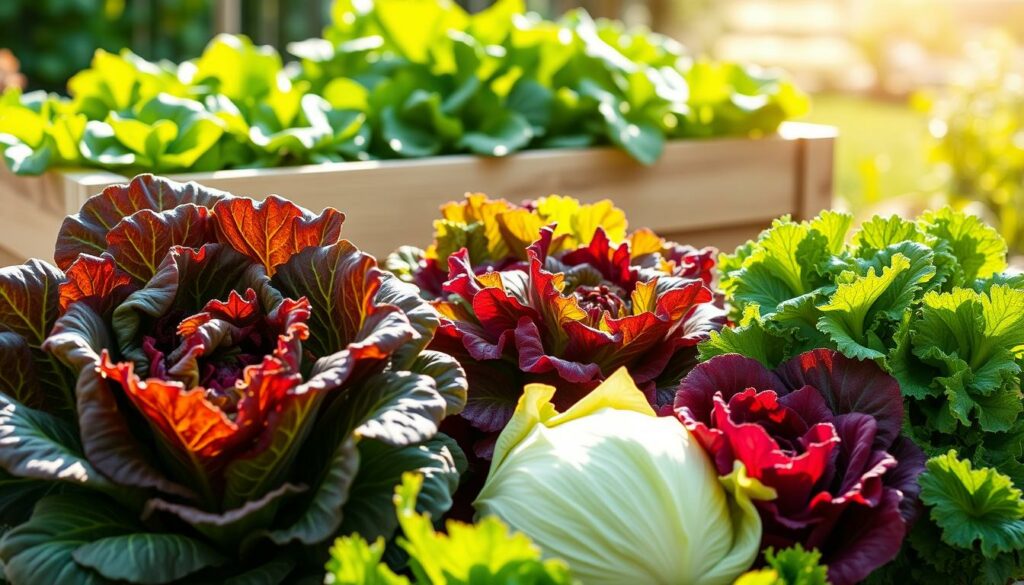
Leaf lettuces like Black Seeded Simpson and Lollo Rossa grow as loose leaves, not a single head. They mature fast, often in 30 to 45 days. Gardeners can cut outer leaves and let the plant regrow.
This suits those who want a steady lettuce supply at home. Leaf types tolerate close spacing and grow well in containers. They are ideal for growing indoors under LED lights or on sunny windowsills.
Seed companies like Johnny’s Selected Seeds and Burpee carry reliable leaf varieties.
Romaine Lettuce
Romaine creates upright, elongated heads with crunchy leaves. Varieties such as Parris Island Cos offer firm texture and higher vitamin A and K. Romaine matures around 60 to 70 days and handles cool weather well.
It is sturdy, perfect for salads and grilling. Romaine tolerates more heat than butterhead, allowing gardeners to grow it in transitional seasons.
Butterhead Lettuce
Butterhead types like Bib and Boston form soft, loosely folded heads with mild flavor. These grow best in cool temperatures and fertile, well-drained soil. They mature in about 55 to 65 days.
Butterhead is prized in gourmet salads and wraps. Gardeners using containers or small plots should keep even moisture and use nutrient-rich compost. This helps keep the leaves tender.
Crisphead Lettuce
Crisphead varieties like Great Lakes (iceberg types) form dense, tightly packed heads with a classic crunch. They store well if harvested and chilled properly.
Crisphead needs more space and light. They take longer to mature, often 70 days or more. Growers wanting long-lasting heads should plan for larger spacing and strong light outdoors or indoors.
Selection Tips
Choose lettuce based on climate tolerance, space, and desired harvest style. For quick, continuous harvests, pick leaf lettuces. For full heads, choose romaine, butterhead, or crisphead. Seed suppliers like Baker Creek Heirloom Seeds, Johnny’s Selected Seeds, and Burpee offer tested varieties for many conditions.
| Type | Maturity | Best Use | Space & Light | Notes |
|---|---|---|---|---|
| Leaf (Black Seeded Simpson, Lollo Rossa) | 30–45 days | Salads, sandwiches, cut-and-come-again | Low to moderate; good for containers and indoor growing | Fast harvests; tolerant of close spacing |
| Romaine (Parris Island Cos) | 60–70 days | Hearty salads, grilling | Moderate; prefers full sun but tolerates some heat | Crisp texture; higher vitamin content |
| Butterhead (Bib, Boston) | 55–65 days | Gourmet salads, wraps | Moderate; prefers cool, fertile soil | Delicate leaves; needs steady moisture |
| Crisphead (Great Lakes) | 70+ days | Classic crunchy heads, storage | High; requires ample space and strong light | Longer growth; milder flavor and fewer nutrients |
3. Ideal Growing Conditions for Lettuce
Lettuce grows best when light, temperature, and soil work together. Gardeners who learn the ideal conditions get steady, tender heads and avoid bitter bolting.
These notes help anyone who wants to grow lettuce at home, whether in a backyard bed or under a grow light.
Light Requirements
Lettuce needs bright light for 10–14 hours daily for fastest growth. Outdoor summer gardens can manage with 6–8 hours, but growth slows.
Indoor growers should use full-spectrum LED grow lights placed 6–12 inches above plants. Raise the light as seedlings grow to keep even growth and avoid stretching.
In hot climates, provide afternoon shade to reduce stress and prevent bolting. These gardening hacks keep leaves mild and productive during warm spells.
Temperature Preferences
Most lettuce prefers cool weather in the 45–70°F (7–21°C) range. Plants bolt and taste bitter once temperatures pass about 75°F (24°C).
Season extension tools like row covers, shade cloth, and cold frames help maintain cooler conditions for longer harvests.
Starting seeds indoors gives a jump on spring or fall crops for more reliable yields. Choose heat-tolerant varieties or use succession planting for summer growing.
Soil Conditions
Loose, well-draining loam rich in organic matter suits lettuce best. Aim for a pH between 6.0 and 7.0.
Add 2–4 inches of compost when preparing beds to build fertility and structure.
Containers need high-quality potting mix that drains well. Raised beds should be 8–12 inches deep to allow full root development.
Consistent moisture is very important. Soil that dries out or stays waterlogged stresses plants and raises bolting risk.
A basic soil test kit helps adjust pH and nutrients with compost or a balanced organic fertilizer.
| Factor | Ideal Range | Practical Tips |
|---|---|---|
| Light | 10–14 hours daily (indoors), 6–8 hours (outdoors summer) | Use full-spectrum LEDs 6–12″ above plants; provide afternoon shade in heat |
| Temperature | 45–70°F (7–21°C) | Use row covers, cold frames, or shade cloth; start seeds indoors for early crops |
| Soil Type | Loose, well-draining loam; pH 6.0–7.0 | Incorporate 2–4″ compost; raised beds 8–12″ deep; choose potting mix for containers |
| Moisture | Consistently moist but not waterlogged | Mulch to retain moisture; water evenly to prevent stress and bolting |
| Maintenance | Soil tests recommended | Use a basic soil test kit and amend with compost or balanced organic fertilizer as needed |
Using these guidelines makes indoor lettuce care simple and effective. Gardeners who follow basic lettuce gardening hacks find it easier to grow lettuce at home.
They enjoy fresher salads all season long.
4. How to Prepare Your Garden Space
Getting a plot ready makes a big difference for anyone wanting to grow lettuce at home. A few smart choices about location, soil, and containers set the stage for steady growth. This guidance helps gardeners plan a DIY lettuce garden that fits yards, patios, and balconies.
Choosing the Right Location
Pick a site with morning sun and partial afternoon shade in hot climates. In cooler regions, full sun works fine. Lettuce likes cooler daylight hours for tender leaves.
Place beds or pots near water to make irrigation easy. Being close to the kitchen encourages frequent harvesting and fresher salads.
Protect the patch from strong winds and wildlife. Low fencing or lightweight netting keeps rabbits and pests away without shading plants.
Soil Preparation Techniques
Clear weeds and debris before planting. Add 2–4 inches of compost and balanced organic fertilizer like Espoma Plant-tone to boost nutrients.
For better drainage and root access, try light tilling or double digging. If avoiding disturbance, layer compost on top to feed soil life.
Apply 1–2 inches of mulch such as straw or shredded leaves. Mulch conserves moisture, controls weeds, and keeps soil temperature steady.
Raised Beds vs. Containers
Raised beds offer better drainage, warmer soils in spring, and easy soil depth control. Aim for at least 8–12 inches of good soil. Use cedar, composite, or galvanized steel; avoid treated lumber with harmful chemicals.
Containers provide mobility and work well on patios or balconies. They simplify pest management. Use high-quality potting mix like Miracle-Gro or organic options and choose pots with drainage holes and saucers.
Leaf lettuce containers need 6–8 inches of soil depth. Heading types require deeper pots. Space plants in rows or try square-foot gardening to maximize yields.
Prepare beds and containers 1–2 weeks before sowing. This lets compost and amendments mix well with soil for a strong garden start.
5. Essential Tools for Growing Lettuce
Good tools make it easy to grow lettuce at home. A few well-chosen items speed seed-starting, transplanting, and daily care.
The list below covers basic gear, indoor options, and items that prevent common problems.
Seed Trays and Pots
Choose commercial seed starting trays, cell packs, peat pots, or biodegradable pots. Small cells work well for beginning seedlings.
Move seedlings into larger pots before roots become crowded. Use a sterile seed-starting mix such as those from Espoma, FoxFarm, or Burpee to reduce damping-off.
Durable plant labels help track varieties and sowing dates.
Gardening Tools
Keep a compact set of hand tools: a trowel, hand fork, pruning shears, and a hori-hori knife. These tools make planting and harvest clean and quick.
For bed prep, use a garden fork or spade. A soil thermometer helps time sowing.
Protective gear like gloves and a kneeling pad make repetitive tasks easier.
Watering Equipment
For small plots, a watering can is convenient. Soaker hoses or drip irrigation suit beds.
Seedlings benefit from misting spray bottles that deliver gentle moisture.
Indoor lettuce care improves with small-capacity timers, reservoirs, or self-watering containers that keep moisture steady. Use room-temperature water to avoid shocking young roots.
Collected rainwater works well for sustainability.
Additional equipment includes full-spectrum LED grow lights from brands like Mars Hydro or Spider Farmer. Also useful are pH meters, moisture meters, row covers, shade cloth, and insect netting.
These tools support precise indoor lettuce care and help gardeners achieve consistent results at home.
6. Starting Lettuce from Seeds
Starting lettuce from seed gives gardeners control over variety, timing, and yield. This guide covers practical steps for beginners and experts. It helps with sowing seeds, choosing indoor or outdoor planting, and speeding germination.
For direct sowing, scatter seeds thinly or place them in shallow drills about 1/8–1/4 inch deep. Lightly cover with soil and keep the surface evenly moist.
Thin seedlings to recommended spacing: leaf lettuce at 4–6 inches and head varieties at 10–12 inches.
When sowing indoors, fill seed trays with seed-starting mix and press seeds into the surface. Cover trays with a clear dome or plastic until germination.
Succession sowing every 2–3 weeks helps maintain a steady harvest.
Indoor vs. Outdoor Planting
Growing lettuce indoors lets you control the environment and start early before the last frost. LED grow lights allow year-round indoor growing and easier pest management.
Outdoor planting benefits from full sunlight and fewer equipment needs in large beds. When moving seedlings outside, harden them off over 7–10 days. This means slowly increasing their exposure to wind and sun to reduce transplant shock.
Germination Timeframes
Lettuce seeds usually germinate in 7–14 days at 65–70°F. Soil temperature, moisture, and seed age affect germination speed.
Older seeds often have lower germination rates. To speed germination in cool soils, use a heat mat or keep trays warm.
Keep soil moist but not waterlogged to prevent seed rot and ensure steady emergence.
| Step | Direct Sow | Indoor Start | Notes |
|---|---|---|---|
| Depth | 1/8–1/4 inch | Press to surface, thin cover of mix | Shallow sowing improves light germination |
| Spacing | Leaf: 4–6″, Head: 10–12″ | Transplant spacing same as direct | Follow variety recommendations |
| Germination | 7–14 days at 65–70°F | 7–14 days, faster with heat mat | Keep surface moist, avoid drying |
| Succession | Every 2–3 weeks | Every 2–3 weeks in trays | Ensures continuous harvest |
| Seed Sources | Johnny’s, Baker Creek, Seed Savers | Same reputable brands recommended | Store seeds cool and dry to retain viability |
Readers who want to grow lettuce at home will find seed-starting easy when following proper depth and spacing. Choosing between indoor and outdoor planting depends on your space, season, and how much control you want over growing conditions.
7. Transplanting Seedlings
Transplanting young lettuce into the garden or containers is key to growing lettuce successfully at home. Timing, gentle handling, and proper spacing protect seedlings and reduce shock.
The short guidelines below help gardeners move seedlings from seed trays to beds with confidence.
When to move seedlings outdoors
Seedlings are ready when they show 2–4 true leaves and are sturdy enough to handle. This usually occurs 3–4 weeks after sowing indoors. Wait until the risk of hard frost has passed and soil temperatures are above about 45°F.
Use cold frames to start earlier in spring. Leaf lettuce can be planted closer for cut-and-come-again harvesting, about 4–6 inches apart. Heading types need more room: romaine 10–12 inches and crisphead 12–18 inches.
Practical tips for successful transplanting
Harden off seedlings for 7–10 days by gradually exposing them to wind, sun, and cooler nights. Water seedlings well before transplanting. Water them again immediately after to settle soil around roots.
Plant at the same depth as in the cell pack and avoid burying the crown to prevent rot. If roots are root-bound, gently tease them apart. Mulch around transplants to conserve moisture and reduce temperature swings.
Protect new transplants with cloches or floating row covers for the first week if pests or a cold snap is expected. Choose containers at least 6–8 inches deep for leaf varieties and larger for heading types.
Wait 7–10 days after transplant before the first light feeding to reduce transplant shock. Following these steps helps support healthy growth and improves indoor lettuce care routines.
8. Care and Maintenance
Good care and maintenance for lettuce start with steady observation and simple habits. A short journal helps gardeners track outcomes and spot patterns. It also aids in planning improvements for both indoor lettuce care and outdoor beds.
Watering Needs
Lettuce prefers even moisture. Avoid dry soil followed by soggy soil because this stress makes leaves bitter. In hot weather, shallow roots need water every day or every other day.
Containers dry faster and may need more frequent watering. Drip irrigation and soaker hoses work well for garden beds. Self-watering containers or regular hand-watering suit pots.
Mulch slows evaporation and keeps soil moisture steady. Watch for wilting, yellow leaves, or split heads as signs of under or over-watering.
Fertilization Practices
Start by working compost into the soil before planting for steady nutrients. Apply a balanced, nitrogen-rich fertilizer every three to four weeks for leafy growth. Options include a 10-10-10 blend or organic choices like fish emulsion and seaweed extract.
Slow-release organic granular fertilizers at planting provide steady nutrition. Avoid too much nitrogen for heading varieties, as it can reduce flavor. Keep soil pH between 6.0 and 7.0 and fix deficiencies quickly.
Pale leaves can mean low nitrogen, while interveinal yellowing suggests iron problems.
Pest Control Solutions
Pest control starts with prevention. Keep beds tidy, remove debris, and rotate crops yearly to reduce disease. Install fencing to deter rabbits and space plants tightly to limit slug hiding spots.
Organic methods include diatomaceous earth and copper barriers for slugs, beer traps, and hand-picking larger pests. Use insecticidal soap for aphids and Bacillus thuringiensis (Bt) for caterpillars. Plant diverse flowers to encourage beneficial insects like ladybugs and lacewings.
Avoid overhead watering to lower fungal risk. Use well-draining soil to prevent damping-off and downy mildew. Record pest outbreaks and treatments in the gardening journal to improve control over time.
9. Signs of Healthy Lettuce Growth
Healthy lettuce shows clear visual and growth cues gardeners can use when growing lettuce at home. A few quick checks each week help spot problems early. This keeps plants productive. The following points outline what to watch for and what each sign means.
Leaf Color and Texture
Leaves should be vibrant green or show the expected varietal hues, such as red leaf tones. They should feel crisp and firm. Butterhead varieties are tender and glossy, while romaine feels upright and sturdy.
Leaf shape should be uniform with smooth margins, which suggests balanced nutrients. Pale or yellowing leaves often point to nitrogen deficiency or overwatering. Brown edges may mean salt buildup, uneven watering, or heat stress.
Regular checks of leaf color and texture reduce the chance of small issues causing crop failures.
Growth Rate Indicators
Leaf types often produce usable leaves within 30 to 45 days. Romaine and butterhead usually need 50 to 70 days. Crisphead varieties take longer to form full heads. These timelines help gardeners plan sowing and harvest.
Healthy roots are white and fibrous. Crowns should be compact with no signs of rot. New leaves growing steadily and proper spacing show that conditions suit the crop. If growth slows, check for temperature, nutrients, pests, or watering issues.
- Use a moisture meter for consistent irrigation checks.
- Keep photographic records to compare growth rates across seasons.
- Monitor crown and root health during transplanting and when thinning.
10. Common Problems and Solutions
Growing lettuce at home brings fresh flavor and fast rewards. Some gardeners face issues that slow growth or harm leaves.
Clear identification and prompt action keep small problems from becoming crop failures.
Nutrient Deficiencies
Yellowing lower leaves and slow growth often show nitrogen shortage. A nitrogen-rich organic feed like blood meal or fish emulsion helps plants recover.
Young leaves with yellowing between veins suggest iron deficiency. Use iron chelates or foliar sprays if soil pH is high. Test soil before treatment.
Marginal browning or interveinal necrosis can mean low potassium or magnesium. Kelp products supply potassium. Dolomitic lime adds magnesium if pH allows.
A soil test from a county extension or a DIY kit confirms which amendment is needed.
Pests and Disease Management
Slugs and snails chew holes in leaves at night. Hand-picking after dusk works well.
Beer traps, copper tape, and diatomaceous earth reduce numbers without harsh chemicals.
Aphids cluster on new growth and spread viruses. A strong jet of water dislodges many.
Insecticidal soap and neem oil control heavier infestations. Introducing ladybugs adds biological control.
Fungal problems like downy mildew and damping-off appear in crowded, wet conditions. Improve air circulation and avoid overhead watering.
Choose resistant varieties when possible.
Bacterial leaf spot and rot require sanitation. Remove infected plants and discard them.
Avoid handling foliage when wet. Rotate crops to reduce soil pathogens.
Viral mosaic patterns show viral infection. Control aphids and remove infected plants quickly to stop spread.
Integrated pest management mixes cultural, physical, biological, and organic chemical methods. Monitor beds daily and act early to limit damage.
| Problem | Symptoms | Quick Fix | Long-term Action |
|---|---|---|---|
| Nitrogen deficiency | Pale lower leaves, stunted growth | Apply blood meal or fish emulsion | Regular organic feeding schedule; soil test |
| Iron deficiency | Interveinal chlorosis on young leaves | Use iron chelate or foliar spray | Adjust pH if high; test soil first |
| Low potassium/magnesium | Leaf edge browning, necrosis | Apply kelp/seaweed or dolomite | Soil test; amend based on results |
| Slugs and snails | Irregular holes, slime trails | Hand-pick, beer traps | Barriers, clean garden debris |
| Aphids | Clusters on new growth, sticky residue | Spray with water; use insecticidal soap | Encourage predators; monitor weekly |
| Fungal diseases | Spots, mold, seedling collapse | Improve airflow; avoid overhead watering | Plant resistant varieties; rotate crops |
| Bacterial infections | Leaf spots, rot | Remove infected plants | Sanitation; avoid working when wet |
| Viral diseases | Mottled, distorted leaves | Remove infected plants | Control insect vectors; use certified seed |
Gardeners growing lettuce should keep records of symptoms and treatments. Local resources like Cooperative Extension, Cornell, and University of California IPM program offer helpful, region-specific guidance.
11. Harvesting Lettuce
Harvesting lettuce rewards the gardener with crisp leaves and fresh flavor when done at the right time. This guide shows practical steps for deciding when to harvest lettuce. It also shares best practices for harvesting to keep crops healthy and productive.
When to Harvest
Leaf varieties are ready once outer leaves reach 3–4 inches. This usually happens between 30 and 45 days. For steady salads, pick outer leaves and let the center grow.
Head lettuces need more time to mature. Butterhead and romaine form full heads. Romaine often takes 60–70 days, while crisphead types take longer. Wait until heads feel firm and full.
Pick lettuce in the morning when leaves are cool and crisp. Avoid harvesting during or just after hot spells to reduce bitterness and stress on plants.
Best Practices for Harvesting
Use clean, sharp scissors or a knife to cut leaves or heads. A smooth cut limits plant damage and lowers disease risk.
If disease is suspected, sanitize tools between plants using diluted bleach or isopropyl alcohol. This simple step helps stop spread in the bed or container.
After cutting, remove damaged outer leaves. Place the harvest in a shaded, cool container. Move produce quickly to washing and storage to keep texture and flavor.
Stagger plantings every 2–3 weeks to avoid one large harvest. This keeps a continuous supply. Do not harvest when plants are wet or just after heavy rain to reduce bruising and disease risk.
- Cut-and-come-again: Ideal for leaf types; take outer leaves and let the plant regrow.
- Harvest timing: Morning picks yield the best crunch and taste.
- Tool care: Clean blades help protect the crop.
- Staggered planting: Plan successive sowings if following how to plant lettuce at home for ongoing harvests.
12. Storing and Using Your Lettuce
Proper handling after harvest keeps homegrown lettuce crisp and full of flavor. Rinse leaves gently to remove soil and pests. Dry them with a salad spinner or clean towels to stop rot.
For short-term storage, wrap lettuce leaves loosely in paper towels. Then put them in a perforated plastic bag or reusable produce bag. Store in the crisper set to 32–36°F with high humidity.
Whole heads last longer when kept intact and unwashed in a breathable bag. Romaine can keep for one to two weeks. Loose leaf types stay fresh for shorter periods.
Avoid placing lettuce near ethylene-producing fruits like apples or bananas. These fruits cause lettuce to spoil faster. Freezing fresh lettuce is not ideal because it loses texture.
However, blanched leaves can be frozen. Use them later in cooked dishes such as soups and stews.
Proper Storage Techniques
Treat hydroponic lettuce the same as soil-grown plants after harvest. Clean the system regularly to keep food safe. To prevent spoilage, use older heads first by rotating stock.
Consider quick preservation methods. Pickle larger stems or add surplus to broths and purees to extend use.
Recipe Ideas for Fresh Lettuce
Simple salads bring out fresh flavors. Try a mixed leaf salad with olive oil, lemon, and salt. Classic Caesar uses romaine. Butterhead tastes great with a citrus vinaigrette.
Use crisp leaves in sandwiches like BLTs or turkey. Or swap tortillas for large leaves to make low-carb wraps. For warm dishes, lightly sauté baby lettuce or grill romaine halves brushed with olive oil for a smoky side.
Creative ideas include blending greens into smoothies to hydrate. Fold leaves into spring rolls or make a unique pesto with blended lettuce. To keep a supply for these recipes, harvest continually and plant in succession to grow lettuce year-round at home.