

Nearly 90% of American home gardeners report better yields after switching to proven techniques. This shows small changes make a big difference when learning how to grow tomatoes.
This tomato planting guide walks readers through every stage, from choosing varieties to harvesting and preserving fruit.
It explains simple tomato growing tips for in-ground beds, raised beds, and containers. Gardeners in many U.S. climates can succeed using these methods.
The goal is clear: healthy, productive plants and a bountiful harvest.
The article covers selecting varieties, preparing soil, starting seeds, transplanting, watering, fertilizing, pruning, supporting, harvesting, and troubleshooting pests, diseases, and nutrient issues.
Timing is important. Most varieties take 60–100+ days from seed to harvest.
Local last-frost dates (see USDA zone maps and Cooperative Extension pages like University of California ANR, Penn State Extension, and NC State Extension) guide when to plant and transplant.
This tomato planting guide suits beginning to intermediate home gardeners in the United States.
It covers organic and conventional approaches, plus tips for pots and small spaces.
Key Takeaways
- This how to grow tomatoes step-by-step guide covers selection, soil prep, planting, care, and harvest.
- Tomatoes can thrive in-ground, in raised beds, or containers with proper techniques.
- Most varieties require 60–100+ days to harvest; follow local last-frost dates for timing.
- Consult county Cooperative Extension and university resources for region-specific advice.
- Practical tomato growing tips include good drainage, correct feeding, and timely pruning.
Understanding the Tomato Plant
Tomatoes reward growers who match plant needs to site and season. This section helps readers pick suitable types. It also explains climate cues and signs of trouble early on.
Readers can follow clear tomato care instructions from seed to harvest for the best results.
Tomato Varieties to Consider
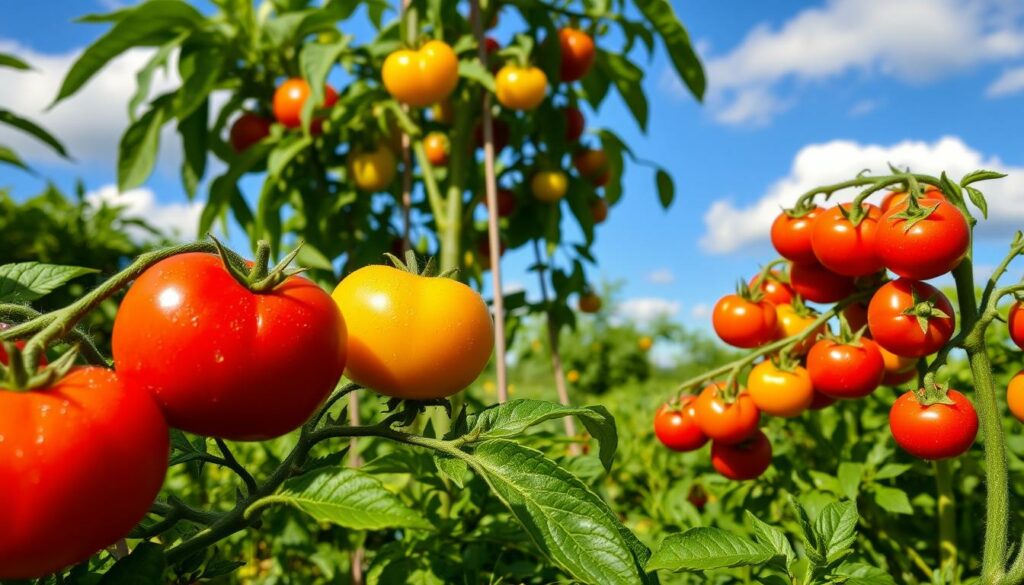
Tomato varieties include indeterminate (vining, continuous fruiting), determinate (bush, one main crop), and semi-determinate types. Heirlooms like Brandywine offer great flavor. Hybrids such as Celebrity and Early Girl provide disease resistance and good yields.
Choose varieties by use: Roma and San Marzano for sauces and canning, Beefsteak for slicing, and Sweet 100 or Sungold for snacking. Container gardeners should try Patio or Tiny Tim.
Check days to maturity and disease markings (V, F, N, TMV) when picking tomatoes for your site.
Climatic Conditions for Tomatoes
Tomatoes prefer daytime temperatures between 70 and 85°F and nights from 55 to 70°F. Heat above 90–95°F can stop fruit from setting. Plants get damaged by frost, so plant outdoors after the last freeze date.
Full sun is essential. Aim for six to eight hours of direct light daily. In short-season areas, use row covers or high tunnels to extend harvest time.
Keep humidity moderate and airflow good around plants. This helps reduce fungal risks to your tomatoes.
Common Diseases and Pests
Watch for early blight (Alternaria), late blight (Phytophthora infestans), septoria leaf spot, fusarium and verticillium wilts, and bacterial spot. Blossom end rot relates to calcium uptake and uneven watering.
Common pests include tomato hornworms, aphids, whiteflies, flea beetles, cutworms, slugs, and snails. Many pests spread viruses and bacteria, causing secondary infections.
Prevent problems with crop rotation, resistant varieties, and good sanitation. Regular scouting helps catch issues early.
Integrated pest management uses biological controls, targeted pesticides, and cultural practices. These tips work well with clear tomato care instructions to keep plants healthy and productive.
Preparing the Soil for Planting
Good tomato harvests start well before transplanting. This guide focuses on soil readiness, testing, and drainage. It also covers choosing between organic and conventional soil practices.
Careful soil preparation improves root health, lowers disease risks, and supports strong fruit growth.
Soil Testing and Amendments
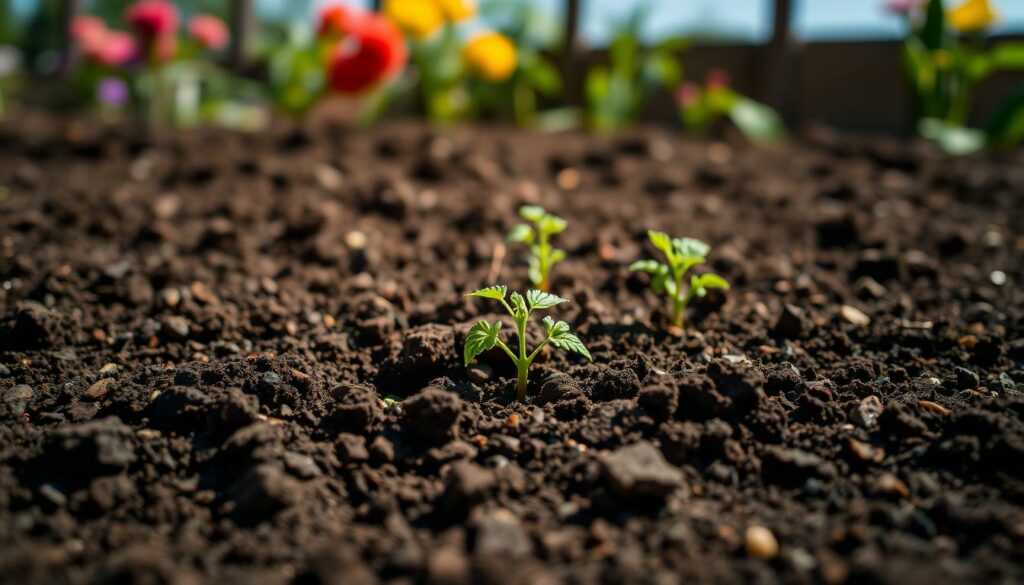
Send a sample to a local Cooperative Extension lab or use a reliable home kit. Test for pH, N-P-K, and micronutrients. Tomatoes prefer a pH between 6.2 and 6.8.
Testing helps you know what to add. It removes guesswork in your tomato planting plans.
To raise pH, apply dolomitic lime as the lab suggests. To lower pH, use elemental sulfur applied weeks before planting. Add compost or well-rotted manure to improve soil structure and fertility.
Early growth needs balanced nitrogen for leaves. During flowering and fruiting, reduce nitrogen and increase phosphorus and potassium.
Organic sources include bone meal, rock phosphate, kelp, or compost. Use recommended rates. Too much nitrogen causes lush leaves but poor fruit set.
Importance of Drainage
Soil texture controls water movement. Loamy soils with good tilth and drainage suit tomatoes best. Heavy clay traps water and can suffocate roots.
Poor drainage causes root rot and reduces oxygen. It also locks up nutrients and raises disease risk.
Raised beds or mounded rows promote runoff and help root aeration. Mixing compost and coarse sand opens water channels in heavy soil.
If surface drainage is a problem, install French drains or beds with gravel trenches. These move excess water away from roots.
Well-drained soil helps prevent many common tomato growing failures.
Organic vs. Conventional Soil
Organic tomato growing focuses on building living soil. Compost, cover crops like legumes, and organic fertilizers feed plants and microbes.
Over time, soil biology improves structure and nutrient cycling.
Conventional methods use synthetic fertilizers and soil conditioners for faster nutrient availability. These give quick results during key growth phases.
An integrated fertility plan blends both. Use compost and cover crops for long-term health.
Add targeted conventional fertilizers if an immediate fix is needed. Safe products at careful rates protect home gardens while following tomato tips.
| Topic | Organic Approach | Conventional Approach | Best Use |
|---|---|---|---|
| pH Adjustment | Dolomitic lime, wood ash when matched to test | Granular lime products with uniform dosing | Match to soil test; timing before planting |
| Primary Nutrients | Compost, blood meal (N), bone meal (P), kelp (K) | Complete N-P-K mixes, controlled-release pellets | Use organic for long-term health; conventional for quick correction |
| Soil Structure | Cover crops, regular compost additions | Soil conditioners and wetting agents | Organic builds lasting tilth; conditioners help short-term |
| Drainage Fixes | Raised beds, compost, mulch | Engineered drainage, gravel layers | Combine raised beds with drainage where needed |
| Speed of Results | Gradual improvement over seasons | Rapid nutrient availability within days | Balance both based on urgency and garden goals |
Choosing the Right Location
Picking the best spot sets the stage for a productive season. A good tomato garden location improves bloom set and reduces diseases. It also makes daily care easier.
Pay attention to light, water access, and wind exposure. This helps gardeners follow reliable tomato gardening steps from planting to harvest.
Sunlight Requirements
Tomatoes need strong sun to ripen and develop sugars. Aim for six to eight hours of direct sunlight daily. South- or west-facing spots usually get the best sun in the U.S.
Map sun patterns for a week before planting. Notice morning and afternoon shade to find the sunniest spot. Reflective surfaces like light walls or aluminum mulch brighten poor sites and improve fruit color.
For tomatoes in pots, rotate containers every few days. This keeps plants evenly lit. Place pots where they get the longest sunlight and avoid spots with only brief light.
Proximity to Water Supply
Consistent moisture is very important. Place beds or pots near a faucet or hose to avoid missed watering days. This convenience helps gardeners follow tomato care exactly.
Use drip irrigation, soaker hoses, or timers to keep moisture steady. These methods lower evaporation and cut disease risks compared to overhead watering.
For tomatoes in pots, pick a spot where hoses reach all containers. Set a regular watering schedule. Use mulch or self-watering pots to keep soil moist between waterings.
Shelter from Wind
Wind can harm plants, cause uneven ripening, and prevent pollination. Avoid places with strong gusts. Plant near a fence or hedge for a natural barrier that lowers wind speed but lets light through.
Temporary windbreaks help early in the season. Use stakes, sturdy cages, and row covers to protect young stems. Secure supports well to avoid uprooting in storms and reduce stress on roots and joints.
Combine wind protection with good tomato care like proper staking and pruning. These strengthen plants and boost airflow. Better airflow reduces fungus risks and aids fruit set.
Planting Seeds Indoors
Starting tomatoes indoors lets gardeners control early growth and support a good harvest. This guide covers key points like timing, soil mixes, and safe transplanting. It helps keep seedlings healthy and fits common tomato care tips.
Timing for Starting
Begin tomato seeds six to eight weeks before planned transplanting. In many U.S. areas, start four to six weeks before the last frost date.
Start longer-season varieties earlier for best results. Calculate start dates by adding days to maturity to your harvest goal.
Use local frost dates and adjust for yard microclimates to plan timing well. This helps in creating a precise tomato planting schedule.
Selecting Seed Starting Mix
Pick a light, well-draining mix to reduce damping-off risk. Commercial mixes from Burpee, Espoma, or Miracle-Gro work well.
Organic planters may prefer coconut coir blends with perlite and vermiculite. Sterile media helps stop fungal diseases early on.
After true leaves show, feed seedlings weak liquid nutrients like diluted fish emulsion or a balanced water-soluble fertilizer. This supports steady growth without stressing roots.
Transplanting Seedlings
Harden off seedlings for seven to ten days. Start with few hours in the shade and increase outdoor time each day.
This gradual change lowers transplant shock and follows important tomato care rules. Plant seedlings deeply to the first true leaves so stems grow extra roots.
Space determinate types 18–36 inches apart and indeterminate types 24–48 inches apart. Transplant when soil is above 60°F and frost danger is gone.
Do transplanting during cool parts of the day and water seedlings right away. Using mycorrhizal inoculants or root stimulants can help plants settle faster.
These steps complete a practical routine for starting tomato seeds indoors and follow a clear tomato planting guide.
| Step | When | Why it Matters | Quick Tip |
|---|---|---|---|
| Calculate start date | 6–8 weeks before transplant | Matches seedling age to transplant window for best yields | Use local last frost and variety maturity |
| Choose mix | At seeding | Light, sterile mix prevents disease and improves drainage | Try Espoma or coconut coir + perlite |
| Feed seedlings | After true leaves appear | Provides nutrients without burning tender roots | Use weak fish emulsion or balanced fertilizer |
| Harden off | 7–10 days before transplant | Limits shock and improves survival outdoors | Begin with a few shaded hours daily |
| Transplant | When soil >60°F | Ensures roots grow and plants set quickly | Plant deep to first true leaves; water well |
Direct Sowing vs. Transplanting
The choice between planting seeds directly or setting out young plants shapes the gardener’s season. This guide compares both methods and explains when each works best.
It also outlines techniques for sowing seeds right in the garden, helping home growers decide what suits them.
Starting tomatoes indoors gives an early start and leads to earlier production. Gardeners can choose disease-free starts and select varieties well.
Transplants reduce early weed competition and protect seedlings from pests and cold weather.
Techniques for Direct Sowing
Sow seeds about 1/4 inch deep. Thin seedlings once true leaves appear to the recommended spacing.
Prepare a fine, warm seedbed with good drainage and steady moisture for better germination. Use black plastic or row covers to warm cool soils.
Stagger sowings to keep a steady harvest. Direct sow tomatoes face risks from slugs, soil pathogens, and uneven germination in cold conditions.
When to Choose Each Method
Transplanting is best for short seasons. It helps when an early harvest is wanted or varieties take long to mature.
Transplants work well in container gardens because they offer strong root balls for pots. Direct sowing fits long seasons and robust, fast-germinating varieties.
Direct sowing is good for gardeners who want less handling of plants.
- For small spaces or rooftop containers, use transplants following a tomato planting guide.
- Direct sow tomatoes when soil warms up well to save time and money.
- Combine methods for a steady supply: transplant early starters, then direct sow later rows.
Watering Techniques for Tomatoes
Proper irrigation makes a big difference in tomato health. This guide offers practical watering tips to help plants set fruit.
It also shows how to avoid common tomato problems through good care.
Best Practices for Watering
Water deeply and less often to encourage strong roots. Aim for 1–1.5 inches of water per week from rain and irrigation.
Water in the morning to keep leaves dry and lower disease risk.
Use drip irrigation or soaker hoses to reach the root zone. Keeping foliage dry helps prevent fungal issues like blight.
Adjust watering during heat waves or heavy fruit production to meet your plants’ needs.
Signs of Overwatering and Underwatering
Overwatered plants may have yellow leaves, wilt despite wet soil, poor fruit set, or root rot signs.
Underwatered plants wilt, curl leaves, drop blossoms, and produce small fruit.
Check soil moisture 2–3 inches down or use a moisture meter to diagnose problems early.
Regular moisture checks are a key part of good tomato care.
Mulching to Retain Moisture
Apply 2–3 inches of organic mulch like straw, shredded leaves, or dried grass after soil warms and seedlings grow.
Leave space at the stem to prevent collar rot.
Mulch conserves water, suppresses weeds, reduces soil splash that spreads pathogens, and keeps soil temperature steady.
Organic mulches also break down and add nutrients for long-term tomato health.
Combining steady watering, visual checks, and mulching creates reliable care routines for gardeners season after season.
Fertilizing Tomato Plants
The right feeding plan helps plants set fruit and resist stress. This guide covers practical choices and timing for feeding tomatoes. Gardeners can follow clear care tips with confidence.
Types of fertilizers to use
Organic tomato growing favors compost, well-rotted manure, kelp meal, and fish emulsion for fast nutrient uptake. Blood meal boosts nitrogen important in leafy phases.
Bone meal or rock phosphate raises phosphorus to support root and flower growth. Synthetic options include balanced blends like 10-10-10 and tomato-specific formulas that emphasize phosphorus and potassium.
Slow-release granules provide steady nutrition, while water-soluble feeds fix deficiencies fast. Foliar feeds such as seaweed sprays add micronutrients but do not replace soil amendments.
Frequency of feeding
Mix compost and slow-release fertilizer at planting to set a nutrient baseline. Side-dress with compost or balanced fertilizer every four to six weeks during growth.
For water-soluble feeds, follow label instructions. A common practice is half-strength every one to two weeks when plants bear fruit.
Reduce nitrogen after heavy flowering to avoid too much foliage and fewer fruits.
Signs of nutrient deficiency
Nitrogen deficiency shows as yellowing in older leaves and slow growth. Phosphorus problems may cause purpling on stems or leaf undersides and poor fruit set.
Potassium shortage appears as browning or scorching on leaf edges and lower fruit quality. Calcium deficiency often leads to blossom-end rot, a sunken brown spot on fruit ends.
This relates to irregular watering or low calcium uptake. Micronutrient issues include iron chlorosis, causing yellowing between veins on new growth, and magnesium deficiency, showing yellowing on older leaves.
Soil testing and targeted amendments offer the best correction for these problems.
| Fertilizer Type | Best Use | Application Rate | Notes |
|---|---|---|---|
| Compost (organic) | Baseline soil health | At planting: 2–3 inches mixed into top 6–8 inches | Improves structure and slow nutrient release |
| Blood meal (organic) | Boost nitrogen for leafy growth | 1/4–1/2 cup per plant, side-dress | Use early; reduce after flowering |
| Bone meal / Rock phosphate (organic) | Increase phosphorus for blooms | 2–4 tablespoons per plant at planting | Slow release; works best in acidic to neutral soils |
| Fish emulsion / Kelp (organic) | Quick micronutrient boost | Follow label; often 1–2 tbsp per gallon | Good as foliar or soil drench during stress |
| Balanced granular (10-10-10) | General feeding | Follow label; typical 1/2–1 cup per 10 sq ft | Apply at planting and side-dress monthly |
| Tomato-specific fertilizer | Fruiting stage support | Label instructions vary; often lower nitrogen | Formulated for better fruit set and flavor |
| Slow-release granules | Season-long nutrition | Per container or area per product directions | Reduces need for frequent feeding |
| Water-soluble feed | Quick correction of deficiencies | Half-strength every 1–2 weeks | Use for targeted fixes and foliar sprays |
Pruning and Supporting Tomato Plants
Proper pruning and sturdy supports form a practical backbone for healthy tomato beds. Gardeners who use clear tomato gardening techniques see fewer diseases and better fruit set. They also find harvesting easier.
This short guide outlines simple steps for pruning tomatoes and choosing tomato supports. It also offers tomato maintenance tips for the home grower.
Different Pruning Techniques
Suckering removes small lateral shoots that grow between a stem and a branch. This method helps indeterminate plants focus energy on fruit instead of excess foliage.
Topping and selective leaf removal improve air flow and light for ripening fruit. Removing lower leaves touching the soil cuts disease risk. Make cuts with clean, sharp pruners.
Disinfect tools when disease is suspected to prevent spreading. Minimal pruning is best for determinate varieties. Over-pruning these plants can reduce yield.
Focus on removing diseased, damaged, or crossing branches rather than shaping the plant.
Types of Supports for Tomatoes
Stakes work well for single-stemmed plants. Use bamboo or metal stakes and tie stems loosely as they grow. This prevents girdling.
Cages made from wire or heavy-gauge mesh hold determinate and many indeterminate plants. They suit containers and small beds. Cages reduce the need for daily tying.
Trellises and vertical systems like string trellises or the Florida weave save space in tight plots. These systems suit high-yielding indeterminate varieties. They also make harvesting easier.
Specialty supports include grow-through cages, tomato rings, and heavy-duty cages for large-fruited types like beefsteaks. Install supports at planting or soon after. This trains plants early and avoids root disturbance.
Benefits of Pruning
Pruning improves air circulation and light penetration. Better airflow reduces fungal pressure and keeps foliage drier after rain or watering.
Redirected energy often produces larger, higher-quality fruit. Pruned plants ripen fruit more evenly and use nutrients more efficiently.
Maintenance is easier with a tidy plant. Harvesting is quicker, broken branches reduce in wind, and garden space is used more efficiently. These benefits occur when gardeners follow basic tomato maintenance tips.
- Tool care: Clean pruners between plants when disease is present.
- Timing: Prune sparingly during heavy fruit set to avoid reducing photosynthetic leaf area.
- Support pairing: Match tomato supports to variety and garden layout for best results.
Harvesting Tomatoes
Harvesting tomatoes rewards you after weeks of care and following maintenance tips. A brief morning routine during peak season keeps fruit healthy and lowers pest damage. Handling tomatoes gently and picking them on time preserves flavor and texture for fresh use and storage.
Signs of Ripeness
Color shows ripeness best. Look for even, full color that matches the variety, such as red, pink, yellow, orange, or purple. Shoulders and blossom ends should ripen uniformly with no pale green spots.
Firmness is key. A ripe tomato feels soft when pressed gently, but still firm enough not to bruise. It often detaches from the vine with a slight twist. A sweet smell near the stem means better taste.
Best Time to Harvest
Check tomatoes daily during peak season. Picking in the morning keeps fruit cool and firm for short storage. Avoid harvesting when fruit is wet to reduce disease and damage.
If frost or disease comes, pick tomatoes at the breaker stage, when the first color appears. Let them finish ripening indoors on a counter away from sun. For longer storage or shipping, pick at mature green or breaker stage and let them ripen later.
Techniques for Picking Tomatoes
Gently twist ripe tomatoes to pick them. Pruning shears or scissors give clean cuts and protect the stem. Leaving a short stem helps prevent scarring.
Handle tomatoes with care to stop bruises. Put the fruit in a shallow container in one layer to avoid crushing. Follow tips like washing hands and tools before picking, and rotating containers to keep fruit safe.
The type of tomato matters. Indeterminate tomatoes produce fruit over weeks and need frequent picking. Determinate types ripen in a short time and may need daily checks to harvest at the right stage.
Storage and Preservation of Tomatoes
Proper tomato preservation keeps summer flavor throughout the year. This section covers short-term storage, canning, freezing, and simple recipes. Clear steps help gardeners and cooks save their harvest with confidence.
Short-Term Storage Methods
Ripe tomatoes last best at room temperature. Store them stem-side down on a flat surface. Keep tomatoes away from direct sunlight to preserve texture and flavor for 2–5 days.
Refrigerate only very ripe tomatoes to extend freshness. Cold slows ripening but can dull taste and change texture. Let chilled tomatoes return to room temperature before serving to recover flavor.
Handle and sort tomatoes before storing. Remove bruised or damaged fruit and keep a single layer. Avoid plastic bags that trap moisture and cause decay.
Canning and Freezing Techniques
Safe canning requires tested methods. Water-bath canning works well for high-acid items like salsa and crushed tomatoes. Pressure canning may be needed for low-acid tomato products.
Use USDA or land-grant university recipes. Add lemon juice or citric acid when needed to reach safe acidity for canning.
Freezing tomatoes works best for cooked dishes. You can freeze whole, chopped, or pureed tomatoes. Blanch and peel if desired, then pack into airtight containers or freezer bags.
Frozen tomatoes suit sauces, soups, and stews because their texture changes. They are less suited to fresh salads after freezing.
Concentrates and sauces extend the harvest. Reduce tomatoes to make paste, sauce, or crushed tomatoes. Then jar or freeze the products for later use.
Label jars with processing dates. Follow headspace, sealing, and sterilization steps for safe and reliable tomato preservation.
Recipes for Using Fresh Tomatoes
Fresh recipes highlight bright tomato flavor. Try Caprese salad, bruschetta, or fresh salsa for quick enjoyment. Use firm slicing tomatoes in salads and paste varieties for cooked sauces.
Cooked tomato recipes turn surplus into pantry staples. Classic marinara, roasted tomatoes, and tomato bisque work well for canning or freezing later meals.
Small tips improve cooking results. Halve cherry tomatoes for roasting. Seed and drain large tomatoes for sauces. Match tomato type to recipe for the best texture and taste.
| Method | Best Use | Expected Shelf Life | Key Tip |
|---|---|---|---|
| Room Temperature Storage | Immediate eating, salads | 2–5 days | Store stem-side down away from sun |
| Refrigeration | Very ripe fruit to extend life | 3–7 days (short extension) | Bring to room temperature before serving |
| Water-Bath Canning | Salsa, crushed tomatoes | 12–18 months unopened | Use tested recipes and add acid if needed |
| Pressure Canning | Low-acid tomato products, long-term storage | 12–18 months unopened | Follow pressure and time guidelines strictly |
| Freezing | Cooking later: sauces, soups, stews | 6–12 months | Blanch and peel for easier skins removal |
| Concentrates (Paste/Sauce) | Long-term pantry use | 12 months refrigerated or frozen longer | Reduce slowly to avoid burning and label jars |
Troubleshooting Common Issues
Tomato gardeners often face three broad problems: nutrient imbalances, insect pressure, and diseases.
A calm, methodical approach makes troubleshooting tomatoes easier.
Start with observation, then confirm with simple tests before treating.
Identifying Nutrient Problems
Visual clues like uniform yellowing, spotted necrosis, or stunted growth point to specific deficiencies.
Use soil and tissue testing to confirm nutrient problems rather than guessing.
For nitrogen shortage, apply balanced granular fertilizer or blood meal.
For potassium, use sulfate of potash or kelp-based products.
Blossom end rot comes from calcium issues and irregular watering.
Stabilize irrigation, add gypsum if soil tests low for calcium, and consider calcium foliar sprays for quick relief.
Avoid overcorrection by following label rates and watching plant response over 2–4 weeks.
Managing Pests Effectively
Early detection matters: check leaf undersides, stems, and fruit weekly.
Use yellow sticky traps for whiteflies and row covers for seedlings.
Hand-pick large caterpillars like hornworms; use insecticidal soaps for aphids.
Introduce beneficials like ladybugs or parasitic wasps to reduce pests naturally.
Apply products like Bt for caterpillars or neem oil for soft-bodied insects when needed.
Reserve pyrethrum-based options as a last resort.
Integrate cultural, biological, mechanical, and chemical strategies to follow IPM principles.
Doing this minimizes broad pesticide use while managing tomato pests efficiently.
Solutions for Common Diseases
Cultural controls prevent many problems: rotate crops, space plants for airflow, and remove infected material promptly.
Choose resistant cultivars with VFN or TMV resistance to lower disease risk.
Use certified disease-free seed and sanitize stakes and tools to keep pathogens out.
For active outbreaks, follow extension guidance on copper fungicides or chlorothalonil for some fungal and bacterial issues.
Apply sprays preventively when weather favors disease.
For late blight, remove and destroy affected plants instead of composting.
For fusarium or verticillium wilt, plant resistant varieties and improve soil health for long-term care.