

Surprisingly, nearly 60% of American renters avoid houseplants because they worry about care. Yet many common species thrive with just a little attention. This guide explains what low maintenance plants are and helps beginners find the best options for homes, apartments, and small gardens.
Low maintenance plants need little watering, fertilizing, pruning, and pest control. They also tolerate a range of light and temperature conditions. This guide covers both indoor easy-care plants and outdoor no-fuss plants.
It explains simple potting choices and offers seasonal tips that fit busy schedules. Readers will learn how to choose the right no-fuss plants and follow basic care strategies. The guide also helps spot common problems and provides trusted resources for more learning.
Remember, low-maintenance does not mean no care. Occasional checks for water, light, and winter protection are still required.
Key Takeaways
- Low maintenance plants save time but still need occasional care like watering checks and light adjustments.
- The guide focuses on easy care plants for U.S. homes, apartments, and small outdoor spaces.
- Expect simple potting and seasonal tips to help no-fuss plants thrive.
- Common problems are easy to fix with basic pest and stress recognition.
- Keywords like low maintenance plants and no-fuss plants are woven naturally for discoverability.
Introduction to Low-Maintenance Plants
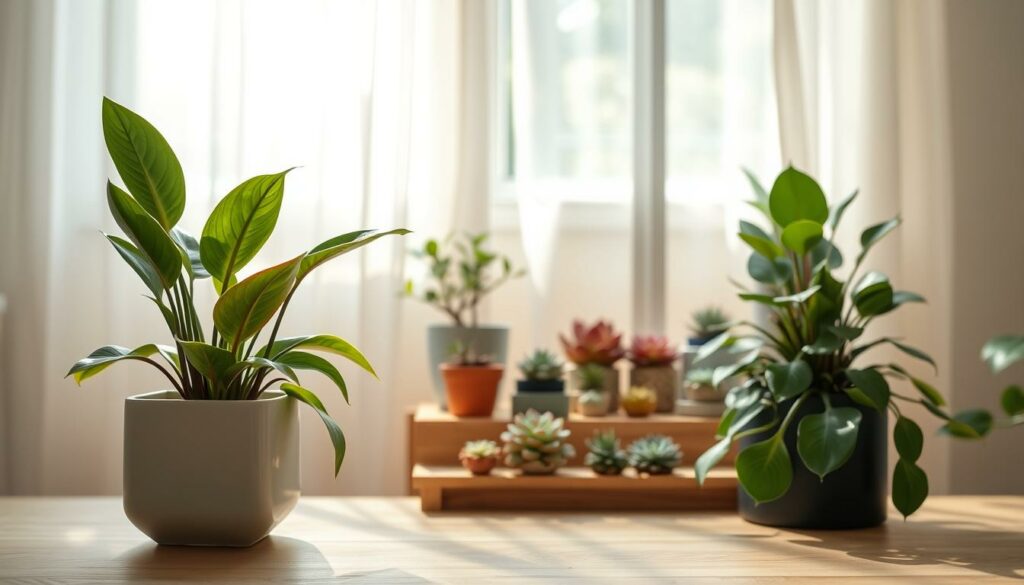
Low maintenance plants have traits that make care easy and forgiving. They need little water and few nutrients. These plants resist pests and adapt to indoor light well.
Plants like the snake plant thrive in indoor corners. Sedum does well in sunny outdoor areas. These examples show what low maintenance means.
Benefits for New Gardeners
New gardeners build confidence quickly with low maintenance plants. They face less frustration and spend less on mistakes. These plants help beginners learn about watering, light, and soil easily.
Caring for plants also improves mental health. Studies show gardening reduces stress and boosts well-being. Beginners get positive results without much upkeep.
Why They’re Ideal for Busy Lifestyles
Low maintenance plants fit busy lives. They need water far apart and little pruning. Many grow slowly and stay neat with little work.
These plants suit professionals, students, seniors, and travelers. A few easy plants keep a home green even when owners are away.
To pick the best plants, match their light needs to the room. Check the space and climate zone too. Choose several simple plants instead of one that needs much care.
Top Indoor Low-Maintenance Plants
Indoor low-maintenance plants bring greenery to small spaces with little fuss. These picks suit apartments, offices, and busy homes.
Each entry notes looks, light needs, watering, common problems, and quick fixes. Easy-care plants make steady companions for beginners and experienced decorators alike.
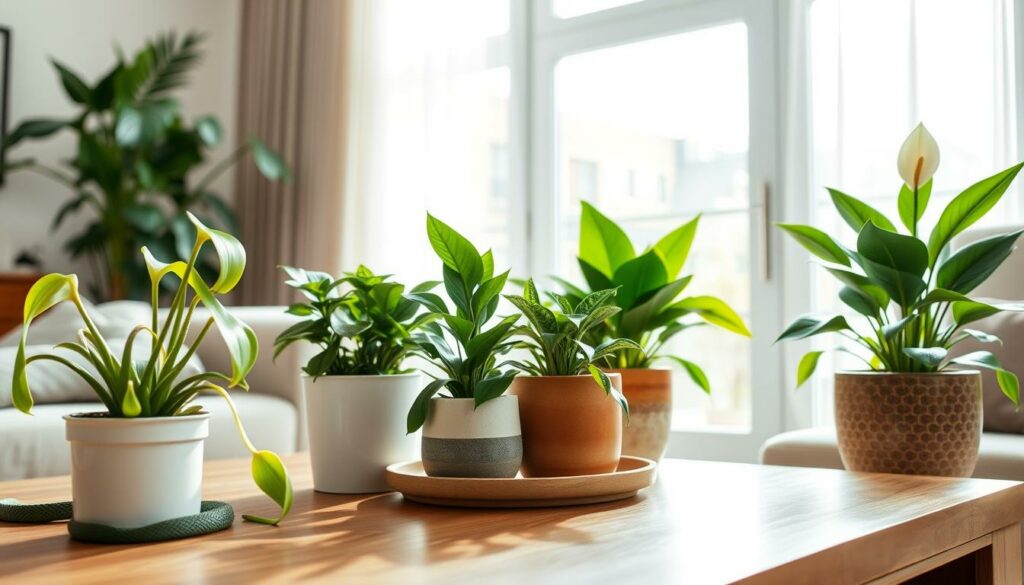
Choose nursery-grown specimens when possible. Check roots and leaves for good health. Avoid pots near heating or cooling vents.
These plants thrive with steady, simple attention.
Snake Plant
The snake plant has upright, sword-like leaves that add architectural interest. It tolerates bright indirect light and low light.
Water only after the soil dries; water sparingly in winter. It is drought-tolerant and helps purify indoor air.
Root rot often comes from overwatering. Repot in well-draining soil and reduce watering to fix root issues.
Pothos
Pothos trails or vines beautifully on shelves and hanging baskets. Popular types include Golden Pothos and Marble Queen.
It grows well in low to bright indirect light. Water when the top inch of soil dries.
Propagation is easy with stem cuttings in water or soil. Watch for pests like mealybugs and spider mites.
Wipe leaves and use insecticidal soap to treat pests quickly.
ZZ Plant
The ZZ plant has glossy, pinnate leaves and a neat, upright shape. It excels in low light and tolerates long dry periods.
Water it infrequently; it often thrives on neglect. Use well-draining soil with optional perlite for best growth.
This slow-growing plant resists pests well. Avoid overfertilizing to keep its growth steady and healthy.
| Plant | Light | Watering | Common Issues | Best Spot |
|---|---|---|---|---|
| Snake Plant | Bright indirect to low | Allow soil to dry; very sparing in winter | Root rot from overwatering; fix by repotting and reducing water | Corner with indirect light, away from vents |
| Pothos | Low to bright indirect | Moderate; let top 1″ dry | Mealybugs, spider mites; treat with leaf cleaning and insecticidal soap | Shelf, hanging basket, or trailing from bookcase |
| ZZ Plant | Low to moderate | Infrequent; tolerates long dry spells | Slow growth when overwatered; avoid excess fertilizer | Low-light corner or office desk, away from HVAC |
Best Outdoor Low-Maintenance Plants
For gardeners who want color and texture without constant care, a mix of hardy perennials and succulents works well. These outdoor low-maintenance plants fit busy yards, small landscapes, and containers. They reduce chores while helping pollinators and adding visual interest through the seasons.
Lavender (Lavandula spp.) grows best in full sun and well-draining, slightly alkaline soils. It shows strong drought tolerance once established, making it a top pick. Light annual pruning after flowering keeps its shape and encourages new growth.
Use lavender in borders, pollinator gardens, or containers. Watch for root rot in poorly drained soils and fungal issues in humid climates. Raised beds and good air circulation help reduce these risks.
Sedum (stonecrop) is a succulent family plant ranging from low groundcovers to taller autumn bloomers. These plants need little water and adapt well to poor soils. Many sedums, like Sedum spurium, are winter hardy and attract bees and butterflies.
Plant sedum in well-draining soil and avoid heavy fertilization. Divide clumps every few years to keep the plants healthy and vigorous.
Daylilies (Hemerocallis spp.) are tough perennials that grow in many soils and light conditions, from full sun to part shade. They need little pruning; just remove spent foliage to keep beds neat. Daylilies resist many pests and diseases and do well in mass plantings for quick impact.
Choose cultivars suited to your local USDA hardiness zone. Divide daylilies every 3–5 years to refresh crowded clumps.
Placement and design matter when planting these species. Combine lavender, sedum, and daylilies for varied textures and staggered bloom times. Use mulch sparingly around drought-tolerant plants to prevent moisture buildup.
Choose perennials that fit your local climate and soil. This approach ensures long-term success and minimal maintenance for your garden.
| Plant | Sun | Soil | Water Needs | Maintenance | Landscape Uses |
|---|---|---|---|---|---|
| Lavender (Lavandula spp.) | Full sun | Well-draining, slightly alkaline | Low once established | Light annual pruning after bloom; avoid wet feet | Borders, pollinator gardens, containers |
| Sedum (stonecrop) | Full sun to part sun | Well-draining, poor to average | Very low | Minimal; divide every few years | Groundcover, rock gardens, pollinator plantings |
| Daylilies (Hemerocallis spp.) | Full sun to part shade | Adaptable to many soils | Moderate, drought tolerant once established | Remove spent foliage; divide every 3–5 years | Mass plantings, borders, mixed beds |
Cactus Varieties for Easy Care
Many gardeners choose cacti because of their bright blooms and easy care. These plants do well on sunny windowsills and in dry landscapes. They need little work but add personality to homes or gardens.
Below are cacti that grow well with simple care routines. Each listing shows the shapes, flowers, and best spots—pots or gardens. These choices are perfect for people wanting low-maintenance plants.
Popular Types of Cacti
- Echinopsis (hedgehog cactus): This cactus has rounded or tall stems and large flowers that bloom at night or early morning. Ideal for pots and patios. A great first cactus for those seeking easy care.
- Mammillaria (pincushion cactus): Small clustered shapes with many spines and ringed flowers. Good for small pots, windowsills, or rock gardens. A classic low-care option.
- Opuntia (prickly pear): Features flat pads and colorful fruit on many types. Best outdoors in warm USDA zones, tolerating heat and drought. A strong choice for simple outdoor gardening.
- Schlumbergera (holiday cactus): Has flat stems and bright winter flowers. Likes a bit more humidity and indirect light than desert cacti. Fits well in indoor pots for seasonal blooms.
Tips for Cactus Maintenance
- Place most cacti in full sun. South- or west-facing windows indoors give good light and encourage blooming.
- Use cactus or succulent soil that drains well. This prevents root rot, the main danger to healthy plants.
- Water carefully: soak thoroughly, then let soil dry before watering again. Water less in winter when growth slows.
- Make sure pots have drainage holes. Trapped moisture harms even tough cacti that need easy care.
- Check soil moisture with a finger or moisture meter to avoid too much water. Overwatering causes most problems for low-care plants.
- Feed lightly in the growing season with balanced or cactus fertilizers. Use sparingly to keep plants healthy and compact.
- Repot every 2–3 years to refresh soil and check roots. Fresh soil helps plants stay strong and easy to care for.
- Protect outdoor cacti from strong freezes. Bring containers inside or cover plants during cold nights in mild climates.
- Handle spines carefully. Use tongs, folded newspaper, or gloves when moving or repotting to avoid injury.
| Species | Form | Bloom Habit | Best Use |
|---|---|---|---|
| Echinopsis | Rounded or columnar | Large, short-lived flowers; often night-blooming | Containers, patio displays |
| Mammillaria | Small clumps | Ringed, small flowers in spring/summer | Windowsills, rock gardens |
| Opuntia | Flattened pads | Vivid flowers; produces edible fruit on some species | Outdoor landscapes in warm zones |
| Schlumbergera | Flattened jointed stems | Bright winter blooms | Indoor containers, seasonal displays |
Low-Maintenance Succulents to Consider
Succulents offer striking shapes and reliable performance for gardeners seeking minimal fuss. These plants thrive in bright light and need infrequent watering. They are excellent options for low-maintenance greenery.
The examples below highlight common picks, care tips, and propagation methods for effortless gardening options.
Echeveria
Echeveria are rosette-forming succulents known for vivid colors and sculpted leaves. They do best in bright light to full sun.
Bright light helps keep them compact and enhances their strong colors. Use cactus mix or gravelly soil with excellent drainage.
Water only after the top dries to fingertip depth. Avoid getting water in the rosettes to prevent rot.
Propagate Echeveria by separating offsets (pups) or using leaf cuttings. They adapt well to outdoor containers in warm climates above freezing.
Place them where they get ample sun for best growth.
Aloe Vera
Aloe vera combines medicinal uses with low maintenance. Its gel soothes minor burns, making it practical for homes.
Place aloe in bright indirect light to full sun. Allow soil to dry between waterings. Prune damaged leaves at the base to keep plants healthy.
Propagate by transplanting offshoots that form around the base. Watch for overwatering, which causes soft, discolored leaves.
If overwatered, repot into a drier mix and improve drainage.
General Care Tips
Most succulents prefer temperatures between 50–90°F. Feed lightly in spring and summer with diluted balanced fertilizer.
Group plants with similar light and water needs to reduce stress and simplify care routines.
Choose containers with drainage holes. Use a gritty top-dressing of gravel to improve looks and cut evaporation.
These steps support long-term success with low-maintenance succulents and boost effortless gardening appeal.
Choosing the Right Potting Solutions
Picking the right medium and container makes caring for low upkeep vegetation easier. Thoughtful choices at planting prevent soggy roots and slow growth.
These choices also reduce the need for frequent repotting.
Drainage Considerations
Good drainage is critical for most low-maintenance plants. It helps avoid root rot.
Use commercial cactus or succulent mixes for plants that need fast-draining soil. For mixed houseplants, amend standard potting soil with perlite, pumice, or coarse sand to improve airflow and water flow.
Always choose pots with drainage holes. A thin layer of gravel helps if a pot sits on a saucer.
Do not rely on gravel alone to fix poor drainage. Avoid sealed containers unless the plant is hydroponic or the grower understands water management well.
Self-Watering Pots
Self-watering pots help busy owners keep soil moisture steady without daily watering. They lower the chance of drought or overwatering when used correctly.
Fern and tropical plant owners find self-watering pots very helpful. However, not all species like constant moisture.
Succulents and most cacti prefer drier cycles. For these, choose self-watering systems with adjustable wicks or removable reservoirs to limit wetness.
Trusted brands such as Lechuza and Bloem offer reliable reservoirs and modular parts for better control.
Practical Potting Tips
Pick a pot slightly bigger than the root ball to avoid excess wet soil. Terracotta and other breathable materials help plants dry between waterings.
Repot every one to three years based on growth and root crowding. Test heavy or compacted soils and add fresh mix and drainage additives when needed.
Use liners or saucers to protect hardwood and tile floors while letting excess water escape. Simple potting adjustments yield better long-term results for low maintenance plants.
Seasonal Care Tips
Seasonal care for low-maintenance plants needs simple, timed changes to stay healthy all year. A few key steps in fall and spring save time and cut stress for both indoor and outdoor plants.
The guidance below shows main actions for cold months and hot seasons. It also has a short checklist for changing seasons.
Winter Care for Indoors
In cold months, water less often because plants grow slower and get less light. Always check soil before watering to avoid giving too much water.
Keep containers away from cold drafts and heaters that dry the air. Tropical low-maintenance plants may need more humidity during winter.
Use pebble trays or a small humidifier near groups of plants. Turn pots once a week so leaves get even light and grow evenly.
Watch for pests like scale and spider mites that grow indoors in winter. Check leaves before bringing plants inside to catch pests early.
Treat infestations quickly with horticultural oil or insecticidal soap. This helps stop pests from spreading to other plants.
Summer Care for Outdoors
In hot weather, check soil moisture often during heat waves. For drought-tolerant perennials, water deeply but less often to build strong roots.
Adjust mulch to keep soil moist but prevent too much wetness near the plant base. Some plants can get sunburned in strong sun.
Provide shade with cloth during hot afternoons to protect fragile plants. Watch for more pests like aphids and caterpillars in summer.
Use horticultural oils or insecticidal soaps to control pests as needed. Moving plants indoors or outdoors requires gradual changes to avoid shock.
Acclimate plants slowly to new light levels. Always inspect and treat pests before bringing plants inside for winter.
Simple Seasonal Checklist
- Fall: check for pests, water less, and increase humidity for tropical plants.
- Winter: turn pots, avoid drafts and dry heat, and treat pest problems quickly.
- Spring: refresh topsoil, water more as plants grow, and light fertilizing.
- Summer: water deeply during heat, adjust mulch, and provide shade if needed.
These seasonal tips make gardening easier year-round. Small, steady steps keep low-maintenance plants healthy with little effort.
Common Issues with Low-Maintenance Plants
Low-maintenance plants appeal to busy people, but they still face routine threats. This brief guide helps readers recognize common plant issues. It helps decide when to act and keep care simple and effective.
Pests to Watch Out For
Pests to watch for include mealybugs, spider mites, scale insects, aphids, and fungus gnats. Each pest leaves clues that make diagnosis easy for beginners.
- Mealybugs — white cottony clusters on stems and leaf joints. Treat by dabbing with a cotton swab dipped in isopropyl alcohol then rinse.
- Spider mites — fine webbing and tiny moving specks on undersides of leaves. Use insecticidal soap or neem oil and increase humidity around the plant.
- Scale insects — small, hard bumps that stick to stems. Remove by scraping gently and apply horticultural oil if infestation continues.
- Aphids — visible tiny insects and sticky honeydew on leaves. Spray with water to dislodge them and use insecticidal soap for repeat problems.
- Fungus gnats — larvae in damp soil and adults hovering near pots. Let the soil dry between waterings or use yellow sticky traps or BTi products for larvae.
Signs of Stress
Signs of stress in plants often look similar across species. Quickly spotting the signs saves time and reduces damage.
- Yellowing leaves — can mean overwatering or nutrient deficiency. Check soil moisture and fertilization before changing care.
- Brown crispy edges — usually from underwatering or low humidity. Increase watering or place a humidifier near tropical plants.
- Wilting — may be from underwatering or root problems. Check roots for compact soil or rot.
- Leggy growth — shows not enough light. Move the plant to brighter indirect light or turn it toward a window.
- Black mushy stems — signs of root rot from too much water. Cut away the rotted parts and repot in fresh, well-draining mix.
Follow a simple routine: check soil moisture, lift the plant to look at roots, evaluate light, and review recent care changes. Small fixes often solve mild problems.
Preventive steps make care easier. Inspect plants weekly, use well-draining soil, avoid over-fertilizing, and quarantine new plants for two weeks. Proper light and regular watering lower risks of pests and stress.
| Problem | Key Sign | Beginner Treatment | When to Repot or Discard |
|---|---|---|---|
| Mealybugs | White cottony clusters | Swab with isopropyl alcohol; repeat weekly | Severe spread to roots or repeated reinfestation |
| Spider mites | Fine webbing, stippled leaves | Insecticidal soap; boost humidity | Plant loses majority of foliage or webs persist |
| Fungus gnats | Larvae in soil; adults flying | Allow soil to dry; use sticky traps or BTi | Persistent larvae after soil change |
| Yellowing leaves | Uniform or patchy yellow | Check watering, adjust fertilizer | Root rot found on inspection |
| Leggy growth | Long internodes, sparse foliage | Move to brighter light; prune tips | No recovery after light correction |
Resources for New Plant Owners
New plant owners benefit from print guides, digital forums, and video tutorials. These resources make it easy to learn watering routines, light needs, and troubleshooting. Below is a compact guide to trusted materials and communities that pair well with the plant lists in this article.
Recommended books on plant care offer step-by-step help and confidence. Each title focuses on practical experience and clear guidance.
- How Not to Kill Your Houseplant by Linda Ross — Practical troubleshooting and user-friendly care charts for common indoor plants.
- The Houseplant Handbook by David Squire — Detailed plant profiles and styling tips for creating healthy roomscapes.
- Succulents Simplified by Debra Lee Baldwin — Clear propagation methods and watering plans for drought-tolerant species.
Online plant communities support quick ID, problem solving, and encouragement. Active forums and apps let owners share photos and get tailored advice.
- Reddit communities such as r/houseplants and r/succulents offer crowd-sourced diagnosis and care tips.
- Facebook groups focused on indoor gardening have experienced members who post check-ins and swaps.
- Specialized forums like GardenWeb have in-depth threads on species, pests, and soil mixes.
- Plant identification apps like PictureThis and iNaturalist give fast IDs and basic care notes.
Additional learning tools expand practical skills and sourcing options. Video channels, local programs, and reputable sellers help you progress quickly.
- YouTube channels like Summer Rayne Oakes and Planterina show repotting and propagation with visual demonstrations.
- Local extension services and Master Gardener programs offer region-specific advice and seasonal calendars.
- Ecommerce sellers such as The Sill, Bloomscape, and Home Depot plants sell healthy specimens with reliable customer reviews.
- Keeping a simple plant journal or phone notes tracks watering schedules and growth over time.
Below is a quick comparison to help new owners choose the best learning route based on preference and pace.
| Resource Type | Best For | Strength | How It Supports Growth |
|---|---|---|---|
| Books | Readers who want structured learning | Depth and reliable reference | Provides plant profiles, troubleshooting, and long-term care plans |
| Online Communities | Quick answers and photo-based help | Fast feedback from active users | Enables real-time diagnosis, encouragement, and sharing of local tips |
| Video Channels | Visual learners and DIY projects | Step-by-step demonstrations | Shows techniques like repotting, pruning, and propagation in action |
| Local Programs | Gardeners needing regional guidance | Expert, localized advice | Offers soil tests, pest ID, and seasonal care tailored to local climate |
| Retail Sellers | Buyers seeking healthy plants | Quality assurance and return policies | Provides access to vetted specimens and customer reviews for picking resilient plants |
Conclusion: Embracing Plant Care with Ease
Choosing to embrace low maintenance plants means picking species that fit a home’s light and watering needs. Indoor choices like snake plant and pothos and outdoor plants such as lavender and sedum do well with simple care. With basic potting, good drainage, and attention to seasons, many hardy plants thrive as easy greenery.
New plant owners should start with one or two easy plants to gain confidence. Begin with proper potting and placement, and then follow simple watering and winter care tips. Learn to spot pests and stress early to keep plants healthy.
This steady approach makes simple plants reliable companions instead of chores. The benefits go beyond ease: better indoor air and improved home look. Check the seasonal checklist and resources often, and enjoy how no-fuss plants make gardening easy and rewarding.