

Nearly 75% of backyard plant failures come from choosing the wrong species for local conditions. This mismatch wastes time, water, and money.
This guide helps U.S. gardeners pick the best outdoor plants for their region. It covers hot, arid deserts, cold northern zones, humid coasts, and everything in between.
The aim is practical outdoor gardening advice that improves survival rates and lowers maintenance.
Readers will find clear gardening tips on plant selection, planting, and seasonal care tailored to climate.
Choosing climate-appropriate backyard plants reduces water use and cuts maintenance. It also creates stronger landscapes that support pollinators and local wildlife.
The audience includes home gardeners, landscapers, and DIY homeowners across the United States.
The article will move from understanding climate zones to plant lists for warm, cold, humid, and arid areas.
It also covers native species, container gardening, landscape design, seasonal care, and trends like sustainable gardening and edible landscapes.
Key Takeaways
- Picking the right outdoor plants for your climate boosts survival and reduces upkeep.
- Climate-aware choices save water and strengthen backyard plantings.
- The guide offers region-specific gardening tips for hot, cold, humid, and dry zones.
- Native plants support local ecosystems and require less care.
- Container gardening and seasonal care help gardeners adapt to changing conditions.
Understanding Different Climate Zones
Choosing the right outdoor plants starts with knowing the climate zone where they will grow. Climate zones help gardeners match plants to local temperature and moisture patterns. This makes plant care easier and reduces stress on plants.
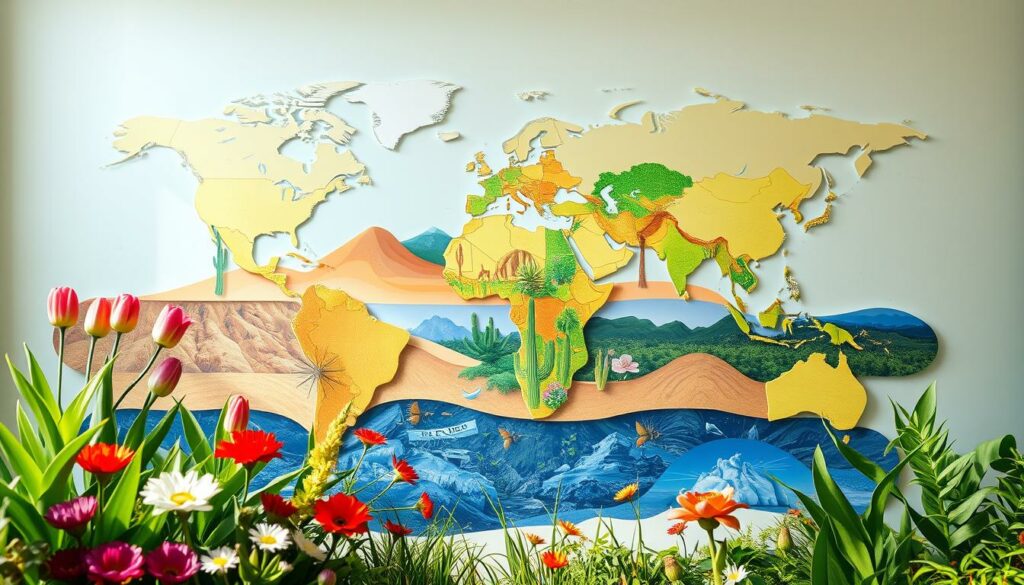
What are Climate Zones?
The USDA Plant Hardiness Zones map divides the U.S. by average minimum winter temperatures. Gardeners use these zones to know which perennials, shrubs, and trees survive winter lows. The Köppen classification groups regions by temperature and rainfall patterns. This helps select plants adapted to seasonal weather.
Importance of Plant Selection by Climate
Choosing plants that fit local temperature, rainfall, and humidity lowers disease risk and reduces work. Plants suited to the site need less water, fertilizer, and pruning. This makes gardening more efficient.
Microclimates are important. South-facing walls warm faster in spring. Urban heat islands raise nighttime temperatures. Low frost pockets freeze more often.
Soil also affects plant care. Drainage, texture, and pH affect root health and nutrient uptake. Testing soil and adding amendments help plants grow faster and stay stronger.
Common U.S. Climate Zones Overview
The Pacific Northwest is cool and wet with mild winters and steady rainfall. Plants here tolerate moisture and cooler summer temperatures.
The Southwest is hot and dry with big day-night temperature swings. Drought-tolerant plants and careful irrigation are needed here.
The Southeast has heat and humidity. Gardeners pick plants that resist fungal problems and grow well in long growing seasons.
The Midwest has cold winters and hot summers. Hardy perennials that handle wide temperature ranges grow best here.
The Northeast faces cold winters and moderate summers. Native shrubs and trees that survive freeze-thaw cycles are good choices.
California’s coastal and Mediterranean zones have mild, wet winters and dry summers. Plants must survive summer drought and cool marine air.
To find a property’s climate zone, check the USDA map or local extension office. Consider elevation, warming trends, and microclimates. Small changes in plant placement and soil can help more plants thrive.
| Region | Typical Climate Traits | Planting Considerations |
|---|---|---|
| Pacific Northwest | Cool, wet winters; mild summers; frequent cloud cover | Choose moisture-tolerant perennials and fungi-resistant shrubs; prioritize drainage and shade-tolerant varieties |
| Southwest | Hot, arid; wide diurnal temperature range; low rainfall | Use drought-resistant plant varieties, xeriscaping, and drip irrigation; amend soil for water retention where needed |
| Southeast | Hot, humid summers; mild winters; high rainfall | Favor heat- and humidity-tolerant outdoor plants; monitor for fungal pests and improve air circulation |
| Midwest | Cold winters; hot, humid summers; variable precipitation | Pick cold-hardy perennials and trees; consider winter protection and summer water management |
| Northeast | Cold winters; moderate summers; seasonal precipitation | Select species resilient to freeze-thaw cycles and winter desiccation; plan for sturdy root systems |
| California Coastal / Mediterranean | Mild, wet winters; dry, warm summers; cool marine influence | Opt for drought-tolerant and salt-tolerant plant varieties; mulch and water deeply but infrequently |
Best Outdoor Plants for Warm Climates
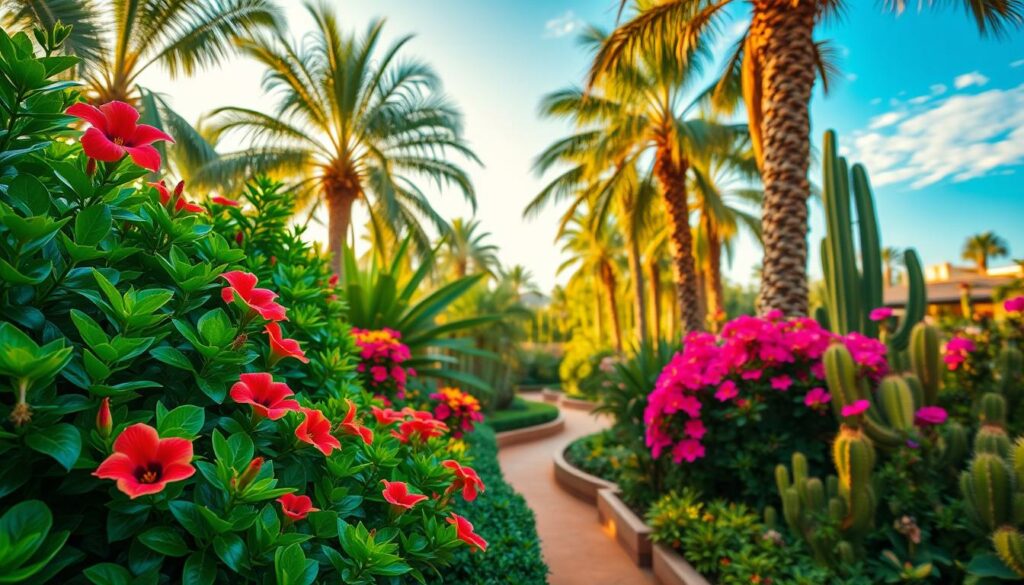
Warm climate plants add color and structure to hot yards. Gardeners in USDA warm zones pick species that handle heat and sun well. This section highlights resilient choices, tropical plants, and care tips for a nice backyard garden.
Drought-Resistant Options
For low-water landscapes, drought-resistant plants perform best. Lavender (Lavandula) and rosemary (Rosmarinus officinalis) offer fragrance and long-lasting blooms. Russian sage (Perovskia atriplicifolia) and ornamental grasses like Muhlenbergia add texture and movement.
Succulents such as agave store moisture in thick leaves. Native bunchgrasses hold soil and need little watering. These plants use deep roots or waxy leaves to reduce water loss, lowering watering needs.
Tropical Plants for Warm Areas
Tropical plants do well where frost is rare. Hibiscus (Hibiscus rosa-sinensis) and bougainvillea produce bright blooms in full sun. Bird of paradise (Strelitzia) and palms give a lush look in larger yards.
Banana (Musa) grows in protected microclimates or with winter care in marginal areas. Many tropicals are cold-sensitive and benefit from windbreaks, afternoon shade, or moving pots inside during cold spells.
Maintenance Tips for Warm-Weather Plants
Water deeply but less often; drip systems target roots directly. Mulch saves moisture and cools the soil. Adjust soils for good drainage and water holding to match plant needs.
Prune lightly outside the hottest times to prevent stress. Fertilize carefully to boost growth without causing weak shoots that need more water. Watch for pests like spider mites and scale that thrive in heat.
Shade cloth and smart planting near buildings protect sensitive tropical plants from sun and wind. For local advice, contact county extension services such as the University of California Cooperative Extension or Texas A&M AgriLife.
Ideal Outdoor Plants for Cold Climates
Cold climate plants add color and shape to winter gardens when chosen carefully. Good garden design pairs plant habits with site conditions. This section describes reliable choices and steps for strong winter growth.
Hardy Perennials for Cold Regions
Hardy perennials like daylilies (Hemerocallis), coneflowers (Echinacea), sedums (Sedum spp.), peonies (Paeonia), and hostas do well in low temperatures. Gardeners should check USDA zone ratings and pick cultivars rated for colder zones.
Plant crowns slightly higher in well-drained soil. Apply mulch in late fall to moderate soil temperature. Fall planting helps roots establish before winter and boosts spring blooms.
Evergreen Options for Winter Interest
Evergreen shrubs and trees provide year-round structure and contrast. Boxwood (Buxus), yew (Taxus), holly (Ilex), eastern red cedar (Juniperus virginiana), and dwarf conifers stay attractive through snow and ice.
Match species to soil type and exposure to lower winter burn risk. Use windbreaks or sheltered spots for tender plants. Regular care includes checking salt exposure and refreshing mulch every season.
Preparing Plants for Frost
Timing is key for frost protection. Plant early enough in fall for roots to settle but avoid late planting that leaves new growth tender. In spring, harden off transplants by slowly reducing cover.
Cover vulnerable beds with frost cloths or blankets during freezes. Mulch roots to keep soil temperature stable. Water thoroughly before freezes to prevent dryness. Anti-desiccant sprays can reduce moisture loss on evergreens.
Move container plants to sheltered places before long freezes. Follow spring planting windows in cold zones to reduce transplant shock and winter loss.
| Topic | Recommended Plants | Key Plant Care Steps |
|---|---|---|
| Hardy Perennials | Daylilies, Coneflowers, Sedums, Peonies, Hostas | Check USDA zones, plant in fall, mulch crowns, choose cold-hardy cultivars |
| Evergreen Structure | Boxwood, Yew, Holly, Eastern Red Cedar, Dwarf Conifers | Match soil and exposure, protect from wind, monitor for winter burn, refresh mulch |
| Frost Protection | All vulnerable beds and containers | Harden off transplants, use frost cloths, water before freeze, move containers indoors |
| Seasonal Scheduling | Perennials and bulbs | Plant bulbs in fall, follow spring planting windows, allow root establishment before frost |
Outdoor Plants for Humid Environments
Gardens in humid regions need plants and care that work well with constant moisture and warmth. Choosing the right species and using good plant care keeps landscapes healthy. This guide helps gardeners pick plants and handle challenges in damp climates.
Moisture-Loving Plant Varieties
Choose species that handle wet soils and flooding. Ligustrum provides dense screening and tolerates wet spots. Hydrangea has long-lasting blooms and thrives in moist beds.
Azalea grows well in shaded, damp areas and adds spring color. Hosta is perfect for shady, soggy spots where leaves stand out. Red maple (Acer rubrum) fits riparian plantings and riverbanks.
Swamp milkweed (Asclepias incarnata) supports pollinators in rain gardens. River birch (Betula nigra) resists wet soils and helps stabilize stream edges.
Managing Fungal Issues in Humid Areas
High humidity encourages pathogens like powdery mildew, leaf spot, root rot, and anthracnose. Catch problems early and clean up infected leaves and debris. This limits disease spread and reinfection sources.
Cultural methods work better than sprays. Improve air flow with good spacing and selective pruning. Avoid watering overhead late in the day to keep foliage dry. Use resistant varieties and focused fungicides when necessary as part of a complete disease control plan.
Best Practices for Humidity Tolerance
Soil and watering choices matter a lot. Use raised beds or add compost and sand to heavy clay for better drainage. Mulch to keep moisture but keep it away from plant crowns to avoid rot.
Place plants in spots matching their sun and shade needs to reduce stress. Use drip irrigation and water in the morning so leaves dry fast. Pick disease-resistant plants to cut down care needs and improve success.
| Plant | Best Use | Drainage Preference | Disease Notes |
|---|---|---|---|
| Ligustrum | Privacy screens, hedges | Normal to wet | Resilient; prune for airflow |
| Hydrangea | Border focal points, rain gardens | Moist, well-drained | Watch for leaf spots; remove debris |
| Azalea | Acidic beds, woodland gardens | Moist, humusy | Susceptible to root issues in poor drainage |
| Hosta | Shade planting, groundcover | Moist | Slugs common; fungal leaf spots possible |
| Red maple (Acer rubrum) | Wetland or riparian canopy | Moist to wet | Prune dead wood; anthracnose can occur |
| Swamp milkweed (Asclepias incarnata) | Pollinator gardens, rain gardens | Wet | Generally hardy; monitor for fungal leaf spots |
| River birch (Betula nigra) | Bank stabilization, shade trees | Moist to wet | Good resistance to borers; maintain vigor |
For local advice on plant issues, check Cooperative Extension guides like Clemson Extension and University of Florida IFAS. These guides provide practical help for fungal disease and other outdoor gardening tips in humid areas.
Choosing Plants for Arid Regions
Arid region plants create a smart, resilient landscape. They reduce water use and add strong visual interest.
Homeowners mix practical choices with design to make drought-friendly yards that feel lush and inviting.
This section covers plant choices, adaptations, and irrigation tips for dry climates. It helps gardeners find low-maintenance plants without losing curb appeal.
Cacti and Succulents as Smart Choices
Cacti and succulents grow well in many dry U.S. regions. Popular types include Opuntia, Echinocactus, Aloe, Sedum, Sempervivum, yucca, and agave.
Each species differs in cold tolerance and heat resilience. Containers suit tender succulents that need protection during cool nights.
Plant larger, established agave and yucca directly in the ground. Group plants with similar water needs to simplify care.
Desert Adaptations in Vegetation
Dry-loving plants share key adaptations. Succulence lets them store water in leaves or stems. CAM photosynthesis cuts water loss by working at night.
Other features include smaller leaves, reflective leaf hairs, and deep or widespread roots. Deep-rooted plants stabilize wind-exposed slopes.
Shallow-rooted succulents thrive in rocky beds, fitting their water and soil needs carefully.
Irrigation Techniques for Dry Climates
Water-wise irrigation limits waste and supports healthy roots. Drip irrigation and soaker hoses deliver water right at soil level.
Hydro-zoning groups plants by water need, helping avoid overwatering drought-tolerant beds. New plants get a deep soak first, then less water over time.
Water in early mornings to reduce evaporation and disease risk. Use gravel or decomposed granite mulch to cut surface moisture loss.
Soil amendments like compost and biochar improve moisture retention without causing soggy soil. Capture rainwater for extra watering in summer.
| Category | Examples | Best Use | Water Needs |
|---|---|---|---|
| Cold-tolerant succulents | Sempervivum, Sedum | Rock gardens, edging | Low |
| Heat-tolerant cacti | Opuntia, Echinocactus | Open sunny beds, slopes | Very low |
| Architectural plants | Agave, Yucca | Focal points, containers | Low |
| Versatile succulents | Aloe, Graptopetalum | Containers, mixed borders | Moderate to low |
| Softscape elements | Native desert grasses | Fillers, erosion control | Low |
Design strategies use gravel mulch, rock gardens, and native grasses to create xeriscapes. These reduce irrigation needs significantly.
Local water utilities and the Xeriscape Council offer region-specific advice for sustainable outdoor plants. Their guidance supports long-term garden success.
Native Plants and Their Benefits
Choosing native plants brings clear benefits to home gardens and public spaces. These plants evolved with local climates, soils, and seasonal cycles. Because of this, they establish faster and need less water and care.
Native landscaping improves soil health. It also lowers the need for fertilizers and pesticides. This helps keep nearby streams and lawns cleaner.
The right native plants feed pollinators and wildlife all year. Using trees, shrubs, perennials, and groundcovers offers food, shelter, and nesting spots for birds and bees. Gardeners can create resilient spaces that support local ecosystems with little extra work.
Importance of planting local species
Native species survive better because they adapt to local conditions. This means fewer replacements and less work for homeowners. Local predators and parasites reduce pest problems naturally. This method fits well with many conservation programs and incentives.
Top native plants by region
In the Northeast, popular plants include Echinacea purpurea, Rhododendron, and Acer saccharum. The Southeast favors Rudbeckia hirta, Magnolia grandiflora, and Loblolly pine. Midwestern yards often use Monarda fistulosa, Solidago species, and various Quercus trees.
In the Pacific Northwest, Vaccinium, Mahonia, and Thuja plicata grow well. The Southwest benefits from Cercidium floridum, Penstemon species, and native bunchgrasses. Gardeners should check state plant societies and USDA lists for local choices.
Buying from native plant nurseries, botanical gardens, or sales helps ensure true regional plants. This supports local flora and healthy ecosystems.
Supporting wildlife with native flora
Native plants provide nectar, pollen, seeds, and host plants for insects like monarch butterflies. Layered plantings create microhabitats that support wildlife through all seasons. Small trees offer perches, shrubs supply berries, and perennials offer continuous blooms for pollinators.
Garden tips include grouping plants by water needs and planting in clusters to attract pollinators. Leaving leaf litter or brush piles gives shelter. Conservation programs may offer rebates or help for homeowners who add native landscaping.
Container Gardening for Outdoor Spaces
Container gardening adds flexible green space to patios, balconies, and small yards. It suits both beginners and experienced gardeners. Containers allow control over soil, sun, and water, making them great for city settings.
Choosing the right plants and pots improves success. Think about light, cold tolerance, and if plants grow for food or decoration. Proper care keeps leaves healthy and fruiting plants productive.
Best Outdoor Plants for Containers
Herbs like basil and thyme do well in pots and offer fresh flavors. Compact perennials such as Heuchera and zonal geraniums provide long-lasting color.
Ornamental grasses add texture. Dwarf shrubs, like dwarf boxwood or lavender, give structure and winter interest. Succulents thrive in sunny, dry pots. Tomatoes and peppers grow well in containers with full sun and strong support.
Choose sun or shade plants based on the container’s location. Always check cold tolerance before winter outside.
Layering Plants in Container Gardening
Use the thriller, filler, spiller method for balanced designs. The thriller is a tall focal plant. Dahlia or a small palm suits large pots. Fillers are mid-sized bloomers like calibrachoa or salvia.
Spillers trail over edges and soften the shape. Sweet potato vine and lobelia work well. Ensure water and light needs match for all plants to thrive.
Seasonal Container Planting Tips
Change containers by season to keep interest year-round. Plant spring bulbs in fall for spring color. Summer favors heat-loving annuals. In fall, use chrysanthemums and ornamental kale for cool-season blooms.
Pick pots with good drainage and size for roots. Use quality potting mix and feed with balanced fertilizer to support growth.
Containers dry faster than beds and need more watering. Check often for root-bound plants and repot if needed. Insulate or move tender pots indoors during winter.
- Practical gardening tips: test soil moisture daily in heat, prune spent blooms, and rotate edible containers for even ripening.
- Maintenance: repot every 1–2 years when plants become root-bound and follow a steady fertilizer schedule for sustained growth.
Creating a Beautiful Outdoor Landscape
Designing an outdoor space starts with a clear plan. Simple choices about color, texture, and layout make the design feel intentional. This helps plants thrive and makes maintenance easier for homeowners.
Color Schemes and Plant Combinations
Choose a color palette that fits the mood of your yard. A monochromatic scheme uses shades of one color to create calm. Complementary colors add vibrant contrast, while analogous palettes blend neighboring hues for a gentle flow.
Mix different foliage textures and heights to add depth. Pair silver-leaf lavender with bright salvias for contrast. Combine evergreens with spring bulbs to offer layered seasonal interest.
Incorporating Hardscaping Elements
Hardscaping frames plants and defines use areas. Paths, patios, pergolas, and raised beds guide movement and create outdoor rooms for entertaining.
Choose materials that suit your climate and care needs. Natural stone and pavers work well for heavy use. Gravel and decomposed granite fit dry sites. Retaining walls and water features add structure and focal points to your landscape.
Tools for Planning Your Landscape Design
Start with a site analysis map noting sun exposure, soil type, and drainage. This map guides where plants will grow best.
Use garden planning apps like iScape or simple design software to test layouts. Sketching templates and planting schedules help organize work and track seasonal needs.
Consult a local landscape architect or cooperative extension for expert advice on native plants and irrigation. Plan for accessible paths, efficient irrigation, and low-maintenance zones to support sustainable landscaping.
Seasonal Care for Outdoor Plants
Seasonal plant care keeps landscapes healthy through changing weather. Timing, soil work, and routine checks help lawns, beds, and containers. The outline offers practical actions for each season and a checklist for northern and southern U.S. regions.
Spring
Spring planting starts by knowing the last frost date from local extension offices. Test soil pH and add compost to improve structure and nutrients. Set transplants and bulbs at the right depths, then water gently to settle roots.
Apply a 2–3 inch mulch ring to keep moisture and stop weeds. Prune spring-flowering shrubs right after they bloom to save next year’s buds. Divide crowded perennials early to boost their growth.
Choose healthy transplants with firm stems and solid root balls for the best start in your garden.
Summer
Summer garden care focuses on reducing heat stress and saving water. Mulch helps keep soil cool. Water deeply in the morning to grow deep roots and cut evaporation.
Check irrigation for leaks and adjust emitters to fit the plant’s needs. Deadhead old blooms to keep flowers coming and remove diseased leaves fast.
Watch for pests like Japanese beetles and aphids. Use targeted controls if pests increase. Avoid heavy fertilizers late in summer to stop tender growth before cool weather.
Fall and Winter
Fall prep starts by hardening off annuals weeks before frost. Cut back perennials but leave some seed heads for birds and habitat. Spread fall mulch to protect roots and keep soil temperature steady through winter.
Plant cover crops or add slow-release soil amendments to build organic matter. Winterize irrigation by draining hoses and blow-out if needed. Protect young trees and shrubs from deer and rodents with mesh guards.
Move tender containers to sheltered spots or wrap them if cold nights threaten roots.
Seasonal checklist (northern vs. southern timing)
- Northern: wait until after the last frost for many spring plantings; divide perennials in early spring; apply fall mulch in late October.
- Southern: start spring planting earlier in March for many species; schedule summer watering for peak heat; do fall prep in November when nights cool.
- All regions: check local extension for exact frost dates and plant recommendations.
Consistent plant care for each season lowers stress, limits pests, and boosts landscape success. Use this guide for smooth changes through spring, summer, fall, and winter.
Latest Trends in Outdoor Planting
Outdoor gardening trends now favor resilient and resource-smart landscapes that look good and do good. Homeowners and community gardens prefer plant varieties needing less water and supporting pollinators.
This shift blends aesthetics with climate-aware choices and practical maintenance.
Sustainable Gardening Practices
Sustainable gardening promotes water-wise landscaping like xeriscaping, rain gardens, and bioswales to manage stormwater. Organic soil care and fewer chemicals boost soil health and biodiversity.
Programs like the Sustainable Sites Initiative and state rebates reward water-efficient design. The National Wildlife Federation’s Garden for Wildlife guides pollinator-friendly plantings and native restoration.
Edible Landscapes
Edible landscapes mix ornamentals with fruiting shrubs, berry hedges, culinary herbs, and perennial vegetables for beauty and yield. Designers add edibles into borders, containers, and mixed beds for kitchen-to-garden convenience.
The result is seasonal interest, fresher meals, and resilient yards with varied plant palettes for homeowners.
Vertical Gardening
Vertical gardening grows usable space with living walls, trellises, espaliered fruit trees, and stackable planters. Vining vegetables, berry vines, climbing roses, clematis, and many herbs thrive in vertical systems.
Successful setups include irrigation controls, structural support, and easy maintenance access. Recent smart watering systems ease managing these gardens.
Innovation continues with better irrigation controllers, community programs, and research from extension services. Adopters get healthier yards, richer harvests, and help urban ecosystems.