

Nearly 60% of urban renters in the United States have added at least one houseplant recently. This trend grows from small living spaces and social media inspiration.
This short guide explains how to pick the best plants for apartments. It also covers how to care for indoor plants in small, low-light spaces.
It focuses on practical gardening for busy people who want low-maintenance plants. These plants brighten homes and help improve air quality.
The article explains why apartment plants are popular. It discusses factors like light, humidity, and space to help with plant selection.
It offers easy species that grow well indoors. The guide includes air-purifying options, pet-safe plants, seasonal care tips, container ideas, and mistakes to avoid.
Helpful plant care tips and ideas help beginners and intermediate gardeners. They can create attractive plant shelves and keep displays healthy and lasting.
Key Takeaways
- Apartment plants are popular in cities for decoration and well-being.
- This guide highlights low-maintenance plants and practical care advice.
- Choose plants based on light, humidity, and space available.
- Sections cover low-light plants, air-purifying options, pet-safe species, and seasonal tips.
- Get beginner-friendly steps for gardening and choosing containers.
Benefits of Apartment Plants
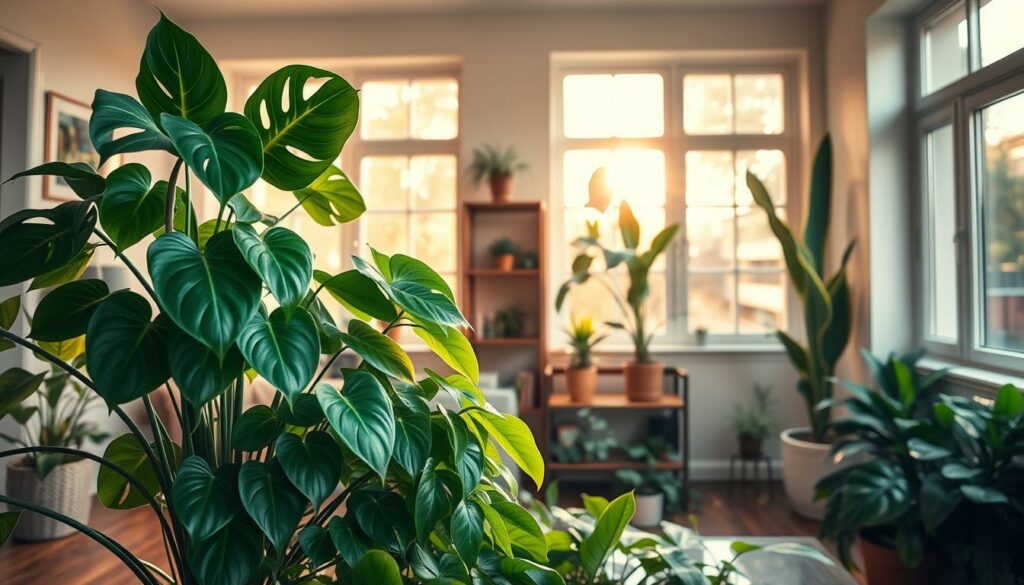
Apartment plants bring practical and aesthetic value to small living spaces. They improve indoor air quality and lift your mood.
Plants also give rooms a finished look. Below are key ways indoor plants make urban homes healthier and more inviting.
Improved Air Quality
Research from NASA and other studies shows many houseplants reduce volatile organic compounds (VOCs) like formaldehyde and benzene.
Species such as peace lily, bamboo palm, and rubber plant are known for these effects.
However, many plants are needed to match mechanical ventilation. Plants should complement ventilation and air filtration, not replace them.
Enhanced Aesthetics
Indoor plants add texture, color, and vertical interest. They create natural focal points and soften hard edges in a room.
Thoughtful plant decor uses shelves, grouped arrangements, and varied leaf shapes. This creates a layered look that suits many interior styles.
Choosing pots that match the apartment’s palette helps small spaces feel cohesive. Grouping plants in odd numbers boosts visual impact without clutter.
Psychological Benefits
Caring for plants reduces stress and improves concentration. Studies show green elements in a room lower stress and boost mood.
Indoor plants make apartments feel larger and more welcoming. They help create a connection to nature, especially in dense urban areas with limited green space.
Factors to Consider When Choosing Plants
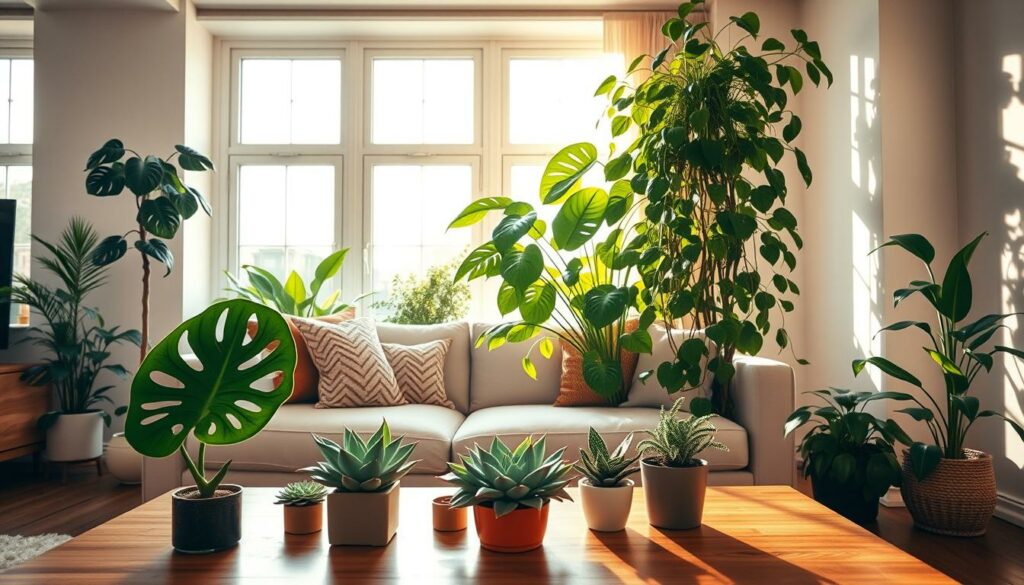
Choosing the right plants for an apartment starts with a quick check of the home. Light, humidity, and space affect success more than new pots or trendy plants. A practical approach helps pick plants that fit daily life and routines.
Light Conditions
Start by mapping window directions. South-facing windows offer strong, direct light for several hours. East-facing windows provide soft morning sun.
West-facing windows warm up in the afternoon. North-facing windows usually give indirect or low light.
Watch sun patterns to see when light falls. Use a smartphone light meter app for rough lux estimates. Match plants to conditions: high-light plants like Ficus lyrata do well near bright windows. Low-light tolerant options like Sansevieria thrive in shaded corners.
Humidity Levels
Indoor humidity in U.S. apartments often stays between 20% and 50%, especially in heated winter months. Tropical plants can suffer when air stays below 40% humidity.
Raise moisture with pebble trays, a humidifier, or grouping plants. Choose drought-tolerant species like Zamioculcas zamiifolia if humidifiers aren’t practical. These options simplify plant care in dry buildings.
Space Availability
Measure floor and vertical space carefully. Small apartments benefit from shelves, hanging planters, and wall-mounted pots. Narrow balconies work best with slim containers or railing planters.
Pick compact or slow-growing plants to avoid crowding. Check weight limits for shelves and window sills. Use pots with drainage and trays to protect floors. Vertical layouts support apartment gardening without using living space.
| Factor | How to Assess | Practical Solution |
|---|---|---|
| Light Conditions | Observe window orientation and sun patterns; use a light meter app | Place high-light plants near south/east windows; choose low-light tolerant plants for north-facing rooms |
| Humidity Levels | Check indoor humidity (20–50% typical); note seasonal drops in winter | Use pebble trays, humidifiers, or group plants; select ZZ plant or snake plant for dry air |
| Space Availability | Measure floor and vertical space; inspect balcony depth and shelf strength | Use hanging planters, narrow pots, and apartment plant shelves; prioritize compact apartment plant ideas |
| Maintenance Needs | Estimate time for watering, pruning, and pest checks | Pick low-maintenance species and follow simple plant care tips for apartments |
| Safety & Pets | Review toxicity for pets and children | Choose non-toxic varieties and place plants out of reach |
Top Low-Light Apartment Plants
For renters and city dwellers, choosing low maintenance apartment plants makes indoor gardening doable. These species thrive in dim rooms and tolerate irregular care. They add life to compact spaces without much fuss.
Use them to build indoor plant inspiration and fill apartment plant shelves easily.
Snake Plant
The snake plant, known as Sansevieria or Dracaena trifasciata, is perfect for apartment living. It tolerates low light and long gaps between waterings. It endures temperature swings common in rented spaces.
Its upright leaves fit narrow planters or corners, making it ideal when floor space is tight. The snake plant is known for its air-purifying qualities. Care is simple: bright indirect to low light, water sparingly, and use well-draining soil.
Spider Plant
Chlorophytum comosum adapts to both indirect and lower light levels. It produces easily rooted plantlets that hang from long stems. This makes it perfect for hanging baskets or apartment shelves.
Water moderately and give bright indirect light when possible. Occasional fertilizer during the growing season keeps leaves vibrant. Its ability to propagate makes it a favorite for sharing with friends.
Pothos
Pothos, or Epipremnum aureum, is one of the easiest indoor plants. Its vining habit suits shelves and hanging baskets. Trailing green leaves spark indoor plant inspiration.
Pothos tolerates low light but grows faster with bright indirect light. Water regularly without overwatering and prune to control size. Note that pothos is toxic if pets swallow it.
Best Air-Purifying Plants for Apartments
Choosing the right air-purifying plants can improve apartment life with cleaner air and beautiful greenery. This guide highlights three great options. These plants suit apartment living and come with easy care tips.
Peace Lily
The Peace Lily removes VOCs like formaldehyde and benzene. It produces elegant white blooms that brighten your indoor plant collection. This plant thrives in medium to low indirect light and needs soil that stays evenly moist but not soggy.
Leaves droop when the plant needs water, making it simple to monitor. Peace lilies are toxic to cats and dogs. Pet owners should pick safer plants if pets might reach them.
Bamboo Palm
Bamboo Palm (Chamaedorea seifrizii) filters airborne pollutants well. It adds vertical interest to apartment corners. This palm prefers bright indirect light and moderate humidity, fitting many apartment layouts.
Keep the soil moist but not waterlogged. Misting during dry winter months helps keep leaves healthy. Pair this palm with other plants for a layered green look.
Rubber Plant
The Rubber Plant (Ficus elastica) removes toxins and has glossy, dramatic leaves that match modern décor. It prefers bright indirect light. Water when the topsoil dries slightly.
Prune to control size and create a striking floor plant if space permits. Rubber plants may drop leaves if stressed. They are mildly toxic to pets, so watch their conditions and placement carefully.
Plants That Thrive in Small Spaces
Compact greenery can turn small apartments into calming retreats. This guide shows a few reliable plant choices. It also offers practical garden ideas to use every inch well.
ZZ Plant
The ZZ plant (Zamioculcas zamiifolia) grows upright and stays compact. This makes it perfect for shelves, desks, and small corners. It handles low light and irregular watering well.
Waxy leaves resist dust, keeping the plant fresh with little effort. Care is easy: water only sometimes and use well-draining soil. Growth is slow but steady.
Cast Iron Plant
Aspidistra elatior is known for its toughness. It handles low light, temperature changes, and neglect better than many plants. This makes it great for hallways and tight spots.
It needs low to moderate light and soil that dries a bit between waterings. Slow growth helps it fit well in limited spaces. It requires little fuss over time.
Small-Space Tips
Use narrow planters and stacking shelves to add greenery without crowding. Dwarf and upright plants save horizontal space but still look great. These tips work well for renters needing flexible garden ideas.
The ZZ plant and Cast Iron Plant are dependable choices. They suit those who want easy-care plants with style and presence in their apartments.
Pet-Friendly Apartment Plants
Choosing plants safe for pets makes indoor greenery worry-free. This guide gives practical ideas to brighten small spaces safely.
It helps keep cats and dogs out of harm’s way.
Boston Fern
The Boston fern (Nephrolepis exaltata) is safe for cats and dogs. It likes bright, indirect light and high humidity.
This plant grows well in bathrooms or kitchens with windows. Keep the soil moist and avoid dry air.
Misting or a humidifier helps it stay healthy in small apartment spaces.
Spider Plant
The spider plant (Chlorophytum comosum) is easy to care for and usually pet-safe. Curious cats may nibble its leaves and get mild stomach upset.
Hang these plants or place them on shelves to keep them away from pets.
They thrive in many light conditions and add lively foliage to your rooms.
Parlor Palm
The parlor palm (Chamaedorea elegans) is non-toxic and fits low-light corners well. It looks like a palm and needs little care.
It prefers bright indirect to low light and moderate watering. Misting helps leaf health and indoor humidity balance.
Safety tips: Check the ASPCA plant toxicity lists before buying new plants.
Use wall shelves, hanging planters, or terrariums to keep plants out of pet reach.
These steps protect pets while adding attractive and safe greenery to your home.
Seasonal Considerations for Apartment Plants
Apartment gardening changes with the calendar. Light, temperature, and humidity shift from spring to winter.
Small adjustments make big differences for apartment plants. They help keep them healthy year-round.
Best Plants for Spring
Spring is a prime time to introduce new houseplants. Increased daylight boosts growth and rooting.
Pothos and spider plants respond quickly to longer days. They are ideal additions for windowsills.
Peace lily perks up with spring warmth. It recovers from slower winter growth.
Herbs such as basil and mint thrive on sunny ledges. They reward gardeners with fresh flavor for the kitchen.
Repotting in spring gives roots room to expand. Fresh potting mix restores nutrients and improves drainage.
Propagation techniques like stem cuttings work best now. Plants are actively growing in this season.
Winter Care Tips
Winter brings reduced light and low humidity from forced-air heat. Move plants closer to south- or west-facing windows for extra daylight.
Rotate pots so all sides receive light. Avoid placing them near cold drafts from windows or exterior doors.
Water less often to prevent root rot. Cooler nights slow growth, so plants need less moisture.
Raise humidity with pebble trays or a small humidifier. Grouping plants together creates a microclimate that helps moisture levels.
Short days may require supplemental LED grow lights for plants needing steady brightness.
When shifting plants between bright summer spots and darker winter locations, acclimate them over a week. Gradual changes preserve leaf health and steady growth.
Maintenance Tips for Apartment Plants
Good upkeep keeps apartment plants healthy and attractive. These tips cover watering, feeding, and trimming for busy renters. They also help those who prefer low maintenance plants.
Watering Techniques
Check soil moisture with a finger or moisture meter before watering. For many plants, water until excess drains. Let the top 1–2 inches dry before watering again.
This method prevents root rot and supports steady growth for indoor plants. Adjust watering based on the species. Snake plants need water every 2–6 weeks.
Pothos often thrive with weekly watering. Use pots with drainage holes and a well-draining mix to protect roots from damage.
Fertilization Guidelines
Feed plants during the active growing season, usually spring and summer. Use a balanced indoor fertilizer like 10-10-10 or 20-20-20 at half strength. This prevents nutrient burn.
Slow-release pellets reduce the need for frequent feeding, making them ideal for apartment plants. Liquid feeds work well for quick nutrient boosts.
Stop or reduce fertilizing in winter when plant growth slows down to avoid overfeeding.
Pruning Practices
Prune regularly to shape plants and encourage bushiness. Remove yellow or dead leaves to keep plants healthy.
Pinch back pothos vines for fuller growth. Cut leggy snake plant sections to keep a compact form.
Trim brown tips on fiddle leaf fig leaves with clean shears. Sanitize tools between cuts using 70% isopropyl alcohol to prevent disease spread.
Container Options for Apartment Plants
Choosing the right container shapes how apartment plants grow and fit into your interior. Pots affect moisture, weight, and style. Small choices change care routines for low-maintenance plants or elaborate decor setups.
Choosing the Right Pot
Terra cotta pots breathe and speed evaporation. They suit plants that dislike wet soil and help prevent root rot.
Ceramic planters look decorative and boost apartment plant decor. Heavy pieces may need floor protection under tall plants.
Plastic pots hold moisture longer and stay lightweight. They work well for renters and apartment plant shelves. Drainage holes are essential in any material. Use saucers or liners to protect wood floors and carpet.
Self-Watering Planters
Self-watering planters offer steady moisture and reduce daily fuss. Reservoir-based pots and wicks cut the risk of overwatering and under-watering. They suit busy people wanting reliable care for moisture-loving species.
These systems are not good for drought-tolerant plants like snake plants or cacti. Fill reservoirs as the manufacturer suggests. Monitor water levels and refresh soil to avoid salt buildup.
Decorative Containers
Decorative containers tie greenery into a room. Neutral ceramic or cement planters match modern interiors. Woven baskets add a boho feel with plastic liners to prevent leaks.
Tiered planters and shelves create vertical interest without using much floor space. Consider weight and stability for tall plants; wide bases reduce tipping risk. Always place waterproof trays beneath pots on hardwood or laminate floors. Thoughtful container choices keep plants healthy and elevate decor with little effort.
Popular Apartment Plants with Unique Features
The right statement plant can turn a small space into a stylish retreat. This section highlights two eye-catching choices. These picks offer unique visual and sensory benefits.
They work well as focal points and inspire renters and owners alike with indoor plant ideas.
Fiddle Leaf Fig
The fiddle leaf fig is known for its dramatic, large violin-shaped leaves. It fits perfectly as a bold centerpiece in modern interiors.
This plant needs bright, indirect light from east or south-facing windows with filtered rays. It is sensitive to overwatering and drafts.
Leaf drop happens if light, humidity, or placement changes suddenly. Rotate the plant regularly to promote even growth.
Expect it to grow tall without pruning. Use a sturdy pot and trim it to control size. These tips help create striking living rooms and entryways.
Miniature Gardenia
Miniature gardenias have glossy leaves and fragrant white blooms. Their scent brings a fresh, natural fragrance often missing in small apartments.
They need bright indirect light and some direct morning sun. Keep the soil consistently moist and acidic for best results.
High humidity improves flowering. Place the plant in a windowed bathroom or use a humidifier. Fertilize during growing season to support buds.
Gardenias can be fussy in dry conditions. They suit indoor gardeners willing to meet higher care needs than low-maintenance plants.
Design notes and practical tips:
- Use a fiddle leaf fig as a focal point near seating areas to anchor the room.
- Place a miniature gardenia on a sunny shelf or near a windowed bathroom to showcase fragrance without overwhelming space.
- Balance statement plants with easy-care companions to reduce overall maintenance while enjoying striking visuals.
| Plant | Key Feature | Light Needs | Humidity | Care Level |
|---|---|---|---|---|
| Fiddle Leaf Fig (Ficus lyrata) | Large violin-shaped leaves, dramatic appearance | Bright indirect; east/south window suggested | Moderate | Medium — sensitive to overwatering and drafts |
| Miniature Gardenia (Gardenia jasminoides ‘Radicans’) | Fragrant white blooms, glossy foliage | Bright indirect to some morning sun | High — benefits from humid conditions | High — prefers consistent moisture and acidity |
Common Mistakes to Avoid with Apartment Plants
Many people bring greenery into small homes with good intentions. They often learn that simple errors can undo months of plant care. This short guide points out frequent pitfalls and gives clear, practical fixes to keep apartment plants healthy and attractive in any room.
Overwatering
Overwatering is the most common plant failure in apartments. Signs include yellowing leaves, soft stems, and a musty or sour smell. Root rot and fungal issues start when water stays in poorly drained soil.
Check drainage holes to fix this problem. Raise pots on a tray with pebbles if needed. Repot in a fresh, well-draining mix with added perlite. Let the top inch or two of soil dry before watering again. A moisture meter removes guesswork and helps beginners avoid mistakes.
Poor Lighting Choices
Wrong lighting causes slow growth, leggy stems, or leaf scorch. For example, a high-light fiddle leaf fig in a dim corner will grow sparse leaves. A snake plant or ZZ in direct afternoon sun can burn sensitive leaves.
Use a quick checklist: identify window directions and match plants to exposures. Rotate pots for even light. For rooms with no bright daylight, use LED grow lights as a backup. These tips support plant survival and décor goals.
Ignoring Pests
Pests spread fast in tight spaces. Common pests include aphids, spider mites, mealybugs, and fungus gnats. Signs are sticky residue, tiny webbing, white cottony spots, or black specks in soil.
Start an integrated pest plan by isolating affected plants immediately. Wipe leaves with soapy water to remove many insects. Use insecticidal soap or neem oil for stubborn infestations. Improve air circulation and reduce overwatering to cut fungus gnat issues. Inspect new plants before adding them to prevent pests from spreading.
Follow simple plant care tips for apartments. Spend a few minutes each week checking plants. Small habits prevent problems and keep plants looking great as functional décor.
Conclusion: Choosing the Right Apartment Plants
Picking the best plants for apartments means matching each species to light, humidity, and space.
Snake plants, pothos, and ZZ plants suit beginners because they tolerate low light and irregular watering. Use pots with drainage and well-draining soils.
Set a simple routine with watering, occasional feeding, and light pruning to keep plants healthy year-round.
Final Tips
Choose low-maintenance plants if you have limited time. Always check pet-safety lists like the ASPCA toxicity database before bringing plants indoors.
Adjust care by seasons. Reduce watering in winter and increase humidity for ferns and tropical plants during dry months.
Container choice matters. Self-watering pots prevent overwatering, and breathable terracotta helps many houseplants thrive.
Encouragement to Start Gardening
Start with two to three hardy plants and see gardening as a learning process. Try wall shelves or hanging planters to add green space without clutter.
Propagation from cuttings is a budget-friendly way to grow your collection. Use resources like local nurseries, university extensions, and online plant-care communities for help.
Begin with one plant, watch its growth, and add more as your confidence grows.