

Nearly 70% of a vegetable’s flavor and yield depend on the soil it grows in. That number shows how much good soil matters for home gardeners in the U.S.
The phrase best soil for vegetables means soil that drains well, holds nutrients, and keeps a balanced pH. It also means soil with good structure and high organic matter. Gardeners often hear terms like loam, topsoil, raised bed mixes, potting soil, and organic soil for vegetables.
Topsoil for planting vegetables is different from decorative topsoil sold at many garden centers. It’s important to know this before buying soil for your garden.
This guide helps U.S. gardeners test, improve, prepare, and maintain vegetable garden soil. It shows what ideal soil looks like and explains why soil choice affects yield, flavor, and plant health.
Later sections cover soil nutrients and structure, testing methods, and amendments like compost, lime, and sulfur. It also covers preparation methods such as tilling and raised beds, crop rotation, seasonal care, choosing plants for certain soil types, and fixing common soil problems.
Key Takeaways
- Best soil for vegetables combines good drainage, nutrient richness, balanced pH, and high organic matter.
- Topsoil for vegetable planting differs from decorative topsoil; choose mixes made for edibles.
- Loam is often the ideal soil for growing vegetables because it balances sand, silt, and clay.
- Soil testing and targeted amendments improve yields and plant health.
- Preparation techniques like raised beds help gardeners manage drainage and structure.
Understanding the Importance of Soil Quality
The health of a vegetable patch depends on soil quality, a mix of physical, chemical, and biological properties. These properties support plant life by making it easier for roots to reach water and nutrients. Soil also creates a lively habitat for microbes that keep the system balanced.
Gardeners aiming for the best soil for vegetables focus on more than texture. They manage nutrients, structure, and life below ground to help plants grow strong.
The Role of Nutrients in Soil Health
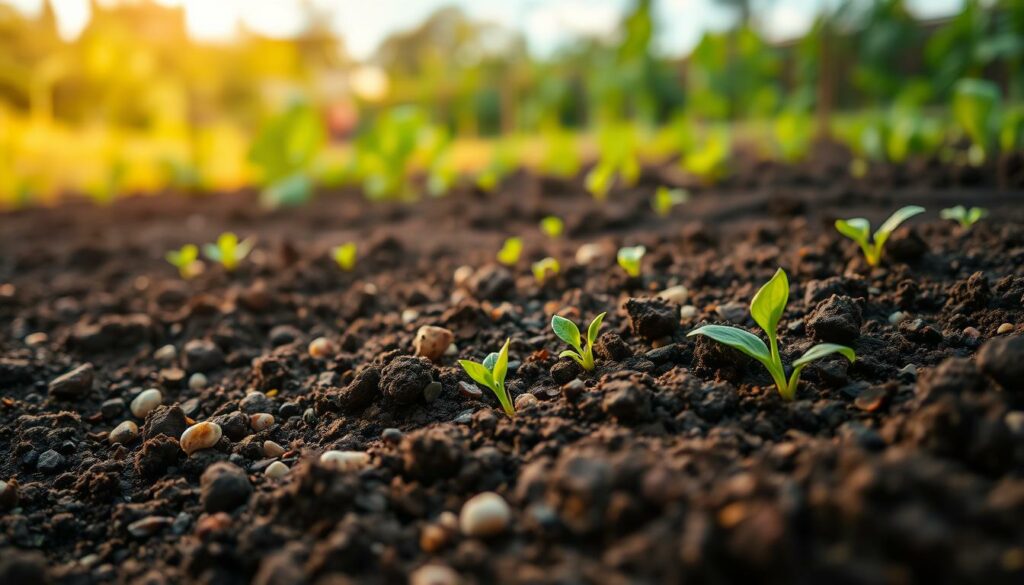
Nutrients drive plant growth. Primary macronutrients include nitrogen (N), phosphorus (P), and potassium (K). Nitrogen helps leafy growth, phosphorus supports root development and flowering, and potassium boosts overall vigor.
Secondary nutrients like calcium, magnesium, and sulfur support cell function and enzyme activity. Micronutrients such as iron, manganese, zinc, copper, boron, and molybdenum are needed in small amounts but are essential for metabolism.
Organic matter and microbial activity keep nutrients cycling in soil. As leaves and compost decompose, microbes turn organic forms into plant-available nutrients. This natural process creates nutrient-rich soil without heavy use of synthetic fertilizers.
Signs of nutrient imbalance are clear. Yellow leaves, stunted growth, and poor fruit indicate deficiencies. Too much of a nutrient can cause toxicity or block other elements. Regular soil testing helps maintain the right balance for vegetable gardens.
The Impact of Soil Structure on Growth
Soil structure shows how particles bind into aggregates. This arrangement controls porosity, aeration, and water movement. A crumbly loam offers the best environment for roots to grow and for moisture to stay steady.
Poor structure appears as compacted clay or loose sand. Compacted clay limits root growth and air flow. Sandy soils drain quickly and lose nutrients. Both stress plants and reduce yields compared to ideal soil.
Structure also affects microbes and nutrient retention through cation exchange capacity (CEC). Adding organic matter improves aggregation and raises CEC. This creates lasting benefits for soil fertility and helps gardeners grow healthier vegetables.
Key Components of Vegetable Garden Soil
Good vegetable garden soil has three core parts: organic matter, minerals like sand, silt, and clay, and the soil solution. The soil solution carries nutrients and sets pH. Each part affects water movement, root growth, and nutrient availability for healthy plants.
Organic Matter: The Heart of Healthy Soil
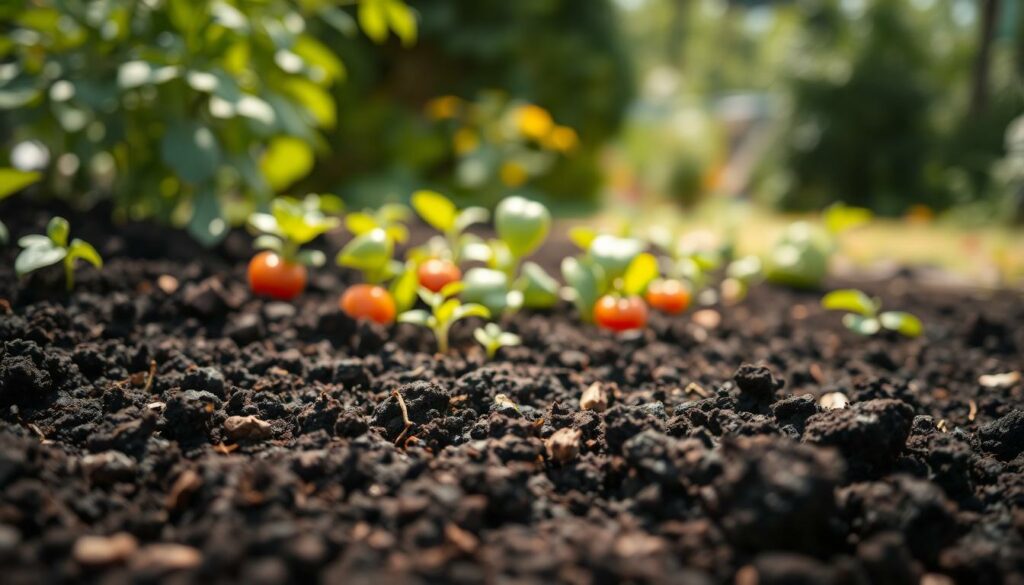
Organic matter includes decomposed plant and animal residues, humus, compost, and living organisms. It feeds microbes and improves aggregate stability. It also acts like a sponge holding water for roots.
Organic matter helps vegetable soil in many ways. It boosts water retention in sandy soils and improves drainage in clay soils. It also buffers pH swings and slowly releases nutrients for vegetables.
Good additions are well-aged compost, leaf mold, and composted manure. Cover crop residues add surface organic matter. Apply half to two inches of compost into the top 6 to 8 inches in spring or fall. Adjust amounts based on soil tests and crop needs.
Minerals and Their Functions
The mineral fraction of soil includes sand, silt, and clay. Sand has large particles and drains quickly. Silt has medium-sized particles and holds nutrients moderately well. Clay has fine particles that store nutrients but may restrict roots.
Soil texture controls water holding, drainage, and root ease. Balanced loam mixes these minerals so roots get oxygen, water, and nutrients. Clay and organic matter increase cation exchange capacity (CEC). CEC helps soil hold essential mineral nutrients for plants.
Soil pH and Its Importance
Soil pH shows acidity or alkalinity from 0 to 14. Most vegetables prefer a pH near 6.0 to 7.0. In this range, nutrients are available and microbes thrive.
Low pH can make iron and manganese toxic. Very high or low pH locks up phosphorus and other nutrients. Soil tests guide any pH adjustments.
To raise pH, apply agricultural lime as directed. To lower pH, use elemental sulfur following test advice. These changes take weeks or months. Plan before planting for best results.
Types of Soil for Vegetable Gardening
Different soils affect garden success. Gardeners should learn how loam, sand, and clay behave. Each type has strengths and limits for vegetables.
Matching plants and methods to soil type reduces work and improves yields.
Loamy Soil: The Ideal Choice
Loam blends sand, silt, and clay with plenty of organic matter. It drains well but holds moisture. Roots can easily grow through it.
Nutrients stay available, and microbes flourish. That makes loamy soil ideal for vegetables.
Gardeners can spot loam by its crumbly texture and sweet smell. To mimic loam, add compost and aged topsoil.
Regularly adding organic matter keeps soil structure and fertility strong.
Sandy Soil: Pros and Cons
Sandy soil warms quickly in spring and drains fast. It resists compaction and suits early crops well.
But water and nutrients wash away fast, so frequent watering and feeding are needed.
Adding compost or coconut coir helps retain moisture and nutrients. Mulch reduces evaporation.
Choosing drought-tolerant plants lowers irrigation needs and improves success in sandy soil.
Clay Soil: Challenges and Solutions
Clay holds nutrients but drains slowly and compacts easily. It stays cold in spring.
This can lock nutrients away and slow plant growth in clay soil.
Add organic matter to loosen the clay’s dense texture. Gypsum can improve structure if tests suggest it.
Raised beds or mounded rows help water drain better. Avoid working wet clay; it causes more compaction.
Adjusting plant choices and care for each soil type gives the best outcomes. Small changes like adding compost or building beds improve ordinary soil for vegetables.
Testing Your Soil: Essential Practices
Before planting, testing your vegetable garden soil gives clear direction for amendments and pH adjustments. It reduces guesswork and helps gardeners create the best soil for each bed. A quick, methodical test offers reliable results and saves time and money on inputs.
Collecting a proper sample is very important. Use clean tools and avoid sampling right after fertilizer or lime application. Treat in-ground and raised beds as separate areas. Label each sample properly so recommendations match the right planting area.
Step-by-step sampling
- Take 8–10 subsamples across the area to a depth of 6–8 inches for most vegetable beds. Dig deeper for root crops.
- Place subsamples in a clean plastic bucket. Mix them thoroughly and remove stones and debris.
- Air-dry a portion on a clean surface. Then send the required amount in the lab container or follow extension advice.
- Do not collect samples when soil is very wet. Avoid spots near compost piles, fence lines, or animal droppings unless testing those areas.
Where to test and what to expect
- Use local Cooperative Extension services such as University of California Cooperative Extension or Penn State Extension. They offer region-specific guidance and interpretation.
- Private labs like Logan Labs and Brookside Laboratories give detailed analysis. Turnaround time ranges from a few days to two weeks. Fees vary but often run from $15 to $50 for core panels.
Understanding test outputs
- Standard reports list pH, organic matter percentage, phosphorus (P), potassium (K), calcium (Ca), magnesium (Mg), CEC, and micronutrients.
- Recommendations show amendment rates specific to the lab or extension. For example, pounds of lime per 1,000 sq ft to raise pH when acidity needs correcting.
- Nitrogen guidance is often separate since N moves quickly in soil. Phosphorus and potassium last longer and guide longer-term plans.
Action thresholds and timing
- Desired pH for most vegetables is between 6.0 and 7.0.
- Organic matter near 3–5% supports vegetable production; higher levels improve water retention and nutrient supply.
- Low P or K triggers specific additions. Follow extension or lab rates and timings for best results.
- Retest every 2–3 years or after major amendments. This helps track progress and improve soil plans.
Amendments to Improve Soil Quality
Amendments help improve garden soil for growing vegetables. Gardeners use organic and mineral options to balance pH and feed plants. A planned approach builds nutrient-rich soil without harming soil life.
Adding Organic Matter: Compost and Mulch
Compost and mulch are key to healthy garden beds. Well-aged yard waste, kitchen vegetable, mushroom, and municipal composts add organic matter. This boosts fertility and improves soil structure.
Apply compost as a mulch 2–4 inches thick. Or mix 1–3 inches into the top 6–12 inches before planting. Annual top-dressing keeps organic levels steady and supports nutrient supply.
Mulches like straw, shredded leaves, and wood chips reduce evaporation. They suppress weeds and help keep soil temperature steady. These practices promote microbial activity and retain moisture.
Avoid using fresh manure or raw kitchen scraps. They can burn roots, bring weed seeds, or change nutrient balance. Use fully cured compost to reduce pathogens and stress on plants.
Soil Amendments: Lime and Sulfur
Lime and sulfur adjust soil pH to fit crop needs. Lime, from calcium carbonate or dolomitic forms, raises pH slowly. Apply it several months before planting for best results.
Use a soil test to calculate lime amounts needed. Sandy soils need less lime than clay soils to raise pH equally. Lime also adds calcium and magnesium in dolomitic types.
Sulfur lowers pH by turning into sulfuric acid through microbes. It works slower than lime. Use elemental sulfur at rates based on soil tests. Temperature and timing affect its speed.
Wear gloves and a dust mask when handling lime or sulfur. Spread amendments evenly and mix them into soil. Follow expert guidelines to avoid overcorrecting pH levels.
Other amendments include rock phosphate for phosphorus, greensand or kelp for trace elements, and gypsum for sodium-affected soils. Gypsum helps disperse sodium but does not improve clay soil structure.
Best Practices for Soil Preparation
Good soil preparation creates a friable seedbed that drains well and holds nutrients. It also protects the life in the soil. Gardeners balance physical work with methods that keep earthworms and microbes healthy.
Choose methods based on the garden’s condition. Light digging helps newly amended beds. Mechanical tools fit larger plots. No-till preserves soil biology and reduces erosion.
Tilling: When and How to Do It
Tilling mixes compost and loosens compacted soil layers. Only till when soil crumbles in your hand. Avoid working wet soil to prevent compaction and clods.
Shallow tilling of 4–6 inches usually suffices to mix compost and amendments. Deeper tilling breaks hardpan layers. Use subsoiling carefully and avoid frequent deep disturbance.
Tilling preps seedbeds quickly and warms soil in spring. Overuse breaks soil structure and harms microbes. Alternate tilling with reduced or no-till practices to protect soil life and fertility.
Creating Raised Beds for Better Drainage
Raised beds drain better and warm faster in spring. They simplify managing amendments and reduce soil compaction from walking. Many gardeners get higher yields per square foot with good beds.
Keep beds 3–4 feet wide for easy access from both sides. Height depends on soil; usually 6–12 inches works well. Use durable edges like cedar or stone to hold shape.
Fill beds with a mix of screened topsoil and compost. A common blend is two parts topsoil to one part compost. Allow settling time before planting or add extra for future settling.
If native soil is poor, line the bottom with a root barrier or geotextile. Preserve soil life by avoiding deep disturbance. Renew organic matter annually to keep beds productive and healthy.
Crop Rotation and Soil Health
Rotating crops means moving plant families through a plot each season. This breaks pest and disease cycles while balancing nutrient needs. It helps keep soil healthy for strong harvests.
Benefits of Rotating Vegetable Crops
Changing plant families reduces soil-borne pests and diseases that target groups like Solanaceae and Brassicaceae. Gardeners who rotate crops face fewer problems. They also spend less on chemical treatments.
Rotations balance nutrient use. Alternating heavy feeders like corn and tomatoes with nitrogen-fixing legumes such as beans helps keep soil productive.
Different rooting depths improve soil structure. Deep-rooted plants loosen compacted layers. Diverse crop residues add organic matter, enriching soil over time.
Recommended Crop Rotation Strategies
A simple 3- to 4-year rotation cycles crops by family. For example, Year 1: nightshades like tomatoes and peppers. Year 2: brassicas such as cabbage and broccoli.
Year 3: legumes like beans and peas, or root crops. Year 4: cucurbits like squash and cucumbers, or use a cover crop.
Cover crops return nutrients and protect soil in the off-season. Hairy vetch and crimson clover fix nitrogen. Winter rye and buckwheat add biomass and reduce erosion. This keeps nutrient-rich soil active all year.
Small-space gardeners can maintain rotation by using practical tips. Keep a garden map and label beds. Record pest history and use intercropping, containers, or mobile beds to keep diversity.
| Rotation Year | Typical Crops | Primary Benefit |
|---|---|---|
| Year 1 | Tomatoes, Peppers (nightshades) | High yield, tests soil for nightshade pests |
| Year 2 | Cabbage, Broccoli (brassicas) | Breaks nightshade pest cycles, uses different nutrients |
| Year 3 | Beans, Peas (legumes) or Root Crops | Fixes nitrogen, replenishes soil for following heavy feeders |
| Year 4 | Squash, Cucumbers (cucurbits) or Cover Crop | Adds biomass, protects soil and scavenges leftover nutrients |
Rotation works best when combined with compost and good bed care. These practices nurture the best soil and support a strong, resilient vegetable garden.
Maintaining Soil Health Throughout the Season
Seasonal care keeps soil structure intact and moisture steady. It also keeps nutrient cycles active so vegetables continue producing.
Small, regular steps stop big repairs later and help soil stay healthy for every planting.
Mulching: Protecting Your Soil
Mulch comes in two groups: organic and inorganic. Organic mulch includes straw, shredded leaves, and grass clippings. These break down and feed the soil.
Inorganic mulch like black plastic and landscape fabric cuts weeds but does not add organic matter.
Mulch reduces evaporation, stabilizes soil temperature, suppresses weeds, and controls erosion. Organic mulch breaks down and builds nutrient-rich soil for vegetables.
Apply 2–4 inches of organic mulch after soil warms in spring. Keep mulch away from stems and crowns to avoid rot.
Replenish mulch as it breaks down to keep soil covered and maintain soil health.
Watering Techniques for Healthy Soil
Healthy soil needs steady moisture without waterlogging. Drought and saturation harm plants and soil microbes.
Aim for even moisture that reaches roots but keeps the surface from staying soggy.
Drip irrigation and soaker hoses work best for deep, efficient watering. These methods lower disease risk by reducing foliage wetness.
Avoid frequent shallow watering because it encourages shallow roots.
Watering frequency depends on soil type, weather, and plant growth stage. Sandy soils need water more often than loam.
Check soil moisture 2–3 inches below the surface to decide when to water.
Mulch and added organic matter reduce watering needs and help plants resist drought.
Mid-season, side-dress heavy feeders with compost or balanced organic fertilizer.
Watch plants for deficiencies. Use simple foliar checks or quick soil tests to protect yield and support nutrient-rich soil.
Selecting the Right Vegetables for Your Soil Type
Choosing crops that suit your soil reduces risks and increases yields. Gardeners can improve their soil over time.
Matching plant needs to soil saves water and fertilizer.
Testing small beds helps confirm what grows well before using large plots.
Best Vegetables for Loamy Soil
Loam supports many root types and nutrient needs. It is the best soil for many home gardeners.
Vegetables like tomatoes, peppers, carrots, lettuce, beans, broccoli, onions, cucumbers, and squash thrive in loamy soil.
Spacing and timing are important. For tomatoes and peppers, space plants 18–36 inches apart, and transplant after the last frost.
Carrots and lettuce can be planted in closer rows. Succession sowing every few weeks gives steady harvests.
Beans and cucurbits need richer beds. Add compost before planting to meet their higher nutrient needs.
Adapting to Sandy or Clay Soils
Sandy soils drain fast and suit crops like carrots, potatoes, parsnips, melons, and drought-tolerant herbs.
These plants prefer warm, loose soil for root growth and quick water movement.
To keep moisture steady, add frequent compost, use mulch, and install drip irrigation.
Choose shorter-rooted plants where surface moisture is more reliable.
Clay soil holds moisture and nutrients well. Heavy feeders like cabbage, kale, beans, beets, and Swiss chard do well here.
Wait until clay is dry enough to crumble before working it.
Add deep organic matter like compost or well-rotted manure to improve clay structure.
Raised beds improve drainage and let you control planting depth for roots needing loose soil.
For sandy and clay soils, pick plants with suitable roots, adjust planting depth, and stagger sowings to match moisture levels.
Test small plots to find the best crops locally and improve your garden soil while harvesting.
Common Soil Problems and Solutions
Gardeners often face soil problems vegetable garden owners know well: compacted beds, standing water, and uneven drainage. These issues reduce root growth and yield. A quick check of texture and water movement after rain helps spot many problems before planting.
Identifying Soil Compaction Issues
Signs of soil compaction include hard, dense soil that resists digging, shallow roots, and puddles after light rain. Plants may be stunted or have yellow leaves from poor nutrient and oxygen access.
Simple tests help: push a screwdriver or spade into the soil to feel resistance. Observe how fast water soaks in. A penetrometer provides more precise readings. These checks guide adding organic matter, changing foot traffic, or using tools.
Fixes focus on prevention and slow improvement. Avoid walking on beds; use clear paths. Add compost and rotted manure to improve soil. Plant deep-rooted cover crops like daikon radish to break compacted layers.
Mechanical aeration or subsoiling helps but should be done when soil is moist to avoid more compaction.
Addressing Drainage Problems
Drainage issues fall into two types: slow internal drainage from heavy clay, and surface ponding from poor grading. Knowing the cause helps choose a solution.
For clay or poorly drained sites, add lots of organic matter to improve structure, or build raised beds to lift roots above wet soil. If runoff causes pooling, install a French drain or swale to move water away. Use coarse sand only if blended well with organic matter—adding sand alone can create concrete-like soil.
Short-term fixes include planting water-tolerant crops, delaying planting until soils dry, or using containers with quality potting mix. Regular soil tests and patient amendments help improve problem sites over many seasons.
Many soil problems can be managed with testing, targeted amendments, good care, and patience. Improving soil takes several seasons but rewards gardeners with better vegetable gardens.