

Nearly 70% of home vegetable beds have at least one preventable problem in the first two seasons. Cooperative Extension surveys show many gardeners repeat the same errors. This guide reviews common vegetable gardening mistakes and why avoiding them is important for healthier beds.
It is for beginner to intermediate gardeners who want to avoid common vegetable gardening mistakes. Readers will get clear advice on fixing problems with soil, water, light, pests, crop planning, and harvest timing.
Success in vegetable gardens depends on many choices. These include soil health, plant selection, timing, spacing, irrigation, pest control, and fertilization.
One mistake can cause others. For example, bad soil makes plants weaker against pests and drought. This section explains how solving core problems early helps prevent many gardening errors.
The article is divided into sections like soil, plant compatibility, sunlight, water, pest control, and crop rotation. Each section shows common mistakes, explains the science, gives easy tests, and offers practical fixes. The advice comes from USDA and university extension services.
Key Takeaways
- Many failures are avoidable with basic tests and observation.
- Soil testing and small amendments deliver big gains in yield.
- Watch sun and moisture before planting to prevent early losses.
- Simple irrigation and spacing changes reduce pest problems.
- Keep records and experiment to reduce common misconceptions in vegetable gardening.
Overlooking Soil Health
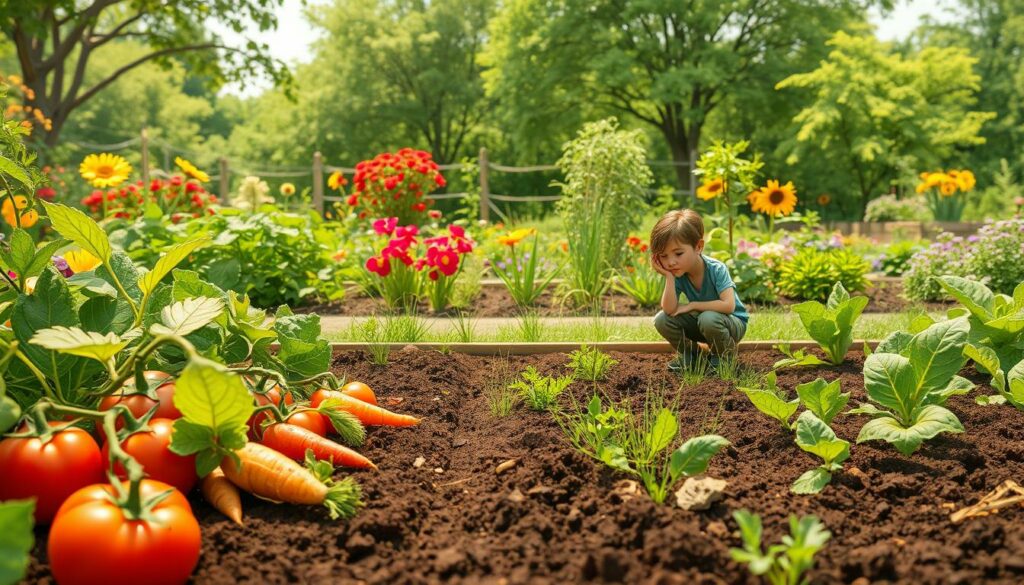
Good gardens begin below the surface. Soil quality drives nutrient availability, water retention, root growth, and beneficial microbial life.
Many vegetable gardening blunders come from compacted clay, washed-out sandy loam, or lack of organic matter. These problems stunt plants before they start growing well.
Importance of Soil Quality
Gardeners who ignore soil biology lose a big advantage. Earthworms, mycorrhizae, and bacteria cycle nutrients and fight disease.
Adding compost, well-rotted manure, or cover crops improves texture and water-holding ability. The University of California Agriculture & Natural Resources and Penn State Extension stress organic matter as a long-term fix for poor soil structure.
Testing Soil pH and Nutrients
Routine soil tests help avoid vegetable gardening mistakes. Testing every two to three years or before planting shows pH, phosphorus, potassium, and micronutrient levels.
Most vegetables prefer slightly acidic soil, with a pH of about 6.0 to 7.0. Outside this range, some nutrients become locked up, causing lower yields.
Collect several 4–6 inch cores from different beds and mix them into one composite sample. County Cooperative Extension labs, like Cornell and University of Minnesota Extension, offer clear, local advice based on results.
Following their guidance helps avoid common vegetable gardening problems.
Choosing the Right Soil Amendments
Amend soil based on test results to avoid major mistakes. Use lime to raise pH and elemental sulfur to lower pH. Apply phosphorus or potassium only if tests show a real need.
Overuse of nitrogen feeds foliage but hurts fruit production—a common vegetable gardening error. Organic options like compost, leaf mold, and worm castings improve microbes and soil structure.
Work amendments into beds in the fall or several weeks before planting. This helps them blend well. For raised beds, use a mix of half high-quality compost and half screened topsoil to reduce early mistakes.
- Take soil tests before adding major fertilizers.
- Favor well-aged manure to avoid burning or pathogens.
- Match mineral fertilizers to soil reports rather than guesswork.
Ignoring Plant Compatibility
Plant compatibility shapes harvest success. Gardeners who skip this step often make mistakes that cut yields and invite pests.
A few smart pairings boost pollination, improve soil, and save space.
Companion Planting Benefits
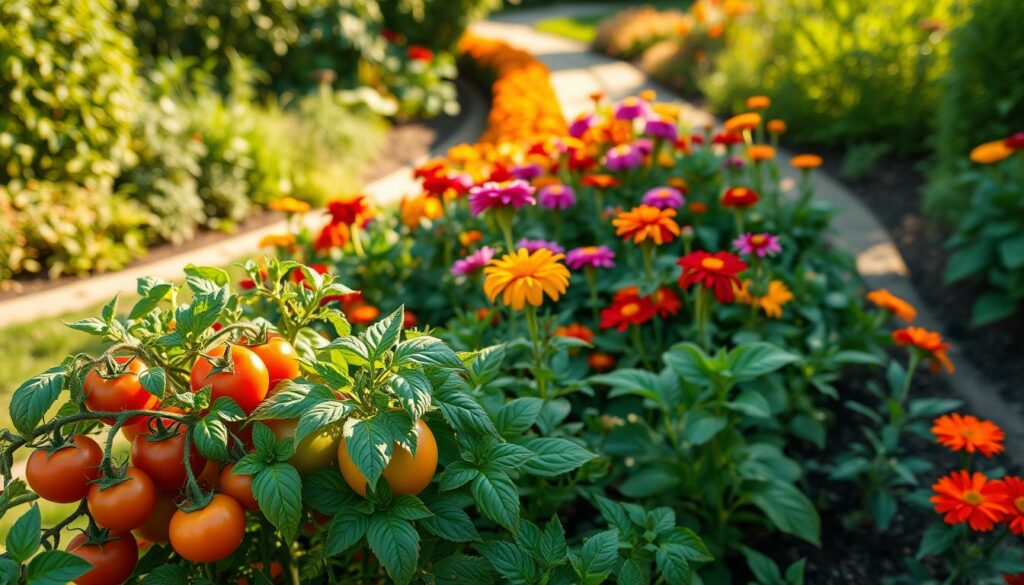
Companion planting offers benefits like higher yields and fewer pest problems. Marigolds (Tagetes spp.) help reduce nematode pressures around tomatoes and peppers.
Nitrogen-fixing legumes such as peas and common beans add nitrogen to the soil. They support nitrogen-hungry crops that follow or grow nearby.
Vertical companions work well in small beds. Trellised vining beans above lettuce or spinach save ground space and create a cooler microclimate.
Detrimental Plant Pairings
Some pairings cause trouble. Placing tomatoes next to potatoes increases risks from shared pests and blights like late blight and Colorado potato beetle.
This is a common vegetable gardening error.
Allelopathy can silently ruin plots. Black walnut trees release juglone, which harms many vegetables. Gardeners near walnuts must choose tolerant plants or relocate beds.
Root competition becomes a hidden problem when deep-rooted crops crowd shallow-rooted or slow-growing plants. Overcrowding reduces plant vigor and counts as a common gardening fail.
Practical steps cut risk. Consult local extension services and use companion planting charts. Keep notes each season to track which pairings thrive.
This helps avoid plant compatibility mistakes in future plantings.
| Companion | Benefit | When to Avoid |
|---|---|---|
| Marigolds (Tagetes spp.) | May deter nematodes; attracts beneficial insects | Avoid as sole control for soil-borne disease; rotate beds |
| Peas and Beans | Fix nitrogen; improve soil fertility for following crops | Avoid with heavy feeders planted too close during peak growth |
| Tomatoes & Potatoes | None recommended; both share pests and diseases | Never plant adjacent to reduce blight and beetle spread |
| Vining Beans + Lettuce | Vertical growth saves space; creates shade for cool crops | Avoid in very wet soils where lettuce risks rot |
| Plants near Black Walnut | Select tolerant species to avoid juglone damage | Do not plant sensitive vegetables like tomatoes or potatoes close |
Misjudging Sunlight Requirements
Getting light right prevents many common problems in vegetable gardening. Gardeners ignoring seasonal shifts or nearby trees often get poor yields.
A quick, accurate check of sun patterns keeps crops healthy. It helps avoid a top mistake in vegetable gardening.
Identifying Sun Exposure
Full sun means six or more hours of direct sunlight. Partial sun or shade means three to six hours. Shade is less than three hours.
Extension services and the USDA advise measuring light through seasons. Sun angles change, so tracking helps plan better planting.
Use a sun calculator app or observe morning, midday, and afternoon sun. Record hours, note reflective walls, and map your garden.
This careful mapping prevents misjudging sun exposure when choosing a site.
Impact of Shade on Growth
Fruiting crops like tomatoes, peppers, cucumbers, and squash need full sun for good bloom and fruit. Without enough light, plants bloom less and get diseases from wet leaves.
This is a common sun-related mistake that lowers yield. Leafy greens like lettuce, spinach, and arugula can handle partial shade.
They may benefit from afternoon shade in hot climates to delay bolting. Microclimates near walls or buildings can be warmer or cooler than expected.
Adjusting Plant Placement
Match crops to your garden’s microclimates. Put sun lovers on southern or western sides. Shade-tolerant greens go under tree drip lines if root competition is low.
This approach helps avoid common gardening mistakes. Move sun-sensitive plants into containers if light shifts in seasons. Use shade cloth during heat waves to prevent sunscald and bolting.
Prune branches when allowed, and check your garden’s light each season. This keeps you from repeating top gardening mistakes.
Underestimating Water Needs
Many gardeners misjudge how much and how often to water. Good watering keeps plants turgid and supports fruit set. Soil type, weather, and crop stage change water needs. Learn to adjust watering instead of using a fixed schedule.
Understanding Watering Basics
Seedlings need steady surface moisture. Fruiting tomatoes and peppers benefit from deep, steady watering. Sandy soils dry fast and need more frequent watering.
Clay soil holds water longer and can suffocate roots with too much water. Aim to wet the root zone about 6–12 inches deep. Watch weather and evapotranspiration rates closely. Heat spells raise water demand. Cool, wet stretches lower demand.
Signs of Overwatering and Underwatering
Overwatering causes yellow lower leaves and wilting even if soil is wet. This also encourages fungal problems. Roots starved of oxygen rot and take up fewer nutrients. These common errors reduce vegetable yields.
Underwatering causes wilt, dry brittle foliage, and blossom drop. It also slows growth and causes bitter or fibrous fruits. Use a finger test or moisture meter to check soil. Check plants again one day after watering for accuracy.
Best Practices for Irrigation
Apply deep, infrequent watering to encourage roots to grow down. Light daily sprinkling causes shallow roots and higher disease risk. Drip irrigation and soaker hoses deliver water at the soil line. This limits wetting of leaves and lowers fungal problems.
Mulch with straw, wood chips, or compost to reduce evaporation. Mulch also helps regulate soil temperature. Water early in the morning to reduce water loss from heat. This timing also lowers fungal spread. These irrigation tips reduce common gardening mistakes and boost plant strength.
Neglecting Pest Control
Neglecting pests is a common mistake in vegetable gardening. Small infestations can quickly grow and harm your plants. A focused approach helps prevent yield loss and limits chemical use.
Gardeners should learn to spot common garden pests early. Aphids, cabbage loopers, and potato beetles act differently.
Insect damage often leads to fungal problems, like Septoria leaf spot on tomatoes.
Knowing pest life cycles is important. Many pests peak at certain seasons and attack favorite plants.
Lady beetles, lacewings, and parasitic wasps offer natural pest control when allowed or introduced.
Common Garden Pests
Checking your garden weekly helps find pests early. Use yellow sticky traps for whiteflies and pheromone traps for moth caterpillars.
Handpicking hornworms and removing eggs reduces pests without chemicals.
Ignoring small pest populations is a big gardening mistake. Early action protects beneficial insects that fight pests naturally.
Integrated Pest Management Strategies
Many mistakes in integrated pest management come from skipping important steps. IPM focuses on prevention, monitoring, and control.
Start with cultural methods like crop rotation, cleaning, and resistant plant varieties bred for disease resistance.
Physical controls give quick help. Row covers, traps, and barriers block pests while protecting pollinators.
Insecticidal soaps work on soft-bodied insects but must be used carefully to avoid harming helpful bugs.
Biological controls support these methods. Release or encourage predator and parasitic species. Bacillus thuringiensis (Bt) targets caterpillars, spinosad works on certain pests, and diatomaceous earth controls slugs.
Always read labels and follow safety guidelines for pollinators.
Common pitfalls include spraying broad insecticides that kill helpful insects and cause pest rebounds. Proper pest ID helps avoid extra sprays and keeps gardens healthy.
Failing to Rotate Crops
Neglecting rotation is a common mistake in vegetable gardening. Repeating the same plant family in one bed invites pests. It also weakens the soil.
A short plan before planting helps reduce crop rotation mistakes and protects your yields.
The benefits of crop rotation go beyond pest control. Alternating deep-rooted and shallow-rooted plants improves soil structure. Following heavy feeders like tomatoes with legumes restores nitrogen in the soil.
Gardeners who skip rotating often face poor yields and recurring disease.
Planning rotation schedules prevents common mistakes in vegetable gardening. A simple 3- or 4-year map for each bed clarifies which plant family moves where.
Number beds, keep a journal, and note soil tests and pest history for each plot.
One common mistake is rotating only superficially. Rotation must match pest cycles and nutrient needs to work well.
Avoid planting Solanaceae after Solanaceae for at least two to three years. This limits nematodes and blight.
Cover crops make rotation schedules more effective. Plant clover, rye, or oats in off-seasons to add organic matter and suppress weeds.
Cover crops also help interrupt pest lifecycles. This reduces crop rotation mistakes and builds resilience in the garden.
Use a concise rotation table or notebook to guide your choices. Track families such as Solanaceae, Cucurbitaceae, Brassicaceae, and Fabaceae.
Link records to soil test results. This maximizes crop rotation benefits and cuts down on common gardening errors.
Planting Too Early or Late
Timing is one of the most important skills a gardener can learn. Mistakes often come from eagerness or impatience. A short lapse in judgment can cost weeks of growth or a whole season’s yield.
Seasonal tips for sowing and transplanting
Gardening success depends on clear seasonal planting guidelines. Cool-season crops like peas and spinach can tolerate chill and be sown early. Warm-season crops such as tomatoes and peppers need warmer soil and air before transplanting.
Gardeners should check seed packets and local planting calendars. Staggered sowing helps yield steady harvests and reduces weather risk. Heirloom and hybrid varieties vary in maturity days. Choose short-season types for brief summers.
Reading and reacting to frost dates
Last spring and first fall frost dates shape the safe planting window. Planting too early can expose seedlings to cold damage. Planting too late can shorten harvest time or stop maturation.
Use hardening-off routines before moving seedlings outdoors. Monitor weather forecasts in the week before transplanting. Row covers, cold frames, and cloches protect plants from unexpected chills.
| Action | When to Do It | Why It Matters |
|---|---|---|
| Direct-sow cool-season crops | 2–4 weeks before last frost | Plants tolerate cool soil; avoids heat stress later |
| Transplant warm-season crops | After soil and air stay above safe temps | Prevents frost damage and transplant shock |
| Stagger sowings | Every 2–3 weeks through planting window | Ensures continuous harvest and spreads risk |
| Use season-extending covers | Before early or late plantings | Shields plants from sudden cold snaps |
| Consult local extension or calendars | Before planning sowing schedule | Aligns planting with microclimate realities |
Avoid common vegetable gardening mistakes by balancing enthusiasm with local data. Respect frost dates and follow seasonal planting guidelines. Small protective steps improve outcomes and reduce timing mistakes.
Skipping Fertilization
Many gardeners blame poor yields on pests or weather. They often overlook fertilization.
Soil tests show nutrient gaps. Simple feeding plans can fix these issues.
Avoid common vegetable gardening fails by matching fertilizer type and timing to crop needs.
Types of Fertilizers
Organic choices, such as compost, aged manure, bone meal, blood meal, kelp, and rock phosphate, build soil life.
They release nutrients slowly. These options also reduce runoff and improve soil structure over time.
Some gardeners prefer synthetic products for quick correction. Granular NPK blends and water-soluble formulas deliver fast results.
Slow-release synthetics supply nutrients over several weeks. Brands like Espoma, Jobe’s, and Miracle-Gro offer various strengths.
Select products based on soil test recommendations. Micronutrient needs for iron, magnesium, and calcium also show up in tests.
Lime or gypsum can correct pH and calcium problems. Foliar feeds work well for rapid micronutrient correction.
When and How to Fertilize
Start with a soil test before applying any inputs. Base applications on those results.
This helps avoid fertilization vegetable gardening mistakes and reduces waste. Many crops benefit from starter doses at transplanting.
Side-dress heavy feeders like corn and tomatoes during rapid growth or fruit set. Avoid high-nitrogen feeds late in the season for some crops.
Too much nitrogen delays maturity and raises disease risk in root and fruiting vegetables.
Granular fertilizers work best when mixed into soil before planting for steady nutrient release.
Apply liquid feeds through irrigation or foliar sprays for quick uptake. Balance is key to avoid common vegetable gardening errors.
Skip feeding when soil is depleted. Avoid high-nitrogen mixes that favor leaves over fruit.
Tailor feed schedules and formulations to support steady, healthy production and prevent common gardening mistakes.
Overcrowding Plants
Dense beds may look productive, but tight groupings can harm plants more than help. Gardeners often make overcrowding mistakes by ignoring how plants compete for light, water, and nutrients. Small changes in layout can reduce stress and boost yields.
Effects of High Plant Density
When seedlings compete, fruit size and total yield shrink. Crowded roots limit nutrient uptake and stunt growth. Poor airflow creates humid pockets that favor fungal infections like powdery mildew and late blight.
High density makes pest detection difficult. Diseases spread faster through dense foliage. This leads to higher crop loss and more effort to manage outbreaks.
Optimal Spacing Recommendations
Follow seed-packet and Extension Service advice for row and in-row spacing. For example, determinate tomatoes need 18–24 inches; indeterminate types require 24–36 inches. Bush beans take 3–6 inches; zucchini needs 24–36 inches.
Use vertical supports such as trellises and cages to lower ground space and improve air circulation. Thin seedlings early to recommended distances to avoid shock. Succession planting keeps beds productive without crowding.
- Compare methods: square-foot gardening uses tighter grids with careful soil care; conventional rows need wider spacing.
- Consult spacing charts tailored to method and crop habit for best results.
Not Planning for Harvest
Good harvest planning prevents waste and keeps plants productive. Gardeners who skip it often face common vegetable gardening fails.
These include overflowing beds, more pests, and lower yields. A short plan links planting dates to maturity and storage options.
Planning also includes preserving methods. This helps reduce avoidable vegetable gardening mistakes and makes gardening more rewarding.
Signs of Ripeness
Each crop shows ripeness in different ways. Tomatoes are ready when color is even and the blossom end gives to gentle pressure.
Cucumbers should be firm and glossy before seeds swell and bitterness starts. Sweet corn kernels look plump and release milky fluid when pierced.
Overripe produce lowers flavor and invites pests. It also teaches gardeners about ripeness signs and common vegetable gardening errors.
Checking days to maturity helps, since heirloom tomatoes may not follow hybrid color cues. Frequent checks prevent missed harvest windows.
They help time harvests for best quality.
Effective Harvesting Techniques
Use the right tools to protect plants and produce. Sharp pruners or knives cut cleanly, gloves protect hands, and clean tools limit disease spread.
Disinfect tools between beds when blight or wilt is present. This avoids spreading pathogens.
Harvest in the coolest part of the day to preserve texture and sugar content. Morning picks remove field heat and lengthen shelf life.
Handle crops gently. Cool them quickly for storage. Brush root crops instead of washing until use.
Keep tomatoes at room temperature for flavor unless refrigeration is needed after full ripeness.
Plan for surplus with freezing, canning, or pickling. Preserving excess reduces spoilage and supports staggered planting.
Attention to harvesting techniques turns a chaotic season into steady yields with fewer common vegetable gardening fails.
Ignoring Local Gardening Resources
Gardeners who skip local guidance often repeat common mistakes in vegetable gardening. Local knowledge saves time and reduces trial and error.
County offices, clubs, and community groups offer practical answers suited to microclimates. Use nearby help to avoid common gardening errors.
Utilizing Extension Services
County Cooperative Extension offices linked to land-grant universities provide region-specific research. They offer soil testing, pest identification, and planting calendars for local zones.
Extension staff and Master Gardener hotlines provide workshops, diagnostic services, and publications. They focus on disease-resistant varieties and integrated pest management.
Consulting them prevents common vegetable gardening mistakes and reduces guesswork during problems. To access these services, visit state extension websites or contact local Master Gardener programs.
You can also mail soil samples to recommended labs for analysis. These steps help make decisions based on science and avoid common pitfalls.
Joining Gardening Clubs
Local gardening clubs, Master Gardener programs, and community garden groups offer hands-on learning, seed swaps, and mentorship. Members share tools, tips, and cultivar suggestions fitting local conditions.
Social learning in clubs helps members avoid gardening errors by offering quick help for pests and microclimate issues. Online groups on Facebook or Reddit can add support.
Gardeners should verify advice from online groups with extension science. Regular club participation builds a support network that helps gardeners adapt and avoid repeated errors tied to local conditions and seasons.
Lack of Continuous Learning
Gardeners who stop updating their knowledge often repeat avoidable vegetable gardening mistakes. Techniques change as new resistant varieties and smart irrigation tools appear. Trusted sources like university extension publications help gardeners spot lasting practices from passing fads.
Keeping Up with Gardening Trends
Following gardening trends helps avoid outdated methods like routine pesticide use. Modern tools such as soil moisture sensors and smart timers reduce waste and improve yields. Gardeners should test new ideas on a small scale and trust peer-reviewed research.
Importance of Experimentation
Experimentation reduces avoidable vegetable gardening mistakes by encouraging trials in plots or containers before large changes. Keeping a simple garden journal tracks planting dates, varieties, weather, pests, and yields. Reviewing results each season, adjusting rotations, and sharing findings with Extension agents or local clubs turns misconceptions into evidence-based improvements.