

Nearly 60% of backyard gardeners in the United States report better yields when they plan fall planting. This shows autumn gardening can be as productive as spring. It offers a good boost for gardeners.
This fall planting guide walks home gardeners through practical steps and seasonal timing. It helps you plan, plant, and harvest a productive autumn garden.
This short how-to guide suits vegetable and flower gardeners working in backyard beds, raised beds, containers, and community plots. It uses recommendations from university Cooperative Extension resources.
The guide also draws on trusted seed companies like Burpee and Johnny’s Selected Seeds. This helps readers decide what to grow in fall and when to act.
Topics include understanding seasonality, climate, and frost considerations. The guide covers choosing cool-season vegetables and fall-blooming perennials, soil preparation, and planting techniques.
It also explains maintenance, season-extension methods, harvesting, and winter planning. The focus is on clear steps so gardeners extend harvests into late autumn. Protecting crops from early frost is important.
Key Takeaways
- Fall gardening offers high yields when timed to local frost dates and cool-season crop windows.
- This fall planting guide targets backyard, container, and small community gardens.
- Follow extension service advice and reputable seed suppliers for reliable varieties.
- Focus on cool-season vegetables and hardy perennials for peak autumn performance.
- Soil prep, proper planting methods, and season-extension tools extend harvests into late fall.
Understanding the Fall Gardening Season
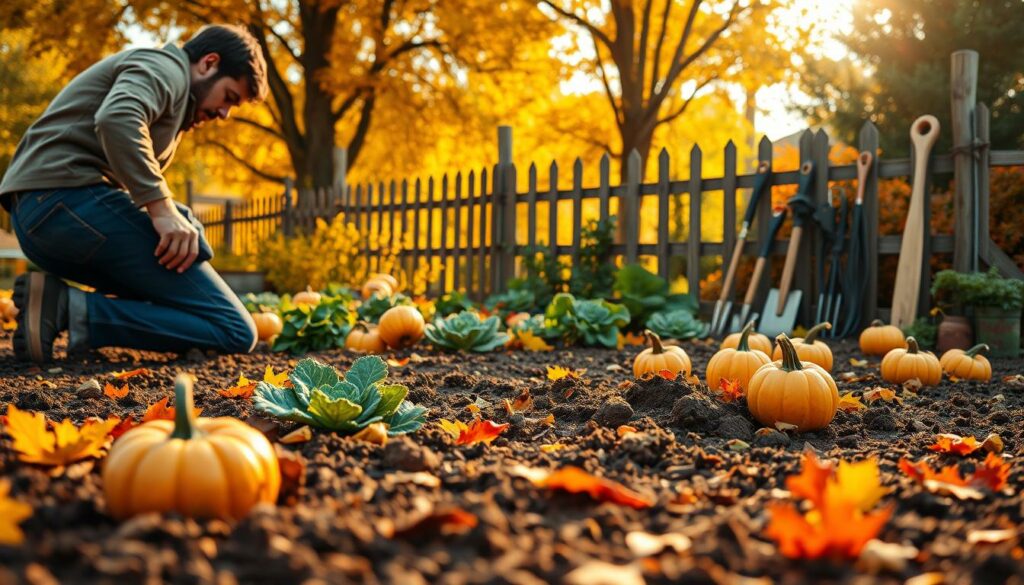
Understanding how the calendar, light, and temperature change in autumn helps gardeners time their work. It also helps them choose the right crops. Seasonal gardening depends on day length, cooling air and soil, and local frost dates.
These cues tell plants when to slow growth, form flowers, or store sugars. University extensions like Penn State Extension and University of California Agriculture & Natural Resources explain this well.
Photoperiod and dropping temperatures affect flowering and maturity. Gardeners use USDA hardiness zones and first-frost dates to plan planting. Matching sowing and transplant dates to a crop’s days-to-maturity keeps seedlings from stalling when cold weather arrives.
Some vegetables need vernalization, which means a cold period that triggers flowering or improves quality. Brassicas and some alliums respond to cooler soil and air by turning starches into sugars.
This change reduces bitterness in kale and increases sweetness in carrots and beets. Cooler temperatures ease heat stress for plants and gardeners. So, fall gardening often improves germination and transplant success for lettuce, spinach, kale, and peas.
Lower pest pressure occurs in many regions because insect activity drops with cooler nights. Succession planting offers a second harvest after summer crops finish. Fast-maturing greens can be sowed once tomatoes or peppers are removed.
Autumn gardening also adds visual interest with fall-blooming perennials and ornamental grasses.
| Factor | What to Watch | Practical Tip |
|---|---|---|
| Photoperiod | Shorter days slow vegetative growth and trigger flowering in some species | Plan sowing dates so crops reach maturity before critical day-length changes |
| Temperature | Cooler air and soil improve flavor in many root crops and brassicas | Delay sowing heat-loving crops; prioritize cool-season crops for success |
| Frost Dates | First-frost timing determines the end of outdoor production for tender crops | Use USDA zones and local last/first-frost data to schedule transplants and sowing |
| Pest Pressure | Many summer pests decline as temperatures drop | Monitor for late-season pests but expect reduced incidence compared with summer |
| Succession Planting | Opportunity for second crops after early-season harvests | Sow quick-maturing greens after removing spent summer vegetables |
Ideal Climate Conditions for Fall Gardening
Timing and local climate shape success in fall gardening. Knowing daily highs, night lows, and frost arrival dates helps gardeners pick crops. This knowledge also helps protect young plants. Thoughtful temperature management and frost awareness improve yields. They also extend the season for cool-season vegetables.
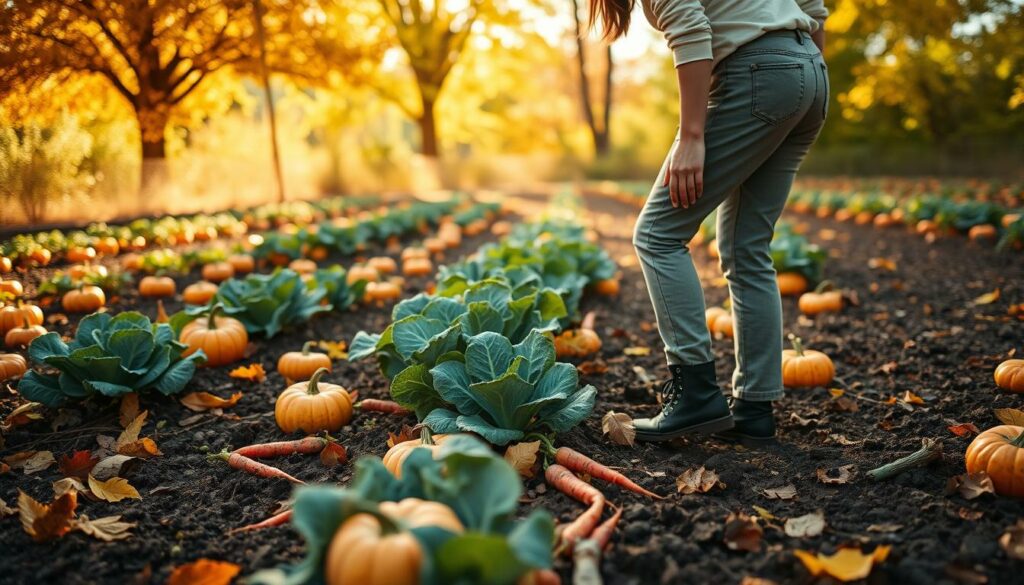
Temperature Considerations
Leafy greens do best with daytime temperatures between 50–70°F. Root crops tolerate cooler air and taste sweeter after a light frost. Seedlings and tender transplants suffer during extreme cold snaps.
Soil temperature matters for germination. Many cool-season seeds sprout well in soil ranging from 40–65°F. Carrot seed packets often list optimal germination near 55–75°F, but some seeds can sprout at cooler soil temperatures.
Gardeners should monitor both air and soil temperatures. Using a soil thermometer helps decide when to sow and transplant. Cold-hardy cultivars from Burpee or Johnny’s Selected Seeds reduce risk in unpredictable weather.
Frost Dates and Their Implications
First frost and last frost mark key planning points for autumn yard care. The last spring frost starts the planting season. The average first fall frost signals when tender crops face damaging cold.
Gardeners find local frost dates from the National Weather Service, NOAA climate data, or county Cooperative Extension offices. Use the average first-frost date to count backward by a crop’s days-to-maturity. This helps set sowing windows.
Microclimates change these averages. South-facing walls, urban heat islands, and sheltered corners delay frost and allow later planting. Low-lying frost pockets freeze earlier. Protect plants there sooner.
- Plan succession sowings to stagger harvests and reduce loss from an early frost.
- Use row covers, cold frames, or cloches to shield crops through light frosts and stretch harvests.
- Keep a planting calendar tied to local frost dates for smarter autumn yard care.
Choosing the Right Plants for Fall
The fall planting guide helps gardeners pick plants that thrive as temperatures cool and days shorten. This period rewards careful choices with steady harvests and bright garden color.
A few planning steps make fall gardening ideas work in beds, containers, and mixed borders.
Cool-Season Vegetables
Cool-season vegetables perform best when soil and air temperatures drop. Recommended crops include leafy greens like lettuce, spinach, arugula, and Swiss chard.
Brassicas such as kale, collards, broccoli, Brussels sprouts, and cabbage add texture and nutrition. Root crops to consider are carrots, beets, turnips, and radishes.
Alliums for fall planting include garlic and shallots. Peas and hardy herbs like cilantro and parsley extend fresh flavors into autumn.
Choose fast-maturing cultivars for late plantings. Examples are baby leaf lettuce mixes and quick-rooting radish varieties.
Pick frost-tolerant types such as winter kale and overwintering onion sets when available.
Calculate planting dates by subtracting days-to-maturity from the average first-frost date. Allow extra days because growth slows in cool weather.
For containers and raised beds, put shallow-rooted greens in portable pots with good drainage. Mobility helps cover crops during cold snaps and supports season extension.
Perennials for Fall Blooms
Perennials for fall blooms bring late-season color and resources for pollinators. Top picks include asters (Symphyotrichum), sedum (Sedum spectabile), chrysanthemum varieties, Japanese anemone (Anemone hupehensis), goldenrod (Solidago), and late-blooming salvias in suitable zones.
Fall is ideal for dividing and planting many perennials because roots stay active while tops slow. Plant several weeks ahead of first heavy frost to allow root establishment.
Combine fall-blooming perennials with ornamental grasses for texture and movement. Use layered color and structure to extend autumn interest and create habitats for beneficial insects during winter.
- Plant selection: Match zones and soil needs to reduce stress.
- Placement: Group by water needs to simplify care.
- Timing: Plant early enough for roots to settle before freeze.
Preparing the Garden for Fall Planting
Getting beds ready before the first cool nights makes autumn gardening smoother and more productive.
A short plan covering soil testing, organic matter, and targeted feeding saves time during fall garden work.
Soil Preparation Techniques
Start with a soil test from a local Cooperative Extension or a home kit to check pH and nutrients.
Adjust pH as needed: apply lime to raise it or elemental sulfur to lower it for chosen crops.
Incorporate 2–4 inches of compost or well-rotted manure into beds before planting.
Organic matter improves soil texture, boosts water retention, and feeds soil microbes.
Working compost in during fall lets freeze-thaw cycles loosen the soil further.
Minimize deep tilling to preserve soil structure and helpful life.
For raised beds, use broadforking or light cultivation.
Refresh containers with fresh potting mix when they show compaction or poor nutrients.
After planting, apply a 2–3 inch layer of organic mulch such as shredded leaves or straw.
Mulch stabilizes soil temperature, keeps moisture, and suppresses weeds during autumn gardening.
Fertilization and Nutrient Additions
Know nutrient needs for common fall crops.
Leafy greens and brassicas need steady nitrogen for leaf growth.
Root vegetables prefer balanced fertility with enough phosphorus and potassium for root development.
Choose slow-release granular fertilizers or organic amendments based on the soil test.
Options include blood meal or fish emulsion for nitrogen and bone meal for phosphorus.
Brands like Espoma, Dr. Earth, and Jobe’s provide clear label rates; follow their instructions closely.
Apply starter nutrients at planting.
For heavy feeders, side-dress with extra nitrogen mid-season if growth slows.
Avoid over-fertilizing late in the season to prevent soft shoots that cold can damage.
If beds lie fallow, seed winter cover crops such as winter rye, crimson clover, or hairy vetch early in fall.
Cover crops stop erosion, add organic matter, and help long-term soil fertility.
This is part of regular fall garden maintenance.
Planting Techniques for Fall Gardening
Good timing and the right techniques help your fall garden ideas succeed. This guide explains seed vs. starter plant choices. It also gives clear rules for planting depth and spacing so crops mature before cold weather arrives.
Direct Sowing vs. Transplants
Direct sowing works well for root crops like carrots and beets. It suits peas and quick-germinating greens too. Planting seeds where they grow avoids root disturbance and often produces stronger roots.
For crops needing a head start, transplanting is better for fall. Brassicas and winter lettuces grow well from transplants started indoors or in nurseries.
Choose healthy, hardened-off transplants from good nurseries or start seedlings indoors under bright lights. Acclimate them outdoors gradually over a week, so they adjust to wind and sun. Succession planting gives a steady harvest; sow quick crops like salad greens and radishes every 10–14 days.
Planting Depth and Spacing
Follow seed depth guidelines for reliable germination. Small seeds like lettuce, carrot, and radish go 1/8 to 1/4 inch deep. Larger seeds like peas and beans go 1 to 2 inches deep. Set transplants at the same depth as in their nursery container. Tomatoes may be planted a bit deeper to make stems stronger.
Use proper spacing to reduce disease and improve airflow. Typical spacing: lettuce 6 to 12 inches for heads, 2 to 4 inches for baby leaves; kale 12 to 18 inches; carrots thin to 2 to 4 inches; beets 3 to 4 inches; broccoli 18 to 24 inches. Leave enough row space for tools and covers used in fall.
In raised beds and containers, denser sowing works for baby greens. Thin seedlings as they grow to reach final spacing. Keep soil evenly moist until seeds sprout. Use lightweight row covers to keep warmth and humidity for sensitive seeds.
Maintaining Your Fall Garden
Keeping a productive and healthy garden in autumn means routine care and smart choices. Good fall maintenance helps plants last longer and saves resources. It also lowers disease and pest problems.
The next sections share simple steps gardeners can take now.
Watering Practices
Water deeply but less often to build strong roots. Cooler air means less evaporation, so thorough soakings work better than many shallow ones.
Water early in the morning to let leaves dry during the day. This habit cuts fungal infections like powdery and downy mildew.
Use drip irrigation or soaker hoses to apply water directly at soil level. These tools keep moisture steady, save water, and keep leaves dry to reduce disease.
Apply 2–3 inches of organic mulch around plants. Mulch slows evaporation, keeps soil warm on cold nights, and lowers weed growth.
Pest Management Strategies
Check your garden beds weekly for pests like cabbage loopers, aphids, slugs, and root maggots. Spotting problems early makes treatment easier.
Follow integrated pest management: identify pests, set action levels, then pick control methods. Crop rotation, clearing plant debris, and using resistant seeds help too.
Mechanical and biological controls work well in fall. Handpick slugs, set beer traps, release lacewings for aphids, or use Bacillus thuringiensis for caterpillars.
Use targeted organic treatments that don’t harm useful insects. Insecticidal soaps and neem oil work on soft pests when used as directed.
Promote air flow by spacing plants and pruning crowded areas. Avoid watering leaves late in the day and remove sick leaves quickly to stop disease build-up.
Protect crops from animals using row covers, netting, or temporary fences. Covers keep out deer, rabbits, and birds while shielding brassicas from cabbage worms late in the season.
| Focus | Recommended Actions | Benefits |
|---|---|---|
| Watering practices | Deep morning watering; use drip lines or soaker hoses; mulch 2–3 inches | Stronger roots; reduced evaporation; lower fungal risk |
| Pest monitoring | Weekly scouting; identify pests; set intervention thresholds | Early detection; fewer treatments; preserved beneficial insects |
| Mechanical & biological controls | Handpicking, beer traps, lacewings, Bacillus thuringiensis | Low toxicity; targeted pest reductions; safe for pollinators |
| Organic treatments | Insecticidal soap or neem oil applied as needed | Effective on soft-bodied pests; minimal residual impact |
| Disease prevention | Good air circulation, avoid late-day overhead watering, remove diseased foliage | Lower incidence of powdery and downy mildew and other fungal issues |
| Wildlife protection | Row covers, netting, temporary fencing | Protects late-season crops from deer, rabbits, and birds |
Extending the Growing Season
Gardeners who want to extend the growing season should use simple structures and daily checks. These methods help push harvests later into autumn. Just a few degrees of added warmth can mean weeks more for greens, root crops, and tender transplants.
Below are practical methods that fit small plots and containers.
Using Cold Frames and Row Covers
Cold frames are low boxes with clear lids that trap solar heat and block wind. Builders often use treated wood, recycled window panes, or clear polycarbonate for durability. Place frames on a south-facing slope or flat spot with full sun. Anchor them well so gusts do not lift the lids.
Floating row covers made from spunbond polypropylene drape directly over crops. Supported by hoops, they raise nighttime temperatures by 2–8°F. This helps lettuce, spinach, carrots, and brassicas tolerate frost. Harvests can continue beyond the normal first frost.
On warm days, gardeners should open frames and lift row covers to avoid heat stress. Condensation under covers can cause disease, so air circulation is important. Secure edges with soil, rocks, or staples to keep pests out and covers in place.
Benefits of Cloche Gardening
Cloches are small covers made of glass or plastic. They protect seedlings from cold and insect damage. They create a warm microclimate for plants. Both commercial cloches and DIY versions like inverted plastic bottles work well for container vegetables.
Cloche gardening is a low-cost way to protect late-season herbs, head lettuces, and small brassicas. Use vent holes or lift cloches on sunny afternoons to prevent overheating. Secure lightweight cloches with weights or stakes so wind does not move them.
These methods fit well with fall gardening ideas like staggered sowing and choosing cold-hardy varieties. Combining cold frames, row covers, and cloche gardening helps gardeners harvest more food. This extends the season without needing complex equipment.
Harvesting in Fall
Autumn brings a final, flavorful phase for many garden plants. Proper harvesting in fall and smart storage turn a late-season bounty into meals that last through winter.
The guidance below helps gardeners pick at peak flavor and store crops safely.
Timing Your Harvest for Peak Flavor
Cool nights boost sugars in crops like carrots, beets, and kale. This improves taste after a light frost. Some vegetables get sweeter with chill.
Others, however, become woody or pithy if left too long. Look for visual and tactile cues when timing your harvest. Lettuce heads should feel firm and full.
Kale leaves need to be tender and deep green. Root crops reach the right size according to variety and show healthy tops. Brassicas such as broccoli need tight crowns before buds open.
Harvest in the morning after dew dries for best texture and shelf life. For crops that improve after frost, delay picking until after a light frost.
Use successive harvests by picking outer leaves of greens to allow continued growth. Cut-and-come-again methods for lettuce and similar crops maximize yield.
Storage Techniques for Autumn Crops
Short-term storage keeps produce fresh for weeks. Refrigerate greens and herbs wrapped in damp paper towels inside plastic bags.
Store most brassicas and roots in the crisper drawer at 32–40°F with high humidity. Long-term preservation favors root cellaring for carrots, beets, turnips, and winter squash.
Aim for cool conditions around 32–40°F with 85–95% humidity and good ventilation. Layer carrots and beets in damp sand or clean sawdust in root cellar bins to prevent shriveling.
For preservation beyond cold storage, blanch and freeze greens and vegetables. Pickle beets and cucumbers. Can tomato sauces or salsas from late-season harvests.
Follow USDA Complete Guide to Home Canning for safe practices. Curing and inspection reduce losses. Cure winter squash and pumpkins for 7–10 days in a warm, dry spot before storage.
Reject damaged produce to prevent rot from spreading. These fall garden tips help extend quality and flavor from garden to table.
Planning for Winter
Preparing the garden for cold months keeps soil healthy and reduces spring work. Thoughtful planning starts with removing disease sources and protecting roots.
Recording what worked during the growing season helps improve next year’s planting. Simple steps taken now ease spring work and boost long-term yields.
Garden cleanup starts with managing debris. Remove spent annuals, crop residues, and diseased plants to cut pests and fungal problems.
Healthy clippings belong in compost; diseased parts must be bagged for yard waste or disposed of properly.
Tool maintenance is key for cleanup. Clean and sharpen pruning shears, oil parts, and drain hoses to keep them working well.
Winterize irrigation systems by blowing out lines or shutting off valves to prevent freeze damage. Store tools in a dry shed or garage.
Mulch and soil protection preserve soil through freeze-thaw cycles. Apply 2–4 inches of straw, leaves, or wood chips over bare beds.
Mulch reduces erosion, controls temperature swings, and shelters soil organisms during cold spells.
Planning and record-keeping boost future success. Update garden maps, note crop rotations, log pest pressures, and add soil test results.
These notes help with seed choices, timing, and bed placement next spring.
Garden Cleanup Essentials
Start by clearing tomato and squash vines which can harbor pests. Cut back ornamental grasses only if needed for looks.
Many grasses provide winter habitat for beneficial insects. Leave seed heads for birds if they show no disease.
For beds with past diseases, try solarizing or planting a cover crop in late fall. These methods suppress pests and add organic matter.
Cover crops like winter rye or hairy vetch protect soil and add nutrients when turned under in spring.
Winterizing Perennials and Annuals
Trim only dead material on most perennials. This preserves stems that prevent erosion and offer insect habitat.
Divide crowded perennials like daylilies and hostas in fall if conditions allow. Move container perennials to sheltered spots or insulate pots to prevent root freeze.
Remove tender annuals that won’t survive freezes. Leave clean seed heads for wild birds if health and looks allow.
Protect shrubs and young trees with burlap wraps, insulating mulch, or fences to shield from wind and deer rubbing.
Plant garlic and onion sets in fall with final mulch to reduce heaving. Space bulbs as instructed and add mulch after ground cools.
Resources for Fall Gardening Enthusiasts
Fall gardeners use printed guides, extension publications, and active communities for advice. Reliable resources include field-tested books and USDA or state Cooperative Extension materials. These help with planting schedules, soil testing, and pest identification.
Seed catalogs and gardening magazines offer details on varieties and seasonal inspiration. They assist in planning crops and succession planting.
Recommended Books and Guides
Key titles include The Vegetable Gardener’s Bible by Edward C. Smith for soil and system advice. Rodale’s All-New Encyclopedia of Organic Gardening offers organic gardening practices. The Winter Harvest Handbook by Eliot Coleman explains season-extension techniques.
Cooperative Extension bulletins from Cornell, Penn State, and University of California give region-specific calendars and pest fact sheets. Seed companies like Johnny’s Selected Seeds, Burpee, and Seed Savers Exchange provide maturity data to fine-tune fall plantings.
Local Gardening Clubs and Organizations
Joining local gardening clubs and Master Gardener chapters connects gardeners to workshops, soil testing, and hands-on support. Community garden groups and horticultural societies run seed swaps, plant sales, and volunteer projects. These activities help gardeners learn through shared experience.
County extension offices, soil and water conservation districts, and botanical gardens host fall workshops tailored to local climates. Digital communities—regional Facebook groups, Subreddits, and channels like Garden Answer—offer quick peer advice and localized problem-solving.
Gardeners should contact their local extension office for frost dates and soil testing. They can attend fall workshops and use seed catalogs plus extension publications to build a planting calendar matching their USDA hardiness zone.