

Nearly 40% of American gardeners wish their yards had color all four seasons. This drives many to find plants that bloom all year.
This guide defines key terms. Plants that bloom all year are species or cultivars producing flowers in multiple seasons.
Everblooming plants are bred or managed to flower continuously. Year-round blooming flowers include outdoor and indoor plants giving near-continuous color.
The article gives practical advice for gardeners in the United States. It covers how to pick perennials, long-blooming annuals, and container plants.
These plants offer sustained interest. The guide also gives landscape ideas and reliable resources for gardeners.
True continuous bloom depends on plant choice, USDA hardiness zone, and cultural care. Some plants need deadheading, feeding, or winter protection.
Some plants grow as annuals outdoors but bloom year-round inside containers or indoors.
Benefits include helping pollinators, boosting curb appeal, and improving biodiversity. The next sections profile popular year-round bloomers and care tips.
They share seasonal adjustments and design ideas to help both novice and experienced gardeners maintain vibrant gardens.
Key Takeaways
- Plants that bloom all year include outdoor perennials, long-blooming annuals, and indoor specimens, offering continuous color.
- Everblooming plants are often cultivars or well-tended specimens needing regular deadheading and feeding.
- USDA hardiness zone and climate decide if a plant blooms outdoors year-round or must move indoors.
- Benefits include extended pollinator support, enhanced curb appeal, and greater garden biodiversity.
- Later sections give plant profiles, care routines, seasonal strategies, and design ideas for lasting blooms.
Overview of Year-Round Blooming Plants
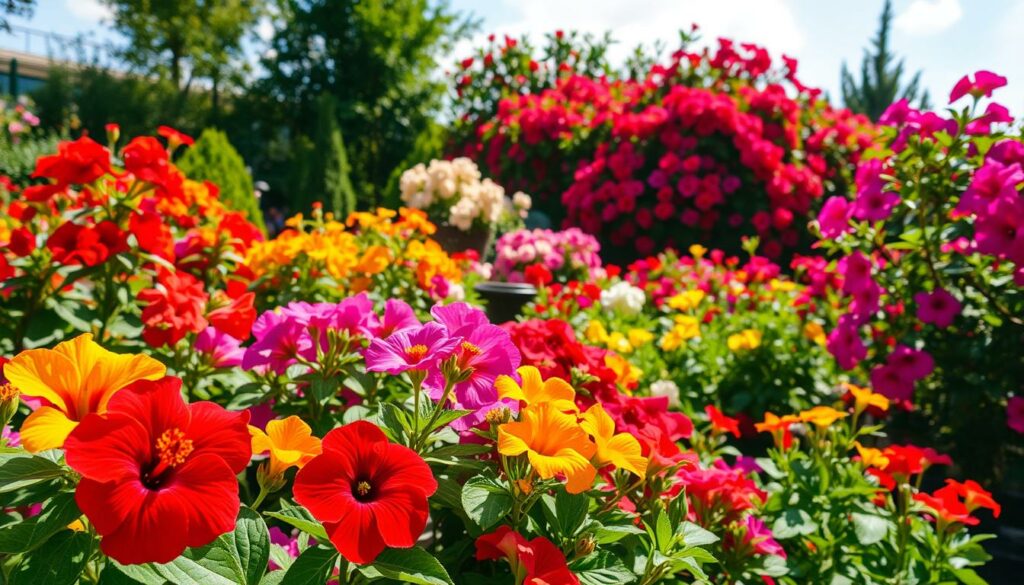
Perennial flowering plants and continuous blooming plants serve as the backbone of many resilient gardens. They offer long bloom windows and stabilize seasonal color.
These plants create habitat for pollinators during months when annuals might fade. Gardeners prize them for steady nectar and pollen supply.
Bees, butterflies, and hummingbirds rely on staggered blooms. Urban and suburban landscapes gain visual continuity with reduced replanting needs when using these species.
Importance of Ever-Blooming Plants
Year-round or extended bloomers provide food for pollinators during lean periods. This supports local biodiversity and helps pollinate food crops and native plants.
Repeat-flowering cultivars and remontant traits in roses, geraniums, and other perennials extend visible blooms. Breeders like those at the University of California create varieties that lengthen flowering cycles.
In community and private spaces, these plants reduce the need for frequent replanting. This saves labor and maintains curb appeal through multiple seasons.
Benefits for Gardeners
Home gardeners see clear benefits. Perennial flowering plants reduce annual replanting costs. They free time for other tasks and suit busy homeowners seeking low maintenance.
Design flexibility improves with continuous blooming plants. Gardeners can create layered color schemes with overlapping blooms instead of gaps. Containers, borders, and focal beds benefit from predictable floral rhythms.
There are trade-offs. Even everblooming plants need proper light, soil, and winter protection in colder zones. Some require overwintering under mulch or in sheltered microclimates.
Popular Year-Round Flowering Plants
Gardeners wanting color all year can pick favorites that do well in beds, containers, and patios. These include strong shrubs, hardy bedding plants, and new cultivars. When given proper care, they bloom all year.
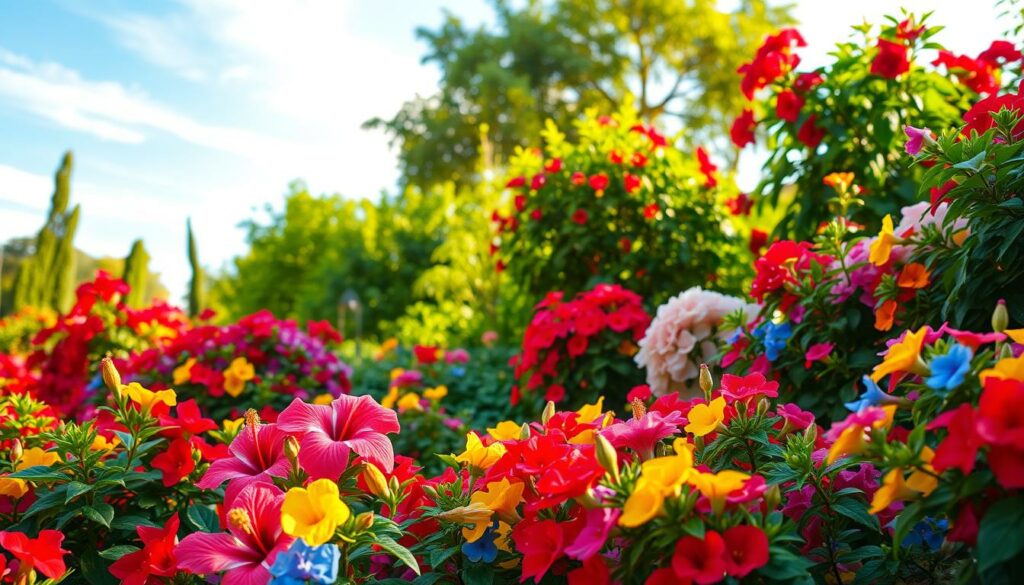
Here are profiles for four popular types. Each explains look, bloom habits, and basic care. This helps readers match plants to climate and care needs.
These picks support long-blooming perennials in warm places or container plants elsewhere.
Bougainvillea
Bougainvillea is a woody vine or shrub known for bright bracts in magenta, coral, white, and orange. It grows best in warm climates, usually USDA zones 9–11. In cooler zones, it lives in containers.
Bougainvillea likes full sun, warm temps, and moderate water. It can bloom almost year-round in frost-free areas.
It needs well-draining soil and low nitrogen to grow more bracts than leaves. Prune to shape. Bring indoors under bright light to survive winter frost.
Geraniums (Pelargonium spp.)
Geraniums include zonal types, trailing ivy, and showy Regal kinds. They act as annuals or perennials depending on zone. They can bloom from spring through fall.
They bloom best with deadheading, regular feeding, and 4–6 hours of sun. New long-blooming cultivars last even longer.
Geraniums dislike frost. Move containers indoors in cold weather. Use well-draining potting mix and fertilizer with more phosphorus to promote blooms.
Impatiens
Impatiens, like walleriana and New Guinea types, thrive in shade and fill low-light spaces with lots of flowers. They suit shaded borders, hanging baskets, and mixed containers.
In warm, humid spots or protected areas, they bloom longer. Disease-resistant hybrids help keep them healthy and extend blooms.
These plants need moist but well-drained soil. Avoid waterlogging and keep air moving. Choose resistant cultivars when possible.
Petunias
Petunias are annuals and tender perennials with trumpet-shaped flowers in many colors. They work well in containers, window boxes, and mass plantings for bright seasonal color.
Modern types like wave and spreading series flower from spring until frost. Some can rebloom indoors with enough light.
They prefer full sun and do well with regular deadheading, though self-cleaning kinds need less work. Use moderate fertilizer and mulch to protect roots from heat. Water them regularly.
| Plant | Best Sites | Bloom Habit | Key Care Tips |
|---|---|---|---|
| Bougainvillea | Full sun, walls, containers in warm zones | Extended bloom in frost-free areas; responds to heat and sun | Well-draining soil, low nitrogen, prune for shape, overwinter indoors if needed |
| Geraniums (Pelargonium) | Sunny beds, containers, window boxes | Continuous from spring to fall; year-round indoors or in mild climates | 4–6 hours sun, deadhead, balanced fertilizer higher in phosphorus, protect from frost |
| Impatiens | Shade gardens, hanging baskets, sheltered borders | Long season in warm, humid spots; improved with disease-resistant varieties | Keep soil moist but well-drained, ensure airflow, select resistant cultivars |
| Petunias | Full sun containers, mass plantings, window boxes | Continuous blooms from spring until frost; some rebloom indoors | Full sun, regular deadheading (unless self-cleaning), moderate fertilizer, mulch for heat |
Indoor Plants That Bloom Year-Round
Many gardeners want flowers that bloom all year for steady color indoors. Choosing plants that bloom year-round lifts mood and adds living art. The right choices, light, and care make these plants great for apartments and sunrooms.
African Violets
African violets (Saintpaulia) are small and prized for blooming often in purple, pink, white, and bi-colors. They need bright, indirect light and steady temperatures between 65–75°F.
Use a well-draining African violet mix. Water from the bottom or soil line to prevent crown rot. Maintain slightly acidic soil and fertilize every 4–6 weeks to keep flowers coming.
Orchids
Phalaenopsis and similar orchids have flowers that last for weeks or months. Many bloom again when given the right light and rest periods.
Give bright, indirect light and keep humidity at 40–70%. Use orchid potting medium and fertilize weakly and regularly. A short rest after blooming helps bring more flowers later.
Christmas Cactus
Schlumbergera species bloom in late fall and winter. You can train them to bloom more than once a year.
Short days and cooler nights trigger blooming naturally. Keep them in bright, indirect light with well-draining soil and moderate watering.
Feed monthly with balanced fertilizer. Give a cool rest (50–60°F at night) before blooms to improve flower display.
| Plant | Light | Watering | Temperature | Key Tip |
|---|---|---|---|---|
| African Violet | Bright, indirect | Bottom-water or soil-line | 65–75°F | Use African violet mix; feed every 4–6 weeks |
| Phalaenopsis Orchid | Bright, indirect | Moderate; avoid waterlogged roots | 60–80°F | Use orchid medium; weak, regular fertilizer |
| Christmas Cactus | Bright, indirect | Moderate; allow surface to dry slightly | 50–70°F (cool rest before bloom) | Short days and cool nights encourage blooms |
Choosing the Right Plant for Your Space
Selecting the best specimens starts with a quick check of the site. Measure direct sun hours carefully. Note reflected heat from walls or pavement and observe wind patterns.
Matching light and microclimate to plant needs reduces stress. This approach also boosts bloom performance for plants that bloom all year.
Consider Sunlight and Location
Identify full sun areas with 6 or more hours of light, partial shade with 3 to 6 hours, and deep shade under 3 hours.
Petunias and bougainvillea thrive in full sun. Impatiens and African violets prefer shade or bright, indirect light for best growth.
Orient beds by exposure. South-facing sites get the most light, east-facing spots offer gentle morning sun, and west-facing areas receive hot afternoon rays.
For indoors, place plants near suitable windows. Use LED grow lights if natural light is limited. Humidity matters for orchids and African violets; use groupings or pebble trays to raise moisture levels.
Assessing Climate Conditions
Consult USDA hardiness zones to know which perennial flowering plants survive outdoors year-round. Bougainvillea does well in zones 9 to 11.
Gardeners in cooler zones can grow bougainvillea in containers and move them indoors for winter protection.
Account for local conditions like urban heat islands that extend bloom seasons. Cold snaps and frosts can also shorten them.
Microclimates near buildings or water affect plant success.
If you need help, contact local county Cooperative Extension offices for region-specific advice and planting calendars.
Maintenance Needs
Match your plant choices to your available time. Continuous bloomers that need frequent deadheading suit committed hobbyists.
Low-maintenance plants work best for busy owners.
Consider watering and feeding needs. Succulents and many perennials need less frequent watering. Greenhouse-grown annuals often require regular fertilization to keep blooming.
Check mature sizes and root habits before planting. Container plants fit patios and balconies well. Avoid overcrowding beds by spacing plants according to their adult size.
Good planning reduces future pruning and pest problems.
Care Tips for Year-Round Blooming Plants
Keeping year-round blooming flowers healthy requires steady attention to water, pruning, and feeding. This short guide offers clear steps for common garden types. It covers tropical pots and sun-loving shrubs.
Readers will learn practical routines. These routines support long blooming perennials and continuous blooming plants throughout the season.
Watering Requirements
Tropical bloomers like impatiens and many orchids need consistent moisture. However, avoid waterlogging the roots to keep plants healthy.
Mediterranean plants like bougainvillea prefer deep, infrequent watering and fast drainage. Using mulch conserves moisture and stabilizes soil temperature.
Indoor care differs. African violets respond well to bottom watering. Orchids should dry slightly between waterings.
Avoid pouring cold tap water onto sensitive crowns to prevent shock. Test soil moisture using a meter or the finger test to avoid overwatering.
Pruning and Deadheading
Removing spent flowers forces plants to direct energy into new buds. This helps continuous blooming plants keep producing flowers.
Deadheading is important for petunias, geraniums, and many perennials. Light pruning shapes plants and removes woody growth after flowering, as with bougainvillea.
Geraniums benefit from rejuvenation pruning in late winter or after a long bloom run. Always use clean, sharp pruning shears and sanitize tools between cuts to reduce disease spread.
Fertilization Schedules
Feed long blooming perennials with balanced slow-release fertilizer in spring to build lasting vigor. During active flowering, apply bloom-boost liquid formulas with higher phosphorus to encourage more blooms.
Houseplants may need diluted fertilizer every 4–6 weeks. Avoid excess nitrogen since it promotes leaf growth over flowers.
Follow label rates and flush containers sometimes to remove salt buildup. Use orchid-specific fertilizers for orchids, African violet feeds for those plants, and controlled-release granules for beds.
| Care Task | Recommended Action | Best For |
|---|---|---|
| Watering rhythm | Consistent moisture for tropicals; deep, infrequent water for Mediterranean types | Impatiens, orchids, bougainvillea |
| Mulch use | Apply 2–3 inches to conserve moisture and regulate temperature | Long blooming perennials, landscape beds |
| Deadheading | Remove spent blooms regularly to stimulate new buds | Petunias, geraniums, many perennials |
| Pruning timing | Light shaping after flowering; rejuvenation in late winter or post-bloom | Bougainvillea, geraniums |
| Fertilizer plan | Spring slow-release; bloom-boost liquids during flowering; dilute for houseplants | Continuous blooming plants, potted specimens |
| Specialized products | Use orchid formulas, African violet feeds, and controlled-release granules as directed | Orchids, African violets, landscape beds |
Seasonal Considerations
Keeping gardens full of all season blooming perennials requires a clear, season-by-season plan. Small, timed adjustments help plants avoid stress. They support steady displays of flowers throughout the year.
Spring calls for soil preparation, fresh mulch, and balanced feeding to set buds. Divide crowded perennials to renew their vigor. Adding compost improves soil structure and supports early growth.
In summer, water more often during heat waves. Give afternoon shade to heat-sensitive plants. Watch for signs like wilt and sunscald.
Containers dry faster, so check their moisture daily. This keeps year-round blooming flowers productive.
In fall, reduce fertilization so plants can enter dormancy strong. Move frost-sensitive containers indoors before the first hard freeze. Clean garden beds of debris to cut pests’ shelter.
Winter protection is important for tender plants. Use frost cloth, extra mulch, or cold frames. Indoor blooming plants need extra light and less watering for slow winter growth.
Adjusting care across different seasons
- Harden off seedlings and pots gradually before moving outdoors.
- Shift light exposure over a week to avoid shock for indoor plants placed outside.
- Follow a seasonal checklist: spring cleanup, mid-summer mulching, fall pruning, pre-winter wraps.
Common pests and diseases
- Aphids, spider mites, and whiteflies attack outdoor and indoor foliage early in warm months.
- Slugs and snails target seedlings and shaded beds during the night.
- Mealybugs and scale favor indoor containers with low air circulation.
- Botrytis (gray mold) appears in cool, wet conditions. Powdery mildew thrives in humid, low-airflow spots. Root rot follows overwatering.
How to manage pests and prevent outbreaks
- Inspect plants weekly and remove affected leaves promptly.
- Encourage beneficial insects like ladybugs and lacewings to control sap feeders.
- Use horticultural oils and insecticidal soaps for targeted, low-toxicity treatment.
- Improve airflow and avoid overhead watering to reduce fungal problems.
How to prevent seasonal stress
- Maintain soil health with compost and good drainage suited to plant needs.
- Balance watering to seasonal growth; reduce in winter and increase during hot, dry spells.
- Acclimate plants moved between indoors and outdoors gradually.
- Keep a seasonal maintenance checklist to protect everblooming plants and extend bloom periods.
Landscape Design Ideas with Blooming Plants
A well-planned landscape blends structure, color, and repeat bloom to keep gardens lively. Designers use continuous blooming plants and perennials to build layered scenes that change gently through the year. Thoughtful placement reduces maintenance and boosts impact.
Integrated Flower Beds
Layer beds by height and bloom time so colors overlap, not appear only in short bursts. Use evergreen shrubs for backbone and mix in plants that bloom all year for repeated color. Combine geraniums and petunias with late reblooming shrubs to extend interest.
Plan spacing for mature spread and group species by water needs with hydrozoning. Allow airflow between plants to reduce disease risk. Add groundcovers to fill gaps, suppress weeds, and stabilize soil.
Container Gardens
Containers give instant impact on patios, balconies, and entryways. They make it easy to move tender plants like bougainvillea and geraniums indoors for winter. This protects continuous blooming plants from frost. Select pots with good drainage and the right volume for roots.
Use high-quality potting mix and feed plants more often than ground plantings. Consider self-watering containers to keep moisture even. Choose materials like terra cotta for breathability or plastic for insulation, based on your climate.
Vertical Gardens and Green Walls
Vertical systems maximize small spaces and create living screens or focal points. Trailing petunias, ivy geraniums, and compact bougainvillea work well on supports and in pocket planters. Mix bloomers with textured foliage to keep interest during brief lulls.
Choose lightweight modular panels or fabric pockets for easy installation. Ensure irrigation and regular feeding because dense plantings need steady water and nutrients. Prune to maintain shape and encourage repeat flowering from perennial plants.
| Design Element | Suitable Plants | Key Care Tip |
|---|---|---|
| Layered Beds | Geraniums, petunias, lavender, reblooming shrubs | Space for mature spread; hydrozone by water need |
| Containers | Bougainvillea, begonias, geraniums | Use quality potting mix; choose proper pot volume |
| Vertical Walls | Trailing petunias, ivy geraniums, compact bougainvillea | Install irrigation; feed regularly to support dense plantings |
| Filler & Groundcover | Ajuga, creeping thyme, sedum | Fill gaps to reduce weeds and conserve moisture |
| Structural Evergreen | Boxwood, dwarf hollies, nandina | Provide year-round shape to highlight plants that bloom all year |
Plant Combinations and Companions
Choosing the right companions brings out the best in a garden. Thoughtful pairings unite color, texture, and seasonality to keep beds lively and pollinators happy.
The following guidance helps gardeners assemble cohesive plantings that balance structure with bursts of bloom.
Best Pairings for Color
Color theory guides strong combinations. Use complementary contrasts like magenta bougainvillea with lime foliage plants for vivid impact.
Use analogous schemes with varied pinks for a soft, cohesive look. Try geraniums with lavender to blend fragrance and form.
Pair petunias with calibrachoa for profuse, massed color in containers. Combine salvia and verbena with long-blooming perennials to attract bees and butterflies all season.
Creating Depth and Texture
Mix growth habits to shape three-dimensional beds. Place upright plants behind mounding forms and trailing plants at the front. This layering creates movement and sightlines through the bed.
Contrast coarse foliage such as hostas with fine-textured blooms like impatiens. Add evergreen shrubs or ornamental grasses for structure during brief low-bloom windows.
Repeat color or texture at intervals to lead the eye and reinforce unity.
Seasonal Rotation with Permanent Fixtures
Use a backbone of shrubs and structural perennials, then rotate seasonal bedding plants in understories or containers. Permanent elements maintain form while understory swaps refresh color regularly.
An example plan pairs structural shrubs with long-blooming perennials such as certain geranium varieties. Then insert petunias for summer color and pansies for cooler months in northern climates.
Maintain a planting calendar and favor containers for quick seasonal swaps that do not disturb established roots.
| Design Goal | Permanent Fixtures | Seasonal Additions | Notes |
|---|---|---|---|
| Continuous color | Evergreen shrubs, ornamental grasses | Petunias, calibrachoa, pansies | Use containers to swap color without disturbing roots |
| Pollinator magnet | Long blooming perennials like Echinacea | Salvia, verbena, seasonal nectar plants | Stagger bloom times to extend visitation |
| Texture and depth | Hostas, structural perennials | Impatiens, petunias, trailing vines | Layer heights and repeat textures for cohesion |
| Low-maintenance interest | Boxwood, ornamental grasses | All season blooming perennials for steady color | Choose drought-tolerant understory plants for ease |
Resources for Year-Round Blooming Plants
To build a garden with plants that bloom all year, you need reliable references and local knowledge. Start with books and guides from Timber Press and Cool Springs Press. Also, check university extension bulletins and USDA resources for helpful information.
There are practical titles on container gardening, perennial design, orchid care, and houseplants. These books offer step-by-step methods for growing year-round blooming flowers. They also help you maintain plants that bloom constantly.
Online communities and databases can help with quick troubleshooting and choosing cultivars. The American Horticultural Society, Garden.org, and Master Gardener forums offer expert advice. r/gardening and Facebook plant groups let gardeners share their experiences.
Use the Missouri Botanical Garden Plant Finder and the Royal Horticultural Society database to check hardiness, bloom times, and cultivar details before planting.
Local nurseries and greenhouses are key for regionally appropriate plant choices. Staff at nurseries and Cooperative Extension offices suggest plants suited to local climates and pests. Farmers markets, plant swaps, and native plant societies often offer disease-resistant, strong plants.
These resources help gardeners grow reliable year-round blooming flowers in their yards.