

Nearly 60% of American homeowners want an outdoor space that feels calm and is low-maintenance. This change explains why minimalist garden design is growing in popularity across cities and suburbs.
This short guide explains how to create a minimalist garden with clear, practical steps. It shows why minimalist landscaping fits modern lifestyles well. This is especially true for smaller yards and busy households looking for modern garden solutions.
Readers get a roadmap from core principles and benefits to site assessment, plant selection, and hardscaping. It also covers furniture, color, lighting, maintenance, sustainability, and real-world examples.
The main goals are simple: a clean garden layout and sleek outdoor space. The design favors quality over quantity. Results include less upkeep, better curb appeal, multifunctional areas, and strong choices in plants and materials.
Key Takeaways
- Minimalist garden design emphasizes simplicity, function, and low maintenance.
- How to create a minimalist garden starts with assessing the site and choosing the right plants and hardscape.
- Minimalist landscaping trends favor native plants, clean lines, and neutral palettes for lasting appeal.
- Modern garden landscaping focuses on quality materials and multifunctional outdoor areas.
- This guide provides practical steps and resources for planning, planting, and maintaining a minimalist garden.
Understanding Minimalist Garden Design
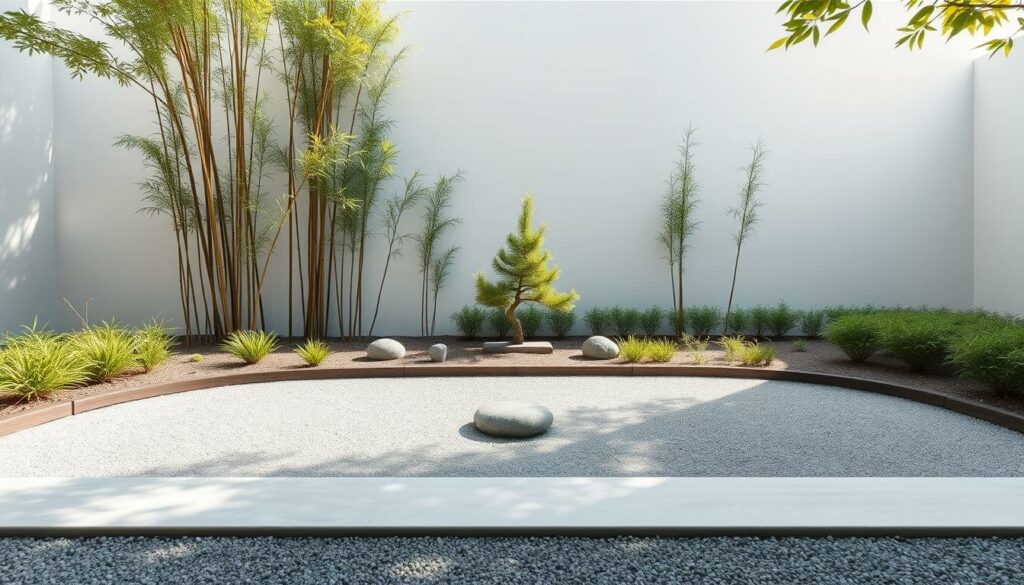
Minimalism in gardening is a clear design philosophy that values simplicity and intentionality. It moves away from dense planting and ornate decoration. Instead, it focuses on form, texture, and repetition.
Landscape architects like Piet Oudolf and firms like Oehme, van Sweden use pared-back designs. Their work relies on structure and material choice to define outdoor rooms.
Definition of Minimalism in Gardening
Minimalism treats the garden like a well-curated stage. Every plant selection is made with purpose. Hardscape and plantings work together to highlight lines and shapes.
This style uses fewer species with strong forms. It allows each element to stand out clearly in the space.
Key Principles of Minimalist Design
Simplicity is key. A limited plant palette and uncluttered layout make the garden easy to maintain and calming to the eye.
Geometry guides the design. Straight paths, rectangular beds, and clear sightlines create order. These features support sleek planters and linear water elements.
Repetition builds rhythm by repeating plant groups and materials. This ties separate areas into a cohesive whole and strengthens the sleek garden style.
Material restraint improves impact. Use only a few high-quality materials like concrete, steel, stone, gravel, and wood. They add contrast and texture without clutter.
Functionality matters. Every item should serve a purpose, such as seating, pathways, or focal points. Purposeful choices enhance usability for relaxing or entertaining.
Benefits of a Minimalist Garden
Minimalist gardens often require less water and labor. This makes maintenance easier and supports sustainable planting and irrigation choices.
Clean layouts and restrained color palettes bring visual calm and order. Such spaces reduce stress and make outdoor living feel like part of the home.
Compact yards gain value through efficient design. Small urban plots and terraces benefit from vertical ideas and careful hardscape planning that highlight contemporary garden features.
Well-made minimalist designs can increase property appeal. Sleek garden styles attract buyers who prefer modern landscaping and functional outdoor rooms.
Choosing the Right Location
Picking the right spot sets the tone for a simple garden layout and a clean outdoor space. A thoughtful location makes minimalist garden design easier to maintain. It guides placement of seating, water features, and paths so the yard feels intentional and calm.
Assessing Sunlight and Shade
Observe the site at different times of day. Mark areas of full sun, partial shade, and full shade each hour. Use a notebook or phone photos to map exposure.
This quick habit reveals microclimates near fences, buildings, and trees. Match plants to those sunlight and shade patterns. Grasses and succulents thrive in sunny spots.
Shade-tolerant native perennials work well in darker pockets. For U.S. yards, plant sun-loving species on the south side. Shade-tolerant plants go on the north side.
Use existing tree shade strategically. A single tree can create a cool seating nook. It can also protect plants from afternoon heat. Thoughtful placement reduces maintenance and supports minimalist landscaping trends.
Evaluating Soil Quality
Begin with simple tests for texture and pH using a DIY kit. Or contact a local Cooperative Extension for detailed analysis. Check soil fertility by noting plant health and organic matter content.
Minimalist gardens favor well-draining, moderately fertile soils. Amend soil only when necessary to support low-maintenance plants. Add compost to improve soil structure or use raised beds with imported soil if needed.
When applying products, choose reputable brands like Espoma or Dr. Earth. These support a clean outdoor space without complicating care routines.
Considering Drainage Options
Look for signs of poor drainage such as standing water or wilting plants after rain. Compacted soil is also a red flag. These problems harm plants and make care harder.
Fix drainage issues with regrading, French drains, gravel beds, or raised planters. Use permeable hardscaping like porous pavers or gravel to reduce runoff. This approach supports water conservation and fits minimalist trends.
Plan paths and seating spots with drainage in mind. Keep high-use areas dry and easy to maintain. Choosing the right location balances form, function, and care in your garden.
| Location Factor | Assessment Method | Design Action |
|---|---|---|
| Sun Exposure | Hourly observations or photos; sun/shade map | Place sun-loving plants in south-facing areas; shade species in north-facing pockets |
| Soil Quality | DIY soil kit or Cooperative Extension test | Amend with compost, use raised beds, consider Espoma or Dr. Earth products |
| Drainage | Check for standing water and compaction after rain | Install French drains, regrade, or use permeable pavers and gravel beds |
| Microclimates | Observe near buildings, fences, and trees | Use microclimates for seating, shelter, or specialized plant zones |
| Maintenance Impact | Estimate access for tools and paths | Simplify layout for easy care and a clean outdoor space |
Selecting Essential Plants
A restrained plant palette gives a minimalist garden structure and ease of care. Choosing species suited to local climate and soil reduces work. The goal is simple forms, repeated groupings, and steady rhythm for a modern garden design.
Native Plants for Low Maintenance
Native plants need less fertilizer and fewer pesticides. They are adapted to regional weather and pests. These plants support pollinators and local wildlife.
For the Eastern U.S., consider Echinacea (coneflower), Rudbeckia (black-eyed Susan), and switchgrass (Panicum virgatum). In the Pacific Northwest, Oregon grape (Mahonia) and red flowering currant (Ribes sanguineum) do well. For the Southwest, try Mexican feathergrass and desert marigold.
Use a limited palette and plant in masses for a clean, calm effect. Check with state Extension services or native plant societies for exact picks and planting times. Repeating a few species reduces upkeep and strengthens minimalist design.
Incorporating Evergreen Species
Evergreens provide year-round structure and define outdoor rooms in minimalist garden design. Boxwood, yew, and holly work well as clipped forms. Dwarf conifers and Euonymus add varied textures without busy colors.
Prune into simple shapes like cubes or spheres to keep a tidy silhouette. Use evergreen hedges to create privacy and clear boundaries. Keep pruning light and regular to preserve the minimal look.
Using Grasses and Succulents
Ornamental grasses add motion and texture with very low input. Species like Pennisetum, Carex, and Miscanthus look great when planted in drifts or long lines. Their movement softens hard lines and fits modern landscaping.
Succulents such as agaves, sedums, and sempervivum offer sculptural forms and strong drought tolerance. They excel in rock gardens, containers, and dry sites. Use well-drained soil and give succulents room to show their form.
Combine grasses and succulents with evergreen anchors to keep interest across seasons. Plan spacing carefully to avoid crowding. Stick to a narrow color range and repeat textures to keep a calm, minimalist design.
| Region | Recommended Native Choices | Best Use |
|---|---|---|
| Eastern U.S. | Echinacea, Rudbeckia, Panicum virgatum | Mass plantings, rain gardens, pollinator borders |
| Pacific Northwest | Mahonia, Ribes sanguineum | Understory planting, shaded edges, winter interest |
| Southwest | Mexican feathergrass, Desert marigold | Dry slopes, gravel beds, low-water borders |
| All Regions | Boxwood, Yew, Agave, Sedum, Pennisetum | Structural anchors, containers, linear beds |
Focusing on Hardscaping Elements
A restrained hardscape anchors a minimalist garden. Careful choice of elements shapes flow, supports a simple layout, and highlights plants gently.
Choosing Simple Pathways
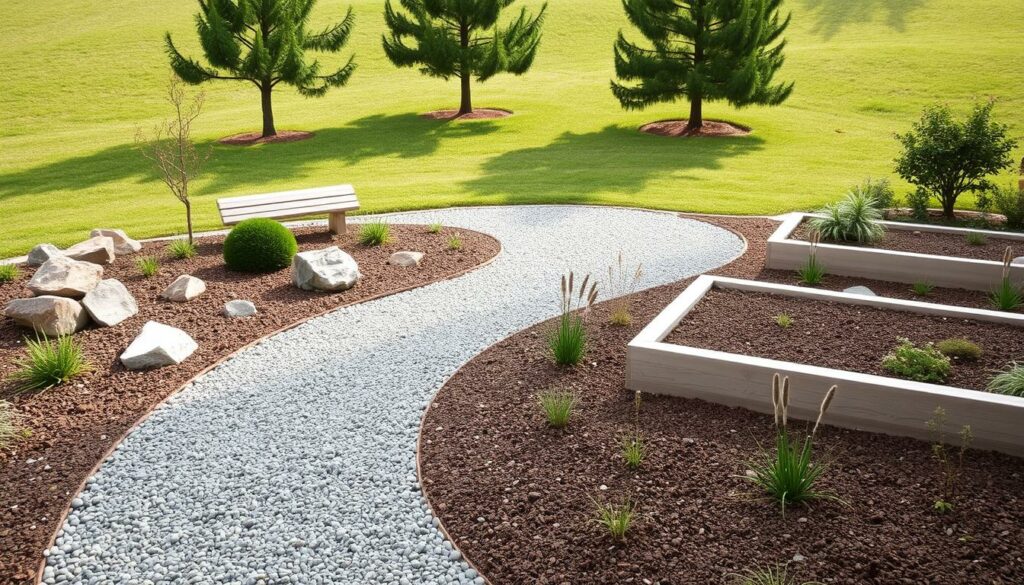
Straight runs or a gentle curve read clean and calm. Materials like poured concrete, Belgard pavers, decomposed granite, and gravel work well.
Paths should be at least 36 inches wide for accessibility. Width of 48 inches allows two-way traffic and ADA-friendly movement.
Edge paths with metal or stone to limit turf and weeds. Use landscape fabric under gravel as a weed barrier. Narrow joints filled with pea gravel or low groundcover like thyme reduce maintenance and soften lines.
Integrating Water Features
Minimalist water features focus on calm surfaces and subtle movement. Reflecting pools, narrow bubblers, and small recirculating basins fit in small spaces.
Materials like corten steel or dark granite create crisp reflections and a modern mood. Choose pumps and filters sized to the basin.
Add screened intakes to reduce debris and include mosquito-proofing like aeration or a small cartridge filter. In cold climates, winterize by lowering pumps and insulating exposed elements.
Keep water sound low to support relaxation without dominating the space.
Utilizing Natural Stone and Wood
Natural stone provides durable anchors: walls, steps, and boulders in bluestone, limestone, or slate create a unified palette. Match color and finish for unity.
Wood adds warmth through horizontal slat fencing, decking, or benches. Choose rot-resistant species like cedar, redwood, or certified Ipe. Low-maintenance composites from Trex also offer long life with less upkeep.
Seal and maintain wood per manufacturer guidelines to preserve appearance. Balance is key: limit materials, favor quality, and place hardscape to frame plants without overpowering.
| Element | Material Options | Maintenance Notes | Design Benefit |
|---|---|---|---|
| Pathways | Poured concrete, Belgard pavers, decomposed granite, gravel | Edge to prevent spread; use landscape fabric; refill narrow joints | Clear circulation, ADA-friendly, low visual clutter |
| Water Features | Corten steel basins, dark granite, recirculating pumps | Size pump to basin; add filters; winterize in cold zones | Quiet focal point, reflective surface, enhances calm |
| Stone | Bluestone, limestone, slate | Choose consistent finish; occasional cleaning; re-point joints | Durable structure, cohesive color, anchors planting |
| Wood | Cedar, redwood, Ipe, Trex composite | Seal natural wood; composite needs minimal care | Warm contrast to stone; seating and screening options |
Designing with Space in Mind
A thoughtful plan makes a yard feel larger and calmer. Careful balance between planted areas and open surfaces is key. This creates a simple garden layout that serves multiple uses.
The goal is a clean outdoor space that looks intentional and inviting.
Creating Open Areas
Open lawns or pebble courts give room for activities and visual breathing space. Small plots benefit from a single paved patio or gravel courtyard. These areas can serve as dining and play spaces.
Scale seating and planting to the yard size so open areas feel purposeful, not bare.
Utilizing Vertical Spaces
Vertical elements expand planting without crowding the ground. Trellises, metal frames, slatted wood screens, and slim pergolas add height. They keep the footprint minimal.
Green walls and vertical planters are practical for small yards. Choose low-maintenance climbers like Trachelospermum jasminoides or native clematis species.
Trained hedging vines work with consistent pruning. Use slim storage cabinets, mounted lighting, or wall art to keep the ground uncluttered. This preserves a sleek garden look.
Importance of Negative Space
Negative space means emptiness used as a design tool. It highlights form, texture, and single specimen plants set against a clear backdrop. Limit focal points and keep sightlines consistent.
This strengthens minimalist garden design. Use simple sketch plans, a grid, or golden ratio guides to balance beds and open areas.
Digital tools like SketchUp or free garden planners help visualize proportions. They keep an outdoor space clean and cohesive as a minimalist whole.
Minimalist Garden Furniture
A calm seating plan anchors minimalist garden design. Keep lines clean and materials honest. Choose pieces that support the landscape without dominating it.
Use neutral tones and low profiles to maintain open sightlines and a sense of order.
Selecting Simple Seating Options
Opt for durable benches and chairs with simple silhouettes. Concrete benches, teak seating from brands like Gloster, and powder-coated steel chairs fit modern garden landscaping.
Modular outdoor sofas with straight lines work well for larger patios.
Think about scale and placement. Place seating to highlight a focal plant, a pathway, or a view.
Choose weather-resistant cushions and fabrics such as Sunbrella for long-lasting comfort.
Choosing Functional Accessories
Limit accessories to items that serve a purpose. Pick planters, compact fire pits, storage benches, and unobtrusive umbrellas.
Each piece should reduce clutter while offering clear utility.
Favor multifunctional designs: benches with storage, tables that double as planters, or stackable chairs.
Materials like powder-coated aluminum, sealed teak, and stainless steel reinforce the minimalist garden furniture aesthetic.
Incorporating Lightweight Structures
Use movable elements to keep the design flexible. Portable pergolas, freestanding screens, and fabric shade sails allow a space to change with the season or event.
These structures support modern garden landscaping without permanent disruption.
Choose materials that age gracefully and require little upkeep. Recycled metals and FSC-certified teak help with sustainability.
Lightweight pieces make winterizing easier and align with the principle of functional outdoor accessories.
Color Palette for Minimalist Gardens
A simple color plan anchors elegant garden designs and keeps the space calm. The focus is on a few matched tones and textures. This helps mix plants, pavers, and planters without clutter.
Neutral Color Schemes
Use greens, greys, charcoal, white, and warm wood tones as the base. Grey concrete, natural stone, and timber paths form the structure. Match accents, like charcoal planters with pavers, to create unity and rhythm.
Incorporating Seasonal Blooms
Treat flowers as soft accents, not the main focus. Plant spring bulbs, summer perennials, and fall asters for steady blooms. White or soft flowers like Salvia nemorosa, Alliums, and Gaura keep the look subtle.
Using Foliage for Visual Interest
Focus on leaf shape, texture, and color more than bright petals. Variegated leaves and silver-gray foliage like lavender and artemisia add contrast. Deep-hued leaves enhance this effect. Evergreen plants and ornamental grasses give structure all year and add gentle movement.
Helpful color tips improve your choices. Make a mood board and sample materials and leaves together. Test combos in small containers before choosing. This supports minimalist garden trends and keeps sleek garden styles strong.
Maintenance Tips for Minimalist Gardens
A minimalist garden thrives on restraint and regular care. A simple layout makes upkeep easier. Routine tasks focus on watering and minimal pruning.
Water slowly and deeply to reduce waste. Drip irrigation and soaker hoses cut water loss. Smart controllers like Rachio or Rain Bird help schedule watering.
Mulch keeps moisture in and reduces weeds. Use organic mulch for planted beds. Gravel suits succulents in simple garden designs.
For drought-tolerant plants, water deeply but less often. This encourages strong root growth.
Minimal pruning keeps plant shapes crisp. Light shaping for evergreens maintains form. Remove dead flower stalks on perennials after blooming to keep plants healthy.
Cut back ornamental grasses in late winter before new shoots grow. Use hand tools for precise trimming. Fiskars and Felco make reliable pruners for this.
Focus pruning on form, not volume. Seasonal care fits into a short checklist. In spring, prepare soil, plant, check irrigation, and refresh mulch.
Summer needs moisture monitoring, selective deadheading, and pest control. Use insecticidal soap or horticultural oils when necessary.
In fall, trim perennials and protect tender succulents from cold. Clear gutters and drains near hard surfaces to stop water buildup.
Winterize irrigation systems and store or cover light furniture. Remove heavy snow from weak branches to avoid damage.
Choose plants suited to your climate for minimal care. Use weed-blocking groundcovers or gravel. Define bed edges for a neat look.
Keep a simple maintenance schedule. Small, regular efforts preserve the calm of minimalist garden design.
| Task | Timing | Recommended Tools or Products | Benefit |
|---|---|---|---|
| Install drip irrigation / smart controller | Spring or when planting | Rachio controller, Rain Bird drip kits | Efficient watering practices and lower water bills |
| Mulch beds | Spring and as needed | Organic composted mulch, decorative gravel | Moisture retention and weed suppression |
| Light shaping of evergreens | Annual or as needed | Fiskars pruners, Felco secateurs | Maintains form with minimal pruning |
| Cut back ornamental grasses | Late winter | Hand saw or hedge shears | Promotes fresh spring growth and tidy beds |
| Pest management | Summer as needed | Insecticidal soap, horticultural oil | Controls pests without heavy chemicals |
| Winterize irrigation and protect furniture | Late fall | Shutoff valves, covers, storage | Prevents freeze damage and prolongs lifespan |
Sustainability in Minimalist Gardens
The minimalist garden can be gentle on the planet while staying clean and simple.
A few targeted choices increase resilience, cut maintenance, and support local ecosystems.
This short guide outlines practical steps for sustainable, attractive yards.
Utilizing Native Plants for Biodiversity
Choosing native plants creates habitats for pollinators and birds.
Native species from the Lady Bird Johnson Wildflower Center and local societies need less irrigation and fewer chemicals.
Gardeners can plant pollinator pockets and leave seed heads for winter food.
Grouping plants by region cuts transplant losses and keeps landscapes healthy.
This method boosts wildlife, reduces maintenance, and supports sustainability goals.
Composting and Soil Health
Composting starts with backyard bins or municipal programs.
Balance browns and greens, turn the pile for aeration, and allow curing for a few months.
Finished compost improves soil structure and water retention.
Top-dressing beds, using cover crops, and minimizing tilling preserves soil life.
These steps increase productivity and reduce fertilizer needs while supporting sustainability.
Water Conservation Techniques
Water conservation saves resources and lowers bills.
Install rain barrels, use permeable paving, and group plants by water needs with hydrozoning.
Drip irrigation with timers targets roots and avoids waste.
In dry climates, xeriscaping and drought-tolerant species reduce water use.
Many U.S. water districts offer rebates for water-efficient landscaping to aid resilience.
| Practice | Benefit | Quick Tip |
|---|---|---|
| Native plantings | Supports pollinators and lowers irrigation needs | Consult state native plant societies for species lists |
| Backyard composting | Improves soil structure and reduces waste | Maintain 2:1 browns to greens and turn weekly |
| Rain barrels | Captures stormwater for later use | Connect to downspouts and add a screened lid |
| Drip irrigation | Delivers water where roots need it most | Use timers and pressure regulators |
| Permeable paving | Reduces runoff and recharges groundwater | Choose materials like porous pavers or gravel |
| Cover crops | Builds organic matter and prevents erosion | Use legumes or grasses in off-season beds |
| Locally sourced materials | Lower embodied carbon and support local economy | Choose regional stone and reclaimed wood |
Minimalist Lighting Solutions
Thoughtful lighting can turn a small yard into a stylish outdoor room. This short guide covers main fixture types, smart placement tips, and energy choices. It helps readers keep sleek garden looks while adding safety and atmosphere.
Types of Outdoor Lighting
Uplights and downlights create contrast to highlight plants or architecture. Path and step lights improve safety while staying subtle. Accent fixtures draw attention to sculptures or water features without clutter.
Choose fixtures with simple shapes in finishes like black, bronze, or brushed stainless. Low-voltage wiring suits most landscapes, while line-voltage fits bigger properties. Solar lights work well for small areas with good sun.
Placement for Maximum Effect
Layer lighting into ambient, task, and accent zones to avoid clutter. Use uplighting to highlight trunks or walls. Place path lights low and spaced to guide movement. Wall-wash fixtures soften patios and keep seating inviting.
Keep brightness low. Use dimmers and sharp cutoff fixtures to reduce glare and light spill. This protects the minimalist nighttime mood and helps local wildlife.
Energy-Efficient Options
LED lights last long and use little power. Choose warm colors (2700–3000K) for a cozy outdoor feel fitting modern garden styles. Solar LEDs are great for paths or accents in sunny spots.
Smart control brands like Philips Hue Outdoor allow setting schedules and scenes. Landscape makers like Kichler offer tough LED options. Timers or motion sensors reduce run time and save energy.
| Feature | Best Use | Finish Options | Energy Note |
|---|---|---|---|
| Uplight | Highlight trees, walls, sculptures | Black, Bronze, Brushed Stainless | LED recommended for low draw |
| Downlight | Patio ambient light, steps | Black, Bronze | Use dimmers to control intensity |
| Path/Step Lights | Guide walkways, enhance safety | Bronze, Black | Solar viable for sunny sites |
| Accent Fixtures | Emphasize focal points | Brushed Stainless, Black | Low-voltage LEDs minimize energy use |
| Smart Controls | Scenes, schedules, remote control | Not applicable | Reduces operating hours, saves energy |
When choosing fixtures, check waterproof ratings and pick IP65 or higher for outdoor use. Schedule seasonal checks and replace bulbs with the same color temperature. Energy-efficient lighting finishes a minimalist design without overpowering your space.
Inspiring Minimalist Garden Examples
Minimalist garden design often draws from a few clear precedents that show how restraint creates impact. Japanese zen gardens such as Ryoan-ji demonstrate the power of negative space and simple geometry.
Landscape designers like Piet Oudolf show that a limited plant palette and strong emphasis on form can produce elegant, living compositions. Contemporary urban projects reveal how clean lines, gravel, and stone integrate with water features to create calm public and private spaces.
Notable Minimalist Gardens Worldwide
Ryoan-ji and similar Japanese sites emphasize sparse elements and carefully composed voids. Piet Oudolf’s prairies use repetition and texture rather than bright color to shape a scene.
Modern city courtyards in Tokyo and Copenhagen show contemporary garden features like raised planters, clipped hedges, and slim water channels to reinforce structure without clutter.
Case Studies of Successful Designs
Urban courtyard: Goal — transform a tight lot into a calm retreat. Materials — gravel paving, corten steel planters, a single stone bench.
Plants — low grasses and one or two bonsai-like trees. Outcome — low maintenance and strong visual order. Lesson — repetition of material and restrained scale unify the space.
Suburban backyard: Goal — year-round structure with minimal upkeep. Materials — evergreen hedging, pea gravel paths, native grasses.
Plants — boxwood or yew hedges with ornamental grass drifts. Outcome — tidy sightlines and seasonal interest with little pruning. Lesson — invest in quality hedging and allow plants room to express form.
Rooftop terrace: Goal — create a light, usable outdoor room. Materials — containerized succulents, composite decking, sleek metal seating.
Plants — sedums, agaves, and dwarf conifers. Outcome — water-wise, portable planting with modern furniture. Lesson — scale containers to furniture and repeat textures for cohesion.
How to Find Inspiration for Your Garden
Look to landscape magazines like Landscape Architecture Magazine and Dwell. Use Instagram and Pinterest with search terms like minimalist garden design and contemporary garden features.
Visit local botanical gardens and arboretums to see plants in context. Books by Piet Oudolf and Dan Pearson offer instructive case studies and plant lists.
Create a mood board mixing photos, material swatches, and plant samples. Attend local nursery display gardens or community workshops to test ideas in your climate.
Consulting a landscape professional helps turn high-concept inspiration into an achievable plan that fits your site conditions and elegant garden principles.
Overall, inspiring minimalist garden examples show that simplicity, functionality, and restraint can adapt to many sites.
By using clear geometry, a restrained plant palette, and strong materials, a homeowner can craft a distinctive minimalist garden design.