

Nearly 60% of U.S. homeowners say they would start a garden if it cost less than $500. This shows that budget-friendly landscaping creates real interest in outdoor living. This guide offers practical steps to design attractive yards without overspending.
The focus is on affordable outdoor space planning for U.S. readers who want clear, do-it-yourself solutions. Budget garden design means a step-by-step method. It covers DIY ideas, plant choices, reusing materials, and low-cost maintenance.
The article flows logically. It starts by helping readers check finances and set goals. Next, it covers plant selection, recycled materials, and zoning for function.
It then explains simple structures, vertical gardening, and seasonal planning. Later, it shares maintenance tips and community resources to lower costs.
Readers get practical results: a phased plan, prioritized purchases, and starter plant lists. It also includes DIY structure guides, a seasonal calendar, and community tips like plant swaps.
Budget ranges are shown for reference: small projects under $200, medium $500–$2,000, and larger over $2,000. Regional prices and materials affect the final cost.
Key Takeaways
- Budget garden design means planning with clear phases and low-cost priorities.
- Affordable outdoor space planning focuses on reuse, simple structures, and smart plant choices.
- Cost-effective landscaping ideas include native plants and recycled materials.
- Typical project ranges: under $200, $500–$2,000, and $2,000+, depending on scope and region.
- The guide provides DIY instructions, seasonal calendars, and community resources to cut costs.
Understanding Your Budget and Garden Goals
A clear budget and defined goals make budget garden design practical and satisfying. Before buying plants or materials, a homeowner should map funds and set expectations. This approach keeps economical landscape design focused and turns ideas into achievable steps.
Determining Your Budget
Start with a simple worksheet totaling a one-time budget, monthly or seasonal allocation, and a contingency of 10–15%. Include line items for plants, soil and amendments, mulch, tools, hardscape materials, and small structures like a trellis.
Create rough cost estimates for common items so choices stay realistic. Seeds cost $2–$8 each, mulch is $3–$6 per 20 lb bag, and basic tools range $15–$40. Paver materials vary widely from $2–$10 per square foot. Raised beds cost $50–$150 to build with lumber and hardware.
Use free tools to track expenses. Google Sheets works well for shared plans, while Mint or similar apps monitor spending. Check local prices at Home Depot, Lowe’s, nearby nurseries, Craigslist, and Facebook Marketplace to find used materials at good deals.
Setting Realistic Expectations
Budget limits shape what can be done at once. A phased plan stretches dollars and yields visible progress. Prioritize essential tasks first and add features over time.
Choose between instant impact and long-term savings. Laying sod or planting mature specimens creates quick results but costs more. Buying seeds or small perennials costs less and grows into the desired look over seasons.
Practical examples help set a path. A makeover under $500 might focus on mulching, a few focal plants, and DIY containers. A $2,000 plan can include raised beds and modest hardscaping while keeping affordable outdoor space planning realistic.
Identifying Garden Goals
Clarify what the garden must deliver. Options include curb appeal, edible gardening, a play area, a low-maintenance pollinator habitat, or an entertaining space. Each goal affects costs and layout.
Use a prioritization matrix that weighs importance against cost to pick features that give the best return. Rank items by value to the household and by price to find sweet spots for investment.
Set measurable targets to judge progress. Examples: plant ten edible plants in year one, achieve 30% native cover in two seasons, provide seating for four, or plan for blooms over four seasonal months. These targets align design choices with economical landscape design and affordable outdoor space planning.
Choosing Cost-Effective Plants
Smart plant choices cut costs and boost success in a budget garden design. Picking species that thrive locally reduces water use and pest problems. The right mix delivers long-term value and keeps a yard lively and attractive.
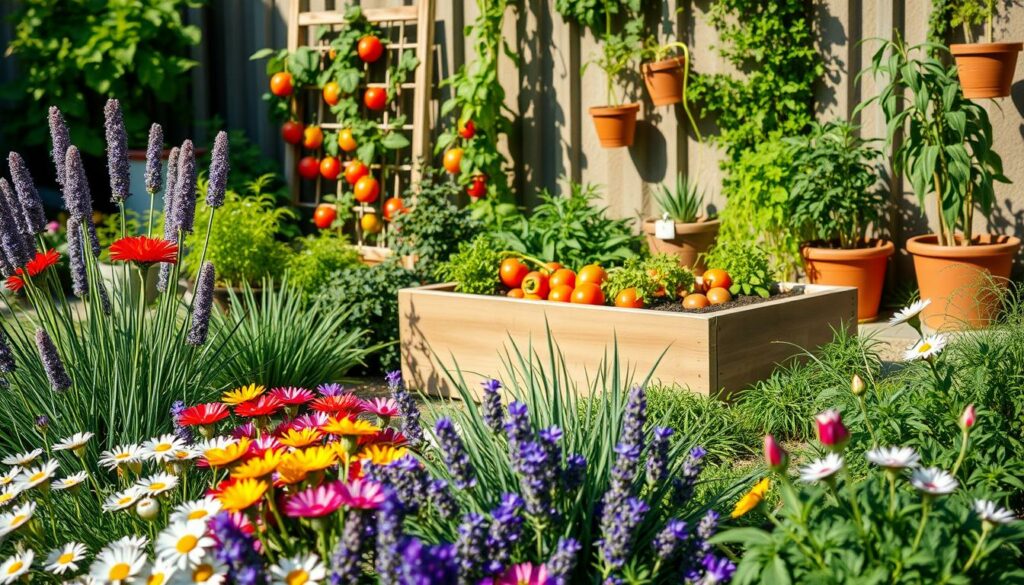
Native plants offer the best return on investment for many yards. Species like coneflower (Echinacea), black-eyed Susan (Rudbeckia), and asters do well in broad U.S. zones. These plants need less water, resist pests, and recover quickly after stress.
Gardeners should consult state Cooperative Extension services and USDA plant hardiness maps for native lists and planting calendars. These resources are tailored to each region and help ensure plant success.
Perennials vs. annuals involves a trade-off between upfront cost and ongoing expense. Perennials return every year, building structure and saving money over time. Annuals provide instant color but require replanting each season, adding to costs.
For a low-cost garden makeover, plant perennials for structure. Add annuals sparingly as seasonal accents or in containers to refresh color affordably.
Dividing perennials and rooting cuttings grows plants at little to no cost. Home gardeners can expand beds by sharing divisions with neighbors or swapping at community plant sales. These tactics support an inexpensive garden renovation while keeping diversity and bloom succession.
Local nurseries supply regionally adapted plants and hands-on advice that big-box stores lack. Independent garden centers often have clearance sales, off-season discounts, and tips for local soils and pests. Building relationships with staff pays off; they may suggest hardy cultivars, bulk deals, or upcoming sales.
Alternatives to buying full-size plants include mail-order seeds from reputable sources such as Burpee or Botanical Interests. Community plant sales and Habitat for Humanity ReStores offer containers and supplies. These options help stretch a tight budget for a practical, inexpensive garden renovation.
Designing with Recycled Materials
Reusing materials stretches a small budget and adds character to your garden. This approach supports cost-effective landscaping ideas. It creates attractive, durable features that age well with plants.
A few smart projects turn castoff items into functional pieces. These fit a budget-friendly backyard transformation.
Creative Uses for Old Pallets
Pallets make easy vertical planters, compost frames, low borders, and rustic benches. First, check pallet stamps and avoid those marked MB for methyl bromide. Use a sander to smooth rough spots and apply outdoor stain or sealant to extend life.
Simple material lists keep costs low. You need exterior screws, L-brackets, landscape fabric, and exterior wood glue. For a vertical planter, staple landscape fabric to the back, add shelf boards, and attach cleats for hanging.
For seating, stack and bolt two or three pallets. Add cushions and secure with corner brackets for stability.
Repurposing Glass and Plastic
Glass jars and bottles become cloches, edge lighting, or small planters with minimal effort. Drill drainage holes in heavier containers used for edibles. You can also use food-safe jars for herbs.
Group containers by size and color. This creates visual impact along paths or on a patio.
Old windows work well as cold frames or greenhouse panels. Salvaged polycarbonate sheets and clear plastic sheeting make inexpensive cloches to protect seedlings.
A short materials list includes silicone sealant, small hinges, and weatherstripping for airtight frames.
Incorporating Natural Elements
Stones, logs, and reclaimed bricks make pathways, edging, and raised bed supports at little or no cost. Source materials from local construction sites with permission, community listings like Craigslist or Freecycle, municipal pickup days, or natural features on your property.
Blend reclaimed elements with plantings to create an eco-friendly look. Use larger stones as focal points, stack bricks for low retaining walls, and place logs as informal seating or border accents.
These inexpensive garden design solutions tie the space together without high costs.
Creating Zones for Functionality
Clear zones make small yards work harder. Thoughtful layout turns a modest plot into multiple usable areas. This supports affordable outdoor space planning.
It guides a budget-friendly backyard transformation that fits family needs.
Use simple markers to separate areas. Changes in groundcover, low edging, or a line of potted plants create visual breaks.
These techniques suit inexpensive garden renovation. They also keep maintenance low.
Setting Up Relaxation Areas
Carve a comfy seating nook with pallet sofas topped by outdoor cushions. Or place a salvaged bench on gravel or mulch.
A few Adirondack chairs work well. They are easy to find secondhand.
Choose modest focal features like grouped containers, a steel bowl fire pit, or string lights. Solar LED bulbs cut electric bills and add ambiance without complex wiring.
For privacy, use trellised vines, lattice screens, or staggered shrubs. These options reduce noise and shield the space without expensive fencing.
Designing Play Spaces for Kids
Select durable surfaces such as pea gravel, rubber mulch, or compacted wood chips. These materials drain well and stay soft underfoot.
Create multipurpose layouts that blend play with planting. Raised beds can act as borders and learning stations for children.
Build play items from reclaimed lumber. Convert tires into swings or hunt for used playsets on community marketplaces.
These choices support a budget-friendly backyard transformation while keeping safety in mind.
Developing a Vegetable Patch
Maximize yield with container gardens, square-foot beds, or compact raised plots. These formats fit tight spaces and simplify care.
Start with high-value, easy crops: leafy greens, tomatoes, peppers, bush beans, and herbs. Many perform well from inexpensive seeds and grow fast.
Build soil cheaply by composting kitchen scraps, using municipal compost, and mixing loam with organic matter. These steps improve fertility and support inexpensive garden renovation over time.
Utilizing Affordable Garden Structures
Small structures add height, function, and charm without blowing the budget. Thoughtful choices turn a modest yard into a practical, inviting space. This supports inexpensive garden renovation and economical landscape design.
The examples below focus on durable, low-cost options and easy builds. They work for both small yards and larger plots.
Building a simple trellis
Use cedar stakes, bamboo poles, or reclaimed wood and twine to make a trellis for specific plants. For vining peas and pole beans, a trellis 4–6 feet tall and 2–3 feet wide works well.
For heavier climbers like wisteria, choose thicker cedar posts and a deeper anchor system. Anchor posts with concrete footings or driven 18–24 inch ground spikes for a firm hold in wind.
Choose rot-resistant cedar, redwood, or pressure-treated lumber. Apply a wood preservative or outdoor-grade stain to extend the trellis’s life. This helps avoid premature decay.
Plant peas, pole beans, and cucumbers for edibles. Clematis, climbing roses, and honeysuckle add ornamental value. These options add vertical growing space without large material costs.
Using arbors and pergolas
Scaled-down arbors and pergolas offer shade and create focal points at entries or seating areas. Prefab kits from big-box stores provide quick installation.
DIY versions using pressure-treated lumber or reclaimed beams lower material costs and allow customization. Build a partial pergola over a bench or train fast-growing vines to form a canopy.
Add solar string lights for evening use. Position an arbor to frame a walkway or shade a patio. Use pressure-treated lumber or cedar and stainless steel fasteners for durability in U.S. climates.
DIY raised garden beds
Raised beds improve drainage and soil depth while making planting easier. Common low-cost builds use reclaimed lumber, cinderblocks, or galvanized metal stock tanks.
Standard accessible sizes are 4×4, 4×8, or 3×6 feet, with 12–18 inches depth for most vegetables. Fill beds using layered onsite materials via the lasagna method: cardboard, kitchen scraps, yard waste, and finished compost.
Mix topsoil, compost, and a well-draining amendment—such as perlite or coarse sand—at roughly 50:30:20 by volume for a productive soil mix.
Save money by sourcing municipal soil giveaways, splitting bulk soil with neighbors, or repurposing nearby materials. These strategies support an inexpensive garden renovation and provide cheap garden solutions for tight budgets.
| Structure | Materials | Typical Size | Estimated Cost Range (USD) | Best Use |
|---|---|---|---|---|
| Simple Trellis | Cedar stakes, bamboo, reclaimed wood, twine | 4–6 ft tall; 2–3 ft wide | $15–$75 | Vining vegetables and climbers |
| Small Arbor | Pressure-treated lumber or cedar, stainless steel fasteners | 3–7 ft high; 2–4 ft wide | $75–$300 | Entrance framing, focal points |
| Partial Pergola | Pressure-treated lumber, reclaimed beams | 6–10 ft span by custom length | $150–$700 | Shade over seating, vine canopy |
| Raised Bed (Wood) | Reclaimed lumber or cedar | 4×4 or 4×8 ft; 12–18 in deep | $25–$250 | Vegetable and herb production |
| Raised Bed (Cinderblock/Metal) | Cinderblocks or galvanized stock tank | Varies; 12–24 in deep | $50–$400 | Durable, long-lasting planters |
Incorporating Vertical Gardening
Vertical gardening stretches planting space upward, which suits small yards and tight patios. It boosts planting density and lifts yields for vegetables. This adds eye appeal without costly hardscaping.
The approach fits a budget garden design plan and supports a budget-friendly backyard transformation. It works well when done with thrift in mind.
Vertical beds cut soil-borne pest pressure and make harvesting easier. Plants set off the ground enjoy better air flow, which limits disease.
A vertical layout can create microclimates that help heat-loving vines or shade-tolerant herbs thrive. This ties into cost-effective landscaping ideas that reduce maintenance time.
Benefits of Going Vertical
Maximizes usable area by using walls, fences, and freestanding frames. Gardeners grow more edibles per square foot while preserving lawn space.
This makes vertical gardening a smart addition to any budget garden design. It improves access for planting and harvesting, which suits older gardeners or those with limited mobility.
Reduced bending lowers strain and speeds routine tasks. A vertical arrangement can transform visual interest without heavy investments. This helps a budget-friendly backyard transformation.
Best Plants for Vertical Gardens
Edibles that climb deliver strong yields and value. Peas, beans, cucumbers, and vining tomatoes are reliable choices.
Sweet peas and nasturtiums add both flavor and color. Pocket planters work well for thyme and oregano.
Ornamentals supply vertical structure and seasonal blooms. Clematis, small climbing roses, honeysuckle, and ivies give height and texture.
Choose dwarf varieties and container-friendly rootstocks to avoid excessive weight and upkeep. This aligns with cost-effective landscaping ideas.
Using Wall Space Effectively
Several low-cost mounting options work well. Pocket planters, pallet planters, recycled gutter planters, and hanging pots fit different styles and budgets.
Modular DIY living wall systems can be built from plastic trays or recycled materials for a budget garden design approach.
Protect structures with a membrane or hanging frame to prevent soil contact with siding. Ensure good drainage and avoid direct mounting that traps moisture.
Secure fastenings to studs when possible, or use appropriate masonry anchors on brick. Orient vertical installations based on light needs.
South- or west-facing walls suit sun-loving vines. East-facing or shaded walls fit lettuce, spinach, and shade-tolerant herbs.
For irrigation, use drip tape, soaker lines, or self-watering planters to cut water use and maintenance. This supports a budget-friendly backyard transformation.
| Aspect | Low-Cost Option | Best Plants | Key Benefit |
|---|---|---|---|
| Pocket Planters | Fabric pockets on a frame | Herbs, lettuces, thyme, oregano | Lightweight, good drainage |
| Pallet Planters | Recycled wood pallets | Strawberries, nasturtiums, salad greens | Very cheap, rustic look |
| Gutter Planters | Repurposed rain gutters | Radishes, herbs, baby carrots | Long narrow rows, easy to mount |
| Hanging Pots | Clay or plastic pots | Cucumbers (small), fuchsia, ivy | Mobility and flexible placement |
| DIY Living Wall | Plastic trays or modular pockets | Clematis, vining tomatoes, sweet peas | High plant density, dramatic impact |
| Irrigation | Drip tape or self-watering cells | All planted types | Water efficient, reduces maintenance |
Making Use of Existing Features
Working with what is already on the property saves time and money. It also adds character. A thoughtful approach to trees, fences, and land contours can transform a dull yard into a low-cost retreat.
This strategy fits well with budget garden design. It supports affordable outdoor space planning without heavy excavation or new hardscaping.
Landscaping under trees and around shrubs refreshes shady pockets with little expense. Select shade-tolerant groundcovers like pachysandra or vinca minor. Add spring bulbs for seasonal color.
Apply a mulch ring to suppress weeds and retain moisture. It also protects roots.
Careful planting prevents harm to established roots. Use raised beds or containers. Keep cultivation shallow near mature trees.
Prune selectively to open the canopy and create tidy planting zones. This improves tree health and site aesthetics.
Simple fence upgrades create big visual gains at low cost. A fresh coat of paint or stain refreshes wood fences. Attach inexpensive lattice or trellis panels to support clematis, honeysuckle, or morning glory.
These plants provide vertical interest and privacy.
Hang planters or attach containers securely to wooden and chain-link fences. Use stainless steel brackets or C-clamps. Retailers like Home Depot and Lowe’s sell mounting hardware and lightweight composite planters suited for these upgrades.
Fast-growing shrubs or container bamboo act as quick privacy screens. This is helpful when a permanent hedge is not feasible.
Natural slopes become assets when terraced with low-cost materials. Use landscape timbers, locally gathered rocks, or concrete blocks to create small terraces. These reduce erosion and expand planting areas.
Terracing turns a problem grade into layered beds for herbs, perennials, or vegetables.
Observe natural drainage patterns to site a rain garden where runoff concentrates. Plant native, wet-tolerant species such as iris or swamp milkweed. These plants manage water while supporting pollinators.
Leaving some native features intact lowers labor and material expenses. It also boosts biodiversity.
| Feature | Low-Cost Strategies | Suggested Plants or Materials |
|---|---|---|
| Under-tree beds | Mulch ring, shade groundcovers, bulbs, shallow planting | Pachysandra, vinca minor, daffodils, organic mulch |
| Existing fences | Paint/stain, lattice/trellis, mounted planters, container screens | Composite lattice, stainless steel brackets, container bamboo, clematis |
| Slopes and drainage | Terracing with timbers/rocks, rain gardens, preserve native areas | Landscape timbers, local fieldstone, irises, swamp milkweed |
| Root protection | Raised beds, containers, minimal tilling near trees | Wood or composite raised beds, large planters, mulch |
| Privacy solutions | Fast-growing container shrubs, trellis vines, staggered planting | Bamboo in pots, honeysuckle, privacy lattice panels |
Integrating these tactics supports an inexpensive garden renovation. It keeps the project manageable. Thoughtful reuse of existing features anchors a budget garden design in what is already working on the site.
Planning for Seasonal Changes
Thoughtful seasonal planning keeps a garden lively and reduces costly surprises. A simple sequence of plants, maintenance tasks, and swaps supports a budget garden. Small steps now save time and money while supporting an economical design approach.
Combine evergreens with ornamental grasses and late-season perennials to avoid empty beds in winter. Boxwood or yew give year-round structure. Sedges and miscanthus provide striking winter form.
Hellebores and pansies add cool-season color. Spring bulbs bring early interest.
Stagger bloom times to keep visual flow from spring through fall. Plant bulbs in fall for an affordable, long-lasting spring display. Add early perennials like pulmonaria, summer showstoppers such as coneflowers, and finish with asters and chrysanthemums in autumn.
Use containers to stage seasonal color without heavy investment. Swap inexpensive annuals each season. Propagate perennials through division to stretch a low-cost garden makeover budget while maintaining continuous color.
Prepare a simple annual calendar to guide tasks and spending. In spring, clean beds and add compost. Summer calls for watering, mulching, and staking.
In fall, prune, plant bulbs, and tidy borders. Winter work centers on protecting tender plants and checking tools.
Adopt affordable maintenance methods that align with economical landscape design. Use compost as a soil amendment. Install a basic soaker hose or drip line with a timer to conserve water. Reduce chemicals by practicing integrated pest management.
Invest in a few durable tools for long-term savings: reliable pruning shears, a sturdy spade, and a quality hose. For occasional needs, borrow or share larger items with neighbors or a local garden club.
| Task | Season | Cost-Saving Tip |
|---|---|---|
| Spring cleanup and soil amendment | Spring | Use home compost and split perennials to refill beds |
| Bulb planting for spring color | Fall | Buy mixed packs of bulbs; plant in drifts for impact |
| Watering and mulching | Summer | Install drip/soaker system with timer to save water |
| Fall pruning and tidy-up | Fall | Prune selectively; reuse prunings as mulch or compost |
| Winter protection for tender plants | Winter | Use burlap wraps and mulch; move containers to sheltered spots |
Implementing Budget-Friendly Gardening Techniques
Smart choices stretch a small budget and boost garden health. This section shows practical steps for budget garden design. These tips cut costs and raise long-term value.
Readers find simple methods for affordable garden renovation. They provide cost-effective landscaping ideas too.
Mulch saves money and helps the soil. It keeps moisture and slows weed growth. Mulch also lowers the need for extra fertilizers.
Homeowners using shredded bark, wood chips, straw, or compost see better soil structure over time.
Municipal compost and free wood chips from local tree services are low-cost options. Apply 2–4 inches of organic mulch around beds during spring or fall.
Avoid piling mulch against trunks to prevent rot and pest issues.
Mulching for Cost Savings
Choose mulch based on budget and purpose. Shredded bark lasts longer but costs more up front.
Straw is inexpensive and works great for vegetable rows. Compost adds nutrients while mulching.
Landscape fabric works on pathways but can reduce soil life if used over planting areas. To save money, mix some compost with cheaper mulches to get coverage and fertility.
Companion Planting for Pest Control
Companion planting offers a low-cost way to control pests. Marigolds help repel nematodes near tomatoes and beans.
Basil planted beside tomatoes can repel flying pests and improve flavor.
Borage and pollinator-friendly herbs attract bees and support fruit set. Yarrow and dill provide shelter for beneficial insects like lacewings and parasitic wasps.
Physical controls keep costs down. Row covers, hand-picking, and simple barriers reduce pesticide use. These methods fit well into an affordable garden plan.
Efficient Watering Practices
Water wisely to save water and money. Drip irrigation and soaker hoses deliver water directly to roots.
Mulching and grouping plants by water needs, known as hydrozoning, reduce water waste.
Schedule watering for early morning. Favor deep, less frequent watering to encourage strong roots.
Simple DIY fixes work well: retrofit an existing hose with a timer or use recycled bottles as low-flow drip emitters.
Many U.S. municipalities offer rebates for rain barrels or water-efficient upgrades. Installing a rain barrel or basic drip system supports cost-effective landscaping ideas and saves money long-term.
The Importance of Gardening Community
Building a network around a garden helps make a budget garden design both realistic and enjoyable. Local groups offer hands-on help, shared tools, and advice that reduce costs. They also create chances for neighborhood projects that turn backyard transformations into community achievements.
Joining Local Gardening Groups
Connecting with cooperative extension Master Gardener volunteers, community garden networks, and local clubs offers free training and trusted guidance. People can find groups through Cooperative Extension offices, Meetup, Nextdoor, or Facebook community pages. Shared tool libraries and volunteer labor exchanges cut spending and support economical landscape design.
Participating in Plant Swaps
Plant swaps and seed exchanges lower costs and increase genetic diversity in home plots. Best practices include labeling plants and seeds, providing planting instructions, and sanitizing tools. Community gardens, botanical gardens, and neighborhood groups often host swaps that fit tight budgets.
Learning from Community Resources
Free and low-cost resources boost gardening skills: Cooperative Extension publications, public library books, and YouTube channels like Oregon State Extension or University of California Agriculture. Workshops, demonstration gardens, and local plant sales provide hands-on learning and access to cuttings and compost. These resources make economical landscape design and backyard transformations achievable and sustainable.