

Did you know a single backyard apple tree can yield up to 300 pounds of fruit each year? This shows how much fruit can grow in small spaces.
Many people decide to grow fruits at home to enjoy fresh harvests.
This beginner guide helps urban and suburban gardeners in the United States learn useful steps for home gardening. It covers backyard fruit trees, container projects on balconies and patios, and indoor fruit growing. Readers will enjoy fresh, safe, and tasty homegrown fruits by following it.
The guide explains how to pick fruit types and check light, soil, temperature, and humidity. It helps you choose between starting from seed or buying nursery plants. Small-space solutions like dwarf trees and vertical gardening systems are included.
It also provides clear tips for maintenance, pest and disease control, harvesting, and preserving fruits.
Readers will learn about realistic benefits: more food security, cost savings, better flavor, and healthier eating. It’s important to check local planting rules, HOA guidelines, and USDA hardiness zones before planting outdoor trees.
Keep in mind time and seasons: some fruits and berries grow in months, while apple and pear trees need years to mature. Patience, planning, and regular care are key to success.
Key Takeaways
- Growing fruits at home can offer large yields and better flavor from small spaces.
- This guide is made for U.S. urban and suburban gardeners using yards, patios, balconies, or indoor setups.
- Topics include choosing varieties, light and soil needs, container gardening, and starting from seed.
- Check local rules and USDA hardiness zones before planting outdoor fruit trees.
- Some crops fruit quickly; tree fruits require multi-year planning and patience.
Benefits of Growing Fruits at Home
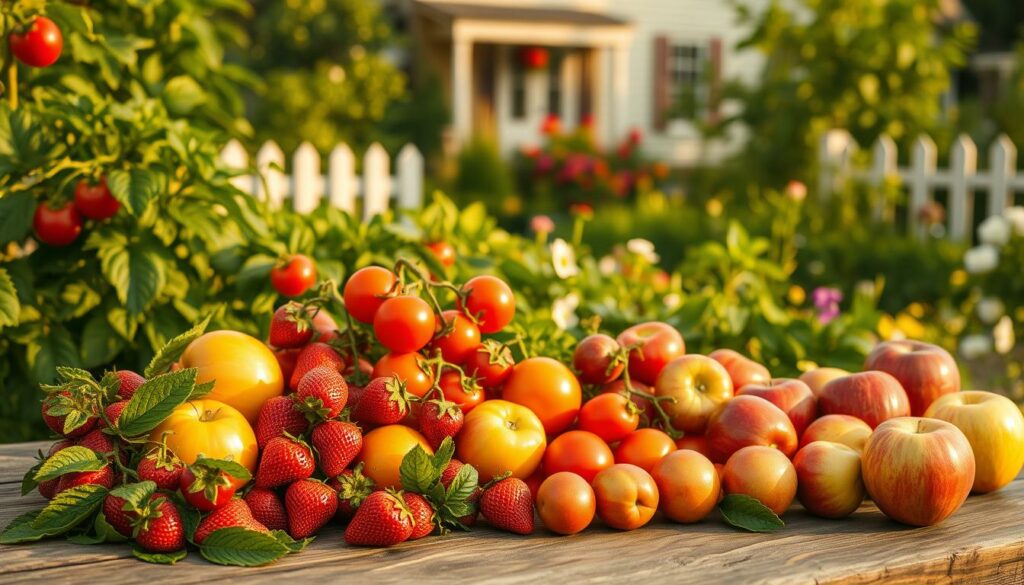
Growing fruits at home rewards gardeners with fresh flavor, savings, and health gains.
Small plots, containers, and a few backyard fruit trees can transform a yard or balcony into a reliable source of produce.
Practical fruit growing tips help beginners set up productive plants without overwhelming effort.
Freshness and Flavor
Fruit picked at peak ripeness keeps its natural sugars and aromas. Vine-ripened tomatoes, tree-ripened peaches, and fresh berries taste very different from supermarket fruit.
Homegrown fruits often arrive on the table within minutes of harvest, which preserves aroma compounds and juiciness.
Cost Savings
An initial outlay for soil, pots, and starter plants pays off over seasons.
Choosing berry canes, perennials, and dwarf trees reduces long-term costs because they yield for many years.
For many households, savings on grocery bills make growing fruits at home a smart financial move.
Health Benefits
Home gardeners who follow organic practices limit exposure to pesticide residues. Fresh fruit from the garden boosts intake of fiber, vitamin C, vitamin A, and antioxidants.
Caring for plants supplies gentle exercise and lowers stress, adding mental and physical benefits beyond nutrition.
Environmental perks appear as well. Shorter food miles and less packaging shrink a household’s footprint.
A well-planned garden supports pollinators like bees and butterflies and can foster community sharing of surplus harvests.
Combining outdoor beds with indoor containers extends access to fresh produce year-round.
Summer berries and patio citrus make it practical to grow fruits at home in many U.S. climates.
Using sensible fruit growing tips helps maximize yield and enjoyment of homegrown fruits.
Choosing the Right Fruits for Your Space
Selecting fruit varieties starts with checking light, space, and climate.
Urban fruit farming requires different priorities than indoor fruit growing.
Apartment dwellers may prefer compact, container-friendly plants. Yard owners can plan for root spread and chill-hour needs.
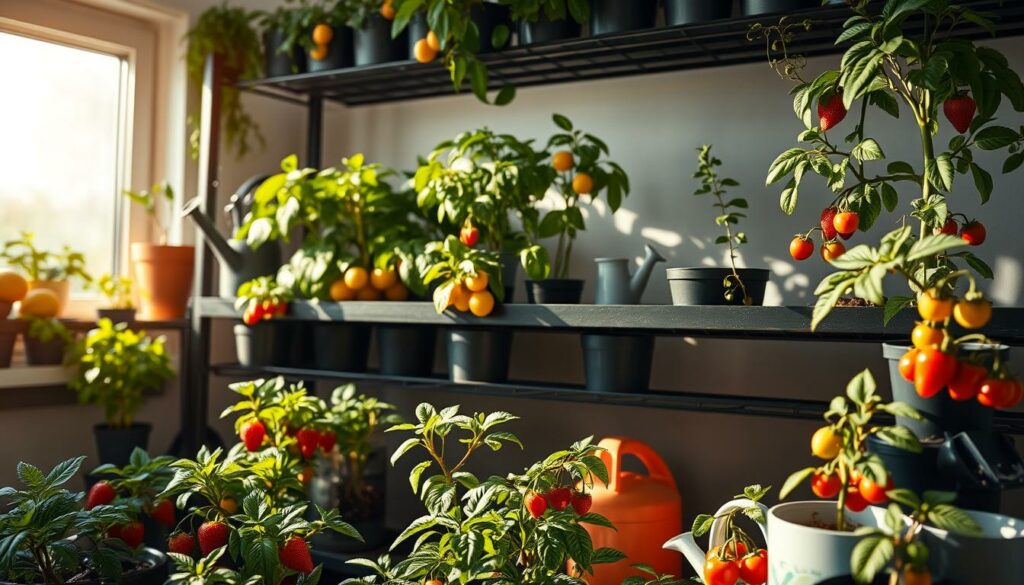
Considerations for Indoor vs. Outdoor
Check available sunlight by noting hours and window direction. South-facing windows help indoor fruit growing.
Supplemental grow lights boost success for indoor fruit cultivation.
Temperature control is important. Tropical plants thrive indoors during cold winters.
Outdoor plants must match USDA hardiness zones and tolerate winter cold.
Pollination varies by setting. Many citrus and figs are self-fertile.
Apples may need a second variety or nearby pollinators.
Hand pollination can help in small indoor setups.
Popular Fruits for Home Gardening
Pick fast-growing, low-maintenance plants for quick rewards. Strawberries and dwarf figs produce fruit quickly.
Berries also grow well in containers and raised beds.
Recommended fruits include strawberries, blueberries, raspberries, Meyer lemon, calamondin, dwarf apples, and dwarf pears.
Also consider peaches on semi-dwarf rootstock, figs, pomegranates, dwarf bananas, and pineapple slips.
These fruits offer variety in flavor and care. Citrus like Meyer lemon fit well in pots for indoor overwintering.
Seasonal Fruit Choices
Plan planting times to match local seasons for steady harvests.
Spring has early strawberries and rhubarb that is used like fruit.
Summer favors berries and stone fruits like peaches and nectarines.
Fall brings apples, pears, and late raspberries.
Winter harvests depend on citrus in warm areas or indoor fruit growing.
Stored apples and pears can extend the season indoors.
Think about bloom time and pollination when mixing varieties.
Plant pollinator-friendly flowers to help increase fruit set in urban farms and gardens.
Understanding Your Growing Environment
Caring for fruit plants starts with a clear view of the site. Light, soil, and climate shape success when growing fruits at home.
Small changes in placement and preparation bring larger yields and healthier plants.
Sunlight Needs
Most fruit crops need six to eight hours of direct sunlight each day. Berries and stone fruits thrive in full sun.
Currants and some figs can tolerate partial shade. Indoor growers should use full-spectrum LED grow lights for 12–16 hours during active growth and bloom.
Keep light intensity and fixture distance proper. Strong light improves flower setting and fruit quality.
Soil Types and Preparation
Soil texture is important. Sandy soil drains fast. Clay holds water. Loam balances drainage and fertility.
Ideal fruit soil is well-draining loam rich in organic matter. Start with a soil test from a Cooperative Extension lab.
Learn pH and nutrient levels. Add compost to boost fertility. Use peat moss to increase acidity for blueberries or lime to raise pH for most fruits.
When native soil is poor, raised beds or containers help control soil structure. These methods make soil preparation easier for home gardeners.
Temperature and Humidity
USDA hardiness zones guide outdoor plant choices. Temperate trees need chill hours for proper flowering and fruiting.
Tropical species like citrus and banana need frost-free zones or indoor overwintering. Relative humidity impacts disease and pollination.
High humidity raises fungal risks. Low indoor humidity can lower pollination and fruit set. Use humidity trays, humidifiers, or ventilated enclosures to balance conditions.
Microclimates and Wind
Microclimates make a big difference. South-facing walls create warm spots good for peaches and figs.
Avoid cold pockets near low areas where frost settles. Wind can harm blossoms and reduce pollination.
Plant windbreaks or place fruit plants near structures to lower wind exposure and protect developing fruit.
- Assess light for daily direct sun and consider supplemental LEDs indoors.
- Test and amend soil with compost, peat, or lime based on results.
- Match plants to climate using USDA zones and chill-hour needs.
- Manage humidity and wind to protect flowers and fruit set.
Container Gardening for Fruits
Growing fruit at home in containers gives gardeners many options for patios, balconies, and small yards. Container gardening suits both beginners and experienced growers. It is great for those who want mobility, season control, or space-saving solutions.
Choosing the right pots, soil, and drainage affects plant health and fruit yield.
Best Containers for Fruit Plants
Plastic pots are lightweight and hold moisture, making them great for hot, windy spots. Terracotta pots breathe well and cool roots but dry out fast, so they need more watering on warm days. Ceramic glazed pots resist cracking and look nice near entrances.
Fabric grow bags help roots grow strong by air pruning and pack flat for easy storage. Size is important for fruit success. Strawberries grow well in 8–12 inch pots. Blueberries need 15–20 inch containers for root space and acidity control.
Dwarf citrus and figs do best in 15–30 gallon containers for multi-year growth. Choose frost-resistant pots and think about insulation or moving them indoors during freezing weather.
Soil Mixtures for Container Gardening
Use high-quality potting mix with compost and perlite or vermiculite to balance air and moisture. For acid-loving berries, pick a peat-based mix with pine bark and perlite to keep pH low and drainage steady. Avoid garden soil because it compacts and blocks root oxygen.
Containers lose nutrients faster than garden beds. Add slow-release fertilizer when planting and top with compost each season. Feed with liquid fertilizer every 4–6 weeks during active growth, adjusting for plant type and container size.
Drainage Solutions
Drainage holes are key to prevent waterlogging and root rot. Put pots on feet or casters to improve airflow under the base. Cover holes with mesh to keep soil in but allow extra water out. Small gravel layers help only if used with good soil mix and not as a hole substitute.
Saucers work indoors but must be emptied to stop standing water. Self-watering containers offer steady moisture, great for busy gardeners. However, they can hide overwatering risks. Check moisture with a finger test or meter to water right for container size and season.
Moving pots helps with winter care. Place heavy pots on casters for easy moving. In cold places, move sensitive fruit plants to garages, sunrooms, or sheltered walls. This helps protect roots from freezes and extends plant life.
| Container Type | Pros | Cons | Recommended Uses |
|---|---|---|---|
| Plastic | Lightweight, affordable, retains moisture | Can degrade in sun; less breathable | Annual fruits, balconies, portable citrus |
| Terracotta | Porous, good root cooling, attractive | Dries quickly, can crack in freeze | Heritage figs, single-season displays |
| Glazed Ceramic | Durable, decorative, holds moisture well | Heavy, can chip or crack | Patio citrus, long-term containers |
| Fabric Grow Bags | Promotes root pruning, breathable, portable | Dries faster, may need more frequent watering | Vegetative root crops, strawberries, tomatoes |
| Self-Watering | Consistent moisture, lower maintenance | Can hide overwatering; limited sizing | Busy gardeners, indoor fruiting plants |
Growing Fruits from Seeds
Starting fruit plants from seed is a rewarding way for gardeners to learn about plant biology and genetic variety. This method takes more time than buying nursery stock. However, it gives hands-on experience and helps grow fruits that adapt well to local conditions.
Selecting high-quality seeds begins with finding reputable suppliers. Companies like Burpee, Baker Creek, and Johnny’s Selected Seeds give clear variety descriptions. Choose seeds that fit your local climate and how you plan to use the fruit.
Heirloom seeds keep true-to-type traits and let you save seeds for future seasons. Hybrid seeds often resist disease or grow stronger. But saved hybrid seeds usually do not breed true.
Germination process follows set steps when done right. Use a sterile seed-starting mix and keep it evenly moist. Many fruit seeds like temperatures between 70–85°F; bottom heat helps keep warmth steady.
Some seeds need cold, moist stratification or scarification to break dormancy. Apples, pears, and some stone fruits usually need a chilling period before they germinate.
Light is important once seedlings emerge. Give bright, indirect light or use grow lights to stop seedlings from growing leggy. Cleanliness in seed trays and good airflow help prevent diseases like damping-off and fungi.
Transplanting seedlings should be done carefully and at the right time. Harden off young plants over 7–14 days to help them adjust to outdoor life. Transplant when seedlings have true leaves and night temperatures suit the species.
Seed-grown fruit tree seedlings may not look or act like the parent plant. Grafting on rootstock is common to keep fruit quality and control size. Trees from seeds take longer to produce fruit than grafted nursery trees. Gardeners who try seed growing learn a lot and help add genetic variety to backyard orchards.
- Choose trusted seed brands and climate-appropriate varieties.
- Use sterile mix, steady warmth, and proper moisture for the germination process.
- Harden off seedlings and be mindful of rootstock versus cultivar realities when transplanting seedlings.
Fruit Plants for Small Spaces
Small yards and balconies can still yield a steady supply of fruit with smart choices and tight planning.
This section shows practical options for compact sites, from compact rootstocks to stacked plantings and pollination strategies.
These ideas fit well with urban life and limited space.
Dwarf and Semi-Dwarf Rootstocks
Dwarf fruit trees use rootstocks that limit their mature size so they fit in containers or small beds.
Common apple rootstocks include M.9 and M.26. M.9 trees typically reach 6–10 feet tall.
M.26 grows slightly larger. Semi-dwarf options fall between full-size and dwarf, offering more yield with modest canopy.
Dwarf trees cut down pruning and harvesting work. They suit patios, raised beds, and small yards well.
Recommended varieties include columnar apples, dwarf peaches, patio cherries, and container-friendly citrus like Meyer lemon.
Pair a dwarf tree with underplanted herbs or strawberries to maximize output per square foot.
Espalier and Climbing Solutions
Training fruit plants flat against a fence or wall saves space and increases sun exposure.
Espaliered trees follow a scaffold pattern starting in year one. Growers tie young branches to horizontal supports.
Prune them annually to keep the form neat and healthy.
Trellises work well for raspberries, kiwifruit, and grapes. In cooler zones, espalier against a south-facing wall gains stored heat.
This method extends the growing season and improves fruit set. Start with a sturdy support and select 2–4 main limbs.
Keep new growth tied until it becomes strong enough to hold itself.
Companion Planting for Productivity
Good companions help pollination, fight pests, or boost soil health around fruit plants.
Plant borage and bee-friendly herbs nearby to attract pollinators. Use nitrogen-fixing legumes at bed edges to feed the soil.
Marigolds can reduce some nematode pests in certain soils.
Avoid crowding plants. Some trees like black walnut release compounds harmful to many fruit plants.
Follow spacing rules to ensure good air flow and light in small beds. If space is tight, pair a dwarf tree in a large container with low-growing strawberries or culinary herbs beneath.
Pollination in Urban Settings
Urban fruit farming needs pollinators but may sometimes lack them.
Plant native wildflowers in containers or strips to attract bees and butterflies. If pollinators are scarce, hand-pollinate blossoms using a soft brush.
Grouping compatible varieties close together also helps increase cross-pollination rates.
| Solution | Best Uses | Benefits | Notes |
|---|---|---|---|
| Columnar Apples | Balconies, small yards | High yield on narrow form, easy pruning | Often self-fertile; pair with pollinator-friendly herbs |
| Meyer Lemon in Container | Patios, sunrooms | Fragrant fruit, compact growth | Protect from frost; use well-draining mix |
| Espaliered Apple or Pear | Against walls or fences | Maximizes sun, extends season on warm walls | Requires early training and annual pruning |
| Trellised Raspberries/Grapes | Raised beds, narrow plots | Vertical fruiting, easy harvest | Needs sturdy trellis and regular cane management |
| Underplanted Herbs & Strawberries | Containers, raised beds with dwarf trees | Better space use, attracts pollinators | Choose shallow-rooted companions to avoid competition |
Maintenance and Care for Fruit Plants
Good maintenance keeps fruit plants productive and healthy. This section covers routines for water, nutrients, and care. Short, frequent checks make big differences in a growing season.
Watering Needs
Deep, infrequent watering helps roots grow strong. Newly planted trees need weekly deep soaks of 10-20 gallons during their first season. Adjust water amounts by tree size and local rain.
Established trees vary by species and climate. Check soil moisture before watering them.
Berries and container fruits like soil moist but not soggy. Drip irrigation or soaker hoses give steady moisture. This also reduces wet leaves, which lower disease risk and water waste.
Fertilization Best Practices
Start with a soil test to guide nutrient use. Many fruit trees do well with a balanced 10-10-10 fertilizer in early spring. Some crops may need a mid-season feed depending on growth and yield.
Use targeted feeding: nitrogen for berries, calcium for apples to avoid blossom end disorders. Blueberries need acidifying feeds. Slow-release organics like compost and blood meal fit beds. Soluble feeds suit containers.
Pruning Techniques
Pruning shapes the plant structure and improves light. It also removes dead or diseased wood and manages fruiting branches. Dormant pruning works well for many temperate trees in late winter.
Summer-fruiting cane berries need heading cuts after harvest. Citrus requires little pruning and should be cut after frost events.
Basic cuts include thinning the center to open it, heading to shorten shoots, and renewal cuts to replace old wood. Use sharp tools and wear eye protection plus gloves to reduce harm to plants and yourself.
Mulch with organic materials like wood chips or straw. This preserves moisture, cools soil, and stops weeds. Keep mulch away from trunks to avoid rot.
Keep a garden journal with planting dates, fertilizer use, pruning steps, pest notes, and yields. Records help improve fruit growing decisions each year.
| Care Item | When | Typical Action | Benefit |
|---|---|---|---|
| Watering | Weekly for new trees; as needed for established | Deep soak 10–20 gallons for young trees; drip for containers | Stronger roots, less disease |
| Fertilization | Early spring; mid-season if crop needs | 10-10-10 or targeted amendments; compost for beds | Balanced growth, better yields |
| Pruning | Late winter dormancy; post-harvest for summer fruiters | Thinning, heading, renewal cuts | Improved light, higher fruit quality |
| Mulching | Spring and refresh as needed | 2–4 inches of wood chips or straw, keep off trunks | Moisture retention, weed suppression |
| Record-Keeping | Ongoing | Log dates, treatments, yields | Better planning and troubleshooting |
Dealing with Pests and Diseases
Fruit planting techniques start with careful observation. Spending a few minutes weekly spotting early problems saves time and fruit later. This section outlines common pests, organic pest control, and disease prevention for fruit plants.
Common Pests in Fruit Gardening
Pests vary by crop and region in the United States. Apples face codling moth and apple maggot. Stone fruits attract plum curculio. Soft fruits like raspberries suffer from spotted wing drosophila.
General attackers include aphids, scale, spider mites, and slugs or snails. Look for leaf curling, bite marks, fruit blemishes, frass, and sticky honeydew. Early detection through weekly checks limits spread and reduces strong controls.
Organic Pest Control Methods
Integrated Pest Management (IPM) uses low-impact tactics. Start with monitoring using pheromone traps and sticky cards to time interventions. Removing fallen fruit, cleaning debris, and pruning for airflow reduce pest habitats.
Physical controls include row covers on small berries, hand-picking insects, and sticky bands on trunks to stop scale. Encouraging beneficial insects like ladybugs, lacewings, and parasitic wasps helps control pests.
Approved sprays aid when infestations grow. Horticultural oils and insecticidal soaps target soft-bodied pests. Bacillus thuringiensis (Bt) works on certain caterpillars. Kaolin clay creates a protective film on stone fruit. Always follow label directions and local guidance.
Disease Prevention Strategies
Cultural prevention is key for fruit diseases. Choose disease-resistant cultivars from local nurseries or university programs. Space and prune plants for airflow and faster drying after rain.
Remove and destroy infected branches and fallen fruit. Rotate plantings in-ground when possible. Use drip irrigation to keep leaves dry and reduce fungal pressure.
Common diseases are powdery mildew, fire blight, brown rot, and botrytis. Symptoms include white powdery growth, wilting shoots, and brown sunken fruit. Prune affected tissue and remove it from the garden.
Copper and sulfur sprays fit organic guidelines for some outbreaks. Check Cooperative Extension recommendations. Follow label rates and timing to protect pollinators and beneficial insects.
Monitoring and Local Resources
Regional advice improves results. Contact local Cooperative Extension offices for pest ID and treatments suited to your climate and crops. Resources like University of California IPM, Cornell, and Penn State offer detailed guides on pests and best practices.
If using synthetic pesticides, apply them sparingly and as labeled. Minimal, targeted use protects pollinators and beneficial organisms for long-term garden health.
Harvesting Your Homegrown Fruits
Timing and care decide if your fruit will taste great or spoil fast. This section shows how to know when fruit is ready. It also explains smart ways to harvest and store fresh fruit.
Signs of Ripeness
Apples feel firm and show their usual color. They also give off a faint sweet smell. Peaches are ripe when they give slightly near the stem and smell strong.
Strawberries turn fully red up to the cap when ready. Blueberries are ready if completely blue and have a light powdery layer. Citrus fruit often changes color and comes off the tree easily.
Pears are different. Many need to be picked a bit underripe. They then ripen off the tree to get the right texture. Knowing these signs helps you get the best flavor and freshness.
Best Harvesting Practices
Use clean, sharp pruners or scissors to cut fruit. Avoid tearing stems to keep fruit fresh. For tree fruits, gently lift or twist to stop bruises.
Harvest in cooler parts of the day to reduce heat stress. This slows the fruit’s breathing and keeps it fresh longer. Soft berries should go in shallow, ventilated containers to avoid crushing. Pick often in peak season to encourage more fruit.
Sort out any damaged or bruised fruit right away to stop decay from spreading. Watch your plants for maturity, weather changes, and pollination success. This lets you plan for good yields and staggered harvesting to get fresh fruit longer.
Storing Fresh Fruits
Most berries last 3–7 days in the fridge on a paper towel-lined tray or in breathable containers. Apples and pears keep longer in cool, humid spots like a basement or crisper drawer. Storage time ranges from weeks to months depending on the type.
Don’t wash fruit until you’re ready to eat it. Remove any damaged pieces to slow down rotting. For bigger amounts, cool fruit fast in the fridge to keep it fresh longer.
Watch out for ethylene gas, which apples produce. It speeds up ripening in other fruits and veggies. Store fruits that make ethylene separately if you want to preserve food longer. These tips help small growers keep flavor and value high.
| Fruit | Ripeness Signs | Harvest Tip | Short-term Storage |
|---|---|---|---|
| Apple | Firm, variety color, sweet aroma | Twist gently; use sharp secateurs if needed | Cool, humid crisper; weeks to months |
| Peach | Slight give at stem, strong fragrance | Lift and twist; avoid squeezing | Refrigerate after ripening; up to 1 week |
| Strawberry | Fully red to the cap | Pick into shallow trays; harvest daily | Paper towel-lined container; 3–7 days |
| Blueberry | Uniform blue, slight bloom | Gently roll off stem into shallow box | Ventilated container in fridge; 1 week |
| Pear | Pick slightly underripe for off-tree ripening | Harvest firm, allow room-temperature ripening | Cool storage slows ripening; weeks |
| Citrus | Color development, easy detachment | Twist or cut stem cleanly | Refrigerate or cool pantry; several weeks |
Preserving Your Fruit Harvest
Home gardeners who want to extend the harvest season can use several safe and reliable methods.
Each method fits different fruits and intended uses. Proven recipes keep preserved goods tasty and shelf-stable.
Many families in the United States grow fruit at home to stock jars, freezer bags, and dried snacks year-round.
Labeling jars with dates and contents helps manage storage and rotation. Gardeners should use USDA or local extension tips for safety.
Canning and Jarring Techniques
Water bath canning suits high-acid foods like berries, jams, and jellies.
Pressure canning is needed for low-acid preserves and pie fillings. Use Ball or USDA-tested recipes carefully for headspace and sealing.
For example, strawberry jam and peach preserves have similar steps: prepare fruit, hot-fill jars, leave correct headspace, and process as recommended.
Store sealed jars in a cool, dark place. Correctly processed jars last 12 to 18 months unopened.
Freezing Fruits for Later Use
Freezing keeps flavor and nutrients with little equipment required. Wash, hull, pit, or slice fruit first.
Treat fruits with ascorbic acid, lemon juice, or sugar to prevent browning and keep texture.
Flash-freeze pieces on a tray to avoid clumping, then pack into airtight bags or containers. Sliced bananas do well with lemon or sugar syrup treatment.
Frozen fruit stays best quality for 8 to 12 months.
Dehydrating Methods
Dehydrated fruits make compact snacks and ingredients. Electric dehydrators give consistent results.
You can also use a low-temperature oven or sun-dry in safe climates.
Slice fruit evenly, about 1/8 to 1/4 inch thick. Blanch or sulfur some fruits to protect color.
Dry fruit until leathery but flexible. Store dried fruit in airtight containers in a cool, dark place.
Value-added products like jams, fruit leather, sauces, and fermented drinks turn extra fruit into shelf-stable items.
Follow local laws for alcoholic fermentations such as cider or wine.
Food safety is crucial. Keep equipment clean and use safe temperatures. Follow USDA or extension guides to avoid risks like botulism.
| Method | Best For | Key Steps | Typical Shelf Life |
|---|---|---|---|
| Water Bath Canning | Berries, jams, jellies, fruit syrups | Use tested recipe, hot-fill, correct headspace, process in boiling water | 12–18 months unopened |
| Pressure Canning | Low-acid preserves, mixed fruit jars, pie fillings | Use pressure canner, follow psi and time for altitude, seal jars | 12–24 months unopened |
| Freezing Fruits | Berries, peaches, cherries, bananas for smoothies | Wash, pit/hull/slice, treat to prevent browning, flash-freeze, bag | 8–12 months best quality |
| Dehydrating Fruits | Apples, apricots, mango, berries | Slice uniformly, pre-treat if needed, dry until leathery, store airtight | 6–12 months in airtight storage |
| Value-Added Products | Jams, fruit leather, sauces, cider/wine | Follow tested recipes, label with date, obey local laws for fermenting | Varies by product; check recipe guidance |
Tips for Successful Home Fruit Gardening
Good fruit growing starts with steady habits. A short weekly checklist helps spot pests, water stress, or nutrient gaps early. Recording bloom dates, frost events, and harvest yields improves decisions over time.
This supports smarter fruit growing tips for both balcony and backyard gardeners.
Regular Observation and Care
Inspect plants regularly for chewing insects, leaf spots, and soil moisture. Simple tasks—mulching, light pruning, and targeted fertilizing—keep roots healthy. They support steady production.
Weekly routines during the season and seasonal maintenance form the backbone of garden care. Dormant pruning and spring feeding are key parts of this.
Learning from Mistakes
Trial and error is normal; poor crops reveal clues about soil, drainage, timing, or variety choice. Gardeners should keep a journal with photos. They must change only one variable at a time.
Small trials reduce risk and speed learning. Testing new cultivars or watering schedules helps gardeners improve fast.
Joining a Gardening Community
Joining a local gardening club, Master Gardener program, or online gardening group speeds progress. Members get regional advice and swap plants at farmers markets. They find reliable cultivars at plant swaps.
Forums like Reddit r/gardening and university extension workshops offer practical tips and real-world troubleshooting. Reliable resources like USDA guides, state Cooperative Extension publications, and university bulletins from Cornell, UC Davis, and Penn State provide research-based guidance.
With patience, planning, and consistent care, anyone can grow fruit at home. They can enjoy fresh produce and build lasting gardening skills.