

More than 60% of U.S. vegetable gardeners report better flavor and lower costs after growing peppers at home. Peppers are one of the most rewarding crops for urban and suburban plots alike.
This guide helps gardeners across the United States learn how to grow peppers both indoors and outdoors. It targets beginners and intermediate growers who want practical, evidence-based tips. Readers will find clear steps for starting seeds, using containers, and transplanting outdoors.
The article covers the full process: understanding pepper varieties, ideal light and temperature, soil prep, and sourcing seeds or seedlings. It explains container sizes, watering, fertilizing, pest control, harvesting, and storing homegrown peppers. The guide also points to topics like indoor grow lights, organic pest control, and methods for canning and freezing.
Benefits of homegrown peppers include fresher flavor, control over pesticides, and cost savings. You can grow both sweet and hot peppers year-round with indoor setups or container gardening. Gardeners who follow these tips can expect healthy plants, steady fruit, longer harvests, and better yields using simple, proven methods.
Key Takeaways
- Growing peppers at home delivers better flavor and saves money compared to store-bought peppers.
- Homegrown peppers can be produced indoors or outdoors with the right light, temperature, and soil.
- Container gardening and indoor grow lights make it possible to grow peppers in small spaces.
- Following basic pepper gardening tips—proper watering, feeding, and pest control—boosts yield.
- This guide walks through varieties, planting, maintenance, harvesting, and preserving peppers.
Understanding the Different Types of Peppers
Peppers grown in home gardens belong to the Capsicum genus. Capsicum annuum includes many common sweet and hot types. Heat is measured by Scoville Heat Units (SHU), which compares spice levels.
Gardeners who want to grow peppers at home should know the botanical differences. This helps when choosing seeds or seedlings.
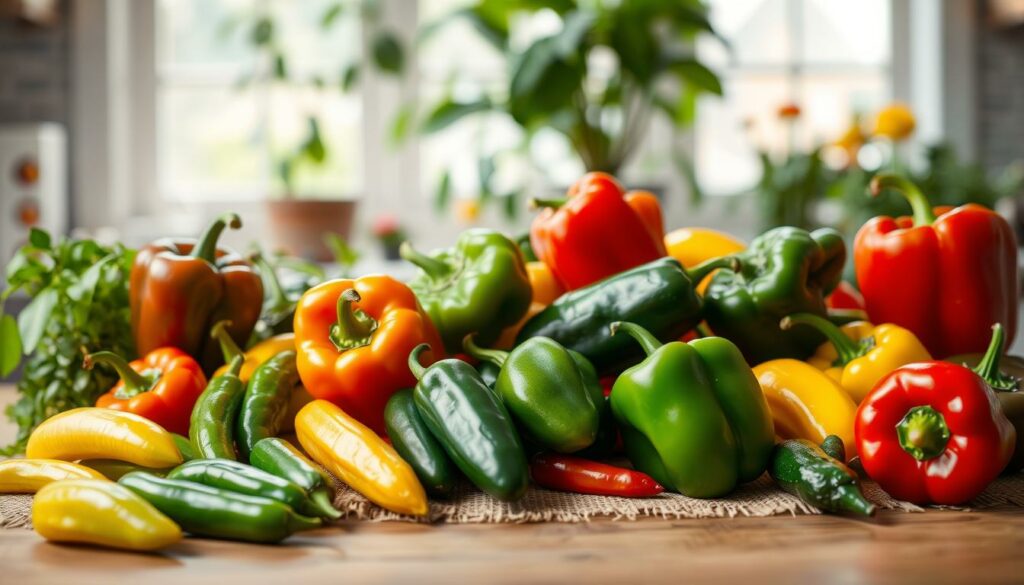
Sweet peppers have low capsaicin and thick walls. Varieties like California Wonder, Big Bertha, and Sweet Banana are great for fresh eating and stuffing. These types grow well in containers and indoor setups, making them ideal for easy pepper growing and good yields.
Sweet Peppers vs. Hot Peppers
Hot peppers produce capsaicin in different amounts. Jalapeño, serrano, cayenne, and habanero range from mild to very hot. Hot peppers usually make smaller fruits and often need more time to ripen fully. Ripeness affects both sweetness and heat. Red or orange peppers generally taste richer than green ones.
Choosing between sweet and hot depends on how you plan to use the peppers. Fresh salads or stuffed peppers often use sweet kinds. Salsas, drying, or hot sauce recipes prefer hotter types. Both types benefit from easy pepper growing techniques to improve success.
Popular Pepper Varieties for Home Gardens
For backyard gardens or balconies, variety choice is important. Sweet options include Corno di Toro and Sweet Banana, known for thick flesh and good yield. Hot types like Early Jalapeño and Jaloro offer reliable flavor. Long Thin Cayenne is great for drying, Caribbean Red habanero for strong heat, and Thai chili produces dense fruit on small plants.
Compact patio varieties like Lipstick, Numex Twilight, and Gypsy fit well in small pots and urban spaces. These cultivars suit gardeners with limited room who want to grow peppers at home.
When picking cultivars, compare days-to-maturity and plant habit. Determinate types finish early and suit short seasons. Indeterminate types produce longer and allow continuous harvest. Choose pepper traits based on whether you plan to dry, pickle, or eat them fresh.
Open-pollinated seeds breed true, making seed saving easy. Hybrids often resist disease and yield more. However, saved hybrid seeds may not grow like the parent plants. Knowing these trade-offs helps you make smart choices and grow peppers successfully with easy methods.
Choosing the Right Growing Conditions
Peppers thrive with light and warmth that match their love of sun. Giving steady bright light and stable temperatures helps outdoors or indoors. Growers who know these basics help plants face less stress and produce more fruit.
Ideal Light Requirements for Pepper Plants
Outdoors, peppers grow best in full sun. They need at least 6 to 8 hours of direct sunlight daily. The afternoon sun helps fruit set and color grow.
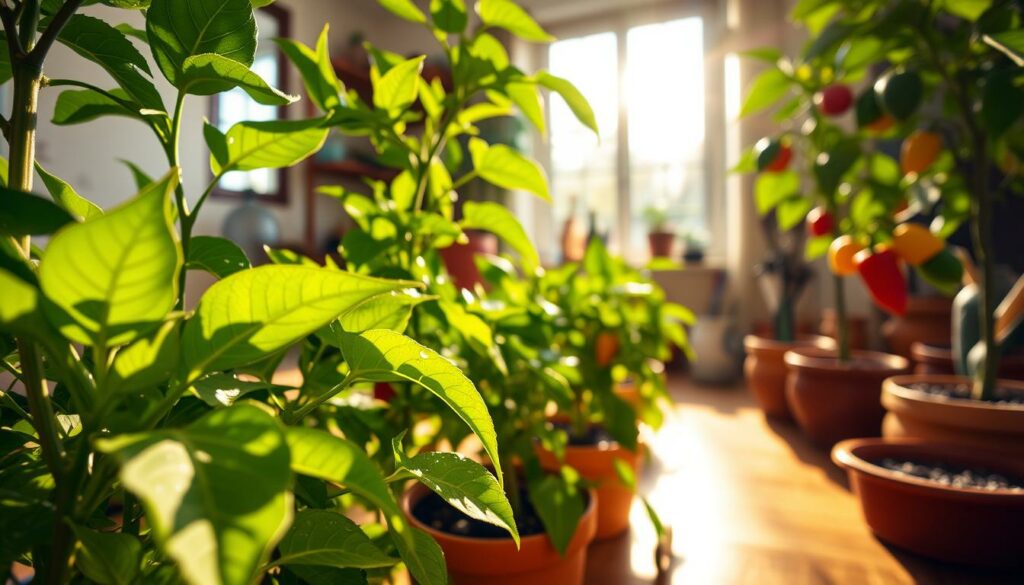
For indoor growing, give 12–16 hours of bright light using full-spectrum LED or fluorescent grow lights. Keep lights 6–12 inches from seedlings, following instructions. Raise the lights as plants get taller.
Not enough light makes stems tall and weak, with few fruits. Window light may work if facing south or west. Use grow lights for north-facing windows or in winter to avoid weak plants when growing peppers indoors.
Temperature Preferences for Optimal Growth
Daytime temperatures of 70–85°F (21–29°C) help peppers grow well. Nighttime should stay near 60–70°F (15–21°C) for steady growth.
Seed germination works best in soil heated to 75–85°F (24–29°C). Heat mats help speed up indoor seed starting and make germination more even.
Cold nights below 55°F (13°C) stunt growth and cause flowers to drop. Heat over 95°F (35°C) lowers fruit set. Use shade cloth in heat waves to protect blooms and peppers.
Tools like cloches, row covers, or black mulch help warm cool spots. Add vents and shade in very hot weather. Use a good thermometer and rotate pots for even light when growing indoors.
| Condition | Optimal Range | Practical Tip |
|---|---|---|
| Daily light (outdoors) | 6–8 hours direct sun | Plant where afternoon sun reaches the plot for better fruit color |
| Daily light (indoors) | 12–16 hours with grow lights | Use full-spectrum LEDs 6–12 inches from seedlings and adjust height |
| Daytime temperature | 70–85°F (21–29°C) | Place containers near southern or western exposure for warmth |
| Nighttime temperature | 60–70°F (15–21°C) | Bring pots indoors or use covers when nights drop below 55°F |
| Soil temperature (germination) | 75–85°F (24–29°C) | Use heat mats for consistent soil warmth during seed start |
| Stress management | Avoid below 55°F or above 95°F | Shade during heat, warm covers during cool spells |
Soil Preparation for Growing Peppers
Good soil is key when growing peppers at home. Peppers need both drainage and moisture retention. This helps roots breathe and get steady water.
Preparing beds or containers before planting saves time. It also reduces stress on young plants.
Best Soil Types for Peppers
Loamy, well-drained soil rich in organic matter works best for garden beds. Test the pH and aim for 6.0–6.8. This keeps nutrients available for the plants.
Avoid heavy clay or compacted soil that holds water. Such soil suffocates roots and harms growth.
For container gardening, choose a high-quality potting mix for vegetables. Brands like Espoma, Miracle-Gro, and Black Gold work well.
Mix in perlite or coarse sand to improve drainage. This prevents roots from getting soggy.
How to Amend Soil for Nutrients
Work 2–4 inches of well-rotted compost or aged manure into beds before planting. This boosts soil fertility and improves structure.
For containers, top the potting mix with a thin compost layer. Or use a compost-rich potting formula.
Use a balanced slow-release fertilizer, such as 5-10-10, to set a fertility baseline. Organic inputs like blood meal and bone meal also work well.
Add rock phosphate or greensand if soil tests show low phosphorus or potassium. Follow soil test recommendations carefully.
Adjust soil pH as needed. Use agricultural lime to raise pH or elemental sulfur to lower it.
For heavy soils, mix in perlite, vermiculite, or coarse sand to improve texture and drainage.
If soil-borne disease is a problem, consider solarizing beds in summer or rotating crops. This helps reduce pathogens.
Get simple soil tests from county extension services or private labs for tailored advice.
Reapply compost each year. Top-dress midseason as plants begin to fruit. This keeps the soil productive and balanced.
Sourcing Pepper Seeds or Seedlings
Deciding whether to start peppers from seed or to buy seedlings depends on timing and variety choice. It also depends on the gardener’s experience. Each option involves trade-offs in cost, control, and effort.
The right choice helps gardeners grow peppers successfully at home. This leads to healthy, homegrown peppers.
Where to buy seeds matters when variety and germination are priorities. Region suitability is also important. Reputable seed companies like Burpee, Johnny’s Selected Seeds, Baker Creek Heirloom Seeds, Seed Savers Exchange, and Ferry-Morse provide clear variety descriptions and region-specific tips.
Local nurseries and garden centers offer region-adapted options and live seedlings. Gardeners can inspect seedlings for vigor in person.
Online marketplaces like Amazon and Etsy list many sellers. Gardeners should choose vendors with verified reviews and clear labeling. The label should distinguish open-pollinated from hybrid varieties.
Seed packets should list days to maturity, expected size, and any disease resistance. These details help plan a garden that will grow peppers successfully.
Starting peppers from seeds offers the widest choice of varieties and best timing control. Seeds cost less and let gardeners try heirloom or rare types. Seeds need warmth, ideally 75–85°F, for best germination.
They typically require six to eight weeks of indoor care before transplanting in most climates.
Buying seedlings speeds up the process for those wanting quick progress outdoors. Transplants save indoor space and reduce time to fruit. Shoppers should pick stocky plants with healthy roots.
Plants should show no signs of being root-bound. Poor nursery handling can cause transplant shock. This delays the harvest of homegrown peppers.
Timing guides when to start and plant peppers. In many U.S. regions, start seeds indoors eight to ten weeks before the last frost. Move plants outdoors after frost danger passes.
Night temperatures should stay above 55°F for safe outdoor planting. Simple tips improve success with either method. Use a sterile seed-starting mix and maintain humidity with clear domes.
Provide bottom heat when possible. Give seedlings bright, steady light to prevent legginess. These practices help gardeners grow a productive harvest of homegrown peppers.
Planting Peppers in Containers
Container pepper gardening suits patios, balconies, and small apartments. It offers flexibility for urban pepper farming. Growing peppers in pots is a good option for gardeners with little ground space.
Choosing the right container and managing drainage are the two most important steps before planting.
Best container sizes for pepper plants
Small and compact pepper varieties grow well in 2–3 gallon pots. These containers fit patio and dwarf cultivars. They keep plants manageable.
Most bell peppers and medium types prefer 3–5 gallon containers. This size provides enough root room and portability for regular care.
Large or heavy-producing varieties do best in 7–10 gallon containers. These bigger pots hold more roots and moisture. This helps yields for larger cultivars or when planting several together.
Choose materials based on climate and watering habits. Terra cotta pots breathe and cool roots but dry out quickly. Plastic and fabric pots keep moisture longer and reduce watering frequency.
Drainage considerations for container gardening
Containers must have enough drainage to avoid waterlogged roots. Use multiple drainage holes. Lift containers on pot feet or bricks to let water escape freely.
A quality potting mix with perlite or coarse sand improves drainage. Do not add a rock layer at the bottom. It creates a perched water table that keeps roots too wet.
For indoor setups, choose saucers but empty them after watering. This prevents standing water and pests. Self-watering planters or reservoirs help keep moisture steady during hot weather.
Check soil moisture with the finger test or a moisture meter. When transplanting, plant seedlings at the same depth as the nursery pot. Firm the soil lightly and water well to settle the mix. Space containers to allow good airflow and reduce disease risks.
Transplanting Peppers Outdoors
Successful transplanting helps pepper plants grow strong. Careful timing and gradual changes reduce shock. This helps gardeners grow peppers with good yields.
Timing for Transplanting
Wait until after the last frost and when nights stay above 55°F (13°C). In cooler areas, wait for soil above 60°F (16°C). Use raised beds or black plastic to warm soil if needed.
In the U.S., timing ranges from late spring to early summer depending on USDA zone. Check local extension office advice to find the best time in your area.
Hardening Off Seedlings Before Placing Outdoors
Hardening off takes 7–14 days. It helps seedlings get used to sun, wind, and temperature changes. Start with 1–2 hours in a shady spot on day one.
Each day, increase outdoor time by 1–2 hours. Add direct morning sun slowly. Bring plants indoors or cover them if nights get too cold.
After transplanting, protect young plants with row covers, cloches, or shade for two weeks. Space plants 12–24 inches apart depending on the variety. Water well at planting and mulch to keep moisture and soil temperature steady.
Watering Techniques for Pepper Plants
Even, steady moisture helps peppers set fruit and grow strong roots. Proper watering stops stress that causes blossom drop and small fruits. Gardeners should read soil and plant cues, not just follow a schedule.
How Often to Water Peppers
Water deeply but less often. This encourages roots to grow downward. In garden beds, aim for 1–2 inches of water per week.
Warm weather may mean watering container peppers daily or every other day. Frequency depends on container size, pot material, wind, heat, soil, and plant size.
Use the finger test or a moisture meter to check the top 1–2 inches of soil. If dry, water. Mulch garden plants with 2–3 inches of organic material to keep moisture and soil temperature steady.
Signs of Overwatering and Underwatering
Signs of overwatering include yellow lower leaves, soft stems, a sour root-rot smell, and wilting despite wet soil. Wet soils block calcium uptake and increase blossom end rot risk.
Underwatering shows as wilting that bounces back after watering, soil pulling from container edges, blossom drop, stunted growth, and smaller fruit. Dry edges appear first in containers.
Fix overwatered plants by letting soil dry, improving drainage, and watering less often. For underwatered plants, water deeply, add mulch, and move containers to sheltered spots.
Irrigation options include drip systems for beds, soaker hoses for efficient watering, and self-watering containers to keep pots moist. These tools help gardeners keep peppers healthy and watering consistent.
| Condition | Typical Sign | Immediate Action | Follow-up Care |
|---|---|---|---|
| Overwatering | Yellowing leaves; soggy soil; bad smell | Stop watering; let soil dry | Improve drainage; reduce watering frequency; repot if root rot present |
| Underwatering | Wilting; soil receding from pot edges; blossom drop | Water deeply until excess drains | Add mulch; increase watering frequency; move container from hot wind |
| Inconsistent moisture | Cracked fruit; uneven growth; blossom end rot risk | Establish regular deep-watering routine | Use drip irrigation or self-watering containers for steady moisture |
| Hot, windy conditions | Fast soil drying; stressed foliage | Increase watering frequency; provide shade if possible | Use larger pots, heavier mixes, and mulch to retain water |
Fertilizing Peppers for Maximum Yield
Peppers do best with steady, balanced nutrients that help flowers and fruits without causing too much leaf growth.
This guide shows gardeners how to fertilize peppers and gives tips to boost yield while keeping plants healthy.
Best Fertilizers for Pepper Plants
Balanced granular blends like 5-10-10 or 8-16-16 work well for fruit development. Trusted brands include Espoma and Miracle-Gro.
They provide steady phosphorus and potassium to promote blooms and pepper growth.
Organic options include compost, well-rotted manure, bone meal for phosphorus, and kelp extract for trace elements.
Fish emulsion and blood meal supply quick nutrients when used carefully.
Slow-release products like Osmocote feed plants for months from one application at planting.
Foliar feeds such as dilute fish emulsion or seaweed spray fix micronutrient problems quickly.
When and How to Fertilize
Before planting, mix compost and balanced fertilizer into soil or potting mix. This helps young roots get nutrients as they grow.
During early growth, give a mild nitrogen boost to build strong stems and leaves.
Once flowers form, switch to fertilizer higher in phosphorus and potassium to favor fruit over foliage.
Apply water-soluble fertilizer every three to four weeks during fruiting, following label instructions.
Container growers should feed lighter but more often to avoid salt buildup.
Side-dress with compost or granular fertilizer midseason. Place amendments 2–3 inches from stems to prevent root burn.
Watch leaf color and fruit growth to adjust feeding amounts as needed.
Use soil tests and close observation to fine-tune nutrition. Add Epsom salts or calcium nitrate if magnesium or calcium is low.
Pepper gardening tips: avoid extra nitrogen once fruiting starts. Rotate fertilizers if plants stop growing well.
Always feed along with consistent watering for best nutrient uptake.
Pest Control and Prevention for Peppers
Keeping plants healthy starts with early prevention and steady monitoring. A strong focus on integrated pest management helps protect homegrown peppers. It also minimizes chemical use.
Good sanitation, proper spacing, and healthy soil reduce pest pressure before it starts.
Common Pests That Affect Peppers
Many insect pests attack pepper foliage and fruit. Aphids, whiteflies, flea beetles, thrips, spider mites, and caterpillars like armyworms feed on leaves and flowers.
Some pests carry viruses that stunt growth and reduce yields.
Root problems can come from nematodes that cause galled roots and poor vigor. Cutworms chew stems at the soil line. Vertebrate pests such as deer, rabbits, and birds take fruit and damage plants when left unchecked.
Organic Pest Control Methods
Cultural practices form the first line of defense. Crop rotation, removing plant debris, and using row covers or trap crops lower pest populations.
Mulches and collars stop cutworms from reaching stems.
Biological options boost natural enemies. Encouraging ladybugs, lacewings, and parasitic wasps helps control aphids and caterpillars. Bacillus thuringiensis (Bt) targets caterpillars without harming beneficial insects.
Organic sprays assist when infestations rise. Insecticidal soaps, neem oil, horticultural oil, and spinosad work against many soft-bodied pests. Follow label rates and time treatments to protect pollinators and predators.
Soil health matters for long-term control. Solarization and adding compost improve structure and drainage. Planting marigolds can reduce some nematode pressure.
When available, choose nematode-resistant rootstocks or varieties.
Regular monitoring keeps problems small. Inspect leaves and undersides weekly, use yellow sticky cards to track flying pests, and hand-pick larger insects when seen.
Early action preserves yields and supports successful pepper gardening tips.
| Problem | Signs | Organic Control | When to Act |
|---|---|---|---|
| Aphids | Curled leaves, sticky residue, ants | Insecticidal soap, ladybugs, strong water spray | At first sight of clusters |
| Whiteflies | Yellowing leaves, tiny white insects that fly up | Yellow sticky cards, neem oil, reflective mulch | While adults are active |
| Flea beetles | Small shot-hole damage on leaves | Row covers, trap crops, diatomaceous earth | Seedling stage and early growth |
| Caterpillars (armyworms) | Large leaf and fruit holes, frass on plants | Bacillus thuringiensis (Bt), hand-picking, parasitic wasps | When chewing begins |
| Spider mites | Speckled leaves, fine webbing | Horticultural oil, predatory mites, increased humidity | At first webbing or stippling |
| Root-knot nematodes | Stunted plants, galled roots | Solarization, organic matter, resistant varieties | Before planting or at planting time |
| Deer and Rabbits | Torn foliage, missing fruit, hoof or chew marks | Fencing, netting, motion-activated lights | Whenever browse appears |
Practices that combine prevention, monitoring, and treatments yield the best results for pest control for peppers. Gardeners who apply organic methods protect plant health and harvest quality. This leads to tasty homegrown peppers.
Harvesting Peppers at the Right Time
Harvesting peppers when they are mature improves flavor and keeps the plants productive. Growers can pick fruits at the green stage or wait for color changes. These colors include red, orange, or yellow, depending on the variety.
This short guide helps with timing, safe cutting techniques, and post-harvest care. It covers homegrown peppers and those grown in pots.
How to Tell When Peppers Are Ready
Visual cues are the easiest way to know when to pick. Fruits should reach the full size typical for the variety. The skin should be glossy and the fruit firm to the touch.
Color change signals ripeness for varieties that mature beyond green. Green peppers are less sweet. Fully colored fruits offer more sweetness and, for hot types, more heat.
Refer to the seed packet or plant tag for days-to-maturity. Weather stress can delay ripening. Expect some variation between plants in the same bed or pot.
Techniques for Safe Harvesting
Use clean scissors or pruning shears to cut the fruit from the plant. Leave a short stem attached to avoid pulling or twisting. This protects branches and helps future yields.
Harvest regularly to encourage more flowering and fruit set. Frequent picking helps plants produce more fruit through the season.
For large harvests, pick in the morning when plants are cool and turgid. Handle fruits gently to avoid bruising. Sort damaged peppers for immediate use.
| Step | What to Look For | Why It Matters |
|---|---|---|
| Visual Check | Full size, glossy skin, firm texture | Indicates proper maturity and best flavor |
| Color Assessment | Green vs. red/orange/yellow depending on variety | Determines sweetness and heat level |
| Cutting Technique | Use scissors or shears; leave short stem | Prevents plant damage and supports future fruiting |
| Harvest Frequency | Pick regularly throughout season | Encourages continuous production |
| Post-Harvest Care | Rinse if needed, dry thoroughly, sort damaged fruit | Extends storage life and preserves quality |
Storing and Preserving Homegrown Peppers
Home gardeners often harvest many peppers and need ways to keep flavor and texture. Cold storage, drying, pickling, canning, and freezing suit different recipes and times. Choosing the right method helps peppers last longer and reduces waste.
Best practices for short-term storage
For crisp bell peppers, refrigeration works best. Wash them only before use. Store whole, unwashed peppers in a plastic bag in the crisper drawer.
This keeps peppers fresh for one to two weeks. For quick use, keep peppers at cool room temperature away from sunlight for two to three days.
Drying and pickling
Small hot peppers dry well. Air-dry them in a ventilated spot or use a dehydrator at 125–135°F until they are brittle.
Store dried peppers in airtight jars to keep them for a long time. Quick pickles made with vinegar brine last several months in the refrigerator.
Pickles safe for room temperature need tested canning before storing.
Freezing peppers
Freezing is simple and great for cooked dishes. Wash, core, and slice the peppers first. Arrange pieces on a baking sheet to flash-freeze.
Then, transfer to labeled freezer bags. Frozen peppers keep good flavor and last eight to twelve months. Use them in soups, sautés, and stews.
Canning considerations
Canning peppers needs care because they are low-acid. Use USDA-approved recipes or advice from Ball Blue Book and local extension services.
Many recipes suggest pickling with vinegar or using a pressure canner. Follow tested procedures for safety and shelf life.
Roasting, oil preservation, and sauces
Roast and peel peppers to store them packed in oil. Keep those jars refrigerated and use soon after opening.
Storing low-acid foods in oil at room temperature risks food safety. Sauces, salsas, and fermented pastes add flavor variety.
Preserve sauces and pastes by freezing or canning only when recipes have the right acidity and method to be safe.
| Method | Best For | Shelf Life | Notes |
|---|---|---|---|
| Refrigeration | Fresh bell peppers for salads and raw use | 1–2 weeks | Store unwashed in a plastic bag in crisper; do not overcrowd |
| Room-temperature short term | Peppers to use within a few days | 2–3 days | Keep cool and out of direct sunlight; best for firm produce |
| Drying | Small hot peppers for flakes and long storage | 1+ year in airtight jars | Use dehydrator or air-dry; store away from light and moisture |
| Pickling (refrigerator) | Quick pickles for sandwiches and snacks | Several months refrigerated | Vinegar brine preserves flavor; no pressure canning needed |
| Canning (acidified or pressure) | Long-term pantry storage and salsas | 1+ year when processed correctly | Follow USDA or Ball Blue Book recipes; low-acid peppers need acid or pressure canning |
| Freezing | Cooked dishes and sautés | 8–12 months | Flash-freeze slices on a tray, then bag; texture softens after thawing |
| Roasting in oil (refrigerated) | Flavorful ready-to-use peppers | Several weeks refrigerated | Do not store at room temperature; risk with low-acid foods |
| Sauces and pastes | Salsas, hot sauces, fermented pastes | Varies by method; freezing or properly canned for long term | Acidity determines safe canning; freezing preserves flavor well |
Troubleshooting Common Pepper Growth Issues
When gardeners troubleshoot peppers, clear observation is the first step. A short journal entry noting variety, planting date, and recent care helps link symptoms to causes.
This section outlines common signs and fixes so they can grow peppers at home with fewer surprises.
Identifying Nutrient Deficiencies
Uniform yellowing of older leaves and slow growth point to nitrogen deficiency. Correct this with a balanced nitrogen feed or blood meal. Avoid overcorrection that spurs leaf growth over fruit.
Purpling of stems or undersides of leaves signals phosphorus shortage. Applying bone meal or rock phosphate and checking soil pH improves phosphorus uptake.
Scorched leaf edges and weak stems suggest low potassium. Amend with sulfate of potash or modest wood ash and add compost for steady supply.
Blossom end rot is sunken brown spots on fruit bottoms caused by calcium issues and uneven moisture. Maintain steady watering and consider calcium nitrate. Avoid high nitrogen rates as they reduce calcium uptake.
Interveinal yellowing means green veins with pale tissue and may show magnesium or iron deficiency. For magnesium, use a light foliar spray or soil drench with Epsom salts. For iron, use a chelated iron product as directed.
Always confirm deficiencies with a soil test before major corrections to prevent new imbalances.
Solutions for Low Fruit Production
Poor fruit set can come from pollination, temperature, nutrition, or crowding. Encourage pollinators with companion flowers and avoid heavy insecticide use. Lightly shake plants indoors or under glass to move pollen.
Nighttime temperatures under 55°F or daytime highs above 95°F reduce fruit set. Use row covers, shade cloth, or passive season extenders to moderate extremes.
Avoid excess nitrogen once plants flower. Switch to bloom-focused fertilizers higher in phosphorus and potassium to promote fruit development. Prune sparingly to open the canopy and stake branches to support fruit.
Keep soil moisture even to prevent blossom drop and disorders like blossom end rot.
Regularly check for root issues, viral symptoms, or heavy pest pressure. Remove and replace severely affected plants and rotate crops yearly. Choose varieties that set well in local climates and avoid overcrowding to reduce competition.
Keeping a concise garden log of dates, applications, and observations makes future troubleshooting faster and more effective.