

Nearly 40% of homegrown produce can be lost due to poor timing and handling. Many gardeners pick by habit, not knowledge. This guide teaches how to harvest vegetables properly to improve yield, flavor, and storage life for backyard gardens and small farms.
Harvesting means more than just picking vegetables. It involves recognizing ripeness and understanding physiological maturity versus culinary ripeness. Good post-harvest handling also plays a key role. Ripeness affects taste, texture, and how long vegetables last after harvest.
Knowing your region’s harvest season is the first step. Plant biology sets the windows for peak quality. Physiological maturity signals full development. Culinary ripeness shows when the flavor is best. Understanding these helps growers know when to pick for fresh eating, processing, or storage.
This section covers core terms: harvest, ripeness, maturity, and post-harvest handling. It explains why correct harvesting is important for gardeners and small producers across the U.S. Simple tips are included to reduce waste and keep quality high.
Key Takeaways
- Harvesting affects yield, flavor, and shelf life—timing matters.
- Differentiate physiological maturity from culinary ripeness to pick appropriately.
- Learn the local harvest season for vegetables to plan harvesting tasks.
- Good post-harvest handling reduces spoilage and preserves quality.
- Use this guide as a practical reference for tips for successful vegetable harvesting.
Understanding the Right Time to Harvest
Knowing when to pick makes a big difference in flavor and storage life. Gardeners who track the harvest season learn specific ripeness signs for better results.
Small notes on timing help maximize vegetable yield during harvest while keeping plants healthy.
Signs of Ripeness for Common Vegetables
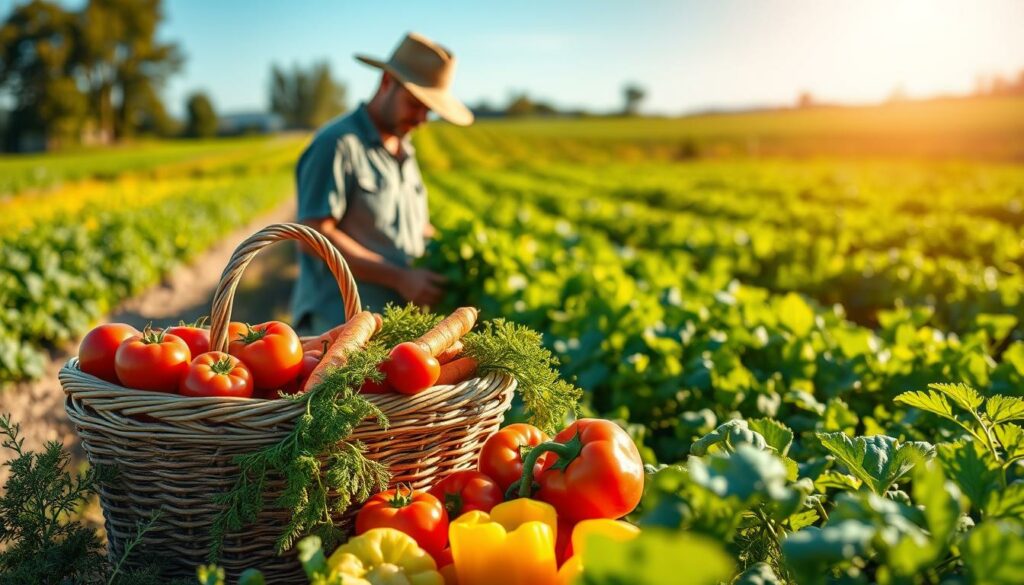
Tomatoes show uniform color and a slight give when gently squeezed. Different types like Beefsteak and cherry have distinct color cues.
Knowing the cultivar helps when learning how to harvest vegetables.
Peppers reach size and color specific to their variety, with glossy skin and a firm feel. Picking at the right color improves taste and storage.
Lettuce and spinach should have full, firm leaves with no bitter edge. Harvesting baby leaves earlier yields tender greens.
This supports maximizing vegetable yield during harvest.
Carrots become recognizable by shoulder width at the soil line, bright color, and a sweet aroma. Leaving them too long causes woody cores and reduced flavor.
Potatoes for new use are dug after flowering. Full maturity shows dying tops and skins that set.
Correct timing protects storage life and quality.
Beans and peas need plump pods before seeds bulge or pods toughen. Picking at that window preserves tenderness.
Cucumbers should show uniform color and firm texture at the length suited to their variety. Overgrown fruit turns bitter and seedy.
Importance of Timing in Harvesting
Harvesting too early cuts flavor and lowers yield. Waiting too long shortens storage life and stresses plants.
Timing affects both immediate quality and the next crop cycle.
Morning harvests use cooler temperatures and higher turgor, reducing wilting. Some crops, like tomatoes at the breaker stage, can ripen off the plant with little flavor loss.
Pest outbreaks, frost warnings, and heat waves should change harvest plans. Pulling at-risk crops preserves produce and saves future yields.
Simple harvest records — date, variety, yield, and quality notes — let gardeners refine timing each year.
This practice improves how to harvest vegetables and supports a consistent harvest season for vegetables.
Tools and Equipment for Harvesting
Good harvests need the right gear. Picking the right tools helps protect crops and makes work faster.
Small farms and home gardeners use a compact set of tools for common vegetable harvesting methods.
Essential Tools for Vegetable Harvesting
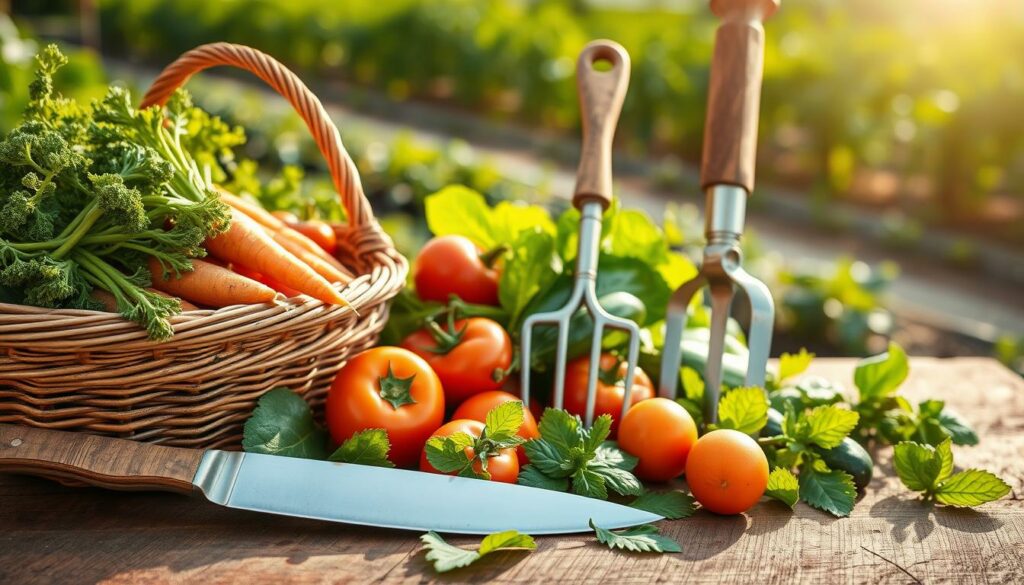
Pruning shears and bypass secateurs make clean cuts on tomato, pepper, and eggplant stems. Brands like Felco and Fiskars have strong blades and comfortable grips for frequent use.
Garden knives and serrated harvest knives work well on squash and tough stems. Sharp knives reduce bruising and speed the harvest.
Hand trowels and spading forks lift carrots and potatoes without cutting them. Use a fork to loosen soil a few inches from roots, then ease produce free.
Harvest baskets, breathable crates, and shallow buckets keep fruits and greens from crushing. Ventilated plastic crates or wicker baskets improve airflow and lower spoilage.
Gloves are important. Lightweight nitrile gloves give sensitivity for herbs and small fruits. Leather gloves protect hands when picking prickly plants or coarse vines.
Scissors and snips are great for delicate herbs and salad greens. Small, sharp snips cut stems cleanly and allow fast, precise harvesting.
Post-harvest tools include soft produce brushes, cooling tubs, and a thermometer. These keep quality after harvest and follow best practices for harvesting produce.
Maintenance of Harvesting Tools
Clean tools after each use. Wash with soap and water, then disinfect between plots. Organic farms use diluted bleach or commercial sanitizers to stop cross-contamination.
Sharpen shears and knives often. Sharp blades make smooth cuts, limit plant injury, and lower disease risk. Use whetstones or handheld sharpeners and follow Felco or Fiskars instructions.
Lubricate pivot points and wipe metal parts to stop rust. Light machine oil or silicone spray keeps tools working well and lasts longer.
Check tools before each season. Tighten loose bolts, replace cracked handles, and remove rusted parts to avoid injury and crop damage.
Store tools in a dry chest or hang them on a wall rack. Label and separate tools for organic and conventional plots to keep compliance and good harvesting practices.
Techniques for Harvesting Different Vegetables
Success at harvest starts with using the right method. Clear, gentle steps protect plants and improve yields. This guide focuses on practical ways to harvest vegetables. It helps keep produce fresh and productive.
Root Vegetables: Carrots and Potatoes
For carrots, loosen soil with a garden fork before pulling to prevent snapping. Pull carrots when their shoulder diameter matches the variety’s size.
If you plan long storage, brush excess soil off carrots. Avoid washing them until use to extend their shelf life.
For potatoes, lift tubers with a fork or spade starting about a foot from the plant crown. This avoids puncturing the potatoes.
New potatoes need only a short cure before eating. Storage potatoes benefit from a 1 to 2 week cure in a cool, dark, and ventilated spot. This toughens their skins.
Lift potatoes slowly to avoid damage. Handle tubers gently. Set aside damaged potatoes for prompt use.
Leafy Greens: Lettuce and Spinach
The cut-and-come-again method works well for lettuce and spinach. Snip outer leaves with scissors and leave the center intact so plants regrow.
This method extends the harvest period. It also helps you get the most from your vegetables.
For head lettuce, cut the head at the base with a sharp knife. Avoid tearing to slow deterioration.
Harvest leafy greens in the cool morning. Place them in shaded containers right away. Then refrigerate them quickly to keep them crisp and reduce bolting risk.
Fruiting Vegetables: Tomatoes and Peppers
Tomatoes can be picked vine-ripe for immediate eating or at the breaker stage for storage or transport. Use a twist-and-pull motion or scissors to prevent stem damage.
Pick peppers when fruits are firm and glossy. Cut with snips to avoid tearing the plant.
Harvesting some peppers earlier can encourage more fruit production. After picking, sort produce by ripeness and use.
Store peppers in the refrigerator when needed. Tomatoes for quick use keep best at cool room temperature to preserve flavor.
| Vegetable | Best Harvest Method | Timing | Post-Harvest Handling |
|---|---|---|---|
| Carrots | Loosen soil with fork, pull gently | When shoulder diameter matches variety | Brush soil off; wash before use |
| Potatoes | Lift with fork/spade starting 1 ft away | After foliage dies back for storage; early for new potatoes | Cure 1–2 weeks for storage; handle gently |
| Lettuce (leaf) | Cut-and-come-again; snip outer leaves | Harvest outer leaves as needed | Shade immediately; refrigerate fast |
| Head Lettuce | Cut at base with sharp knife | When head is firm and full | Keep cool and dry; store in crisper |
| Spinach | Snip outer leaves; avoid center | Before bolting in warm weather | Chill quickly; use within days |
| Tomatoes | Pick vine-ripe or at breaker stage; twist or snip | When color and firmness indicate ripeness | Room temp short-term; refrigerate only if needed |
| Peppers | Cut with scissors; harvest firm, glossy fruit | When desired color and size reached | Refrigerate for longevity; early picks encourage more fruit |
Best Practices for Handling Harvested Vegetables
Proper handling after the harvest keeps flavor, texture, and safety intact. Workers should sort produce in the field to remove damaged items. This helps reduce cross-contamination and supports consistent quality from garden to kitchen.
Cleaning Vegetables Post-Harvest
Brush off excess soil while still in the field for root crops like carrots and beets. For delicate items such as lettuce and herbs, avoid washing until just before use. Moisture speeds spoilage in these cases.
Workers who handle washing should wear clean gloves and sanitize equipment regularly to lower microbial risk. When washing is needed, run cool water over the produce. Use a soft vegetable brush for potatoes and sturdy roots to remove clinging dirt.
Commercial operations may use a mild chlorine rinse within FDA or USDA guidance. Follow local rules when applying chemical sanitizers. Dry produce thoroughly before storage to reduce mold risk and extend shelf life.
For small-scale farms, air-drying racks work well. Larger operations can use sanitized salad spinners or centrifugal dryers for leafy greens. Removing surface moisture helps keep produce fresh longer.
Storage Tips for Fresh Vegetables
Store vegetables in the correct temperature and humidity ranges. Carrots keep best at 32–40°F with high humidity. Tomatoes do well at 55–70°F. Leafy greens prefer 32–36°F and high humidity to stay crisp.
Segregate ethylene producers from sensitive crops. Tomatoes and ripe apples emit ethylene gas, which speeds ripening of lettuce, broccoli, and other fragile items. Separate storage areas or containers prevent premature spoilage.
Choose packaging that balances protection and airflow. Perforated plastic bags maintain humidity for roots and greens. Breathable crates reduce condensation during transport. Avoid overpacking to prevent bruising and pressure damage.
Use short-term refrigeration for most leafy greens and many vegetables. For longer storage, keep root crops like potatoes and carrots in cool, dark cellars or crisper drawers set to the right humidity. Label containers with the harvest date and rotate stock by FIFO so older produce is used first.
Following these steps aligns daily practice with how to harvest vegetables to preserve quality. Clear protocols, clean equipment, and good storage conditions reflect best practices for harvesting produce. They help protect the harvest from field to table.
Common Mistakes to Avoid When Harvesting
Harvest time brings both joy and risk. Gardeners who follow practical tips reduce losses and protect future crops. This guide highlights common harvesting mistakes with trusted advice for success.
Overripe vs. underripe vegetables
Picking too early gives bland, firm produce. Underripe root crops often stay small and lack flavor. Letting fruits overripen causes mealy texture and invites pests.
For example, overripe tomatoes may split and attract insects. Overmature green beans turn woody and tough. When possible, turn soft tomatoes into sauce.
Slightly overripe cucumbers can be pickled. Eat soft fruits immediately to avoid waste. These tips reduce loss and improve your kitchen results.
Damaging plants during harvest
Tugging or tearing vines stresses plants and lowers future yields. Broken stems and torn roots invite disease. Cutting too close to the crown can kill perennials.
Always use sharp tools and avoid blunt ones that crush tissue. Lift root crops with a garden fork first to loosen soil. Teach helpers gentle handling to limit damage and boost plant health.
Environmental and timing errors
Harvesting in waterlogged soil causes compaction and root damage. Picking during extreme heat raises wilting and shortens shelf life. Work in cool mornings when produce is firm and soil is workable.
Practical checklist to avoid common harvesting mistakes
- Check crops for ripeness signs specific to each vegetable.
- Use the right tools: pruners for stems, forks for roots.
- Cut rather than pull when you want regrowth.
- Harvest during cooler parts of the day to keep texture and flavor.
- Quickly salvage overripe items by making sauce, pickles, or eating them.
Careful harvesting preserves flavor, cuts waste, and supports ongoing growth. These vegetable harvesting techniques and avoiding common mistakes improve taste and garden productivity.
Strategies for Sustainable Harvesting
Careful planning and steady habits help gardeners protect soil while achieving sustainable harvesting. Small, repeatable steps improve garden health. These steps support long-term productivity.
The focus below covers soil care and planning that lead to steady yields.
Practices to Maintain Soil Health
Cover cropping with legumes or grasses during fallow months adds organic matter and fixes nitrogen. Planted covers limit erosion and feed microbes that boost soil life.
Apply well-aged compost to beds in early spring and after main harvests. A thin, even layer of 1/2 to 1 inch works for most vegetable patches. Compost improves water retention and soil structure for better harvests.
Use reduced tillage to protect soil structure and beneficial organisms. Instead of deep plowing, lift roots with a shallow fork for root crops. Loosen soil gently around plants.
Mulch with straw, shredded leaves, or landscape fabric to conserve moisture and suppress weeds. Mulching keeps soil temperature steady. This supports steady plant growth and quality harvests.
Crop Rotation and Its Benefits
Group crops by family and rotate them on a three- to four-year cycle. Move Solanaceae, Cucurbitaceae, Brassicaceae, and Fabaceae to different plots each cycle. Rotation breaks pest and disease cycles.
Rotation reduces soil-borne pests and balances nutrients. Plant legumes before heavy feeders like tomatoes or corn. This replenishes nitrogen naturally and helps maximize vegetable yield.
Keep a simple garden map to note prior-year plantings for rotations. Remove crop residues and add habitat for beneficial insects. These practices improve pest management and support sustainable harvesting.
How to Harvest Organic Vegetables
The harvest stage links fieldwork to the kitchen. Growers must blend careful timing with strict handling to meet USDA National Organic Program standards.
Clear records, separation of organic and conventional lots, and clean tools protect product integrity during harvest.
Organic certification and harvesting
Certification requires thorough record-keeping for every pick. Harvest logs should note date, field ID, crew, and any inputs used.
Labels on crates and tote bins keep batches traceable. Segregation of organic produce during transport and storage prevents commingling and preserves market access.
Sanitation choices must follow NOP rules. Use only allowed sanitizers and document their use.
Check current USDA guidance before adopting new post-harvest inputs. This helps stay compliant and avoid prohibited substances during handling.
Pesticide-free harvest techniques
Routine scouting reduces the chance of harvesting pest-damaged vegetables. Inspect plants early in the morning when pests are easier to spot.
Remove diseased material and compost it well away from harvest areas to limit spread.
Physical controls protect yields without chemicals. Hand-picking pests, installing row covers, and planting flowering companions attract beneficial insects to lower pest pressure.
These approaches form the backbone of pesticide-free harvest techniques.
Gentle handling and immediate cooling lower post-harvest losses. Small-scale growers can use shaded crates and cold water dips.
Larger operations may use hydrocooling and maintained refrigeration. Clean equipment and potable water are essential; approved organic sanitizers may be used where permitted.
Producers who follow organic vegetable harvesting methods and prioritize careful hygiene and traceability will maintain quality while meeting organic labels.
Clear logs, separated storage, and nonchemical pest controls help ensure a pesticide-free harvest technique from field to market.
The Role of Climate in Harvesting Techniques
Climate shapes when and how crops are picked. Farmers and gardeners must tune their plans to local weather and soils. This helps get the best results during the harvest season for vegetables.
Adapting Harvesting Methods Based on Region
Coastal areas often have mild, humid conditions that slow crop maturity. Growers in California or the Gulf Coast may harvest at different stages. Inland zones require different timing.
In the South, early harvesting before summer heat protects heat-sensitive crops. In the Pacific Northwest, mid-day harvesting reduces moisture on leaves and lowers disease risk.
Soil temperature and moisture change how roots are removed. In compacted clay, tools like forks must lift carrots and potatoes gently. This avoids breaking them.
Sandy soils let gardeners hand-pull many crops with less damage. Local moisture also affects cleaning. Wetter soils need extra brushing and drying before storage.
Pest and disease pressure vary by region and alter harvest timing. In the Southeast, tomato hornworm outbreaks push growers to inspect plants more often. They harvest ripe fruit promptly to prevent losses.
Knowing a regional pest calendar helps schedule harvest frequency. This prevents crop damage and loss from pests.
Seasonal Adjustments for Optimal Harvesting
Spring brings cool-season crops like lettuce, spinach, and peas. Frequent, light harvests encourage regrowth and extend yields. Protecting tender transplants from late frosts is still important.
Summer demands fast responses for quick-maturing crops like beans and summer squash. Picking early in the morning lowers heat stress on produce. This also preserves texture and flavor.
Rapid harvesting stops overripening and limits pest damage. Growers must act quickly during the hot months.
In fall, growers plan final picks before the first hard frost. Storage crops like winter squash and sweet potatoes need warm, dry days for curing. Proper timing ensures better storage through colder months.
Winter harvesting is possible in many places using season extension tools like hoop houses and cold frames. These methods let gardeners collect hardy greens and stretch production.
Surplus harvests from extended seasons require adjusted storage strategies. This prevents spoilage and waste.
Adapting harvesting methods by region and season helps growers respond to local conditions. This approach maximizes yield, quality, and the harvest season for vegetables.
Tips for Harvesting with Kids
Harvesting with children turns garden work into a hands-on lesson. Short activities help keep their attention and build good habits. Assign clear roles so each child knows what to do and feels proud.
Safe Practices for Involving Children
Supervise children closely and give tasks that fit their age. Younger kids can pick ripe strawberries or snap beans. Older children may cut herbs with child-safe scissors and adult supervision.
Provide child-sized gloves and sun hats. Teach them how to care for tools and avoid sharp knives. Keep first-aid supplies handy and show where they are kept.
Set clear boundaries around tool storage, water containers, and raised beds. Explain why stepping on plots or climbing supports can harm plants and people.
Make hygiene a routine. Have children wash hands before and after harvesting. Explain why rinsing produce before eating helps reduce germs.
Educational Opportunities During Harvesting
Use harvest time to explain plant life cycles. Show seeds, seedlings, mature plants, and the food they provide. Point out ripeness signs and explain why timing matters for taste and yield.
Offer simple nutrition lessons with taste tests. Compare fresh-picked vegetables to store-bought ones. Let kids describe flavors and textures to build awareness of seasonal eating.
Incorporate basic math and record-keeping. Older children can count harvested items and weigh yield. They can also log dates in a garden journal to reinforce literacy and numeracy skills.
Encourage ownership with small projects, like a personal row or container. Turn harvested produce into easy cooking activities. This rewards effort and builds confidence.
| Age Group | Recommended Tasks | Safety Gear | Learning Focus |
|---|---|---|---|
| 3–5 years | Pick soft fruits, snap beans, collect herbs | Child gloves, sun hat | Observation, sensory tasting |
| 6–8 years | Harvest lettuce, pull small carrots, sort produce | Gloves, child-safe scissors | Counting, basic plant parts |
| 9–12 years | Use small scissors for herbs, weigh produce, log yields | Gloves, eye protection if needed | Record-keeping, seasonal planning |
| Teens | Lead tasks, teach younger kids, handle tougher harvesting | Standard gardening gloves, proper tools with supervision | Responsibility, project management |
Conclusion: Enjoying the Fruits of Your Labor
After a season of careful planting, tending, and harvesting, the real reward is fresh vegetables on the table. They show why learning how to harvest vegetables matters. Flavor, texture, and nutrition are best when picked at the right time.
Gardeners are encouraged to taste, share, and savor small harvests with family or neighbors. Surpluses can support local food banks.
Small celebrations can deepen satisfaction. Host a harvest meal focused on the season’s bounty. Preserve extras by canning or freezing. Document wins with yield notes and photos to guide next year’s plan.
Proper storage of freshly harvested vegetables keeps them fresh longer. Remove field soil and cool produce promptly. Follow storage guidelines to maintain peak freshness.
For gardeners wanting to improve skills, reliable resources include the USDA National Agricultural Library and county Cooperative Extension services. State university extensions like Cornell and University of California Agriculture and Natural Resources also help. Recommended reading includes The Vegetable Gardener’s Bible by Edward C. Smith and practical guides from ATTRA Sustainable Agriculture.
Manufacturer maintenance guides from Felco and Fiskars offer help with tool care. Online extension webinars, Master Gardener programs, and horticulture forums give region-specific advice and community support.
By keeping notes, experimenting with timing and technique, and consulting trusted resources, gardeners can improve yields season after season. Enjoying the process makes gardening even more rewarding.