

Nearly 40% of American households want to grow some of their own food. Many never try. Kitchen gardens are one of the easiest ways to bring fresh flavor home.
This guide shares practical kitchen garden ideas and offers step-by-step advice. You can start a garden on a sunny windowsill, small balcony, or backyard plot.
A kitchen garden can be indoor, balcony-based, container-based, or in-ground. It previews design choices and DIY kitchen garden ideas.
Readers learn what to expect from planning through planting, maintenance, pest control, harvesting, and preservation.
This guide helps you grow fresh herbs and vegetables, save money, and reduce food miles. It also improves home cooking.
It suits small spaces and scales up for larger yards. Homeowners, renters, apartment dwellers, and community gardeners will find useful tips.
Readers meet common starter tools and supplies. These include containers, potting mix, seeds or seedlings, hand tools, fertilizer, and grow lights.
The article covers benefits, site selection, plant choice, garden layout, soil preparation, planting techniques, pest management, watering, maintenance, and harvesting.
It also explains how to preserve produce after harvesting.
Key Takeaways
- Kitchen gardens can fit any space — from windowsill to backyard — and suit beginners and experienced gardeners alike.
- Simple supplies like containers, potting mix, seeds, and basic tools cover most DIY kitchen garden ideas.
- Smart kitchen garden design starts with light, access, and soil — covered in later sections.
- Growing herbs and vegetables saves money, cuts food miles, and boosts home cooking quality.
- This article provides a full, step-by-step path from planning to preservation for kitchen gardeners in the United States.
Benefits of Having a Kitchen Garden
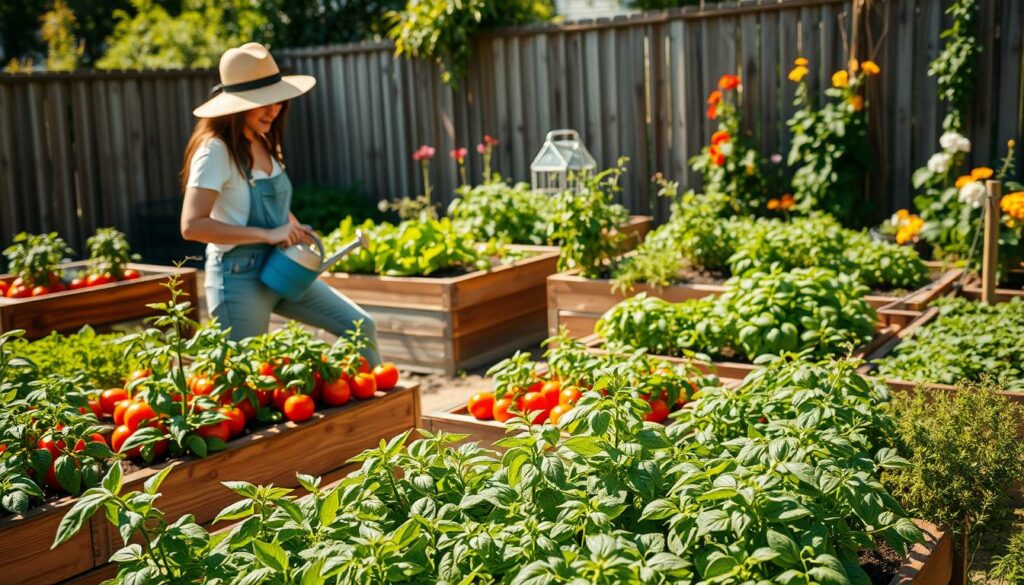
Growing edibles steps from the stove brings practical rewards and daily joys. A well-tended plot or container makes cooking easier and saves money. It also reduces a household’s environmental footprint. These benefits apply to windowsill herb patches, balcony planters, or compact raised beds.
Fresh produce at your fingertips
Freshness matters for taste and nutrition. Plucking basil, parsley, cilantro, or thyme before use yields brighter aroma and more vitamins than store-bought options. Quick-harvest greens like salad mixes, arugula, and baby spinach let cooks add crisp, nutrient-rich leaves to meals on demand.
An herb garden encourages experimenting with flavors and makes home cooking more appealing.
Cost savings on groceries
Growing high-value items cuts grocery bills. Microgreens, basil, cherry tomatoes, and herbs offset the cost of pots, soil, and seeds within one or two seasons. Focusing on herbs and vegetables that cost more in stores gives the best return on investment.
Environmental benefits
Home growing reduces food miles and packaging waste. A kitchen vegetable garden lowers carbon emissions tied to transport and refrigeration. Adding flowering herbs and companion plants supports bees and other pollinators, boosting biodiversity.
Water-saving techniques like drip irrigation and mulching reduce overall resource use.
Health and wellness advantages
Tending plants promotes light exercise and stress relief. Research links regular gardening with improved mood and higher fruit and vegetable intake. A small kitchen garden helps families eat more fresh produce without major lifestyle changes.
Accessible for renters and urban dwellers
Designs for balconies, windowsills, and compact patios fit many living situations. Portable containers and vertical systems let renters grow herbs and vegetables without permanent changes. This approach brings kitchen garden benefits to city residents and people with limited outdoor space.
Choosing the Right Location
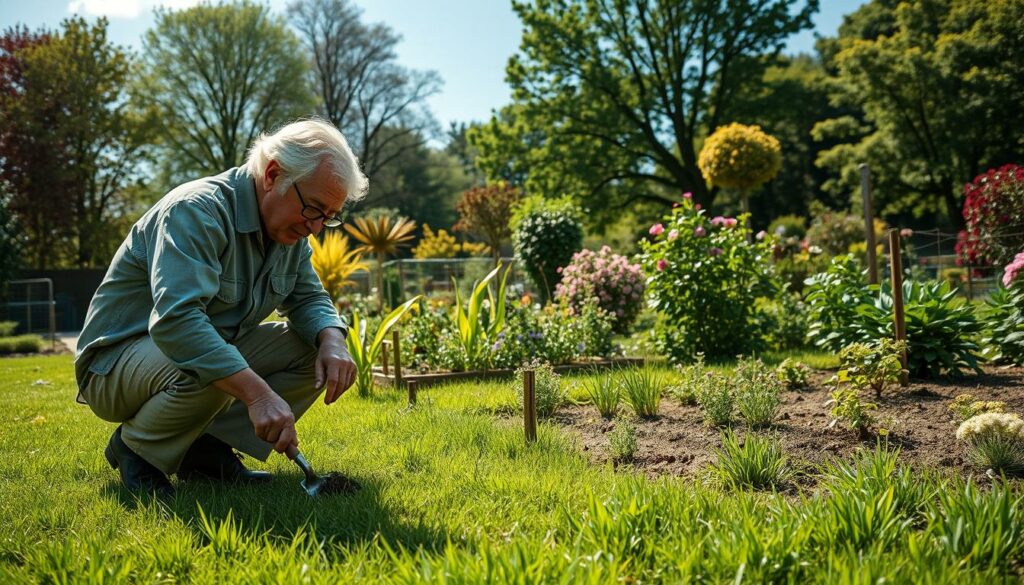
Picking a spot for your kitchen garden shapes everything that follows. Light, access, and soil set basic limits. Microclimate and building rules add more details.
The tips below help gardeners choose a spot that fits their lifestyle and plants.
Sunlight Needs
Most culinary herbs and vegetables need 6–8 hours of direct sun each day. Leafy greens like lettuce and spinach tolerate partial shade.
They do well with 3–4 hours of direct light daily.
For indoor or balcony gardens, south- or west-facing windows provide the best natural light. If sunlight is low, use LED full-spectrum grow lights.
Seedlings benefit from 12–16 hours of light daily. Mature herbs usually need about 6–8 hours, with small changes by species.
Accessibility and Convenience
Place the garden near the kitchen for quick harvesting. Easy access encourages regular snipping and cuts down waste.
On balconies or patios, consider carrying heavy pots and watering. Put containers near water or use lightweight materials.
Indoor garden owners should protect surfaces with drip trays. Use stable stands or shelves for safety. Good drainage and weight support help prevent spills and damage.
Soil Quality Considerations
In-ground plots should start with a soil test for pH and nutrients. Most vegetables prefer a pH between 6.0 and 7.0. Home kits like Rapitest are useful. Local Extension offices offer lab tests and advice.
Containers and raised beds need high-quality potting mix. Look for blends with compost, peat moss or coconut coir, and perlite for drainage. Pick mixes made for edibles.
Add compost and coarse sand or gypsum to heavy clay soil to improve it. For sandy soil, add organic matter and use slow-release fertilizers to hold nutrients and moisture.
Balconies can create wind tunnels. Use windbreaks or heavy containers to keep pots steady.
Indoor humidity and temperature affect tropical herbs. Many herbs grow well between 65–75°F with moderate humidity.
| Factor | Best Options | Practical Tip |
|---|---|---|
| Sunlight | 6–8 hours direct for most; 3–4 hours for some greens | Use south- or west-facing windows; supplement with LED full-spectrum lights |
| Access | Near kitchen or water source | Place on stable surfaces; use drip trays for indoor kitchen garden |
| Soil | Tested in-ground soil; high-quality potting mix for containers | Use Rapitest kits or Cooperative Extension services for testing |
| Wind & Weight | Wind-protected balconies; weighted containers | Check HOA rules and building weight limits before large setups |
| Temperature & Humidity | 65–75°F for many herbs; stable indoor conditions | Use humidifiers or trays of water for tropical varieties |
Selecting What to Grow
Choosing the right mix of herbs and vegetables begins with clear goals: fresh flavor, quick harvests, or year-round interest.
For small spaces, pick plants that suit containers and limited sunlight. This makes a kitchen garden plan work fast.
This short guide helps gardeners match plant habits to light, water, and container size.
Popular herbs and their needs
- Basil — warm, sunny spot; steady moisture; 6–8 inch pots for single plants.
- Parsley — partial sun to sun; consistent watering; 8–10 inch containers.
- Cilantro — prefers cooler conditions; moderate water; shallow containers work.
- Chives — tolerates partial sun; regular watering; 6–8 inch clumps.
- Rosemary — full sun; well-drained soil; less-frequent watering; deeper pots to support roots.
- Thyme — sun and excellent drainage; sparse watering; small pots fine.
- Oregano — sun to part sun; moderate water; roomy pot to spread.
- Mint — likes sun to part shade; keeps moist; must be isolated in its own container to prevent invasion.
Vegetables friendly to beginners
- Lettuce and salad mixes — fast growers, harvest in 30–45 days, ideal for shallow boxes.
- Radishes — 25–30 days to harvest, small spacing, perfect for quick results.
- Spinach — cool-season crop, harvest baby leaves early, grows well in containers.
- Baby carrots — need deeper pots but compact varieties suit balconies and small beds.
- Cherry tomatoes — 60–70 days; choose determinate or patio varieties for a kitchen vegetable garden.
- Peppers — 60–80 days; compact cultivars fit pots and produce well on sunny windowsills.
- Bush green beans — space-efficient, steady yields in containers with support.
Seed versus seedling
Start quick crops like lettuce, radishes, and carrots from seed to save money and control timing.
For longer-season crops such as tomatoes and peppers, buy healthy transplants. This speeds harvest and reduces early losses.
This mix helps balance instant results with long-term production when selecting plants.
Companion planting tips
- Basil with tomatoes — improves flavor and can deter some pests.
- Marigolds near beds — help reduce nematodes and certain insect pests.
- Chives planted by carrots — may repel carrot rust flies.
- Avoid placing fennel near most vegetables; it can stunt neighboring growth.
Choosing compact varieties
For a herb garden for kitchen or a vegetable garden in kitchen spaces, choose dwarf basil, determinate tomatoes, and compact pepper cultivars.
These varieties save space and simplify care.
Gardeners who follow these kitchen garden ideas will maximize yield and reduce clutter while keeping plants healthy and productive.
Designing Your Garden Layout
Good kitchen garden design starts with a simple plan. It should match your space, sunlight, and harvest frequency.
A clear layout places taller crops where they won’t shade shorter herbs. Group plants by water needs for efficient irrigation.
Sketching a layout on paper saves work later.
Raised Beds vs. In-Ground Gardens
Raised bed gardens lift soil to improve drainage and reduce compaction. They warm earlier in spring, extending the planting season.
Raised beds are gentler on the back and make weeding simpler.
In-ground planting costs less upfront. It uses native soil and supports large root systems if the ground has good structure.
In-ground plots may need more soil amendments to match raised beds’ fertility.
Recommended bed height varies by crop. Use 6–12 inches for herbs and shallow-rooted vegetables.
Choose 12–24+ inches for carrots, beets, and other root crops. Durable materials include cedar, redwood, composite boards, or galvanized steel.
The USDA Cooperative Extension recommends firm construction and adequate soil depth for long-term success.
Vertical Gardening Ideas
Vertical gardening helps small spaces produce more. Trellises support peas and pole beans. Lattices and chain-link attach climbing tomatoes and cucumbers.
Wall-mounted pocket planters and hanging baskets grow herbs and strawberries.
Pallet gardens and stackable planters use narrow balconies well. Check load limits before mounting heavy containers on walls or railings.
Place vertical faces to catch sun most of the day. Use top-down watering, drip irrigation, or soaker lines to reduce dry spots.
Container Gardening Options
Container gardens include terracotta, plastic, fabric grow bags, and self-watering pots. Terracotta cools roots but dries fast. Plastic holds moisture and weighs less.
Fabric pots air prune roots and stop circling.
Match container size to plant needs: 6–8 inch pots for herbs, 1–3 gallon containers for small vegetables, and 5–10 gallon or larger for big plants.
Ensure drainage holes and use saucers or trays. Use quality potting mix, not garden soil, to keep plants healthy.
Balcony gardens benefit from lightweight containers and vertical supports. Small terraces can include stackable planters or railing boxes.
Placing planters near kitchen doors improves access and encourages daily care.
Below is a quick comparison to guide choices based on space, cost, and maintenance.
| Layout Type | Best For | Typical Cost | Maintenance |
|---|---|---|---|
| Raised bed kitchen garden | Moderate space, gardeners who want easy access | Moderate to high (materials like cedar or steel) | Moderate: fill soil, annual mulch, occasional rebuild |
| In-ground garden | Larger yards with good native soil | Low to moderate | Higher early effort: soil amendment, tilling |
| Vertical gardening (trellises, wall planters) | Small plots, balcony kitchen garden, maximizing yield | Low to moderate | Moderate: training vines, checking irrigation |
| Container kitchen garden | Patios, balconies, window sills | Low to moderate (varies by pot type) | Higher: more frequent watering, potting mix refresh |
Preparing the Soil
Good soil is the foundation for a healthy kitchen garden. Testing soil quality is important before planting. Adding organic matter improves soil and boosts yields in garden beds and containers.
Testing Soil Quality
Home pH kits like Rapitest and Luster Leaf give quick pH and nutrient readings. For detailed info, send soil samples to your local Cooperative Extension. Most herbs and vegetables do best with pH between 6.0 and 7.0.
If soil is too acidic, sulfur can lower the pH. If it’s too alkaline, lime will raise the pH. Test results show how much to add and the fertilizers you need.
Amending the Soil with Organic Matter
Mix well-rotted compost, aged manure, or leaf mold into soil to improve its structure and fertility. For raised or in-ground beds, add 2 to 4 inches of compost into the top 6 to 12 inches.
For containers, mix a quality potting soil with 20 to 30% compost and perlite or pumice. This improves drainage. Organic amendments like composted manure, kelp meal, or bone meal give slow-release nutrients.
Fish emulsion feeds plants quickly with liquid nutrients. Use balanced granular organic fertilizers, such as a 5-5-5 formula, following package directions. Match fertilizer use to soil tests to avoid over-fertilizing.
Best Practices for Soil Preparation
Remove weeds and large roots before planting. Loosen compacted soil to suit the root systems of your plants. In clay-heavy soil, add lots of organic matter and gypsum instead of tilling too much.
Sandy soils need frequent compost to hold water. Avoid using unsterilized garden soil indoors to prevent diseases. Pasteurize suspect soil by heating or use clean commercial mixes.
Rotate crop families each season to reduce pests and disease build-up. These practices keep your garden healthy and productive.
| Task | Recommended Materials | Application Rate | Notes |
|---|---|---|---|
| pH testing | Rapitest, Luster Leaf, Cooperative Extension kit | Follow kit instructions or extension guidance | Target pH 6.0–7.0 for most herbs and vegetables |
| Improve structure | Well-rotted compost, leaf mold | 2–4 inches mixed into top 6–12 inches | Applies to raised beds and in-ground planting |
| Container mix | Container potting mix, compost, perlite/pumice | 20–30% compost plus drainage amendment | Use sterilized mixes for indoor containers |
| Fertility | Composted manure, blood meal, bone meal, kelp | Follow product rates; adjust with soil test | Prefer slow-release organic options |
| Clay correction | Gypsum, large amounts of organic matter | Amend annually as needed | Avoid excessive tilling to preserve structure |
| Sterilization | Heat pasteurization or commercial mixes | Pasteurize suspect soil before indoor use | Reduces soil-borne pathogens and pests |
Planting Techniques and Timing
Getting planting timing right helps a kitchen garden thrive. Gardeners should match crop needs to local frost dates and USDA zones.
This section covers practical timing, starting seeds, and tips on planting depth spacing for common herbs and vegetables.
When to Plant Common Herbs and Vegetables
Warm-season crops such as tomatoes, peppers, and basil go in after the last frost. For many U.S. zones, transplant seedlings when nighttime temperatures stay above freezing.
Cool-season crops like lettuce, spinach, peas, and radishes tolerate chill. Sow them earlier in spring or again in fall.
Start cool-season sowing 4–6 weeks before the last frost for early harvests. For fall plantings, sow immediately after the first expected frost window opens.
Gardeners should check their county extension office for zone-specific dates and adjustments.
Direct Sowing vs. Transplanting
Direct sowing works best for root crops and quick greens. Carrots, radishes, and peas dislike root disturbance.
Seeds sown directly often grow strong roots. These plants need less early care.
Transplanting seedlings gives warm-season crops a head start. Tomatoes and peppers benefit from indoor seed starting 6–8 weeks before the last frost.
Use a seed-starting mix and supplemental grow lights for sturdy seedlings.
Harden off transplants outdoors over 7–10 days. Gradually increase sun and wind exposure to reduce shock.
Planting Depth and Spacing Guidelines
Follow planting depth and spacing rules for strong emergence. Small seeds like lettuce, carrots, and herbs go shallow, about 1/8–1/4 inch deep.
Larger seeds such as beans and peas should be placed 1–2 inches deep.
Transplants like tomatoes can be planted deep. Bury the stem to the first true leaves to encourage root growth.
Use these spacing examples as a start: basil 8–12 inches, lettuce 6–12 inches depending on variety, cherry tomatoes 18–24 inches, and bell peppers 12–18 inches.
Check seed packets or plant tags for exact recommendations for each variety.
Succession Planting and Timing
Succession planting keeps the harvest steady. Sow quick crops like lettuce every 2–3 weeks to maintain supply.
Interplant fast-maturing greens between slower, larger plants to maximize space and yields.
Plan succession timing based on each crop’s days to maturity. This helps scheduling and reduces gaps in production.
| Crop | Best Method | Planting Depth | Spacing | Timing Notes |
|---|---|---|---|---|
| Tomato (cherry) | Transplanting seedlings | Plant deep to first true leaves | 18–24 in. | Start indoors 6–8 weeks before last frost; transplant after frost |
| Basil | Transplanting seedlings or direct sowing | Shallow, 1/8–1/4 in. | 8–12 in. | Warm-season; plant after last frost for best flavor |
| Carrot | Direct sowing | 1/8–1/4 in. | 2–3 in. (thin to) | Sow early spring or late summer for fall harvest |
| Lettuce | Direct sowing or transplanting | Shallow, 1/8 in. | 6–12 in. | Sow 4–6 weeks before last frost; succession every 2–3 weeks |
| Peas | Direct sowing | 1–2 in. | 2–3 in. (rows 12–18 in. apart) | Tolerates cool soil; sow as soon as ground can be worked |
| Bell Pepper | Transplanting seedlings | Plant at same depth as pot | 12–18 in. | Start indoors 6–8 weeks before last frost; keep warm |
Pest Management Strategies
Effective pest management starts with steady observation and small, practical steps. A kitchen gardener who inspects plants weekly finds problems early. This helps limit damage over time.
Keeping records tracks pest cycles and guides action wisely. It prevents rush decisions and unnecessary sprays.
Prevention is key for natural pest control. Clean beds, crop rotation, and healthy soil reduce plant stress. Correct plant spacing helps cut down pest habitats.
Hand-picking large pests and using barriers like row covers make immediate differences. Copper tape can stop slugs. Removing debris also helps control pests.
Natural Pest Control Methods
Home remedies work well when applied carefully. Insecticidal soap and neem oil control soft-bodied insects when mixed as directed. Always test sprays on a single leaf to prevent leaf burn.
Spinosad and Bacillus thuringiensis kurstaki (Bt) are organic options registered by the EPA. They control caterpillars and certain other pests.
A quick list of practical steps:
- Hand-pick slugs and caterpillars early in the morning.
- Install row covers for seedlings to block pests.
- Use traps and physical barriers against cutworms.
- Apply neem oil or insecticidal soap safely and follow label directions.
Beneficial Insects to Attract
Attracting beneficial insects reduces chemical use and boosts natural control. Ladybugs eat aphids and help curb outbreaks. Lacewings target aphids and mites. Parasitic wasps attack caterpillars and other pests.
Hoverflies feed on soft-bodied insects. Predatory ground beetles hunt soil pests. Planting nectar- and pollen-rich flowers supports these helpful insects.
Calendula, alyssum, dill, and yarrow provide food and refuge. Also, offer shallow water and small shelters. For soil pests, beneficial nematodes can be used as directed.
Recognizing Common Pests
Spotting pest signs early helps gardeners act fast. Aphids show up in clusters on new growth and leave sticky honeydew. Slugs and snails make irregular holes and leave slime trails. Whiteflies hide under leaves and fly up when disturbed.
Spider mites create fine webbing and cause spots on leaves. Tomato hornworms are large green caterpillars that strip foliage. Cutworms sever seedling stems at the soil line.
Quick actions include pruning affected growth and applying targeted biological controls. Remove hiding places like plant debris to reduce pests.
Integrated Pest Management helps guide smart choices. Monitor pests, set action levels, and use cultural, biological, and mechanical methods together. Use chemical controls only if other methods fail.
Always follow label instructions and local laws. Keep pesticides away from food areas. Wash produce thoroughly before eating for safety.
Watering and Maintenance
Proper watering and steady garden maintenance keep plants productive and healthy. This short guide covers how to water deeply, protect soil moisture, and carry out routine tasks that save time and boost yields.
Best Watering Practices for Kitchen Gardens
Water deeply and less often to encourage strong roots. For most vegetables, wait until the top 1–2 inches of soil feel dry before watering again. Use a finger test or a moisture meter for accuracy.
Water in the morning to reduce disease risk. Avoid overhead watering at night. Hand-watering with a can suits small plots well.
Soaker hoses and drip irrigation water raised beds efficiently. Timers help busy gardeners keep a steady schedule.
Containers dry quicker than in-ground beds. Check pots daily during hot weather. Using self-watering containers reduces stress for plants and gardeners.
Indoor gardens need controlled humidity and regular soil moisture checks for healthy growth.
Mulching for Moisture Retention
Apply organic mulches like straw, shredded bark, compost, or leaf mold to conserve moisture and suppress weeds.
Use 2–4 inches in beds and 1–2 inches for containers. Keep mulch away from stems to avoid rot.
Mulch moderates soil temperature and slows evaporation. It also reduces watering frequency, saving water and time.
Routine Maintenance Tips
Daily and weekly tasks keep garden care manageable. Pinch herbs to encourage bushy growth. Stake or cage tomatoes early to prevent stem damage.
Remove yellow or diseased leaves quickly to limit spread. Thin crowded seedlings to improve airflow and reduce competition.
Deadhead flowers to extend blooms when appropriate. Rotate crops each season to break pest and disease cycles.
Fertilize lightly every 3–4 weeks with diluted liquid feed or use monthly slow-release organic granules based on crop needs.
Keep a garden journal with planting dates, varieties, pest notes, and yields to improve future planning and care.
At season’s end, clear spent plants. Compost healthy debris and mulch beds for winter protection where allowed. These steps finish the cycle and ready the garden for next season’s success.
Harvesting and Using Your Produce
Harvest kitchen garden crops at the right time to keep flavor and texture. Pick herb leaves in the morning after the dew dries for the best aroma. Pinch or snip herbs often to encourage bushier growth and never remove more than one-third at once.
Lettuce and leafy greens grow well as cut-and-come-again crops. Harvest outer leaves or take whole heads when they feel firm. Tomatoes are ready when color is even and the fruit gives slightly to gentle pressure.
Pick peppers when they reach full size and show the variety’s mature color.
Many cooks love homegrown ingredients for their superior taste. Basil is great in pesto, salads, and over grilled vegetables. Cilantro lifts salsas and brightens Mexican or Asian dishes.
Rosemary and thyme add depth to roasted meats and root vegetables. Chives make an easy garnish. Simple projects like herb-infused olive oils, compound butters, and quick salsas with cherry tomatoes and basil make weeknight meals special.
Preserving excess produce extends the season and reduces waste. Dry herbs by air or use a dehydrator for rosemary, thyme, and oregano. Freeze chopped herbs in ice cube trays with water or olive oil to keep the flavor.
Make pesto or herb pastes and freeze them to keep basil fresh. Blanch vegetables before freezing to keep texture and nutrients. Tomatoes and peppers can be canned or made into chutney using USDA safe canning guidelines.
Refrigerator pickles and fermentation are quick and tasty ways to preserve produce. Garden planning helps meet yield goals, even in small or container gardens. Stagger plantings to get continuous harvests and save seeds from open-pollinated varieties to cut costs.
Share surplus with neighbors, trade with community gardeners, or donate to food banks. These steps help you avoid waste and support local food networks, while enjoying your herb garden’s rewards.