

Nearly 40% of home gardeners in the United States lose an entire seasonal crop to avoidable problems each year. This surprising figure shows how small errors can cause big losses. It highlights why recognizing seasonal gardening mistakes matters for every backyard grower and landscaper.
This guide explains common gardening errors across spring, summer, fall, and winter. It offers clear, practical steps to prevent them. The guide targets home gardeners, vegetable growers, and ornamental landscapers who want to save time, conserve water, and improve plant health.
The article covers soil preparation, climate zones, planting dates, spacing, pest control, watering, mulching, crop rotation, pruning, weeding, fertilizing, and weather readiness. Readers can follow the sections in order to build a seasonal plan. They can also jump to topics like watering signs or pest identification as problems arise.
By avoiding seasonal gardening faux pas, gardeners reduce disease outbreaks and limit pests. They also protect soil fertility. The tips translate research-backed practices into easy actions to prevent common gardening mistakes and missteps.
Key Takeaways
- Small, repeated errors cause many garden failures; addressing them saves time and resources.
- Follow the guide in sequence to build a resilient seasonal plan or use sections as quick references.
- Proper soil, correct planting dates, and suitable plant choices cut down common gardening errors.
- Simple preventive steps reduce pest and disease risks and improve yields.
- Consistent attention to watering, mulching, and spacing prevents major gardening pitfalls.
Not Preparing the Soil Properly
Many seasonal gardening mistakes start below ground. Poor soil preparation weakens roots and limits nutrient uptake. It also leads to stunted growth.
A few careful steps before planting prevent common gardening errors. These steps set beds up for long-term success.
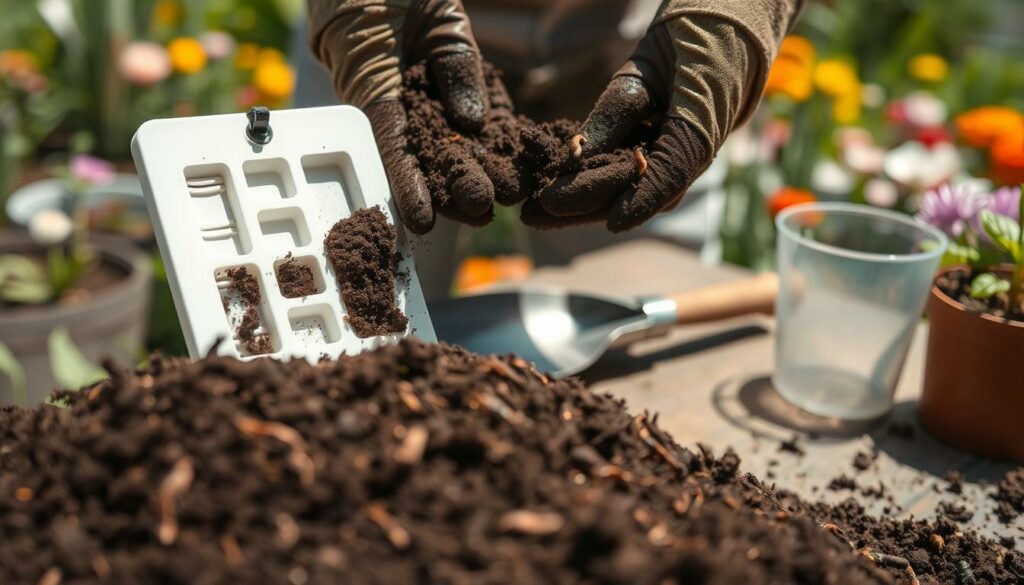
Importance of Soil Testing
Soil testing shows nutrient levels for nitrogen, phosphorus, and potassium. It also reveals secondary nutrients like calcium and magnesium, micronutrients, organic matter percentage, and soil pH.
Local Cooperative Extension Service labs and commercial labs such as Midwest Laboratories and A&L give accurate results. DIY kits from Luster Leaf offer quick checks but miss regional details.
To sample, take several cores from the root zone—6 to 8 inches deep for vegetables. Mix them into a composite sample, label it, and send it in.
Test every two to three years or when making a new bed. Follow Extension recommendations to apply lime, fertilizer, or amendments carefully. Overapplication wastes money and harms plants.
Adding Organic Matter
Adding organic matter improves soil structure, drainage, water-holding, and microbial activity. Compost, well-rotted manure, leaf mold, and aged wood chips work well. Municipal compost programs often supply tested, safe products.
Mix two to four inches of compost into the top six to twelve inches of soil when preparing beds. Top-dress in fall or spring to keep organic matter steady.
Avoid fresh manure or uncomposted materials that can burn roots or carry pathogens.
The Role of pH Levels
Soil pH controls nutrient availability. Most vegetables and ornamentals prefer pH between 6.0 and 7.0. Acid-loving plants like blueberries and azaleas do best around 4.5 to 5.5.
Test pH during soil testing and follow lab guidance for changes. Use lime (calcium carbonate) to raise pH as recommended.
To lower pH, use elemental sulfur or iron sulfate. Plan these applications several months before planting for gradual change. Monitor soil pH often to avoid sudden swings that stress plants and lock out nutrients.
- Common gardening errors tied to soil include skipping tests and adding fertilizer without need.
- Using poor-quality fill soil and neglecting organic matter are repeatable seasonal gardening mistakes.
- Good soil testing and steady adding organic matter prevent many problems and improve yields.
Overlooking Climate Zones
Many gardening mistakes happen when plant choices don’t match the local climate. Gardeners who ignore hardiness zones risk losing seedlings in winter. They might also cause plants to suffer from heat stress.
Checking zone data and microclimate features helps avoid common gardening problems.

Understanding Hardiness Zones
The USDA Plant Hardiness Zones sort areas by average minimum winter temperature. Zones range from 1 to 13. You can find your zone on the USDA map or through state Extension resources.
Keep in mind that local factors such as urban heat islands, slopes, and wind create microclimates. These can change outcomes even within the same zone.
Hardiness zones only show cold tolerance. They don’t measure heat tolerance, humidity, soil type, or disease risks. Use zones as one tool among many when planning your garden.
Choosing the Right Plants for Your Zone
Check plant labels and nursery tags for zone recommendations and heat tolerance. Trusted seed companies like Burpee and Johnny’s Selected Seeds offer regionally adapted lists and trial results.
These resources help pick the best plants for your zone. They also prevent buying plants that don’t suit your climate.
Think about microclimates when choosing plants. South-facing walls, sheltered borders, and containers can extend growing ranges. Avoid planting crops that need a long season in areas with a short frost-free window.
Don’t expect tender perennials from warmer zones to survive winter without protection. Many gardeners face disappointment from this mistake.
| Decision Point | What to Check | Practical Tip |
|---|---|---|
| Find your zone | USDA zone map, state Extension | Confirm last/first frost dates for timing |
| Assess microclimate | Sun exposure, slope, wind, urban heat | Use sheltered spots for tender plants |
| Pick varieties | Label zone range, heat tolerance, disease resistance | Choose regionally tested cultivars from reputable brands |
| Plan season length | Frost-free period, growing degree days | Match crop maturity days to local season |
| Expectations | Cold vs. heat tolerance limits | Use protection or move plants if outside their range |
Ignoring Planting Dates
Misreading planting dates is a common gardening mistake. It can reduce harvest size and invite pests. Gardeners who ignore calendar cues risk frost damage and poor germination.
A small habit of checking reliable local dates saves time and plants.
Timing for Spring Planting
Spring planting should begin after the last local frost date. County Extension offices, the National Weather Service, and the Farmer’s Almanac give useful information.
Cold-hardy crops like peas, kale, and spinach can be sown before the last frost. Warm-season crops such as tomatoes, peppers, and cucumbers need warm soil and no frost risk.
Starting seeds indoors helps hit ideal transplant windows. Tomatoes are started 6–8 weeks before transplanting, while peppers need 8–10 weeks. A soil thermometer helps decide when to move seedlings outdoors.
Hardening off transplants over 7–10 days prevents shock. Gradual exposure to sun, wind, and cool nights improves survival and growth.
Best Practices for Fall Gardening
Fall gardening begins with knowing first frost dates and choosing the right cultivars. Selecting quick-maturing varieties and planning succession plantings extend the harvest season.
Season extension tools such as row covers, cold frames, cloches, and hoop houses add weeks or months to harvests. These tools also prevent common mistakes like planting too late without protection.
Plant cool-season crops in late summer or early fall for winter greens where the climate allows. Removing summer annuals that hold pests helps avoid infestations that can harm late plantings.
| Action | When to Do It | Common Benefit |
|---|---|---|
| Check last and first frost dates | Before seed purchase and planting | Reduces frost damage and timing errors |
| Sow cold-hardy seeds | 2–4 weeks before last frost | Early harvests, resilience to cool weather |
| Start warm-season seeds indoors | Tomatoes 6–8 weeks, peppers 8–10 weeks before transplant | Stronger seedlings and full-season yields |
| Harden off transplants | 7–10 days before transplanting | Reduces transplant shock and loss |
| Use season extension gear | Late summer through fall as needed | Extended harvest and protection from early frosts |
| Succession planting | Every 2–3 weeks for late-season crops | Continuous harvest and better space use |
Planting Too Close Together
Crowded beds are a common gardening mistake. When gardeners misjudge spacing, crops must compete for light, water, and nutrients. This competition lowers plant vigor and attracts pests.
Overcrowding raises humidity and cuts airflow, encouraging fungal issues like powdery mildew and blight. Roots get crowded, which stunts growth and shrinks fruit size. Harvesting and weeding get harder, and tall plants can shade shorter ones.
How to avoid these gardening missteps:
- Follow seed packet and plant tag spacing; they show mature plant and root size.
- Use square-foot gardening or measured rows for consistent spacing in beds.
- Map beds with twine grids, templates, or garden planning apps before planting.
Use vertical supports for vining crops. Trellises for peas, pole beans, and cucumbers save ground space. This also reduces overcrowding problems over time.
Try succession planting and pair fast growers with slower crops. This prevents plants from bottlenecking each other during growth.
Watch container limits carefully. Planting seedlings too close or misjudging pot size are common mistakes. Leave room for root and canopy growth to avoid poor yields and nutrient issues.
Neglecting Pest Control
Ignoring pests is one of the most costly seasonal gardening mistakes. Small issues become large losses when gardeners delay checks.
Regular inspections keep plants productive. They also reduce the chance of repeated infestations.
Gardeners should learn to spot early warning signs. Chewed leaves, holes, skeletonized foliage, sticky honeydew, wilting, and visible frass signal trouble.
Early detection makes preventive pest measures easier and less damaging.
Identifying Common Garden Pests
Many insects attack vegetables and ornamentals. Aphids, whiteflies, squash bugs, cucumber beetles, Japanese beetles, cutworms, and caterpillars like tomato hornworms appear each season.
Slugs and snails chew leaves and spread disease.
Mammals and birds cause losses too. Rabbits, deer, voles, raccoons, and fruit-eating birds damage crops.
Extension fact sheets from University of California IPM and Cornell IPM help with accurate pest identification.
Preventive Measures
Cultural controls lower pest risk without chemicals. Crop rotation, removing debris, proper spacing for airflow, and choosing resistant cultivars reduce pressure.
Seasonal vigilance in early spring and fall helps cut next year’s pests.
Physical barriers block many attackers. Row covers protect seedlings from beetles and moths. Netting shields fruit from birds.
Collars stop cutworms. Fencing keeps deer and rabbits away.
Biological control supports balance in the garden. Planting pollinator-friendly flowers attracts lady beetles, lacewings, and parasitic wasps.
Gardeners should avoid broad-spectrum pesticides because they harm beneficial insects.
Chemical tools come with responsibility. Use targeted products only when pest thresholds are met.
Insecticidal soaps, Bacillus thuringiensis for caterpillars, and neem oil work well when applied as directed.
Integrated Pest Management guides decisions: monitor, identify, set thresholds, and act.
| Problem Sign | Likely Pest | Preventive Pest Measures | Quick Action |
|---|---|---|---|
| Sticky honeydew on leaves | Aphids, whiteflies | Introduce lady beetles, use insecticidal soap | Spray soap, prune heavy growth |
| Holes in fruit and leaves | Cucumber beetles, Japanese beetles | Row covers, hand-pick, trap crops | Install covers, remove beetles early |
| Large caterpillars, missing foliage | Tomato hornworms, cutworms | Bt application, collars for seedlings | Apply Bt, remove by hand at dusk |
| Slimy trails and ragged edges | Slugs and snails | Beer traps, copper barriers, clean debris | Set traps at night, clear mulch near stems |
| Small mammals eating seedlings | Rabbits, voles, deer | Fencing, raised beds, motion deterrents | Install temporary fencing, use cages |
Overwatering or Underwatering
Watering mistakes are among the most common seasonal gardening errors gardeners face. Plants show stress that can look like nutrient or pest problems. Checking soil and roots quickly helps keep plants healthy.
Signs of Overwatering
Yellow leaves that feel limp while the soil is still wet point to root oxygen loss. Soggy soil or fungal growth shows poor drainage or compacted soil. Root rot and peeling bark on woody plants are serious signs that need quick care.
Use a soil moisture meter or finger test to check the top 2–4 inches for too much water. If water pools or drains slowly, add compost to improve soil structure and air flow.
Indicators of Underwatering
Wilting with dry, crumbly soil and brown, crisp leaf edges shows a lack of water. Container plants often reveal a dry root ball. Small fruit, dropped buds, and slow growth are signs the plant needs more water, especially young transplants.
Morning versus afternoon wilting helps find the problem. Plants stressed by heat but that recover at night may need shade during hot days. Plants wilting all day probably lack enough water.
Useful steps help avoid common watering mistakes. Water deeply but less often to encourage deep root growth. Change how often you water based on soil type: sandy soils dry faster than loams or clays.
Water early in the morning to lower evaporation and disease chances. Mulch and organic matter help keep soil moist and reduce watering needs. Use drip irrigation or soaker hoses for efficiency and check container plants daily in hot weather. Self-watering containers and wicking systems cut down on watering errors.
Failing to Mulch
Mulch is a simple, high-impact practice gardeners often skip. Missing this step causes many common seasonal gardening problems. It reduces water retention, invites weeds, and stresses roots.
Proper mulching saves time, protects plants, and builds soil health when done right.
Benefits of Mulching
Mulch conserves moisture by reducing evaporation. This is especially important in hot months and drought-prone areas. It also lowers watering needs and protects fragile transplants.
Mulch helps keep soil temperature steady. It shields roots from extreme heat and cold. This reduces plant stress during seasonal changes and supports steady growth.
Mulch blocks light to suppress weeds. This decreases the need to pull weeds manually. Organic mulches break down over time to feed soil organisms and add organic matter.
Mulch also stops soil from splashing on leaves. This helps prevent soil-borne diseases. When applied correctly, mulch promotes healthier plants and cleaner garden beds.
Types of Mulch to Consider
Organic mulches include shredded hardwood, pine needles, straw, leaf mulch, and compost. Apply 2–4 inches but keep mulch away from trunks and stems to avoid rot and pests.
Inorganic mulches like landscape fabric, gravel, or rubber are good for ornamental and xeriscape areas. They reduce weeds and erosion but do not add nutrients to soil.
Living mulches such as clover or winter rye protect soil and prevent erosion. They add organic matter when turned under and work well in vegetable rotations and large beds.
Timing matters for mulching. Apply mulch in late spring after soil warms for annual beds. Add insulating layers in fall to protect perennials and bulbs from freeze-thaw damage.
| Mulch Category | Common Examples | Primary Benefits | Recommended Depth | Notes |
|---|---|---|---|---|
| Organic | Shredded hardwood, straw, leaf mulch, compost | Improves soil, conserves moisture, suppresses weeds | 2–4 inches | Avoid contact with stems; check for weed seeds in straw |
| Inorganic | Gravel, rubber mulch, landscape fabric | Long-lasting weed control, low maintenance | Varies by material; fabric underlayer often used | Does not add nutrients; can heat soil in summer |
| Living Mulch / Cover Crop | Clover, winter rye, vetch | Protects soil, adds organic matter when turned under | Plant density varies | Best in larger beds and crop rotations |
| Common Mistakes | Volcano mulching, over-application, weed-filled mulch | Root suffocation, rot, pest harboring | N/A | Pull mulch back from trunks; refresh rather than pile on |
Failing to mulch is a common gardening mistake that is easy to fix. Choosing the right mulch and applying it properly boosts garden resilience. Timing your mulch applications improves plant health and soil quality.
Skipping Crop Rotation
Skipping crop rotation is a common seasonal gardening mistake. Repeating the same plant families drains specific nutrients from the soil. It also lets pests and diseases build up over time.
A simple plan can keep soil healthier and reduce the need for chemical controls.
Gardeners who skip rotation often face stunted yields. They also deal with recurring problems like blights, root nematodes, and soil fatigue.
Small plots make this error tempting. Yet even small changes can prevent these gardening problems.
Importance of Crop Rotation
Rotating by plant family breaks pest and pathogen life cycles. It lowers host availability for pests targeting tomatoes, potatoes, brassicas, and others.
Rotation balances nutrient use by pairing heavy feeders with legumes that fix nitrogen.
Integrating cover crops like winter rye or clover adds organic matter. It also suppresses weeds and rebuilds soil biology.
These practices show why crop rotation is important for long-term bed health and lowering input costs.
Best Practices for Crop Rotation
Use a three- to four-year cycle and rotate by families: Solanaceae, Brassicaceae, Cucurbitaceae, Fabaceae, and Apiaceae.
Track plant locations with simple garden maps or a spreadsheet. This helps avoid repeating families too soon.
Incorporate fallow periods or green manures to break pest cycles and restore nutrients.
For small gardens, try container rotation, intercropping, and strict sanitation. These methods reduce pests when full rotation is not possible.
| Problem | Rotation Response | Small-Space Option |
|---|---|---|
| Tomato/potato blight buildup | Move Solanaceae to a new bed for 3 years; plant legumes in between | Container relocation and thorough debris removal |
| Nutrient depletion from heavy feeders | Follow corn or tomatoes with clover or vetch to restore nitrogen | Use potted legumes or add compost tea to containers |
| Root nematode pressure | Plant non-host families and use green manure to reduce populations | Solarize pots or rotate plant types in raised beds |
| Weed and soil structure decline | Seed cover crops in off-season to suppress weeds and add organic matter | Grow cover crops in deep containers or use mulching between rotations |
Not Pruning at the Right Time
Pruning can reshape a garden’s health and bloom output. Mistakes in pruning timing cause lower yields and invite disease. Changing pruning techniques protects plants throughout the seasons.
Use the right cut for the correct job. Heading back controls size and creates a fuller shape. Thinning cuts open the canopy and remove dead wood.
Clean, angled cuts above a bud or branch collar reduce disease risk. Sterilize tools between plants if infection is present. Use Felco or Fiskars bypass pruners for live wood. Anvil pruners work for dead wood. Use loppers for thick branches and a pruning saw for large limbs.
Young plants need formative pruning to build strong structures. This reduces heavy corrective cuts later. Avoid removing too much foliage at once; it weakens plants.
Pruning Techniques
Match technique to purpose. Heading back stimulates bushiness and limits height. Thinning cuts remove whole branches to improve light and air flow.
Use bypass pruners on living shoots to make clean cuts. Anvil pruners and saws work well on dead or woody growth. Keep blades sharp and clean to avoid tearing and spreading disease.
Timing for Different Plant Types
Prune according to bloom cycles. Spring-flowering shrubs like forsythia and lilac set next year’s buds early. Prune them right after they finish blooming.
Summer-flowering shrubs and many perennials do best with pruning in late winter or early spring. This happens before new growth starts.
Fruit trees respond well to dormant pruning in late winter for shaping. Light summer pruning controls vigor without cutting fruit set. Evergreens need minimal pruning. Heavy late-season cuts cause tender growth that cold weather can harm.
| Plant Type | Best Pruning Window | Common Goal |
|---|---|---|
| Spring-flowering shrubs (forsythia, lilac) | Immediately after bloom | Preserve next year’s flower buds and shape |
| Summer-flowering shrubs and perennials | Late winter to early spring | Encourage new growth and larger blooms |
| Fruit trees | Dormant late winter; light summer pruning | Structure, remove crossing limbs, control vigor |
| Evergreens | Late spring to early summer for light shaping | Maintain form with minimal fresh growth |
| Vines and roses | Species-specific; consult Extension guides | Balance flowering, air flow, and size |
Common gardening mistakes include pruning at the wrong time and using dull, dirty tools. Learn proper timing and pruning methods. This reduces plant stress and prevents common errors.
Ignoring Seasonal Weeding
Gardeners often treat weeding as a low priority task. This attitude makes routine care one of the most costly seasonal mistakes. Weeds compete with plants for nutrients, water, and light.
They can host pests and fungal diseases. This lowers yields and stresses the landscape. Active weed growth needs timely responses each season.
Spring flushes and summer survivors need different care. Ignoring seasonal weeding lets seeds form and increases future weed growth. Some weeds release chemicals that stunt nearby plants.
These gardening problems pile up quickly when left unchecked.
Impact of Weeds on Garden Health
Weeds reduce crop yields by stealing soil nutrients. They also harbor insects and diseases that spread to vegetables and ornamentals. Seed-producing weeds grow even more next season, making control harder.
Shallow-rooted annuals and deep-rooted perennials cause different problems for beds and borders.
Compost with live seeds can bring weeds back after cleanup. Gardeners should use well-cured or thermophilic compost. Screening materials before applying also stops weed seeds.
Weekly spot checks catch young weeds before they produce seeds.
Effective Weeding Strategies
Start with hand weeding and good tools. Brands like Fiskars and Corona have durable hoes, forks, and weeders. Removing roots and crowns stops plants from growing back.
- Use mulch or landscape fabric to block light and reduce weed growth.
- Time shallow cultivation to cut seedlings without bringing old seeds up.
- Apply pre-emergent herbicides only as the label allows and avoid most vegetable beds.
- Do weekly maintenance to stop seeds and lessen future work.
Using several methods reduces chemical use and improves control. Relying on one method is a common gardening mistake. Combining physical removal, mulches, selective herbicides, and good compost management gives the best results.
Lack of Proper Fertilization
Many gardeners make the same seasonal mistake by guessing nutrient needs instead of testing soil. This lack of proper fertilization leads to weak growth and poor yields. It also raises the risk of disease.
A simple soil test from a local extension office can prevent these gardening errors. Testing before applying products saves time and money.
Understanding fertilizer types helps gardeners make better choices. Organic options like compost, manure, bone meal, fish emulsion, and kelp feed soil life. They release nutrients slowly.
Inorganic fertilizers like granular N-P-K blends fix nutrient shortages quickly. But overuse can harm beneficial microbes and cause nutrient leaching. Use them carefully.
Specialty products target specific needs. Slow-release granules, controlled-release pellets, and foliar feeds address certain shortages. Soil amendments like lime, gypsum, and sulfur adjust pH and soil structure when guided by soil tests.
Knowing when to fertilize matters more than adding extra product. Follow soil test recommendations, not habits. Apply balanced slow-release or organic amendments in early spring to build nutrient reserves.
Heavy feeders like corn and tomatoes need side-dressing during active growth or fruit set. Perennials and trees may need fall inputs but less nitrogen late in the season. This avoids tender shoots that frost can damage.
Proper application rates and methods reduce harm. Always follow label instructions and extension guidelines to prevent burn and runoff. Banding suits row crops. Broadcast works well for beds.
Foliar feeding supplies quick micronutrient relief but does not replace good soil fertility. Use it to supplement, not substitute, soil feeding.
| Issue | Recommended Action | Why It Matters |
|---|---|---|
| Ignoring soil test | Submit soil sample to state extension; follow nutrient plan | Prevents over- or under-fertilization and limits avoidable gardening blunders |
| Over-applying nitrogen | Use balanced formulas; reduce N late season; follow label rates | Prevents lush, vulnerable growth and poor flower or fruit set |
| Wrong fertilizer types | Match fertilizer types to crop needs and soil biology | Supports long-term soil health and steady nutrient supply |
| Poor timing | Apply slow-release in spring; side-dress during growth; limit fall N | Aligns nutrient availability with plant demand to boost vigor |
| Neglecting application method | Use banding for rows, broadcast for beds, and follow rates | Reduces runoff, increases efficiency, limits environmental impact |
Being Unprepared for Weather Changes
Unexpected freezes, heat waves, high winds, and heavy rain are common seasonal gardening mistakes that cause big losses. These weather changes often arrive quickly, catching gardeners off guard. Preparing ahead reduces stress and helps plants survive sudden swings.
Strategies for Protecting Plants
For frost protection, use row covers, frost cloths, or cloches. You can also move potted plants indoors for safety. Mulch the root zones to buffer temperature swings and reduce freeze damage.
In heat, use shade cloth and increase watering to keep soil moist. Reflective white fabric protects sun-sensitive crops during extreme heat. Wind protection can be simple—temporary screens, stakes, or quick fences work well to block wind and cut drying out.
To handle heavy rain or flooding, raise beds or mound soil for better drainage. Adding organic matter improves water infiltration. Keep emergency supplies like extra mulch, frost cloths, stakes, and twine handy to respond fast.
Tools to Monitor Weather Conditions
Reliable forecasts from the National Weather Service and NOAA apps help you prepare for weather changes. Local radio and smartphone apps like Weather Underground or AccuWeather give timely watches and warnings for gardeners.
For microclimate tracking, personal weather stations from Davis Instruments or Ambient Weather measure root-zone temperature and moisture. Garden sensors and smart irrigation controllers adjust watering based on real-time data. Avoid ignoring forecasts or lacking emergency gear to improve plant survival across seasons.