

Nearly 80% of Americans now live in urban or suburban areas where yard space is limited. Vertical gardening is a smart way to add greenery without losing room. It turns balconies, patios, and tiny yards into productive, beautiful spaces by building upwards.
This guide helps readers pick the best vertical garden design, plants, and systems for small spaces. It offers practical tips for renters, apartment dwellers, and urban homeowners who want to grow herbs, lettuces, and ornamentals on walls, railings, and shelves.
Vertical gardening can improve air quality, boost curb appeal, and provide thermal benefits when used on exterior walls.
Readers will find clear, step-by-step advice on site selection, plant choices, trellises, pocket planters, and DIY builds. The article also covers indoor solutions, maintenance routines, urban uses, and decorating ideas. Anyone can adopt vertical garden ideas that fit their space and lifestyle.
Key Takeaways
- Vertical gardening saves floor space and works well on balconies, patios, and small yards.
- Well-chosen plants and systems can deliver food, beauty, and improved air quality.
- DIY vertical garden projects suit renters and homeowners with limited room.
- Proper site selection and design maximize plant health and visual impact.
- Maintenance and watering strategies keep vertical gardens productive and low-effort.
Understanding Vertical Gardens
Vertical gardening changes tight spaces into productive green areas by growing plants on structures. A compact vertical garden wall can create a living focal point. This works well on balconies, patios, or inside apartments.
Readers will find practical ideas, clear benefits, and basic mechanics. These help in choosing the best approach for their space.
Definition and Benefits
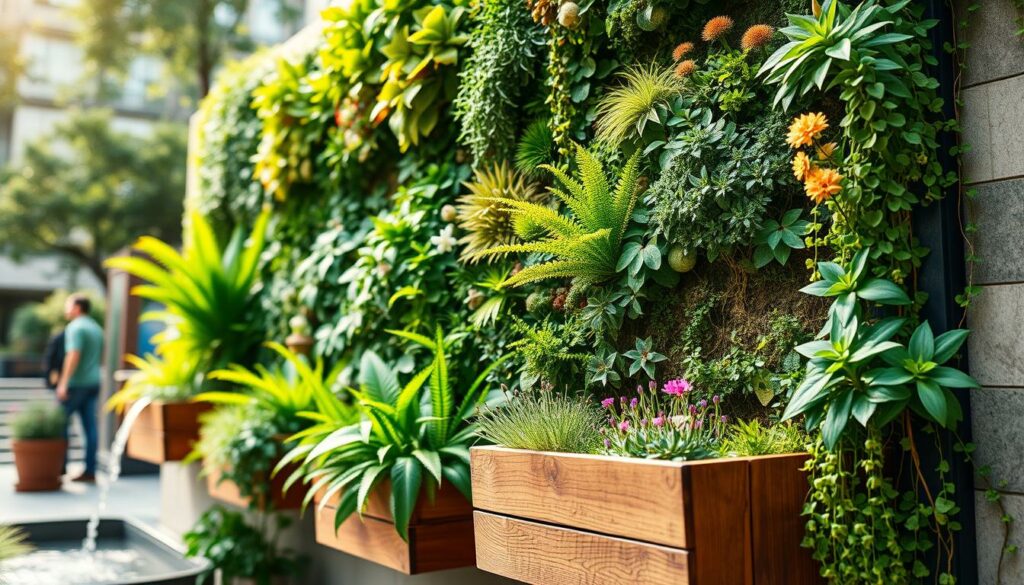
A vertical garden arranges plants vertically on a structure or wall instead of the ground. Common types include freestanding towers and wall-mounted pocket systems. There are also trellises, stacked planters, and living walls with irrigation. Each type fits different spaces and needs.
Benefits include using limited space well, boosting biodiversity, reducing urban heat, and improving air quality. A living garden adds privacy and blocks noise. It also allows for growing herbs, microgreens, and strawberries.
Both renters and homeowners can choose portable planter towers or modular systems. These options can scale or shift with changing needs.
How They Work
Key parts of a vertical garden are the support structure, planting medium, irrigation, and drainage. The support could be a frame, wall anchors, or shelves. Planting media include soil pockets, planter boxes, or hydroponic panels.
Irrigation may use drip lines, wicking systems, or manual watering. Vertical gardens often need more frequent watering because water drains and evaporates faster. Automated irrigation helps maintain moisture. Lightweight mixes with organic matter hold moisture and nutrients well.
Structural factors are important. Check load-bearing capacity and add waterproof membranes to protect surfaces. Use proper anchors for outdoor living walls. For balconies that don’t allow wall attachments, freestanding modular units are good alternatives. They offer the same ideas and benefits safely.
Selecting the Right Location
Choosing the best site for a vertical garden sets the stage for success. This guide helps assess light, climate, and upkeep needs. These factors help plants thrive and keep maintenance manageable.
Sunlight Requirements
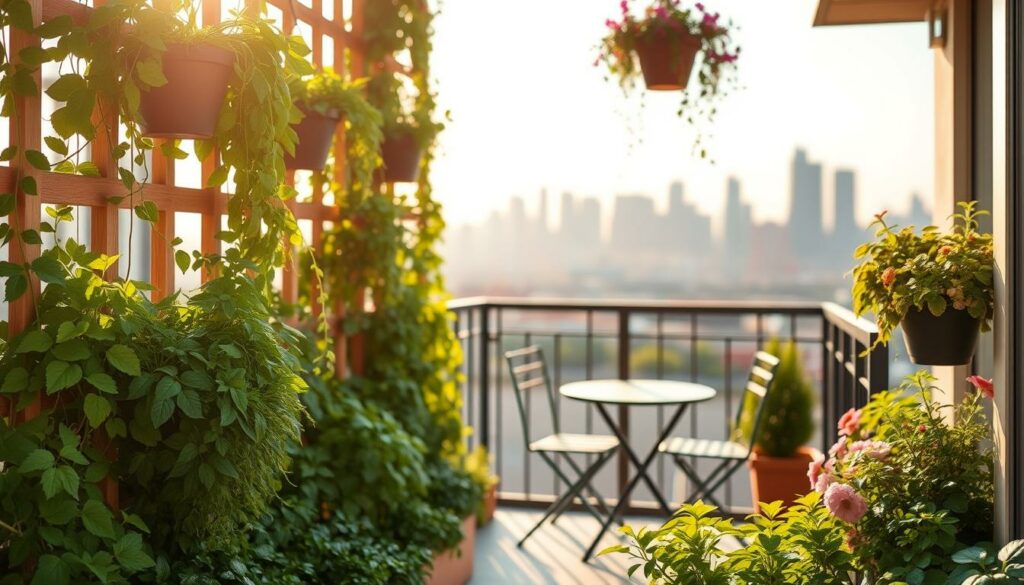
First, measure available light throughout a typical day. Full sun means six or more hours. Partial sun or shade offers three to six hours.
Place sun-loving herbs and vegetables on south- or west-facing walls. These spots have the strongest sunlight for vertical garden exposure. Shade-tolerant plants like ferns, pothos, or begonias do well on north-facing walls or shaded balconies.
Watch for microclimates. Reflections from windows or light-colored surfaces boost light. Brick and concrete hold heat near walls, raising temperatures. Adjust plant choices when these effects change sunlight for vertical garden conditions.
Climate Considerations
Consider regional trends before planting. In the arid Southwest, pick drought-tolerant species and panels that provide afternoon shade. The humid Southeast requires good air circulation to reduce mildew risk.
Cold Northern areas need frost-hardy varieties or a seasonal plan that allows removable systems for winter storage. Check USDA Hardiness Zones and local microclimate data to match plant hardiness and materials to the site.
Materials matter. Use corrosion-resistant anchors and UV-stable fabrics where heat and sun stress are high. Choose breathable soils and drainage suitable to local climate conditions.
Accessibility for Maintenance
Plan for routine care by placing high-use beds within easy reach. Keep edible herbs and vegetables at waist height or lower. This makes watering, pruning, pest checks, and harvesting safer and easier.
Install lower modular planters for frequent tasks. Reserve higher decorative panels for low-maintenance species. Position systems close to a water source and near electricity if pumps or timers are used.
Ensure safe walkways and secure anchoring for tall frames. Good accessibility reduces risk and makes vertical garden ideas practical for everyday use.
Choosing Suitable Plants
Selecting the right species helps a vertical garden thrive. This guide matches plant needs with space, light, and structure. It shows reliable choices for edible beds, flowering displays, leafy panels, and drought-tolerant groups.
It also gives practical notes on indoor vertical garden setups and outdoor living walls.
Edible and culinary picks
Herbs and salad greens work well on kitchen walls and pocket planters. Basil, thyme, oregano, and chives fit shallow modules nicely.
Lettuce, arugula, and spinach suit quick rotations in sunny pockets. Strawberries grow well in tiered frames. Dwarf cherry tomatoes need extra support and deeper planters.
Ornamental and flowering choices
Petunias, geraniums, begonias, and calibrachoa add color to sunny or partially shaded walls. Impatiens and trailing lobelia prefer shade.
Nasturtiums provide edible blooms and quick cover. These are the best plants for vertical gardens if you want visual impact.
Foliage plants and climbers
Pothos and philodendron fit indoor vertical gardens because they tolerate low light and limited root space. Boston fern and maidenhair fern add soft texture to shaded panels.
English ivy and creeping fig (Ficus pumila) create dense exterior living walls. They must be contained and placed where they won’t damage surfaces.
Succulents and drought-tolerant species
Sedum, sempervivum, and echeveria do best on sunny, well-drained vertical structures. Their rosette forms need shallow, fast-draining pockets.
These plants lower watering needs and suit warm, exposed vertical gardens.
Best Plants for Vertical Gardens
Group plants by water and light needs. Combine shallow-rooted annuals and herbs in pocket planters. Place trailing and climbers on top tiers to cascade without shading plants below.
Mix textures and forms to keep layers balanced and visually pleasing.
Considerations for Plant Size and Growth
Root space limits affect plant choice. Shallow-rooted annuals and herbs fit pockets well. Larger perennials or shrubs need deeper containers or partial ground planting linked to vertical parts.
Match planter depth to expected root spread. Growth habits vary. Trailing, climbing, compact, and rosette forms interact differently. Pick complementary habits to avoid overcrowding and shading neighbors.
Fast spreaders like mint and some ivies need root barriers or separate containers to stop invasiveness. Maintenance depends on species. Annuals may need seasonal replacement. Perennials require long-term care and occasional division. Edible rotations keep harvests good and reduce pests.
Use these size tips when planning a vertical garden. Careful plant pairing creates attractive walls that fit the garden’s style and space limits.
Vertical Gardening Techniques
Vertical gardening techniques offer many options for small spaces. They guide choices of structures, planting media, and maintenance. The right approach balances strength, water use, and plant needs for lasting success.
Using trellises and frames is a simple way to support climbers and vining edibles. Types include wood lattice, metal grid, wire mesh, pergola extensions, and freestanding A-frame trellises. Material choice is important: cedar or pressure-treated wood resists rot, while powder-coated steel stands up to rust and wind.
Plant training keeps growth tidy and productive. Tying vines with soft ties protects stems. Netting works well for peas and beans. Pruning helps vines grow upward. Cages or slings support heavy fruiting vines like tomatoes and cucumbers.
Trellises are low-cost, lightweight, and easy to adapt. They pair well with containers for tomatoes, beans, and flowering vines. Proper spacing and anchoring boost wind resistance and help structures last longer.
Pocket planters and wall systems turn flat surfaces into living walls. Pocket systems include felt or fabric pockets, modular plastic planters, foam panels, and living wall panels with built-in irrigation. Brands like Woolly Pocket offer ready-made options for homeowners and designers.
Different systems have different water and maintenance needs. DIY felt pockets are breathable and cheap but dry out faster. Panels with built-in irrigation save water and suit larger gardens. Choose based on size, budget, and plants.
Installing on building walls needs care. Backing boards and waterproof membranes protect from moisture. Drip irrigation or wicking mats keep moisture steady. Hydroponic or modular panels need flushing to avoid salt buildup and keep plants healthy.
Below is a quick comparison to help pick the right option for your goals.
| Feature | Trellises & Frames | Pocket Planters | Living Wall Panels |
|---|---|---|---|
| Materials | Cedar, pressure-treated wood, powder-coated steel, wire mesh | Felt, fabric, modular plastic, foam | Composite panels with integrated irrigation and reservoir |
| Cost | Low to moderate | Low to moderate | Moderate to high |
| Water Efficiency | Depends on container choice | Lower; dries faster | High; built-in irrigation conserves water |
| Maintenance | Simple: tying, pruning, anchoring | Regular watering; check for rot | System checks, flushing, occasional filter maintenance |
| Best Use | Climbers, edibles, lightweight vines | Herbs, small ornamentals, herbs near kitchens | Large installations, dense plantings, commercial settings |
| Durability | High with proper materials and anchoring | Moderate; fabric degrades over time | High; designed for long-term use |
Creative Design Ideas
Small yards and narrow balconies benefit from inventive layouts that turn walls and corners into lush displays.
This section presents practical options for layered installations, mobile setups, and eco-friendly builds.
Readers learn how to blend form and function while keeping plant care simple.
Shelving Units and Ladders
A shelving vertical garden works well on patios, sunrooms, and along fences.
Use treated wood or metal shelving with a weatherproof finish for outdoor durability.
Tiered plant stands or bookcase-style units create clear zones for plants with different light and water needs.
Place heavier, deeper pots on lower shelves and keep top shelves for trailing varieties.
A ladder planter leaning against a wall gives a casual, layered look and fits narrow spaces.
Add casters to mobile shelving to roll the unit to catch sun or bring it inside during storms.
Use of Recycled Materials
Repurposed materials transform common items into striking displays.
Pallets, old gutters, painted tin cans, stacked plastic crates, and upcycled shoe organizers become practical containers when prepared correctly.
Seal untreated wood to prevent rot and choose food-safe containers for herbs and edible plants.
Ensure every repurposed item has drainage holes.
Avoid materials with lead-based paint or chemical residues to protect plant health and safety.
Mix painted metal with natural-stained wood for texture contrast.
An eclectic array of mismatched containers gives a relaxed, artisanal vibe.
These vertical garden ideas keep costs low while delivering high visual impact.
Incorporating Vertical Gardens Indoors
Indoor vertical garden setups bring plants into tight living spaces with style and function. These systems suit apartments, offices, and studios where floor space is limited.
The following outline explores plant choices, container options, and clear benefits for home growers.
Indoor Plants for Vertical Solutions
Choose resilient species that match light levels. For low-light corners, pothos, philodendron, snake plant, and peace lily perform well.
Bright window spots support succulents, herbs like basil and mint, and many ferns.
Compact cultivars and hanging varieties adapt easily to vertical frames. English ivy and spider plant trail nicely from wall-mounted pots or hanging planters.
Mixing textures keeps a living wall lively and practical.
Pick systems designed for interiors. Wall-mounted pots, living wall panels with contained irrigation, and vertical shelving near windows are popular vertical garden ideas.
Lightweight potting mixes reduce structural load and cut down on watering frequency.
Protect surfaces with saucers or tray systems beneath vertical garden containers. Renters can use tension rods, leaning shelves, or free-standing frames to avoid drilling.
Households with pets should consult the ASPCA lists to confirm non-toxic plant choices.
Benefits of Indoor Vertical Gardening
Vertical gardens improve indoor air quality by increasing the number of air-cleaning houseplants per square foot. Plants such as spider plant and peace lily remove pollutants and raise humidity where heating systems dry the air.
Space optimization ranks high among benefits of indoor vertical gardening. Using walls frees floor space and makes small rooms feel larger.
Tenants gain modular, non-permanent options that move easily when relocation is required.
Aesthetic gains tie into biophilic design. A living wall or a tidy row of vertical garden containers adds texture, color, and a calming presence to interiors.
Year-round herb production becomes possible on bright vertical shelves, supporting cooking and wellness routines.
Mental well-being benefits appear in studies linking plant care to reduced stress and improved concentration.
Regular interaction with an indoor plants vertical garden can create a daily ritual that promotes mindfulness and comfort.
Maintenance of Vertical Gardens
Keeping a living wall healthy needs regular care and practical routines. Vertical garden maintenance focuses on watering, pruning, and seasonal checks. These steps protect plants and the garden structure.
Short, steady efforts stop problems like root rot, pests, and uneven growth from developing.
Watering choices shape plant health and work demands. Using both manual and automated methods works best for varied vertical garden plants.
Watering techniques vertical garden
- Manual hand-watering with a wand lets a gardener target thirsty spots and avoid wetting leaves when not needed.
- Drip irrigation gives steady moisture to each module and lowers daily labor time.
- Wicking systems passively move water from a reservoir to the roots for a steady supply.
- Hydroponic recirculating systems suit high-efficiency setups and cut water waste.
Simple tips improve all watering. Water early to reduce evaporation and fungal risks. Check substrate dampness with a finger test or moisture meter. Group plants with similar needs to match watering schedules.
Drainage affects long-term success. Make sure extra water drains away from walls and structural parts. Flush containers sometimes to remove fertilizer salts. Replace potting mix every one to three years for healthy plants.
Pruning vertical garden
- Remove spent flowers by deadheading to encourage new blooms and keep displays tidy.
- Trim trailing stems to keep density and improve air flow among plants.
- Quickly remove diseased or damaged leaves to stop spread.
Training supports balanced growth. Use soft ties and clips to guide young stems. Add supports for heavy fruiting plants to stop walls sagging.
Redirect growth to keep even plant coverage and protect weaker sections.
Seasonal care avoids surprises. Re-pot plants that are root-bound. Winterize outdoor parts by moving removable modules indoors or insulating roots. Refresh annual plants each season to keep vertical gardens fresh.
| Task | Frequency | Why It Helps |
|---|---|---|
| Check moisture and water | Daily to weekly, by plant needs | Prevents drought stress and root rot in vertical garden plants |
| Flush containers | Every 3–6 months | Removes salt buildup from fertilizers and maintains soil structure |
| Prune and deadhead | Biweekly to monthly | Encourages fullness, air circulation, and new blooms |
| Inspect structure and supports | Seasonally | Prevents failures, secures clips and ties, preserves wall integrity |
| Replace potting mix | Every 1–3 years | Refreshes nutrients and improves drainage for long-term health |
DIY Vertical Garden Projects
Hands-on projects help gardeners turn walls and fences into productive, living surfaces. This section presents starter plans and longer builds. These ideas cover lightweight options and systems needing tools, plumbing, and permits.
Simple DIY Ideas for Beginners
A simple DIY vertical garden can start with everyday items and a small budget. For example, a shoe-organizer pocket garden hung on a balcony rail makes a tidy herb patch.
A pallet vertical planter lined with landscape fabric holds annuals well, mixing with containers on a deck.
Stacked terra cotta pots threaded on a central post form a compact succulent tower. Repurposed gutters mounted on fence rails create linear herb beds for kitchens.
These vertical garden ideas keep weight low and installation quick.
Practical tips: choose lightweight soil mix and add drainage holes. Secure hardware to match the surface and place plants by their light needs.
Many projects finish within an afternoon and cost under $50, making them ideal for first-time builders.
Advanced Vertical Garden Projects
Advanced projects move beyond basic planters to engineered living walls. A modular panel living wall pairs felt or soil pockets with an integrated drip irrigation line and reservoir for steady moisture.
Hydroponic vertical towers use submersible pumps and nutrient film techniques to grow greens with little substrate.
Steel-framed freestanding vertical gardens suit patios and commercial spaces. They require waterproof membranes and proper drainage.
Exterior green walls for building facades often require structural consultation, licensed installers, and weatherproofing to protect the building envelope.
Skills include carpentry or metalworking for frames and basic plumbing and electrical knowledge for pumps and timers. Membrane installation is also needed.
Budgets vary widely. Prebuilt living wall kits and companies specializing in green walls offer warranties and maintenance plans for larger installs.
| Project Type | Typical Cost | Time to Complete | Skill Level | Best Use |
|---|---|---|---|---|
| Shoe-organizer pocket garden | $10–$30 | 1–3 hours | Beginner | Herbs on balconies |
| Pallet planter with landscape fabric | $20–$50 | 2–5 hours | Beginner | Flowers and annuals |
| Stacked terra cotta pot tower | $25–$60 | 2–4 hours | Beginner | Succulents and small perennials |
| Repurposed gutter herb rail | $15–$40 | 1–3 hours | Beginner | Linear herb planters |
| Modular living wall panel with drip | $300–$2,000 | 1–3 days | Intermediate | Residential green walls |
| Hydroponic vertical tower (NFT) | $500–$3,500 | 2–7 days | Advanced | High-yield leafy greens |
| Steel-framed freestanding wall | $1,000–$10,000+ | 1–4 weeks | Advanced/professional | Commercial or large residential installations |
Whether you choose a DIY vertical garden for a small patio or an advanced project, pick containers that fit your space and skills. This match helps ensure long-term success. Local landscape contractors and specialty firms advise on permits and can help with installation if projects go beyond DIY.
Utilizing Vertical Gardening in Urban Areas
Dense neighborhoods demand smart green solutions. Urban vertical gardening turns walls, balconies, and rooftops into living, productive spaces. This approach keeps plants off scarce ground and brings nature closer to daily life.
Space-saving solutions
Balcony rail planters fit small decks and provide easy access for herbs. Rooftop vertical towers use flat roofs for vegetables and pollinator plants. Wall-mounted systems work in alleyways and on building exteriors to create living facades.
Modular units offer flexibility to renters. Movable planters and stackable pots allow relocation for light or lease limits. Narrow courtyard living walls use thin space while keeping pathways clear.
Multifunctional designs serve more than one need. Vertical planters act as privacy screens between patios. Living walls reduce noise from busy streets in compact yards. Bench-planter combos add seating without wasting space.
Policy matters when mounting systems on shared property. Check HOA rules and lease agreements before drilling into balconies. Local building codes may affect irrigation systems and load limits for common walls.
Community gardens and shared spaces
Neighborhood associations can sponsor rooftop community gardens on apartment buildings. Schools adopt vertical planter projects to teach students about food systems. Community centers add shared installations to beautify public areas.
Organization keeps shared upkeep practical. Coordinate plant choices with local climate and maintenance needs. Set up rotating watering schedules and label low-maintenance species for easy care.
Grants and city programs often support urban greening efforts. Applying for funding can cover materials and irrigation systems for community vertical gardens.
Benefits go beyond aesthetics. Shared vertical gardening increases local food access in urban neighborhoods. When installed widely, living walls help cut stormwater runoff and boost urban biodiversity.
Decorating with Vertical Gardens
Vertical planting can change a plain patio or dull fence into a lively, textured feature. This section shows ways to use living walls as murals, privacy screens, or focal points. It focuses on simple choices that make outdoor vertical garden designs feel planned and polished.
Aesthetic Enhancements for Outdoor Spaces
Think of a vertical garden as a living mural. Monochromatic greens offer calmness and minimalism. Mixed flowering palettes bring color and attract pollinators.
An edible-themed herb wall combines usefulness and scent. Layering adds depth by placing trailing plants at the top. Use medium foliage in the middle and upright plants near the base.
Stagger plantings to keep interest throughout the seasons. Mix materials for contrast and unity. Pair wood planters with metal accents to match outdoor furniture.
Ceramic pots add polish next to stone or stucco walls. Use vertical garden containers to hide utility boxes or create privacy hedges. Light extends impact after dusk.
Solar spotlights highlight focal clusters. LED strips work well for sheltered living walls. String lights add a warm glow to seating areas and walkways.
Integrating Vertical Gardens with Existing Décor
Match planter styles to the space. Modern metal planters fit contemporary decks. Reclaimed wood suits rustic patios. Uniform vertical garden containers create a streamlined look. Eclectic mismatched pots support a bohemian vibe.
Place greenery with intention. Flank entryways using symmetrical planters. Use a green wall as a headboard behind outdoor seating. Position herb panels near grills and outdoor kitchens to blend beauty and function.
Choose materials that tolerate moisture and irrigation. Removable planters make seasonal refreshes easier. Backboards and trays protect walls from dampness and stains. Maintenance-aware choices keep ideas practical.
Conclusion: Transforming Spaces with Vertical Gardens
Vertical gardens offer practical ways to save space while adding beauty and function. They work indoors or outdoors. For example, you can create a compact indoor vertical garden for herbs or a bold outdoor living wall.
Good vertical garden design blends light and climate planning with the right plants and support systems. These supports include trellises, pocket planters, or modular living wall panels.
Key points include matching plants to site conditions and starting small with DIY vertical garden ideas. Set up reliable watering and pruning routines. For mounted gardens, protect walls and ensure structural safety.
Simple steps are sketching a layout, listing materials, and choosing irrigation if needed. These actions help ensure long-term health for your garden.
Try experimenting: start a balcony herb pocket, build a pallet planter for seasonal blooms, or plan a larger courtyard living wall. Get plants from local nurseries like The Home Depot garden centers or Lowe’s. You can also consult extension services or Master Gardener programs for advice specific to your region.
Document your progress and adapt your design with the seasons. This keeps the project fresh and engaging.
With care and planning, vertical garden design can transform any space. Whether indoors with fresh herbs or outside with a patio screen, these gardens turn small areas into productive, green places. They improve everyday life by adding beauty and usefulness.